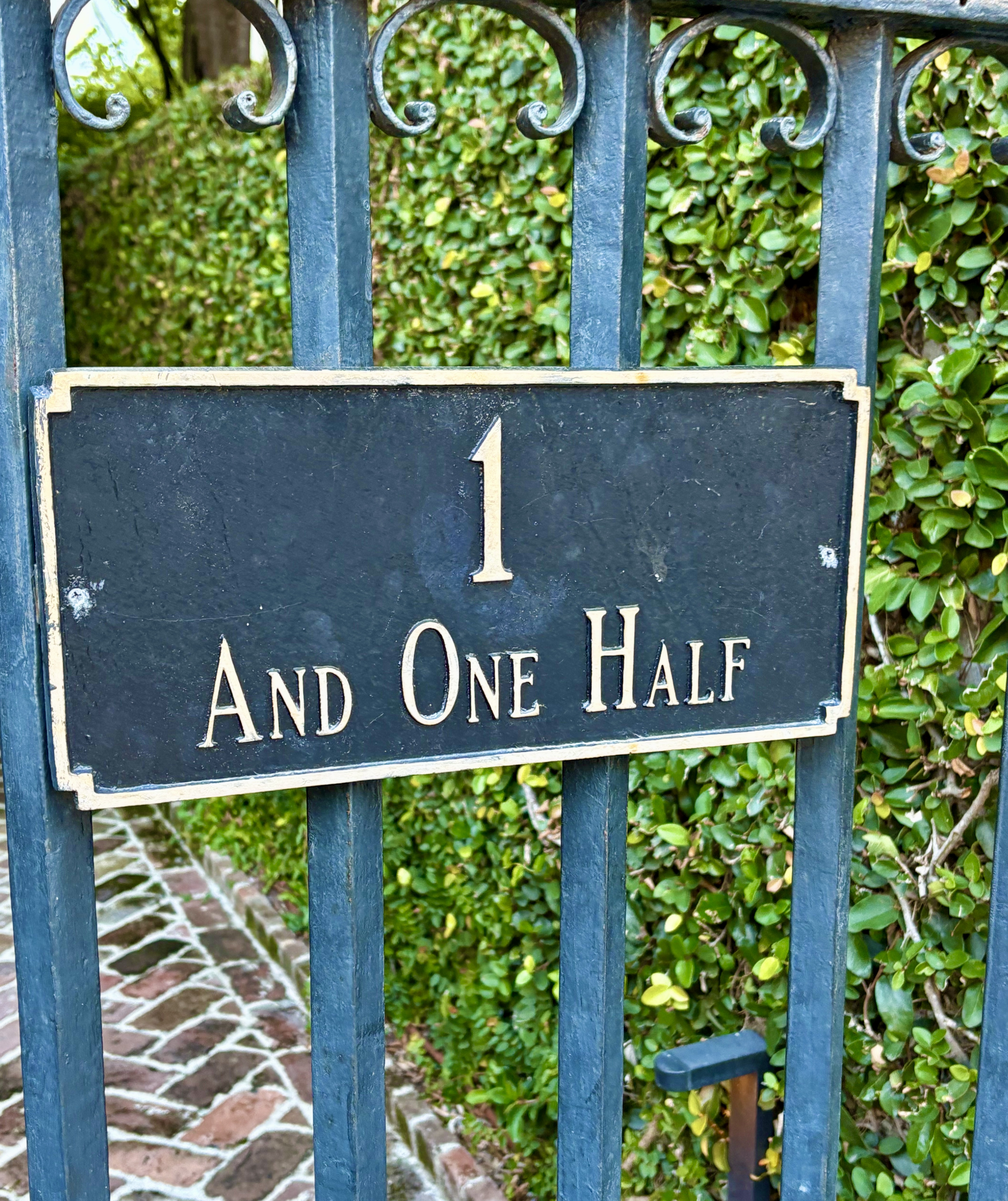
my favorite address ever
—
‘dear happiness
i hope
you will never forget
my address.’
-alexandra vasiliu, author
my favorite address ever
—
‘dear happiness
i hope
you will never forget
my address.’
-alexandra vasiliu, author
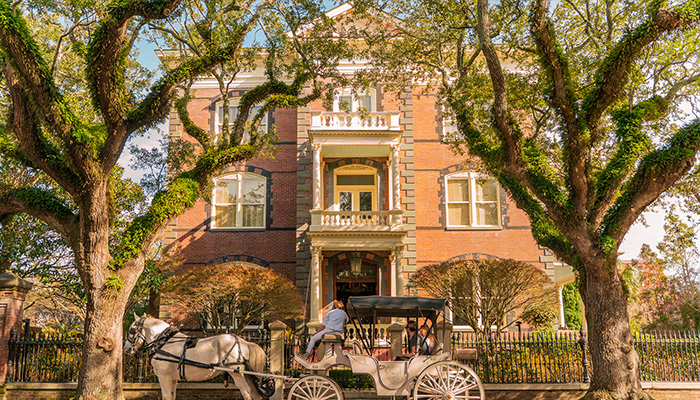
here is the biggest house in Charleston, South Carolina, USA
(in contrast to yesterday’s tiniest house)
—
The Williams Mansion is the largest private residence in all of Charleston.
Built in 1876 by George W. Williams, the mansion was his contribution to the reemergence of Charleston after the civil war. It took nearly five years to build, employing hundreds of local artisans and craftsmen and is more than 24,000 sq ft containing 35 grand rooms including the grand ballroom and the music room which boasts a 45 ft covered glass skylight. The home also holds 23 period fireplaces, numerous ornate chandeliers and beautiful plaster and wood molding.
It is known as the “Grande Dame” of Charleston’s great homes and was once dubbed “the greatest post civil war home on the eastern seaboard.” After the death of Williams in 1903 the house began to deteriorate and was eventually condemned in 1972. The mansion was eventually rescued by a Charleston native who spent 25 years and nearly five million dollars restoring it to its original grandeur.

tiniest little house – charleston, south carolina, usa
—
‘all safe in my tiny home.’
– erwin moser, artist
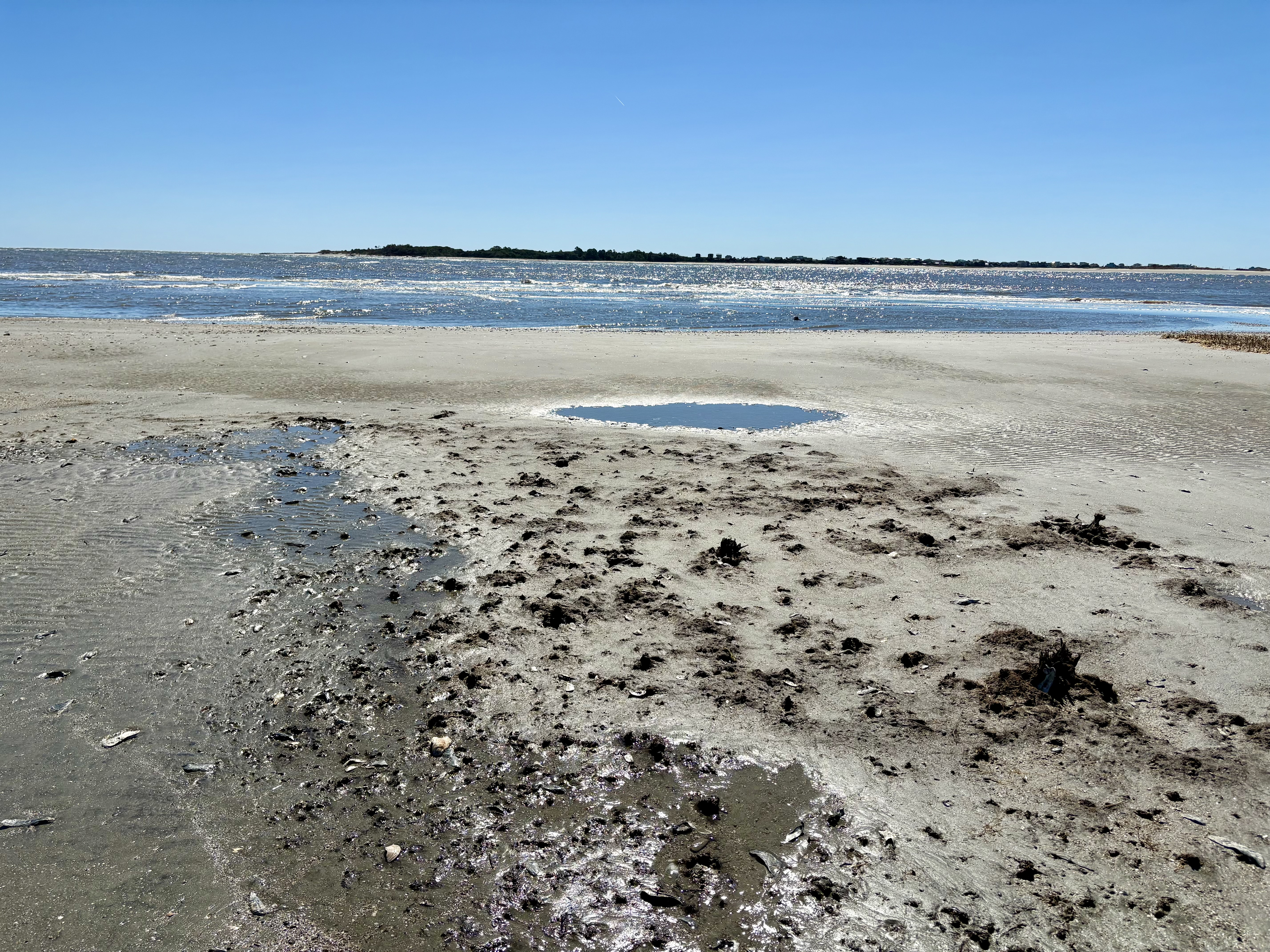
salt flats, tide pools, birds, fish, dolphins, grasses, treasures
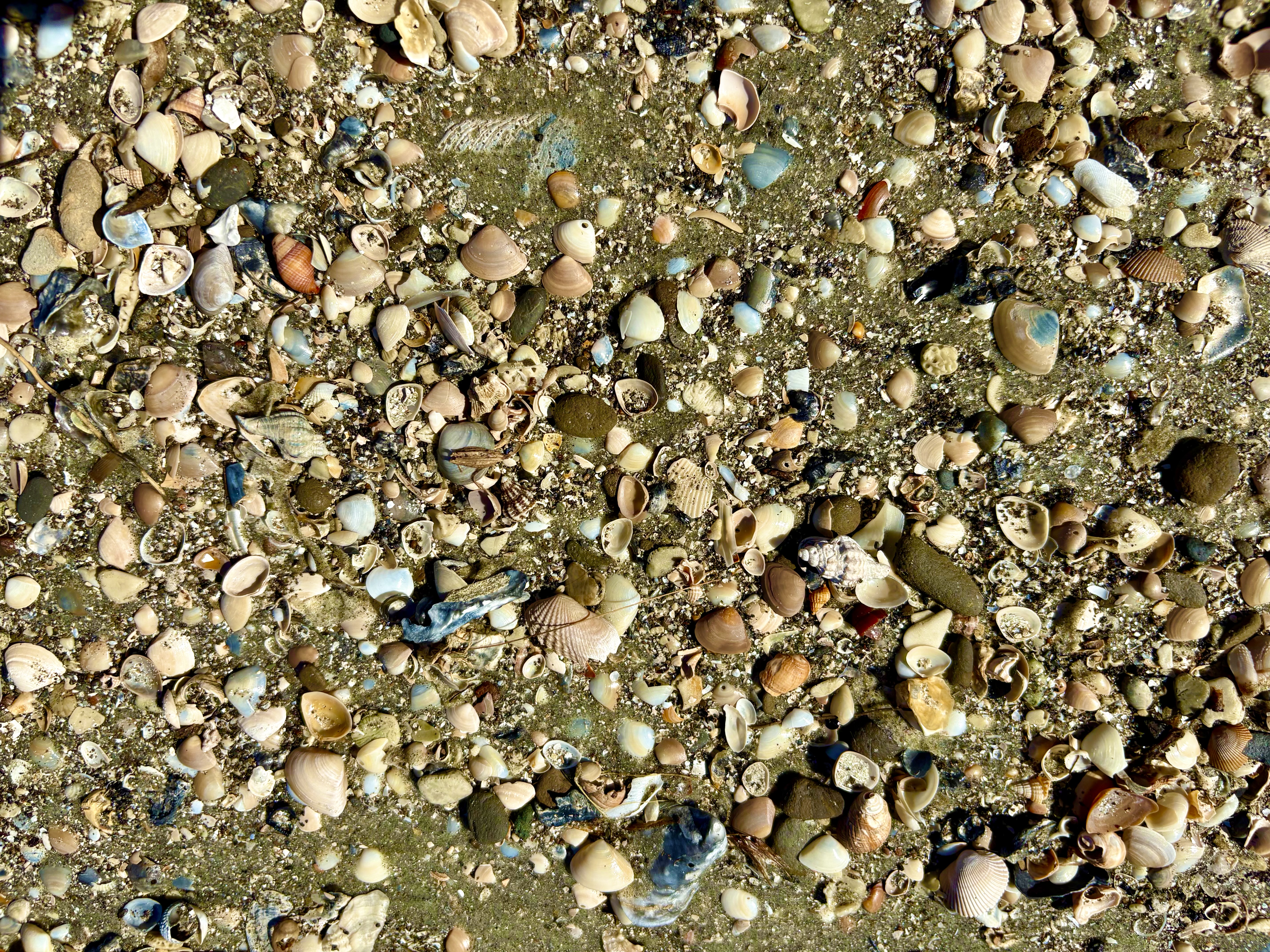
beachcombing
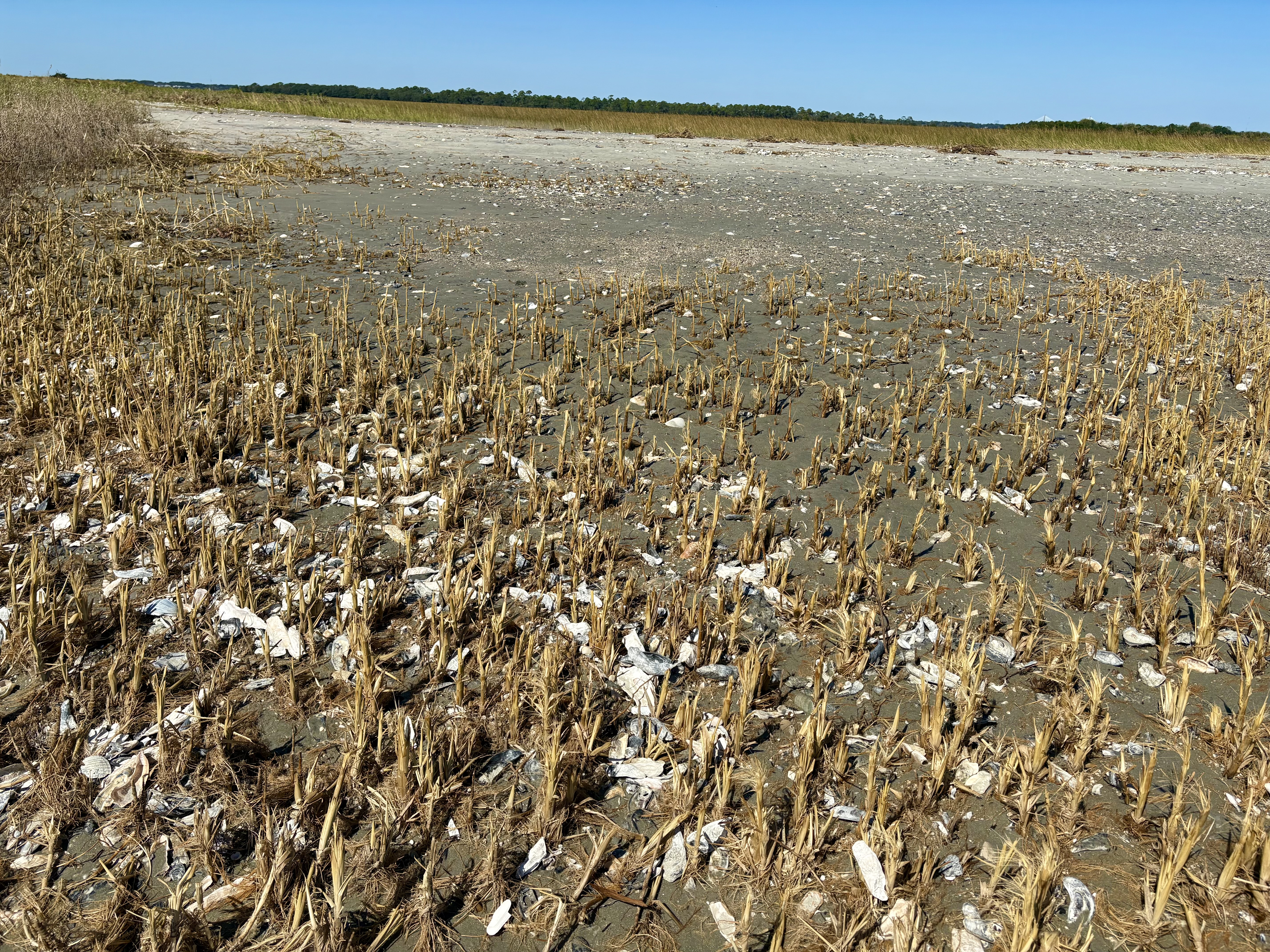
on the southern side of the entrance to Charleston Harbor,
north of the city on Folly Beach, South Carolina, USA
—
‘there’s peace in the pull of the tides.’
-author unknown
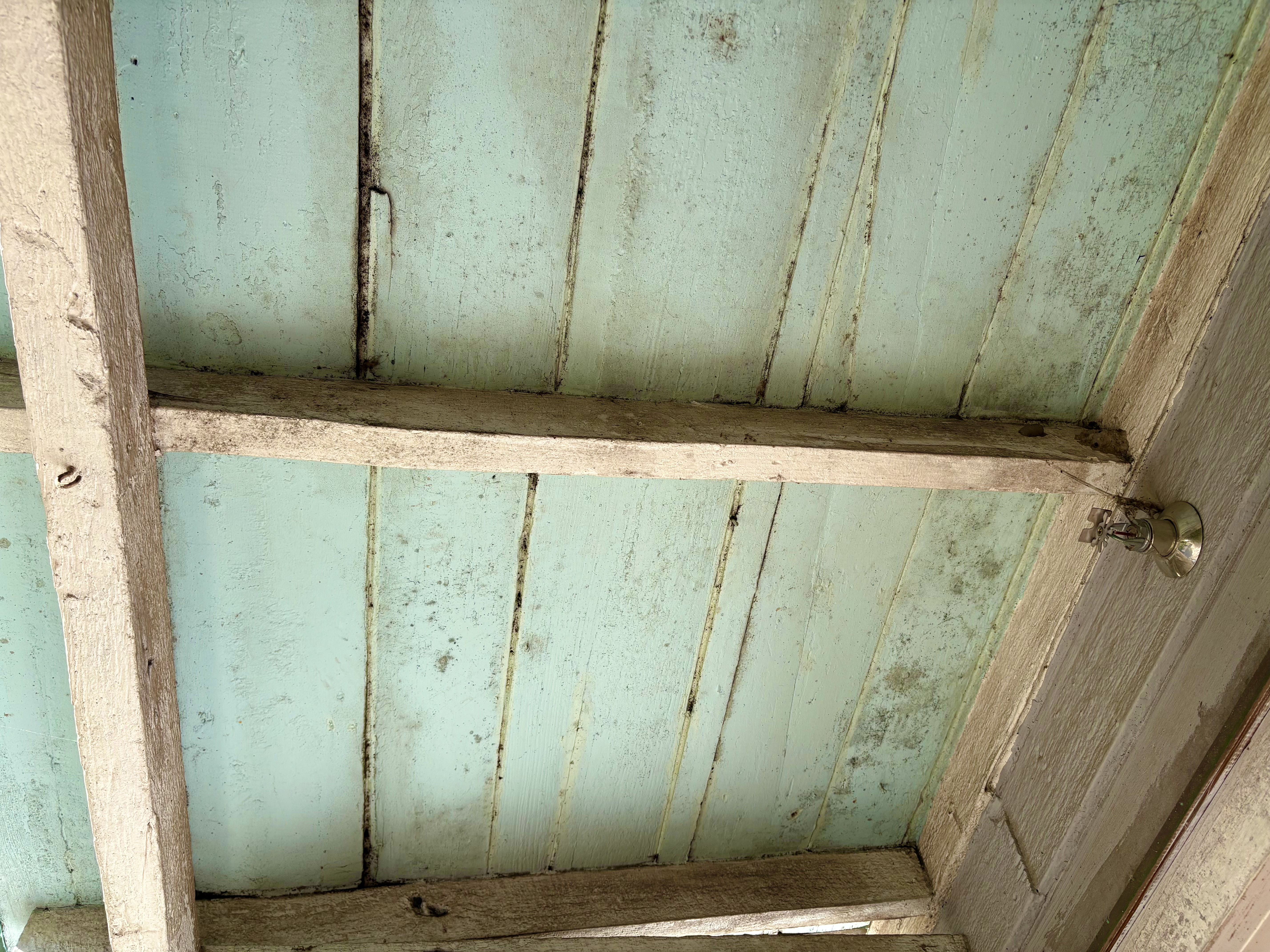
this is the haint blue ceiling of the porch on the very old house
where we are staying in south carolina
—
Haint Blue is a term used for a range of pale, blue-green colors that are similar to the color of water or the sky. They’re often used to paint the porch ceilings of homes in the southern United States. The reason people paint their porch ceilings this color is a tale of tradition from the Deep South.
The word “haint” is a colloquial way to pronounce “haunt,” another word for ghosts or evil spirits. The word comes from the Gullah, a community of people descended from West African enslaved people who settled on the coast of Georgia and South Carolina.
The Gullah people created this color by mixing indigo with lime, milk, and other natural ingredients. They painted porch ceilings, shutters, and even doors in this shade to keep away “haints” aka. restless spirits. The idea was simple but powerful: they believed that haints were afraid of water, spirits couldn’t cross water or sky, and so the color blue would protect the home.
Haint Blue paint was a form of protection for the Gullah and the southern communities embraced it wholeheartedly. That’s why so many porch ceilings throughout the south are painted a beautiful light blue-green, which has become known as haint blue.This color is tied to memory, protection, and survival.
—
‘color is a power which directly influences the soul.’
-wassily kandinsky
—
charleston, south carolina, usa, October 2025

whether you’re walking your dog through the neighborhood
in your silky pajamas and slippers late in the morning,
or carrying a big bag of cash down the main street
during the rush hour
always walk with confidence and your head held high.
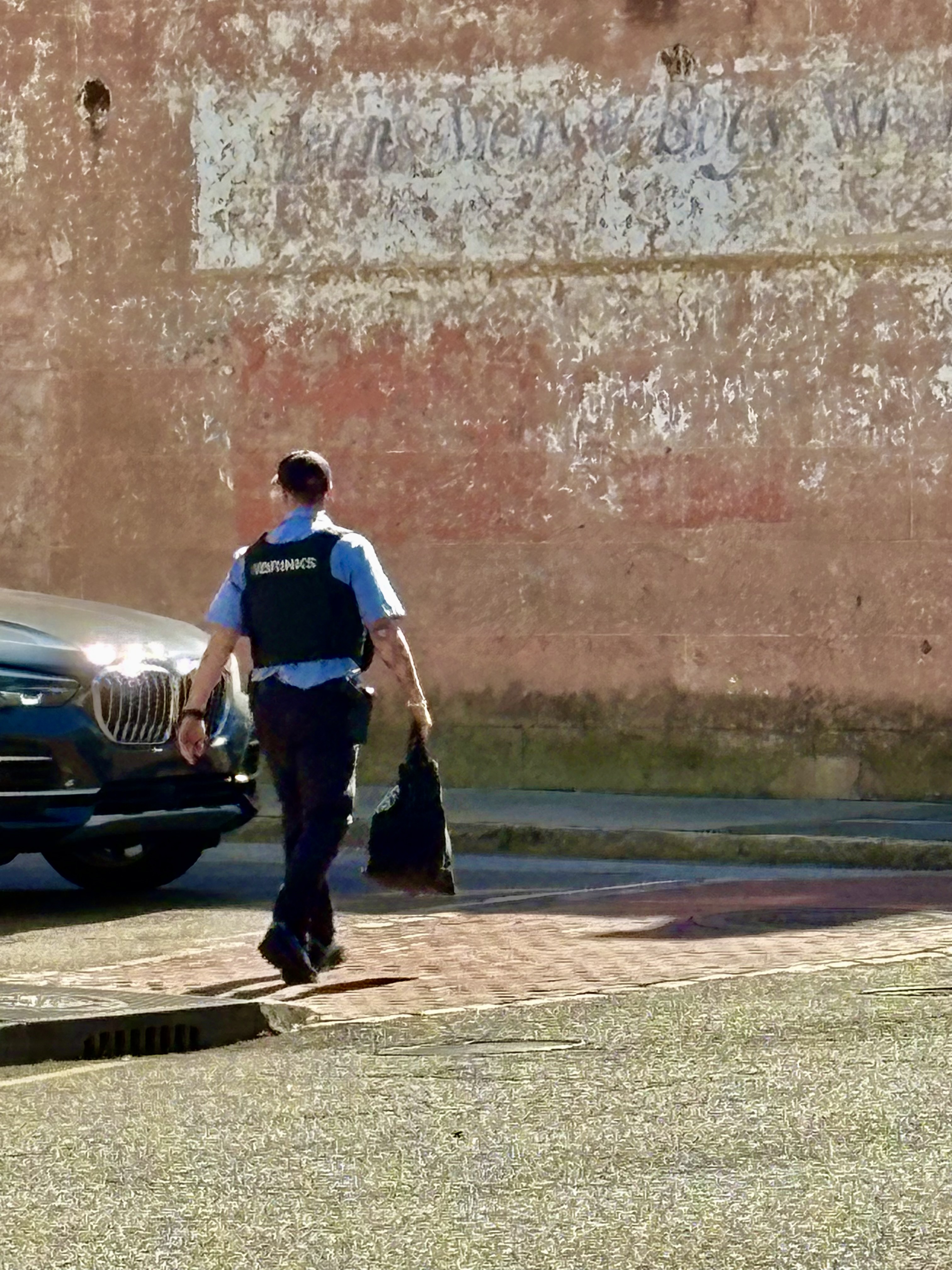
“find out who you are and do it on purpose.”
-dolly parton
—
charleston, south carolina, usa, october 2025
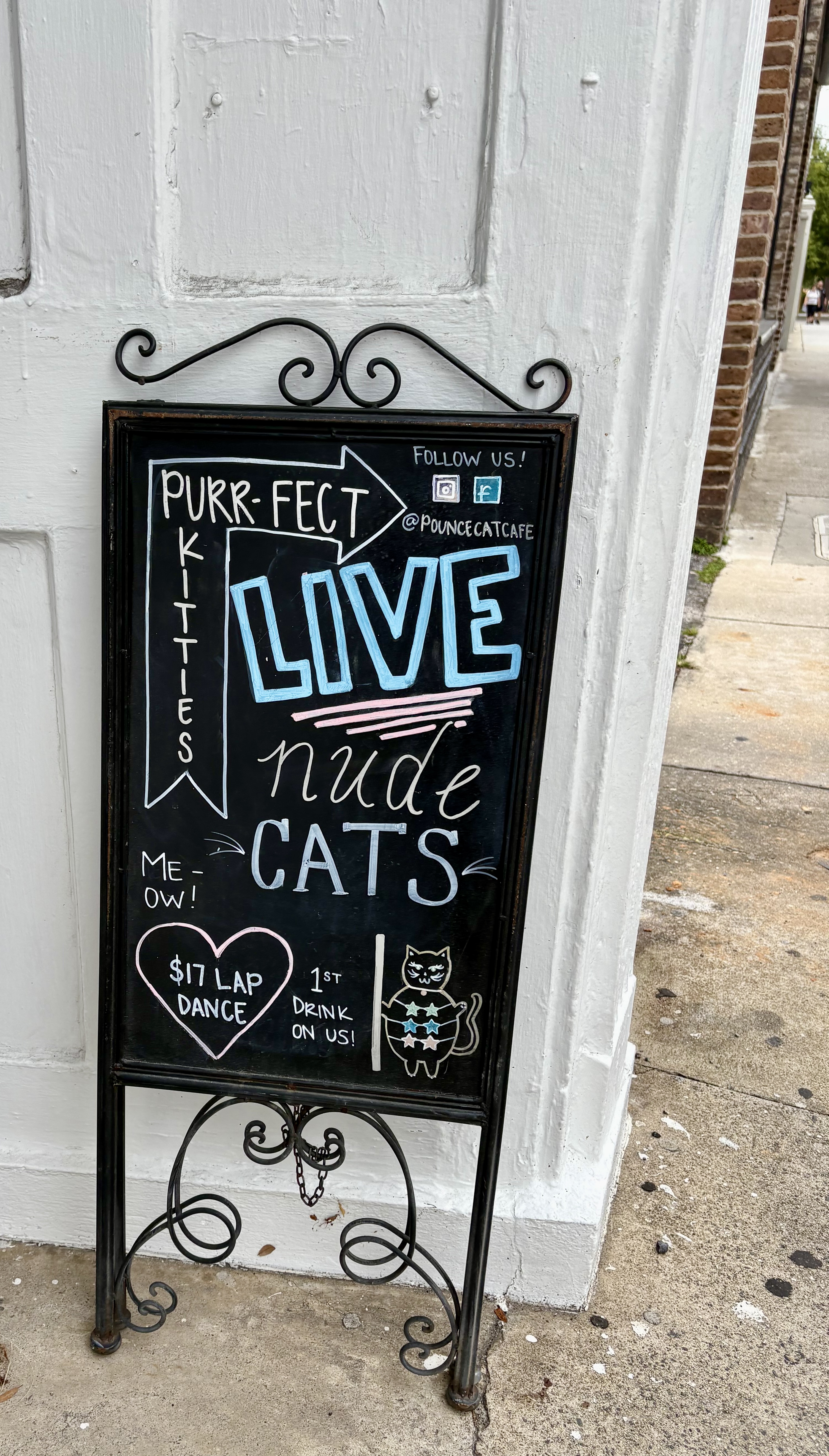
a sign from the rescue cats at the cat cafe-
cats have such a great sense of humor
—
‘common sense and a sense of humor are the same thing, moving at different speeds.
a sense of humor is just common sense, dancing.’
-clive james
—
charleston, south. carolina, usa
october 2025
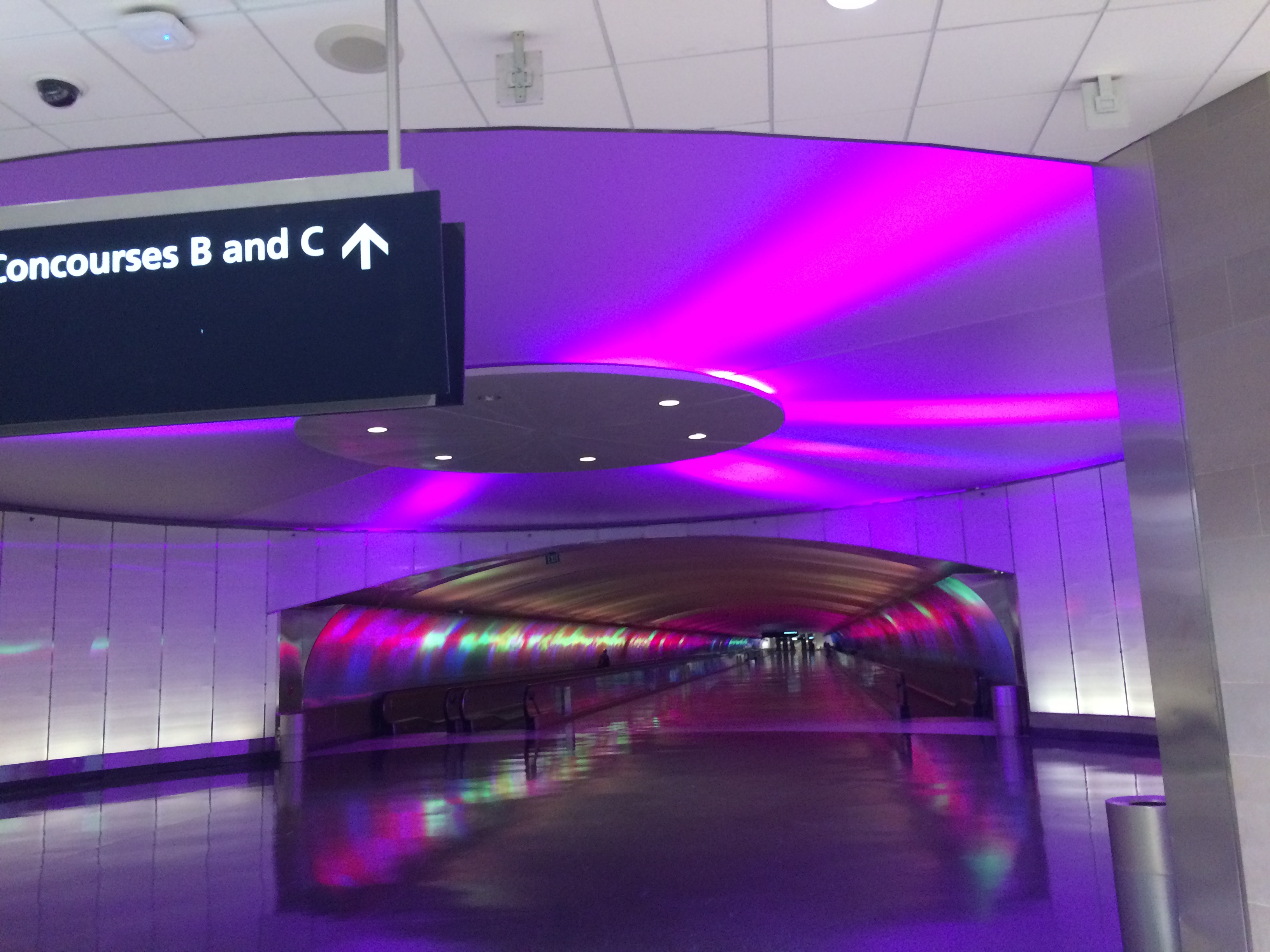
once again I found myself in the magical portal at the airport
I always forget
this secret-ish place
exists on a lower level
at the airport
connecting one concourse to another
you have to enter it occasionally
depending on where your gate is
you go down the escalator
leaving the hustle and bustle behind
then you’re
suddenly thrust into a very different kind of space
colorful psychedelic wavy walls softly glow
as you glide through on a moving sidewalk
soft ambient new age-y calming music
wraps all around you
until you arrive
at your destination
on the other side
it’s kind of mind-blowing
I can’t imagine the different reactions
different kinds of people must have
but I know I am always surprised anew
when I find myself there
sometimes you’ll meet someone
who brings it up
in the outside world
have you ever been…?
do you know about…?
it’s like you’re part of a secret club
hiding in plain sight.
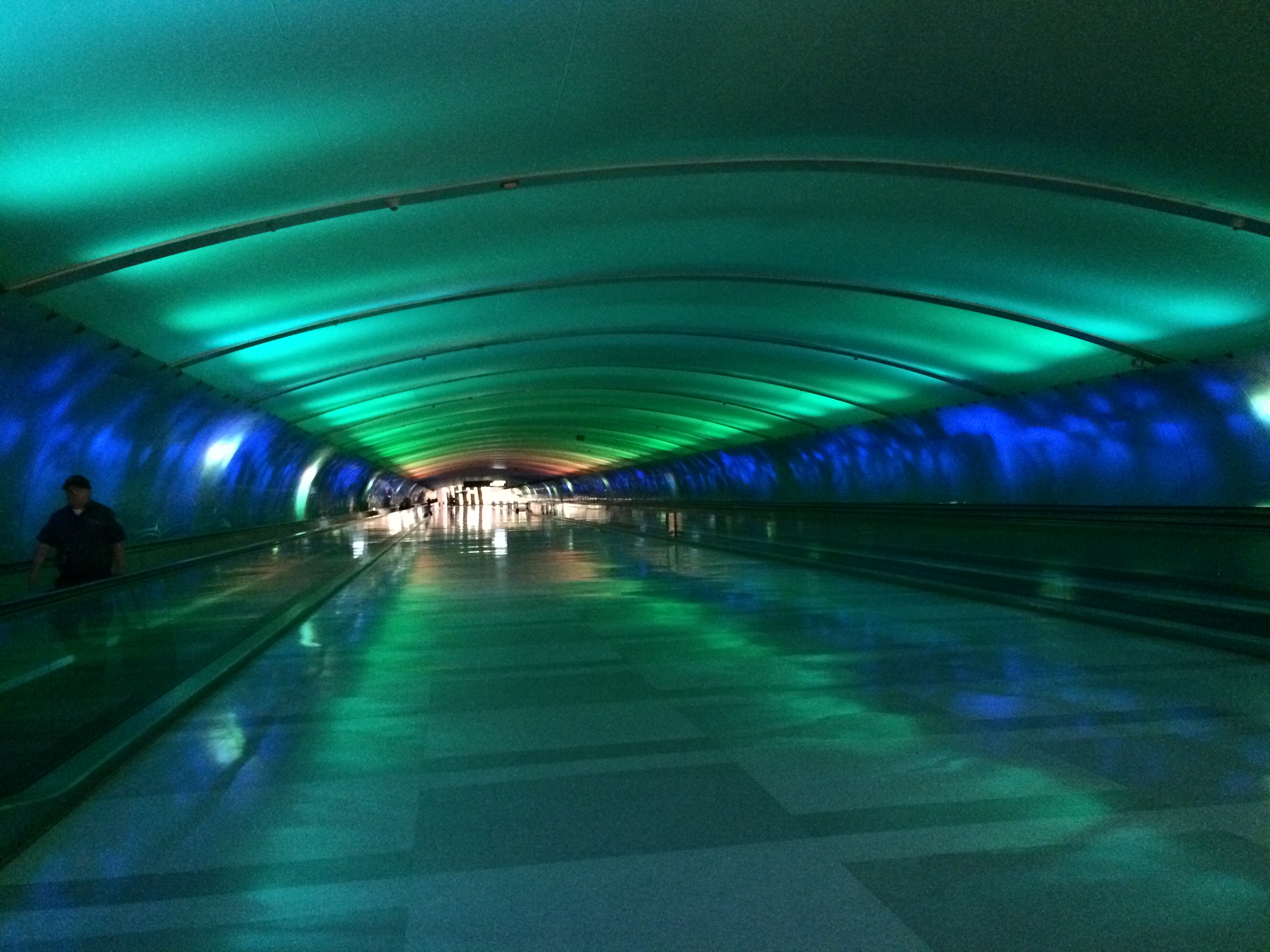
” Airports exist in a strange, liminal space where time feels unreal. You could spend anywhere from one hour to three days there, and life just pauses. It’s a universal place of transit, yet untethered to any real “place.” “With a little imagination, airports become magical portals to distant lands. Sure, maybe you have a ticket to one specific place, but in reality, you could go anywhere. Infinite connections, endless possibilities — just a gate away. Foreign, yet familiar. Transient, yet grounding. Impersonal, yet deeply human. Static, yet always in motion. Liminal. Universal.” – clarissa tan, yale news

In Navajo (Diné) culture, laughter is considered a powerful symbol of connection. The moment a baby laughs for the first time, it is believed they are choosing to join the human community. Until then, the baby is viewed as still being in transition between the spiritual and physical worlds.
—
source credits: unity, navajo traditions
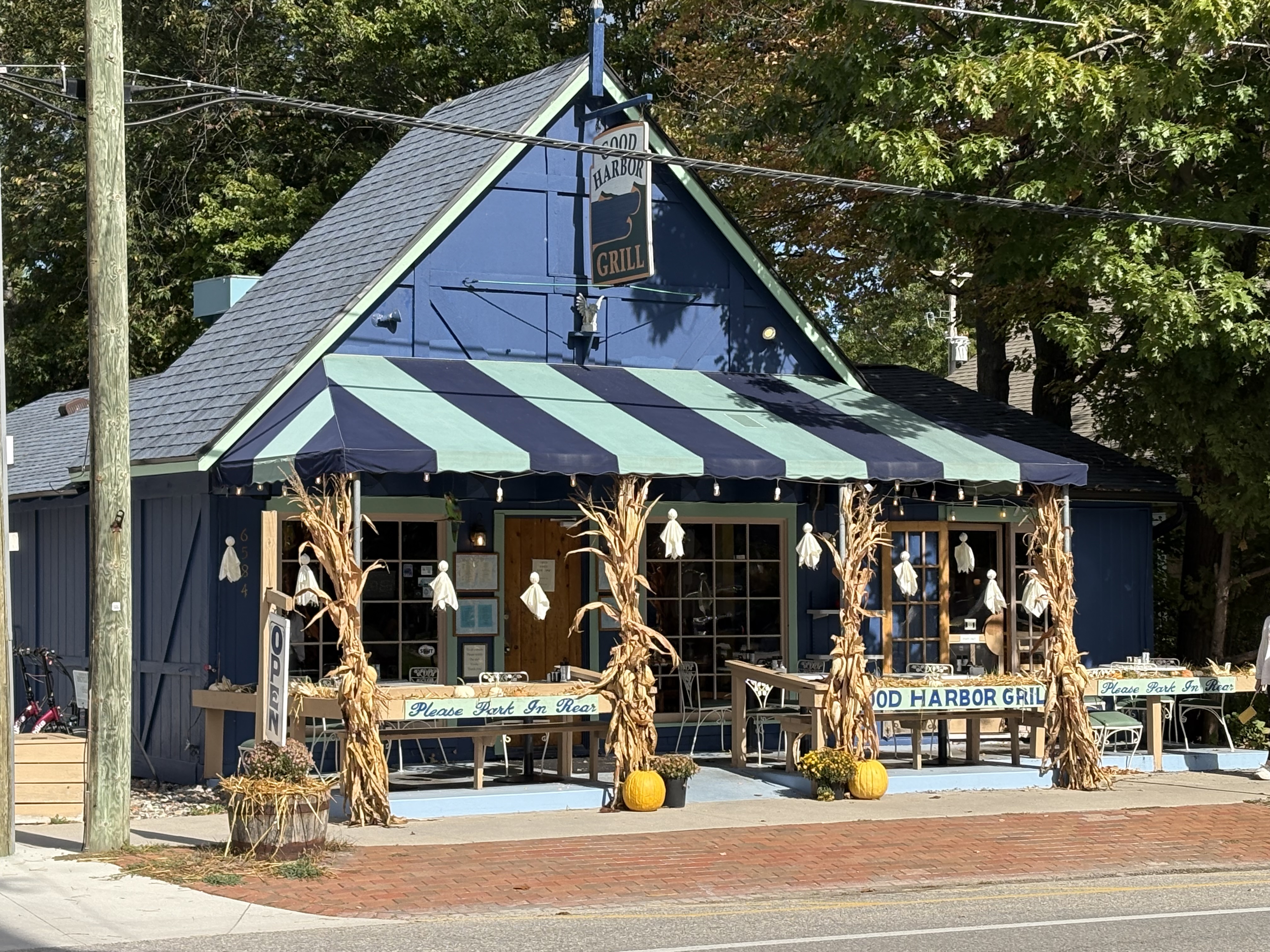
good harbor grill

good help wanted
—
‘whatever you are, be a good one.’
-william makepeace thackeray
—
glen arbor, michigan, usa, October 20
 I didn't have my glasses on....