
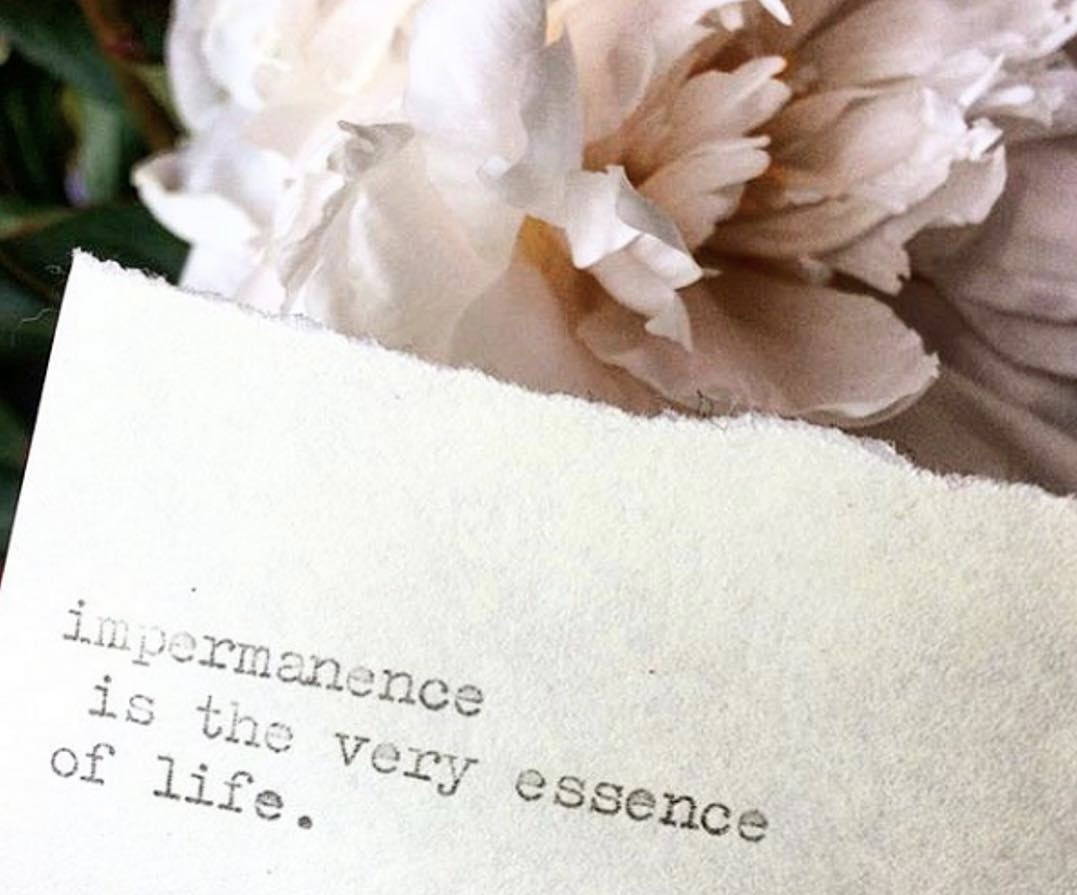
as we share
our stories, our rituals, our celebrations, our food, our connections
we are reminded
as we feel
our songs, our fears, our joys, our tears
we are reminded
as we say
our final goodbyes to c.
we are reminded
—
—
image credit: elephant journal

owlet
—
Gigil (Tagalog):
The urge to pinch or squeeze something that is unbearably cute.
Prononciation: Ghee-gill
—
image credit: huffington post

Under the harvest moon,
When the soft silver
Drips shimmering
Over the garden nights,
Death, the gray mocker,
Comes and whispers to you
As a beautiful friend
Who remembers.
Under the summer roses
When the flagrant crimson
Lurks in the dusk
Of the wild red leaves,
Love, with little hands,
Comes and touches you
With a thousand memories,
And asks you
Beautiful, unanswerable questions.
-carl sandburg
—
for C, you will be missed by so many.
—
image credit: cm
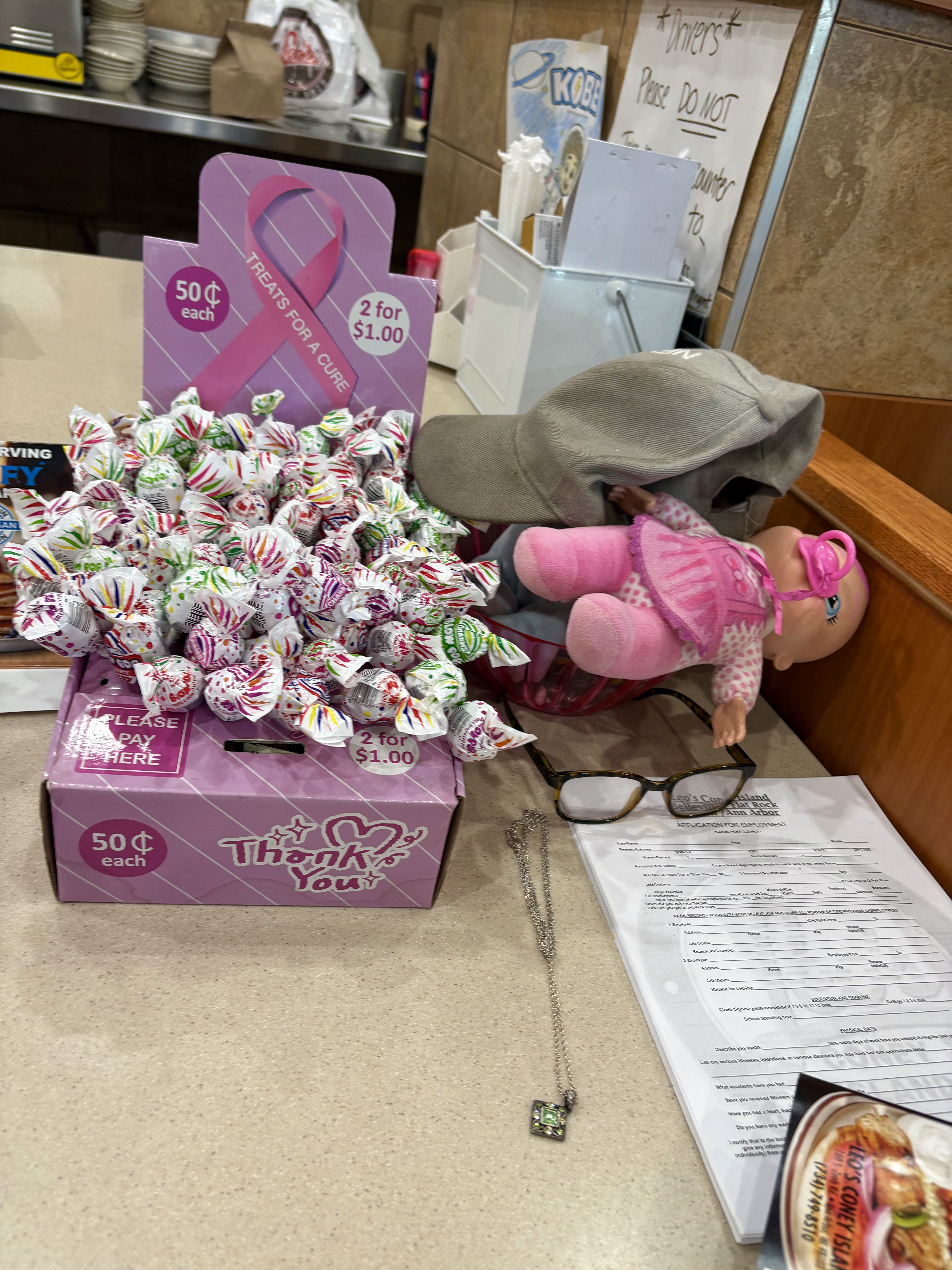
lollipops, necklace, menu, glasses, application, hat, baby doll
all in one little corner
tiny bits of life
come and go
left behind
still waiting
still life?
—
‘… life, by definition, is never still.’
-kurt vonnegut
—
leo’s, ann arbor, mi, usa – late summer 2026

after a day of remembering and honoring
those who were
lost, helped, survived, changed forever
a calming evening walk in the park
brought soft pastel skies
trees full of life
if you look very closely
you’ll see
a survival flight helicopter
where every minute matters
on it’s way
to rescue
move someone
pick up or deliver something
that will save a life
when i hear one or see one
in the sky above me
i know they literally
hold lives in their hands
the weight of this
heavy
yet fragile
hope is in the air.
—
‘part of my life is saving life.’
-dith pran
*Dith Pran (1942-2008) was a Cambodian-American photojournalist for the New York Times. He was a refugee and survivor of the Cambodian genocide and one of the subjects of the Academy Award – winning film ‘The Killing Fields,’ in which he was portrayed by Haing S. Ngor, a fellow survivor.
*Frederick Buechner (1926-2022) was an American writer and theologian. The author of thirty-nine published books, he has been and continues to be an important source of inspiration and learning for many readers, writers, preachers, and theologians. His work encompasses multiple genres, including fiction, autobiography, essays, sermons, and other nonfiction. Buechner’s books have been translated into twenty-seven languages for publication around the world.
—
beckley park, ann arbor, michigan, usa – late summer 2026

“Now the night I graduated from Sevier County High School, back in 1964, we were all asked to stand up and talk about what we were going to do with the rest of our lives. And everybody had a different story. And when it came my time I stood right up there. I said I’m going to Nashville and I’m going to be a star. Well the whole place laughed out loud. And I was so embarrassed, cause I thought, ‘How odd. Why is everybody laughing? ‘Cause that is what I’m going to do.’ But as bad as I felt at that moment and as embarrassed as I was, it did not shake me from my dreams. So I guess I showed them, huh?”
– From her 2009 University of Tennessee, Knoxville commencement speech
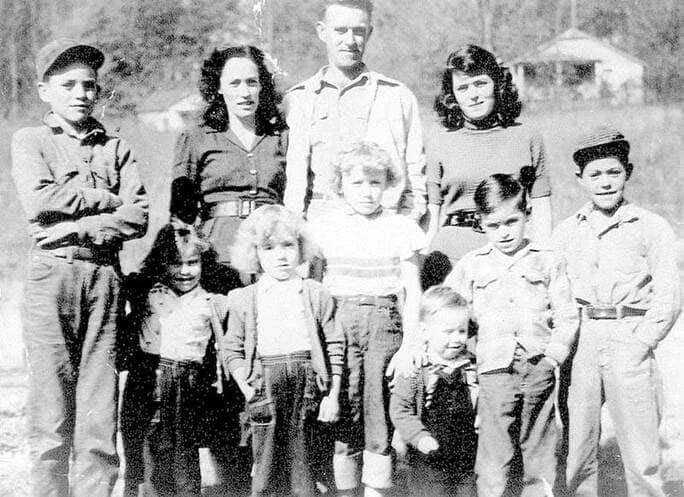
Dolly Parton, 8 years old (tallest, front center) with her family

National Lazy Day (yes, it’s real), arrives every August 10, offering a much-needed pause from our always-on world. This is your official permission to ditch responsibilities, ignore chores, avoid work, and fully embrace the art of relaxation. So, kick back, put your feet up, and savor a day of blissful inactivity. Feel free to celebrate! I’ve provided a list of helpful vocabulary to throw around when discussing the holiday with those who might need a greater understanding of the concept. (Both home and work options below.) Pro Tip: If you have already begun your celebration, you can always wait to read this post until tomorrow.
Fancy words for lazy:
Indolent: Avoiding work because you prefer a state of comfort.
Languid: Moving in a slow, peaceful, and unhurried way.
Torpid: Being very slow and inactive, like an animal sleeping.
Oscitant: Drowsy and yawning, showing a highbrow form of inattentiveness.
-Merriam-Webster
British words for lazy:
Layabout: An idle, lazy person who avoids physical or mental exhaustion or to try to get a job.
Skiver: Someone who avoids work or dodges their duties by trickery or playing hooky.
Work-shy: An adjective and noun style term used for someone who actively avoids doing any form of work.
-Cambridge
Traditional Slang and Nouns for Lazy:
Slacker: Someone who avoids work and effort.
Couch Potato: A person who spends a lot of time sitting or lying down, watching TV.
Lazybones: A harmless, old-fashioned name for a lazy person.
Goldbrick: Someone who shirks duty or pretends to work.
Workplace Nicknames for Lazy:
KitKat: Used for someone who is always taking a break.
Sensor Light (or Motion Light): Describes a person who only starts working when someone in authority walks past.
Wheelbarrow: Someone who only moves or works when they are pushed.
E.T.: Refers to someone whose main goal all day is trying to “go home”.
Seaweed: Used for a worker who just floats around the office all day doing nothing.
Cordless: Describes someone who works unplugged or only functions for a couple of hours before dying out.
#1 Laziest Animal in the world: Pygmy Blue Tongue Lizard
Pygmy blue tongue lizards don’t enjoy interacting with the rest of the world, and they’re hyper-cautious about predation. The skittish pygmy blue tongues spend their lives hanging out in spider caves and don’t leave unless forced. For sustenance, they sit with their mouths open and wait for food to fall in. The same goes for water; they rely on raindrops landing on their tongues.
—
‘doing nothing is very hard. you never know when you are finished.’
-leslie nielsen, american actor
—
image credit: malta rabbit club

the bike has moved into the garden
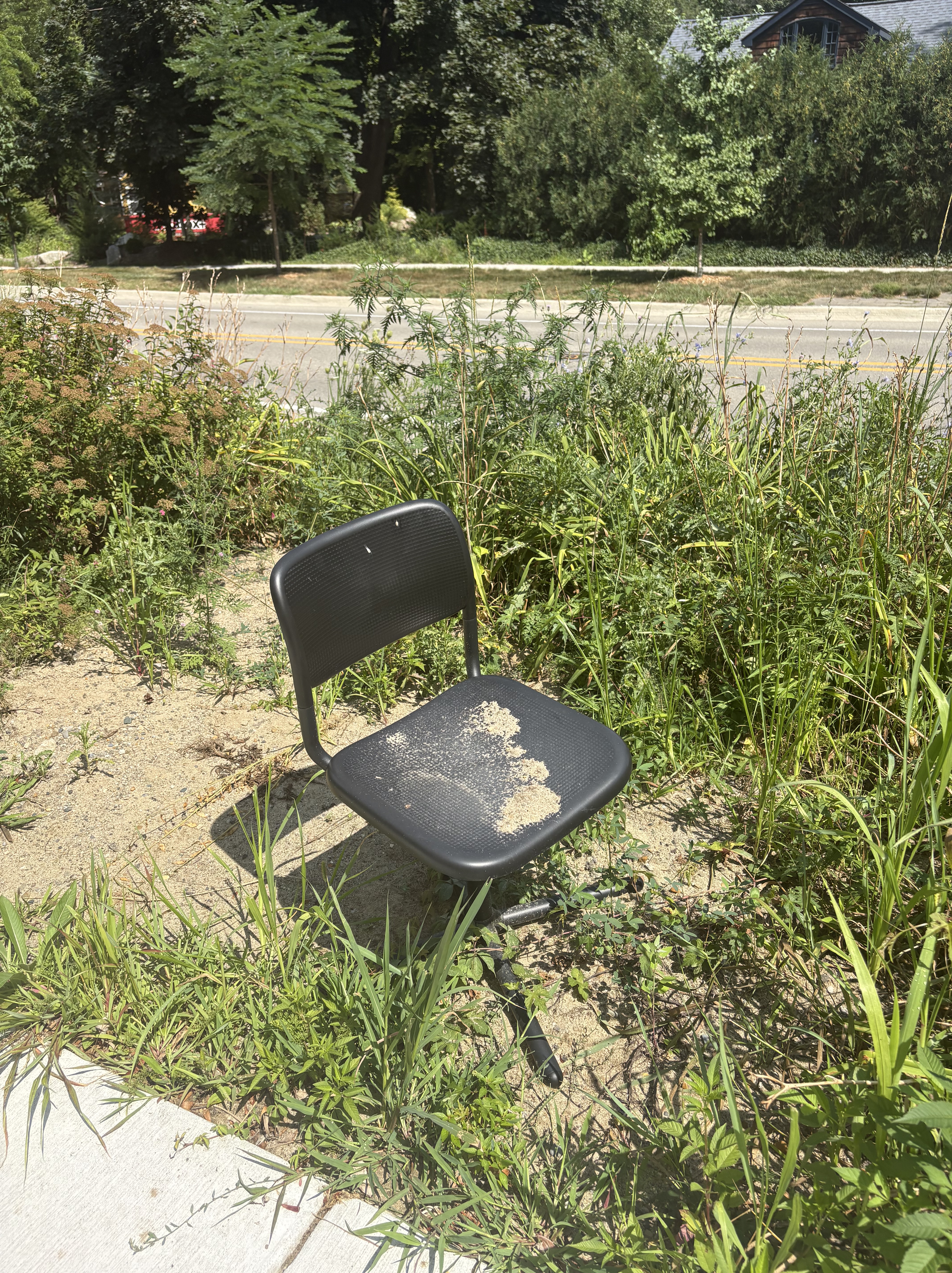
the chair has moved to the side of the road

the dinosaur has moved to the patio
watching over the solar power
—
what do a bike, a chair, and a dinosaur have in common?
they are all objects found along the way
on an afternoon walk
that seemed to want to stay
none of them are far from home.
—
‘curiosity is natural to the soul of man
and interesting objects have a powerful influence on our affections.’
-daniel boone
*Daniel Boone ( 1734 – 1820) was an American pioneer and frontiersman whose exploits made him one of the first folk heroes of the United States. He became famous for his exploration and settlement of Kentucky, which was then beyond the western border of the Thirteen Colonies.

short and sweet meet at the park.
—
‘life is short, and it is up to you to make it sweet.’
*sarah louise delany
Sarah Louise “Sadie” Delany (1889–1999) was an American educator, civil rights pioneer, and best selling author. She became famous at age 103 alongside her sister Bessie after publishing their life story.
Earned a bachelor’s and master’s degree in education from Columbia University’s Teachers College.
Fought against racial bias and segregation in daily life and her profession.
Co-authored the hit memoir Having Our Say: The Delany Sisters’ First 100 Years in 1993 with Amy Hill Hearth.
The book inspired a hit Broadway play and a television film.
Lived to the age of 109, sharing wisdom from a century of American history.

