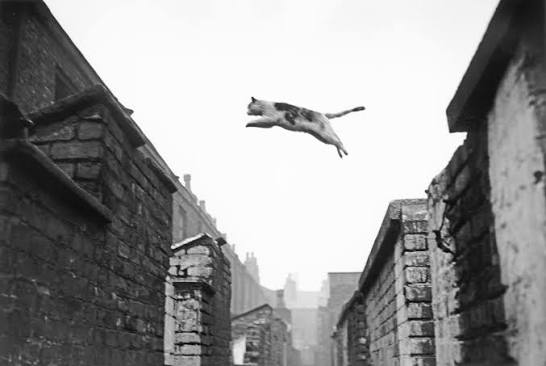
glad that no one was counting on me
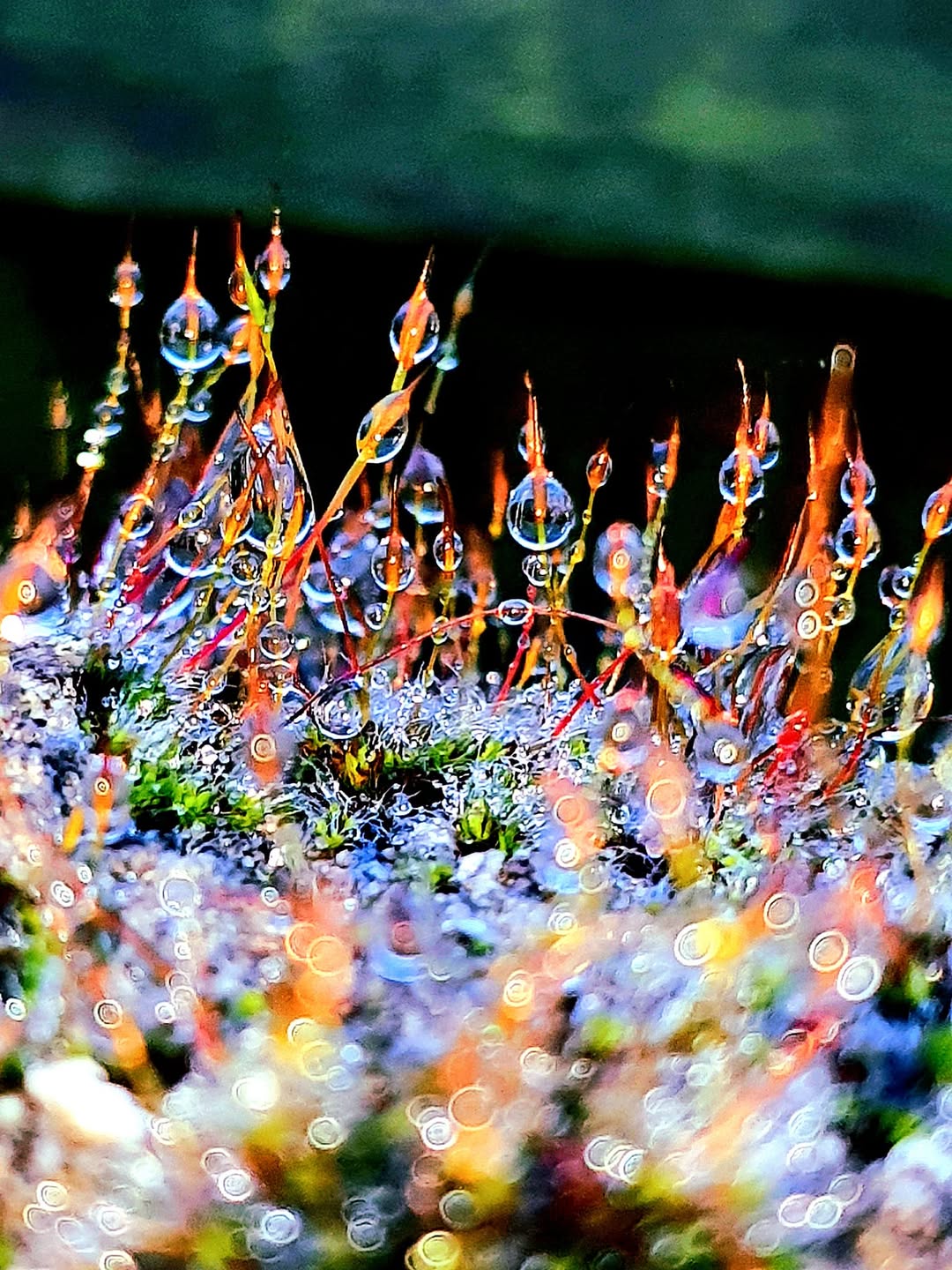
to be the only photographer at the graduation party
here are two of my shots documenting the fun occasion
i’d classify them as ‘artsy’
‘i came to photography by accident. ‘
– eve arnold
glad that no one was counting on me
to be the only photographer at the graduation party
here are two of my shots documenting the fun occasion
i’d classify them as ‘artsy’
‘i came to photography by accident. ‘
– eve arnold
fresh offerings at the Ann Arbor farmer’s market
on world photography day
—
“taking pictures is savoring life intensely, every hundredth of a second.”
― marc riboud
Marc Riboud (1923 – 2016) was active in the French resistance as a young man during World War II, later studied engineering, and became a French photographer, best known for his extensive reports on the Far East.
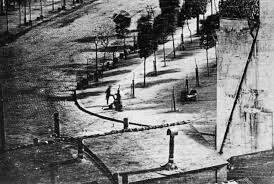
The first candid photograph of a person was taken in 1838.
Before the 19th century, photography did not exist, so people who wanted a lasting image of their home, their family, or themselves had to have one painted, sculpted, or drawn. In the early 1800s, inventors in France and England were at the center of the effort to create photographic representations of objects and people. In France, Joseph Nicéphore Niépce stunned the world in 1827 when he released what is believed to be the first photograph ever taken, titled “View from the Window at Le Gras.” Niépce rendered the image using a camera obscura combined with a light-sensitive metal plate, a process he called heliography. Despite its success, the heliograph required several days of exposure to capture the scene, eliminating the opportunity to photograph any people who may have been on the street
In 1829, Niépce met artist and printmaker Louis-Jacques-Mandé Daguerre. Each man was familiar with the other’s work. Niépce admired Daguerre’s rotating diorama that had captivated Parisian audiences in 1822. Daguerre, like Niépce, saw the potential of improving upon the camera obscura to create clear and permanent images. They entered into a business partnership that resulted in the creation of the daguerreotype, an innovative photographic process that required only four to five minutes of exposure. The quicker shutter speed allowed Daguerre’s camera to capture an image never seen before: a photo of a human being. In 1838, he debuted a daguerreotype of a street scene on the Boulevard du Temple in Paris. In the lower left corner of the photo we can see a man having his shoes shined; remaining stationary allowed him to be included in the photo, something that would have been impossible using the multiple-day exposure that heliographs required. This anonymous stranger on Boulevard du Temple was not simply the subject of the world’s first candid photograph— he’s also believed to be the first human being ever photographed.
—
“photography takes an instant out of time, altering life by holding it still.”
– dorothea lange
—
source credit: historyfacts
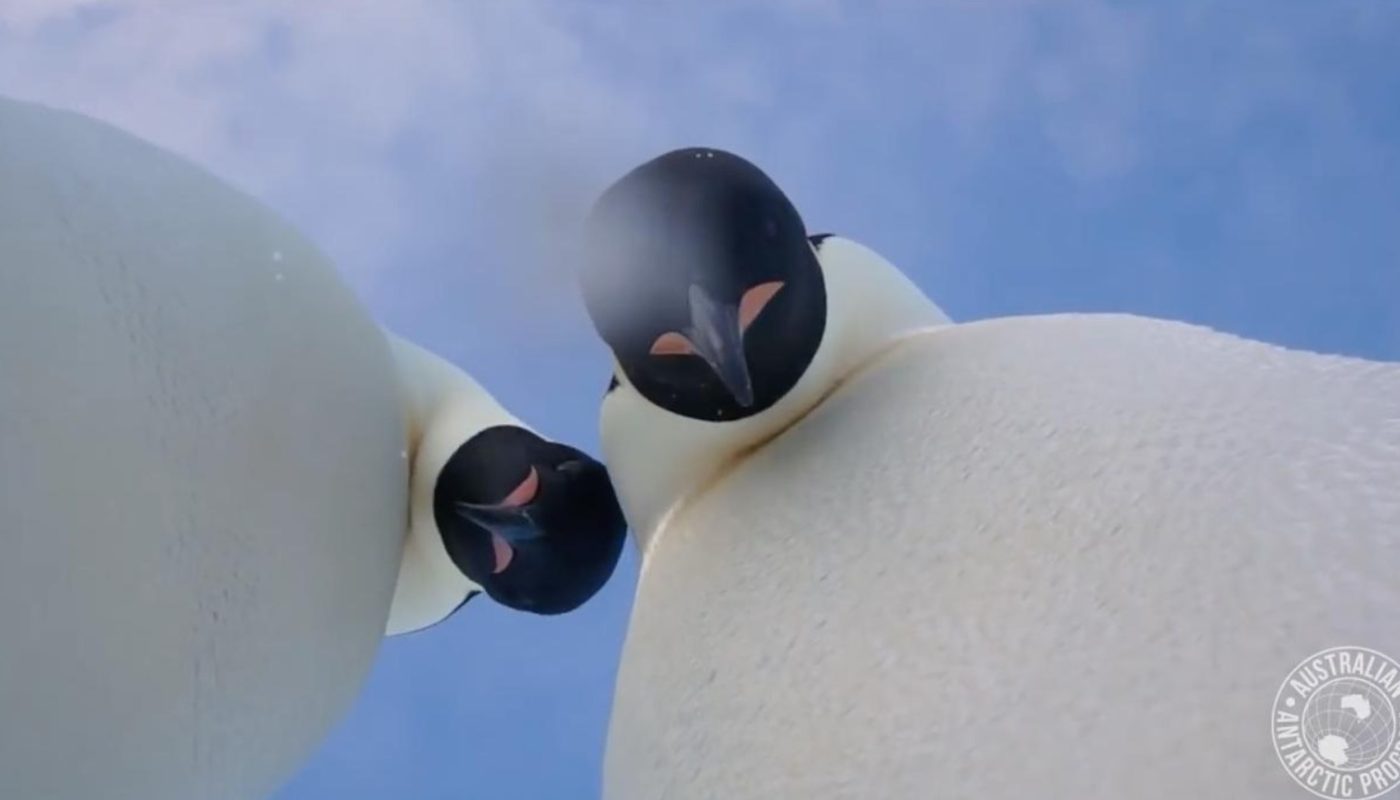
Penguins Accidentally Took Selfie After They Found a Cam In Antarctica
(Everyone has the one friend who LOVES to take selfies)
Expeditions to Antarctica are constantly filled with surprises. Australian Eddie Gault went on an expedition there along with his cam to take photos of penguin colonies. Out of the fascinating photos he took, he also ended up having a photo of penguins taking a selfie.
While there, Gault visited Auster Rookery to record a group of Emperor penguins, leaving his camera near them to record their daily lives. After he left it, the penguins came close to the cam, one knocked it over and accidentally took a selfie along with other penguins.
Emperor penguins are the biggest penguin types on the planet, have an average height of 45 inches and can live to be 20 years old. Emperor penguins live in colonies and their breeding period is in Winter, when female penguins lay their eggs and leave them in the care of the male penguins.
“a penguin cannot become a giraffe, so just be the best penguin you can be.”
– gary vaynerchuk
—
credits: Australian Antarctic Program, Auster Rookery, The Guardian
attending the annual ann arbor art fair
i had great luck and the honor of meeting
photographer/human rights advocate, jim spillane.
i happened by his stall
drawn in by the beauty and subjects of his photographs
especially taken with his pictures of children
after much thought
finally decided on one
a young tibetan child
tiny hands held together in hello.
i asked jim his story
how he had come to take these stunning pictures all over the world.
once a criminal defense attorney in the gerald ford white house
representing vietnam war draft resisters seeking amnesty
he got sick, had a horrible experience
changed his life
trained with an ansel adams associate
began traveling the world
taking photographs of people
his subject is the human condition and the connections and responsibilities we have for each other.
using his pictures as a way to create interest, open discussion, communicate, call attention to a cause
he has worked taking photographs of workers at a nepalese brick factory for many years
created a photo book of the workers
to speak out and to tell their stories with his photographs
still seeking to help those in need and to be an effective advocate for them.
he is a natural artist, storyteller, teacher, advocate, and man.
—
“in recognizing the humanity of our fellow beings, we pay ourselves the highest tribute.”
-thurgood marshall, former justice of supreme court of the united states
—
link to his website: jimspillane.com
link to his book, ‘the face of bricks’: https://www.blurb.com/b/9897011-the-face-of-bricks