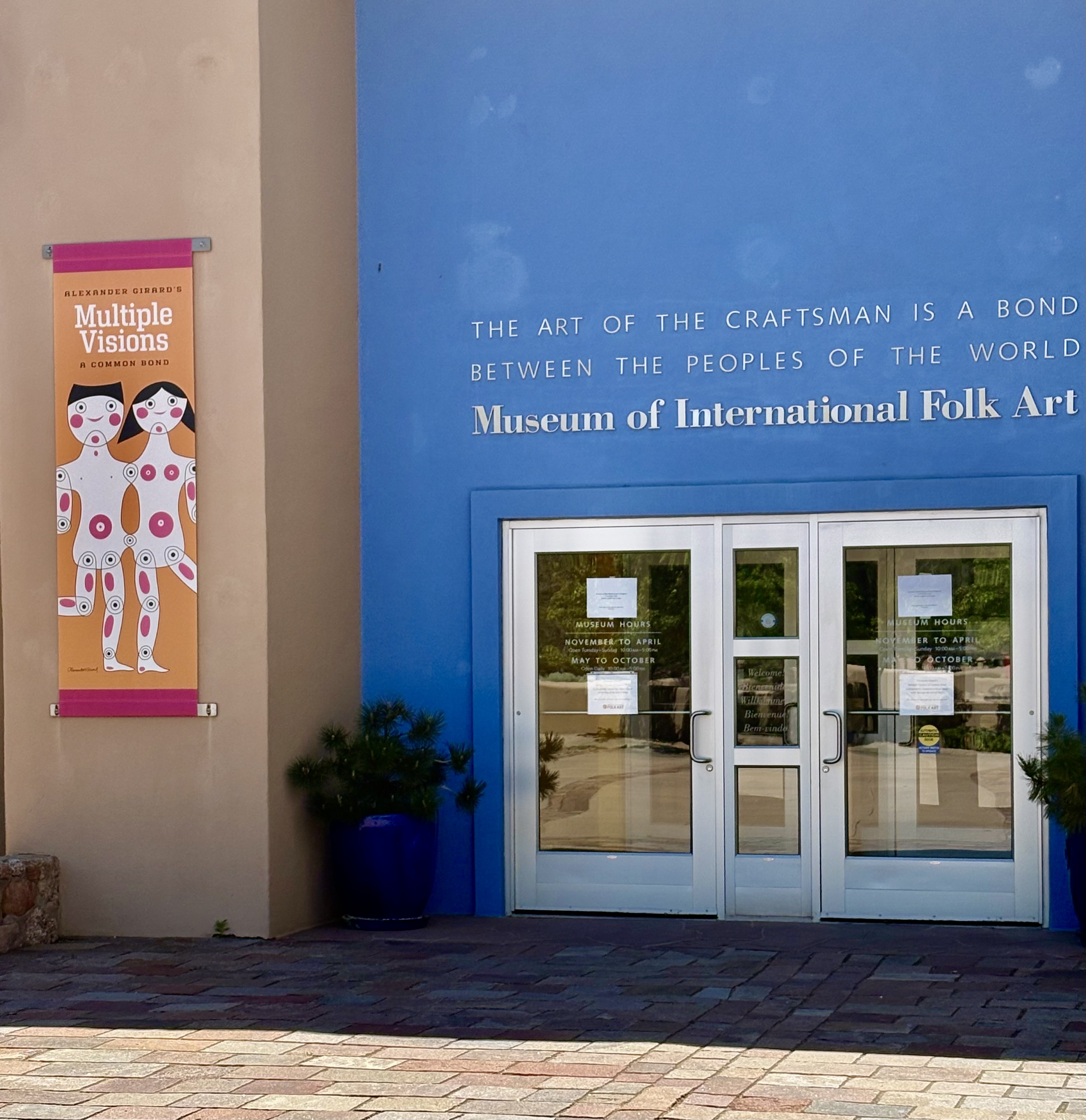
one of my favorite museums ever
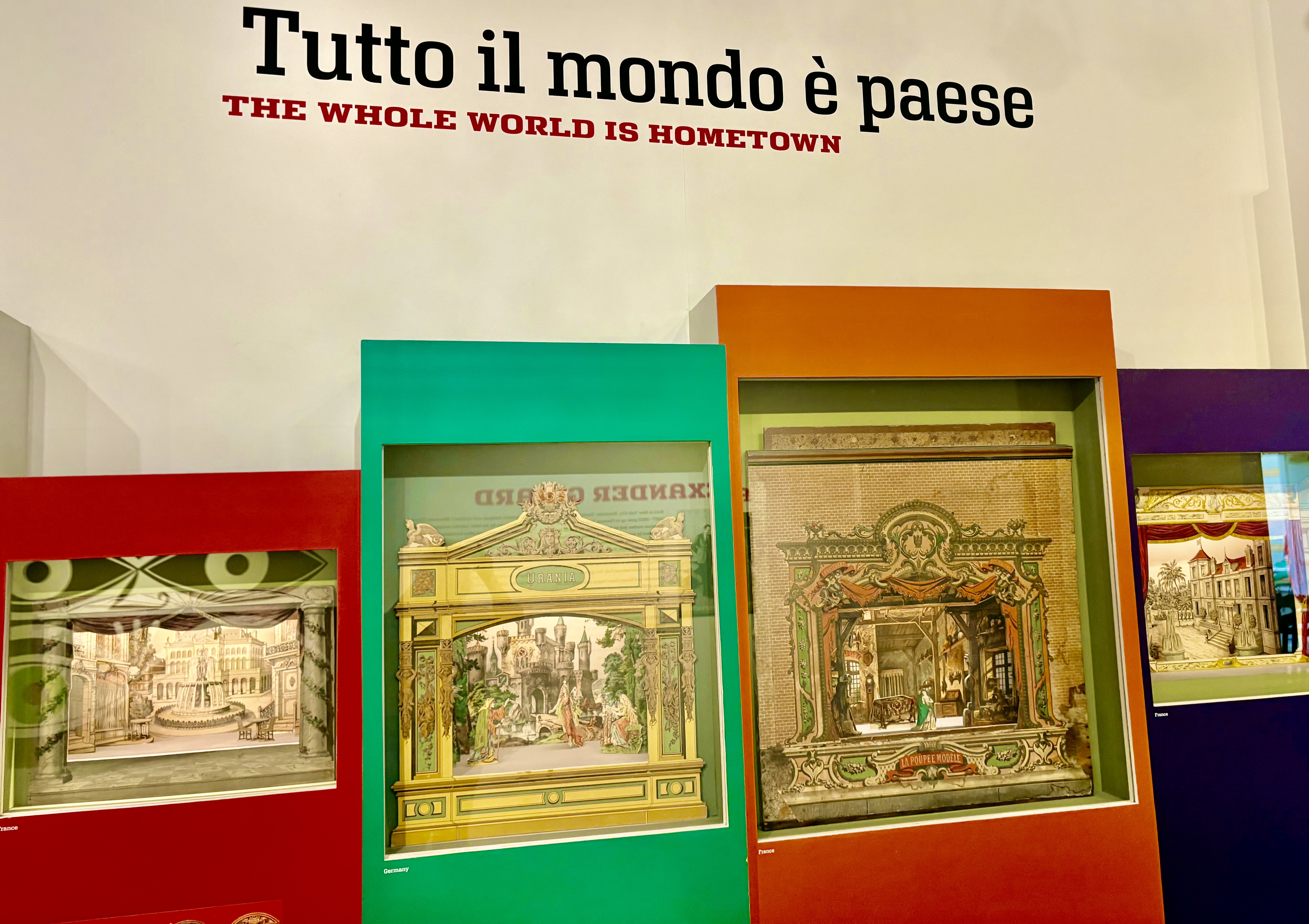
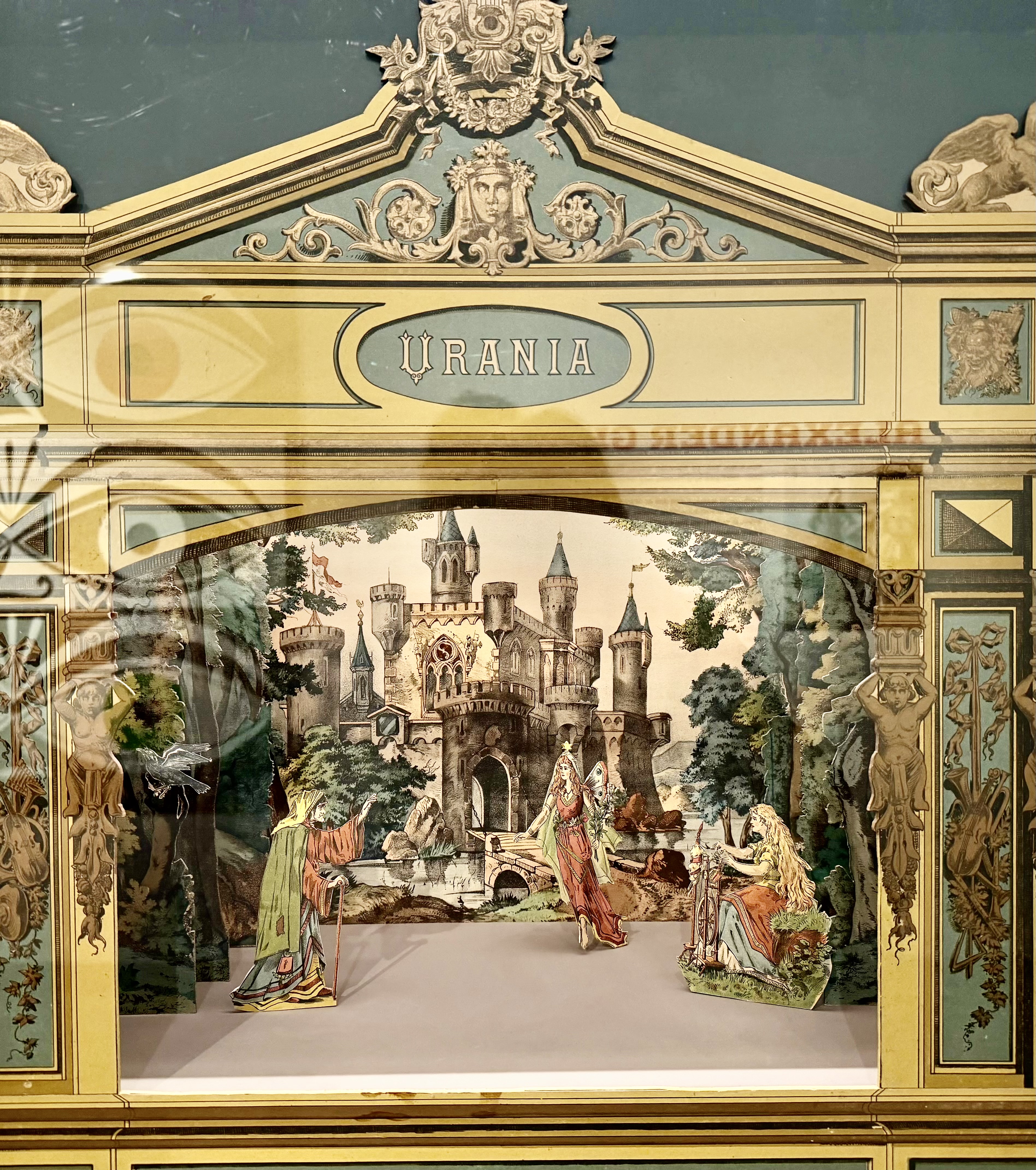
Urania Proscenium No. 11, a 19th-century German toy theater, Joseph Scholz of Mainz.
this vibrant hooked rug, crafted by artist Celso Gallegos, late 1920s or early 1930s.
he rug features a central tree form surrounded by various native animals.
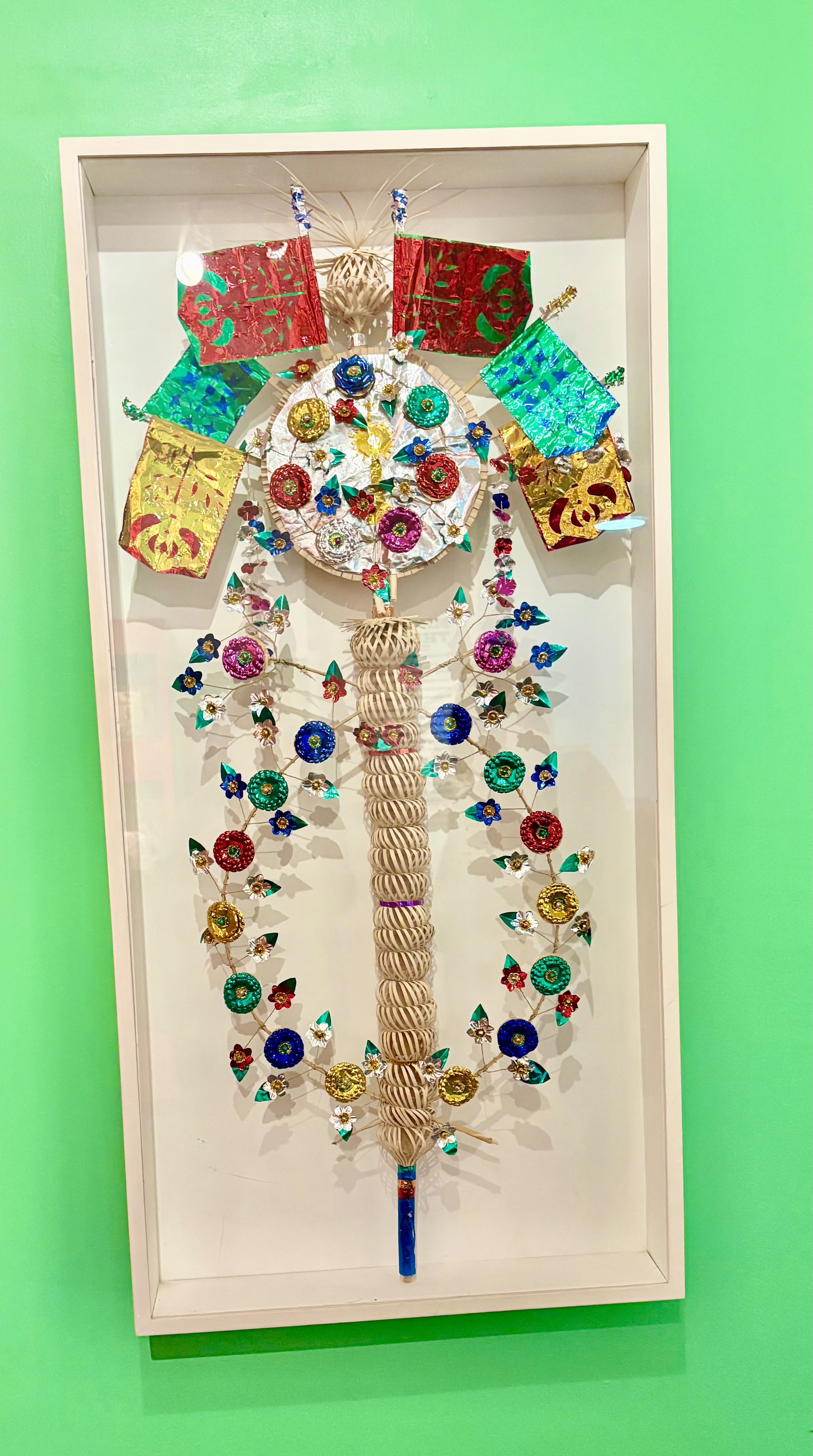 Monica Canilao, Teotilian del Vallek. Oaxaca, Mexicto, 1960
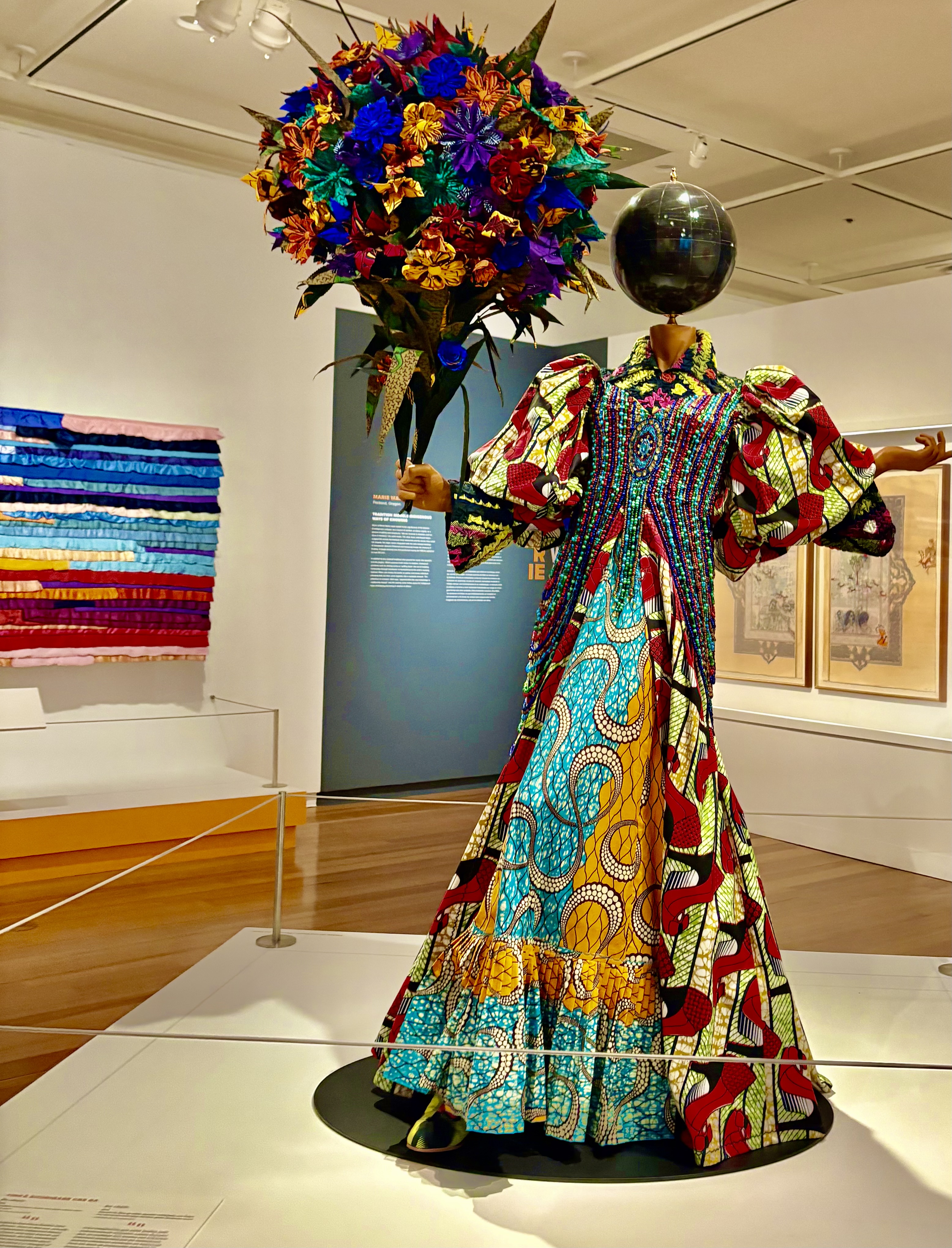
Sculpture titled “Ms. Utopia” by British-Nigerian artist Yinka Shonibare CBE,
featuring a mannequin dressed in Dutch wax cotton textile, 2013
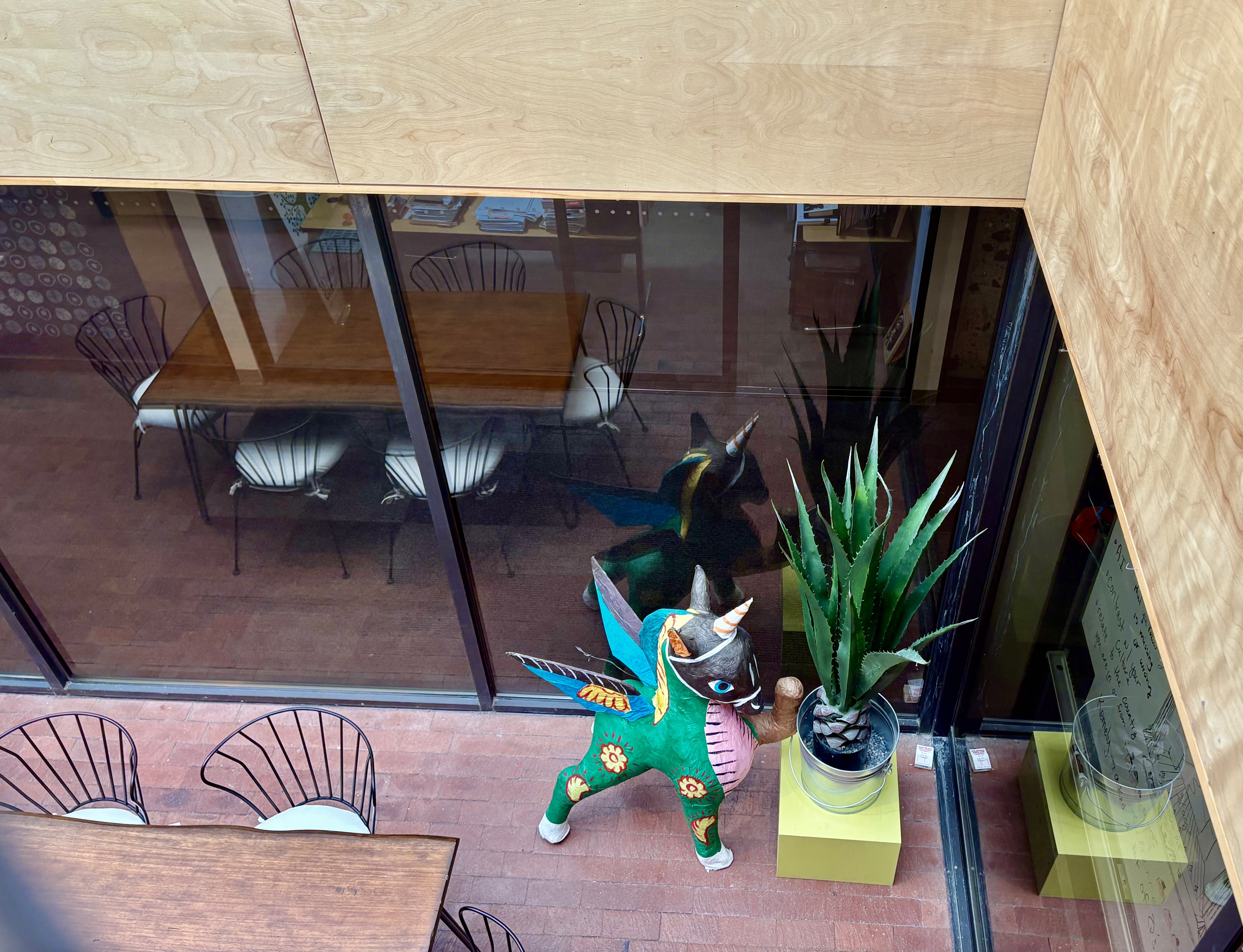
pinata near the offices, artist unknown
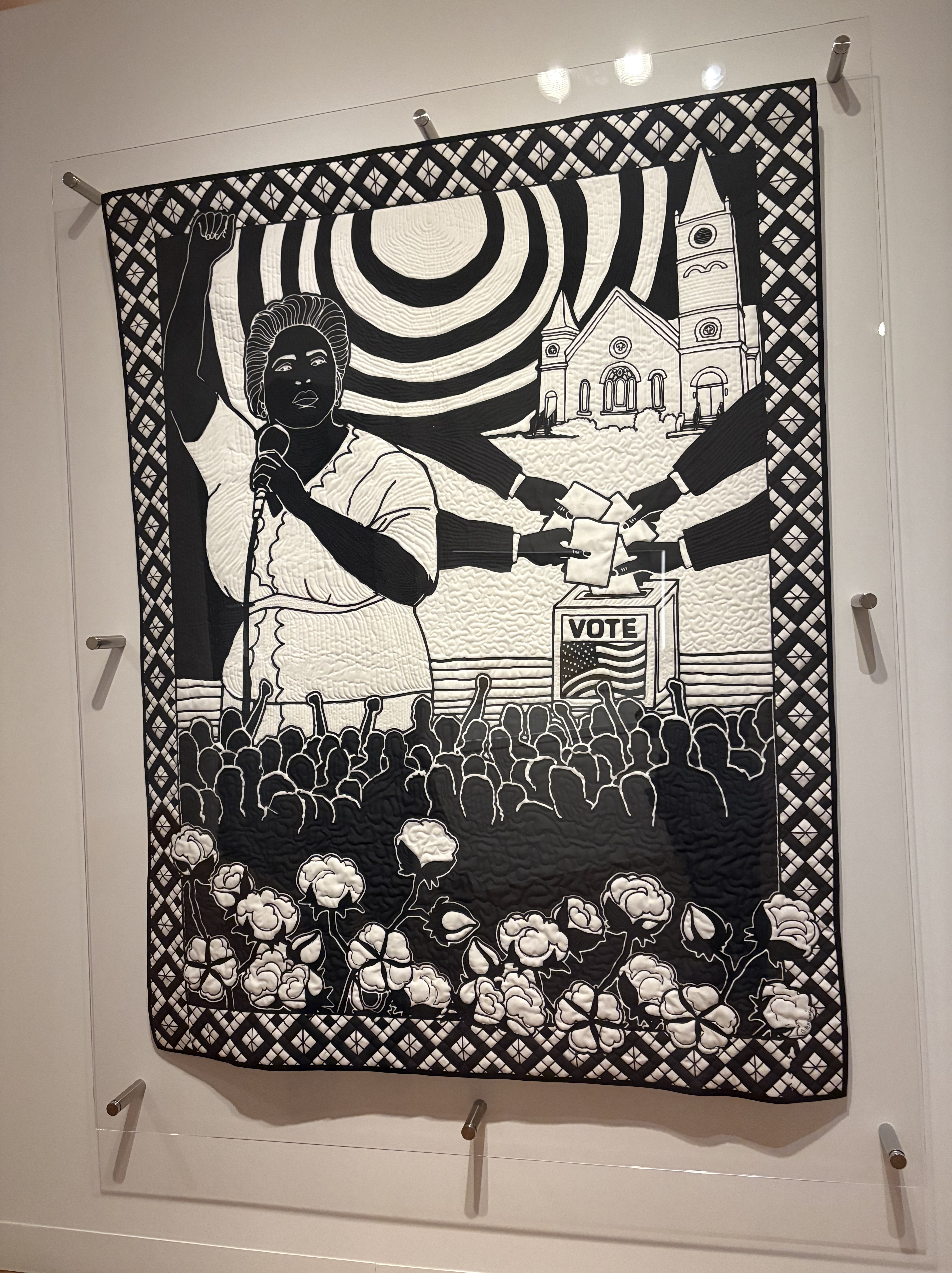
quilt titled Nobody’s Free Until Everybody’s Free: Fannie Lou Hamer (2024) by artist Dr. Carolyn Mazloomi. The quilt honors Fannie Lou Hamer, a prominent civil rights activist and community organizer who championed voting rights.
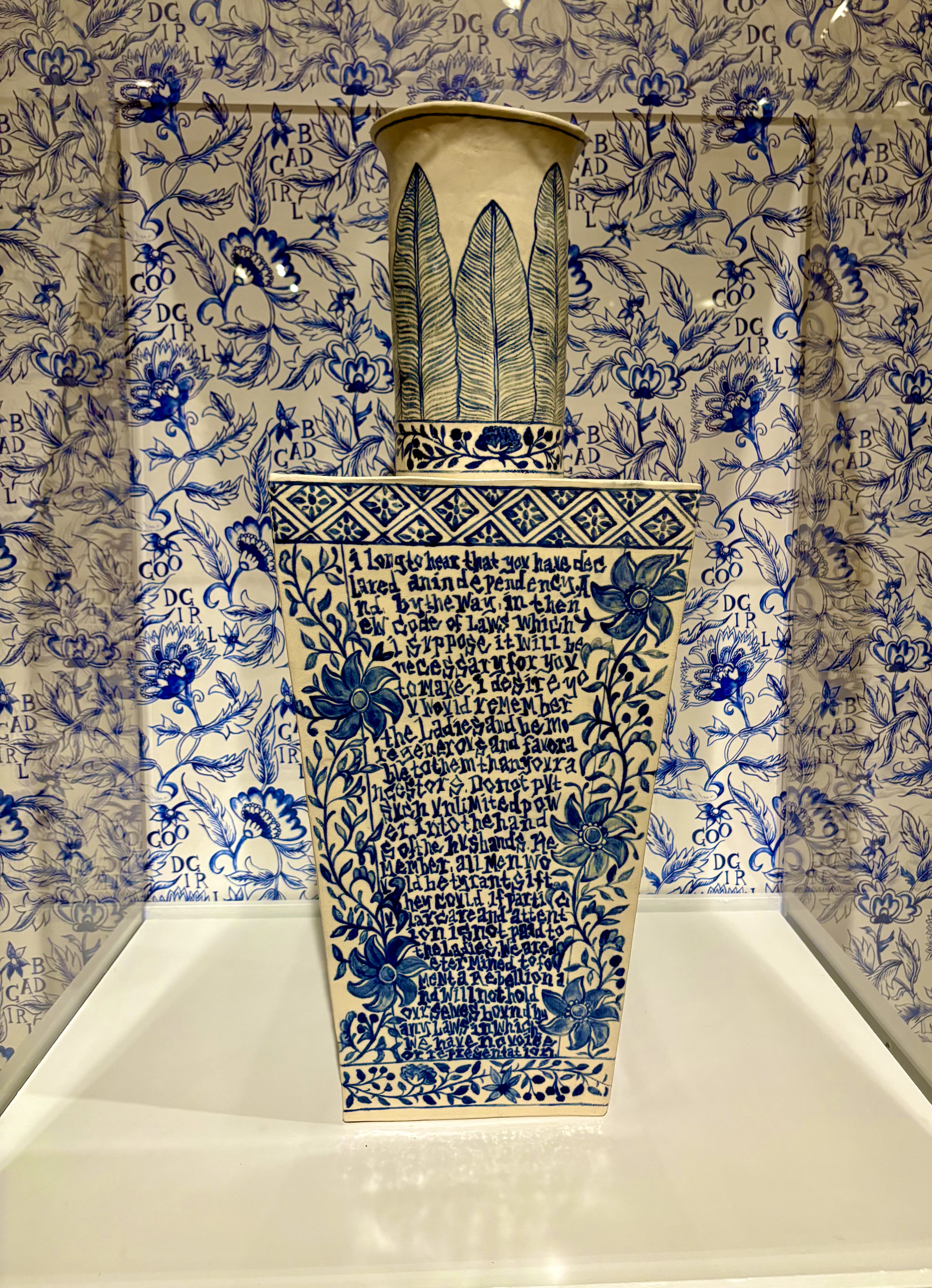
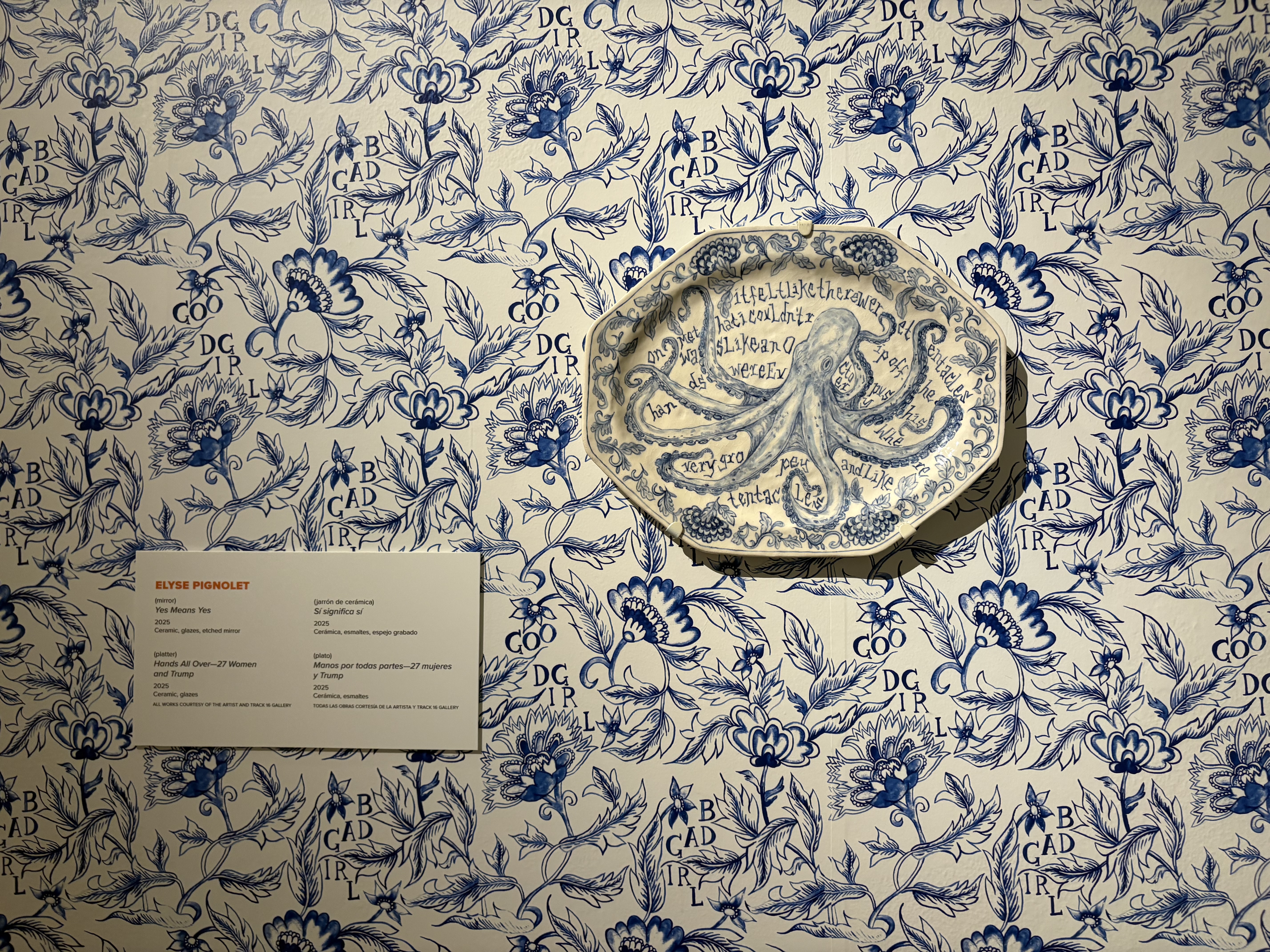
This blue and white ceramic vessel is a work by Los Angeles-based artist Elyse Pignolet, often featured in exhibitions exploring contemporary female experiences. The piece is part of a body of work that utilizes traditional ceramic techniques—specifically blue and white glaze reminiscent of historical European pottery—to subvert expectations.
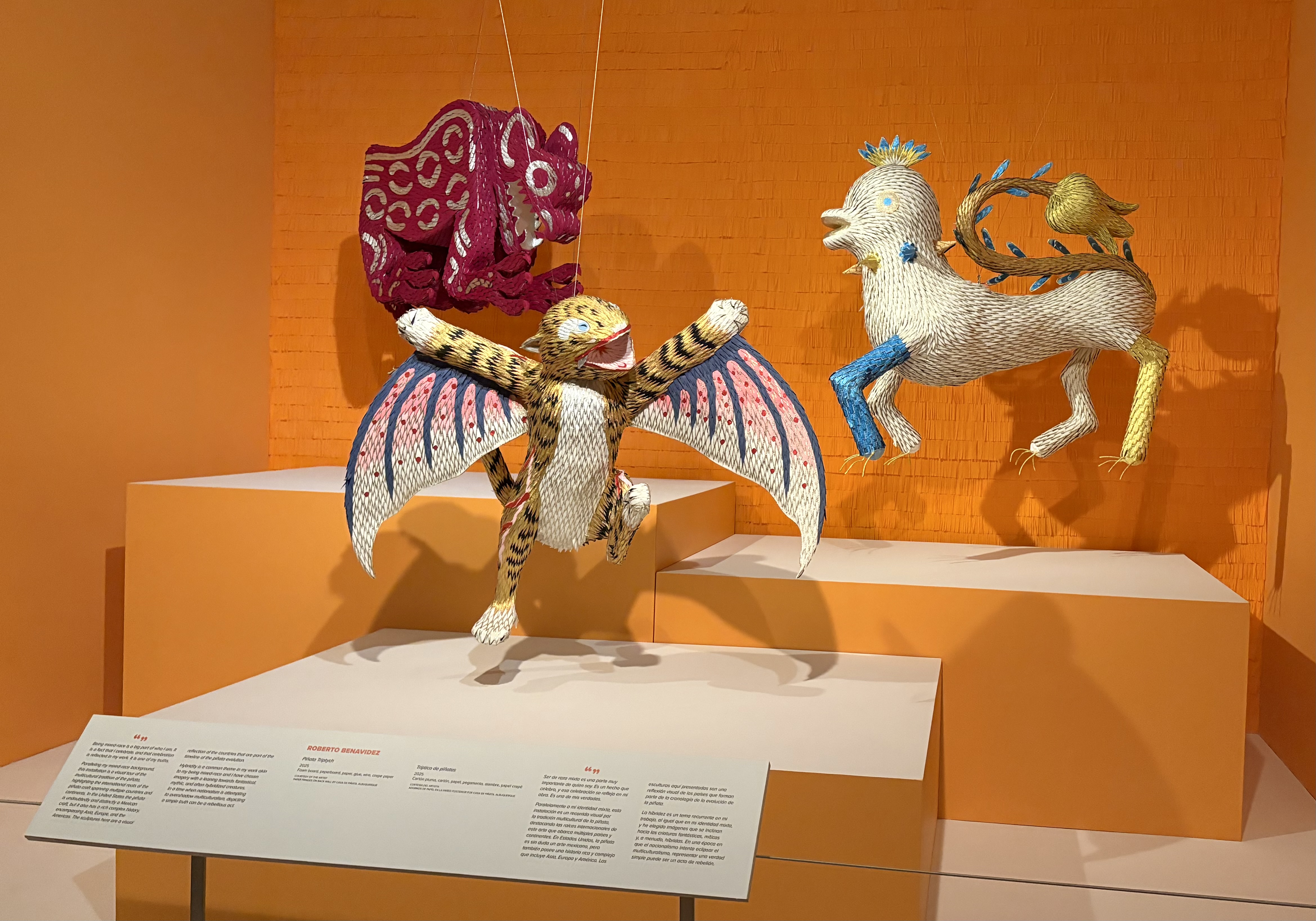 papier-mâché sculpturen created by artist Roberto Benavidez.
part of an exhibition titled “Truths Be Told”
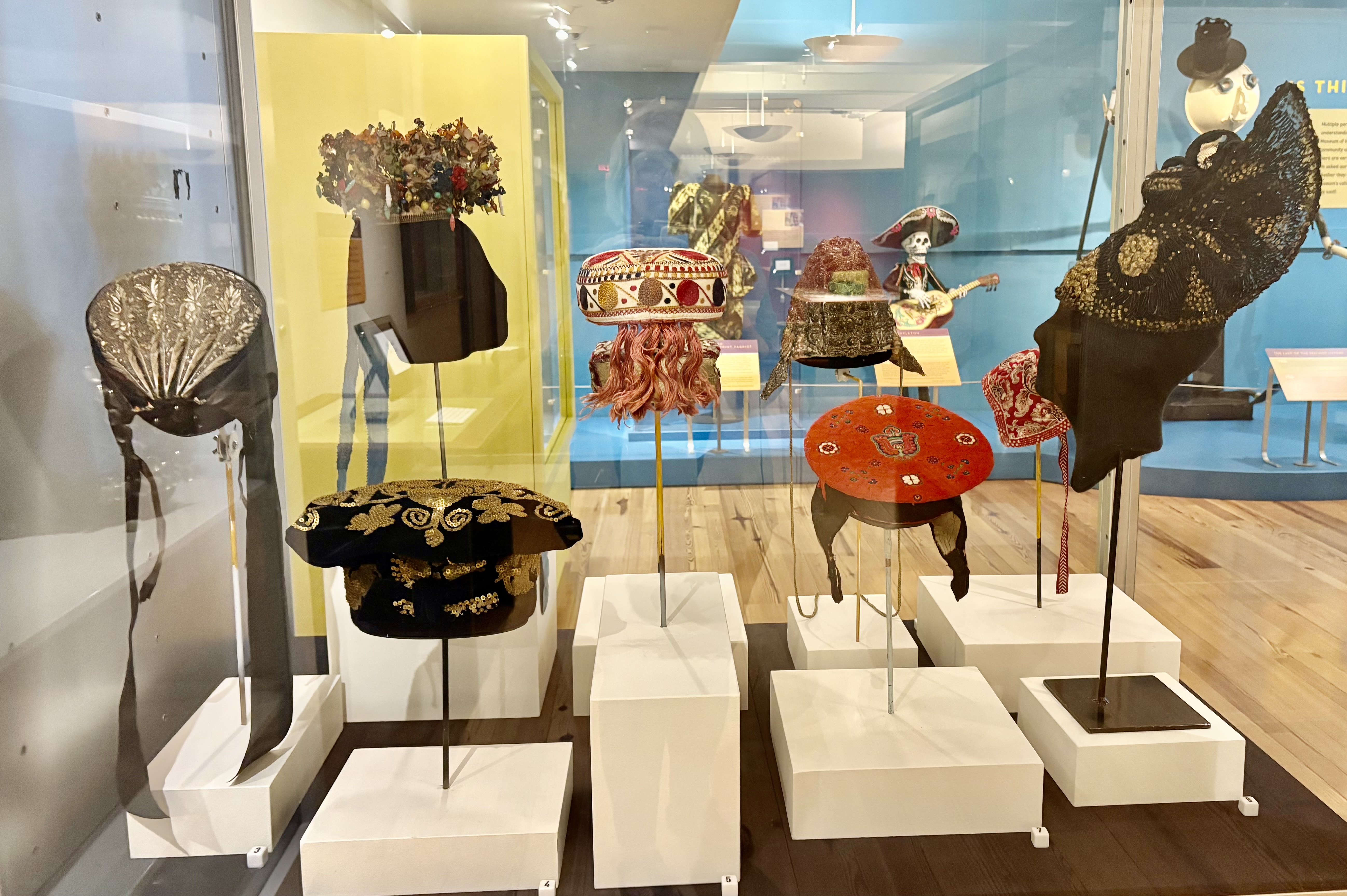
from the Ray Neutrogena collection
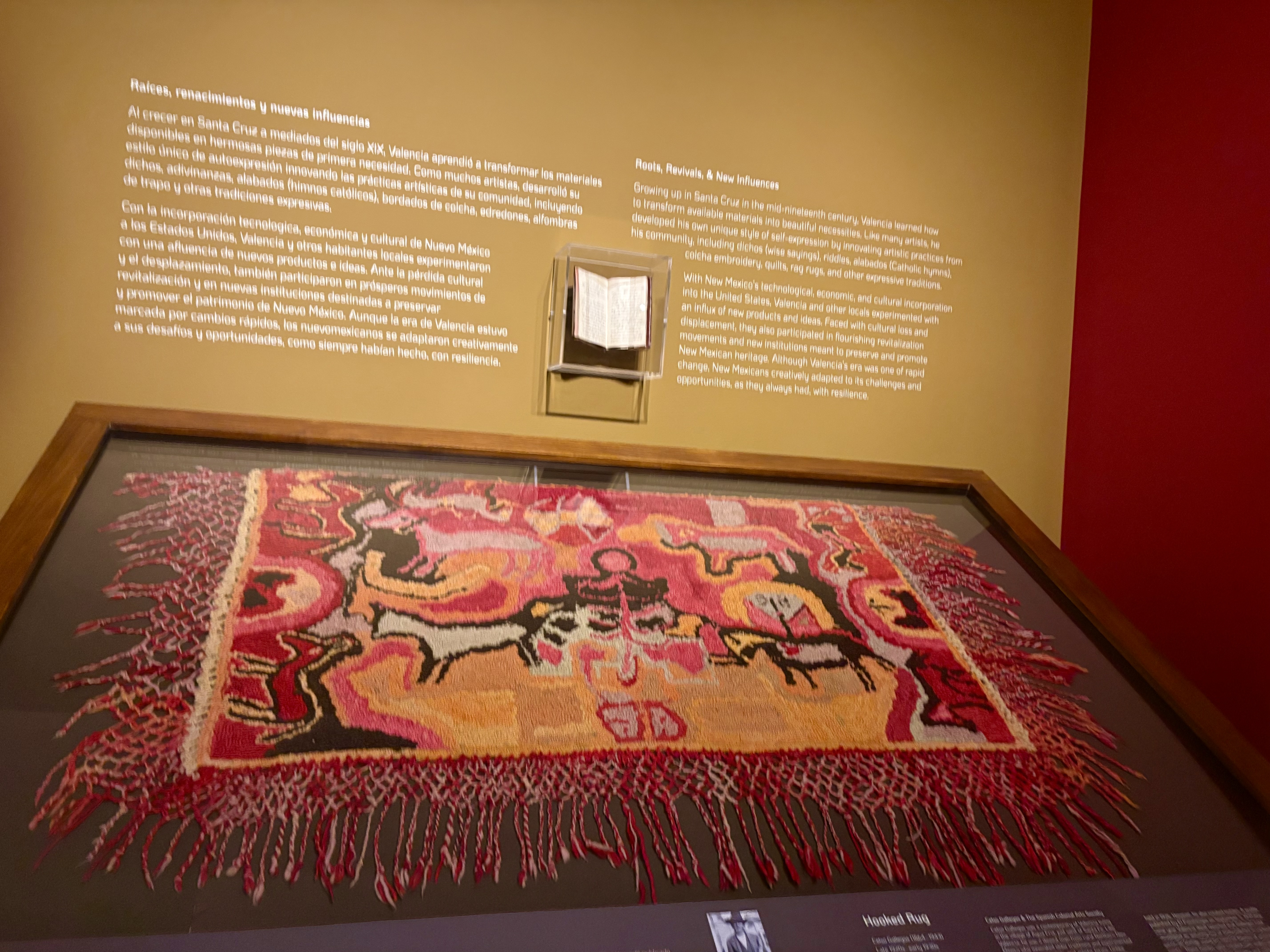
vibrant hooked rug crafted by artist Celso Gallegos in the late 1920s or early 1930s
- The rug features a central tree form surrounded by various native animals.
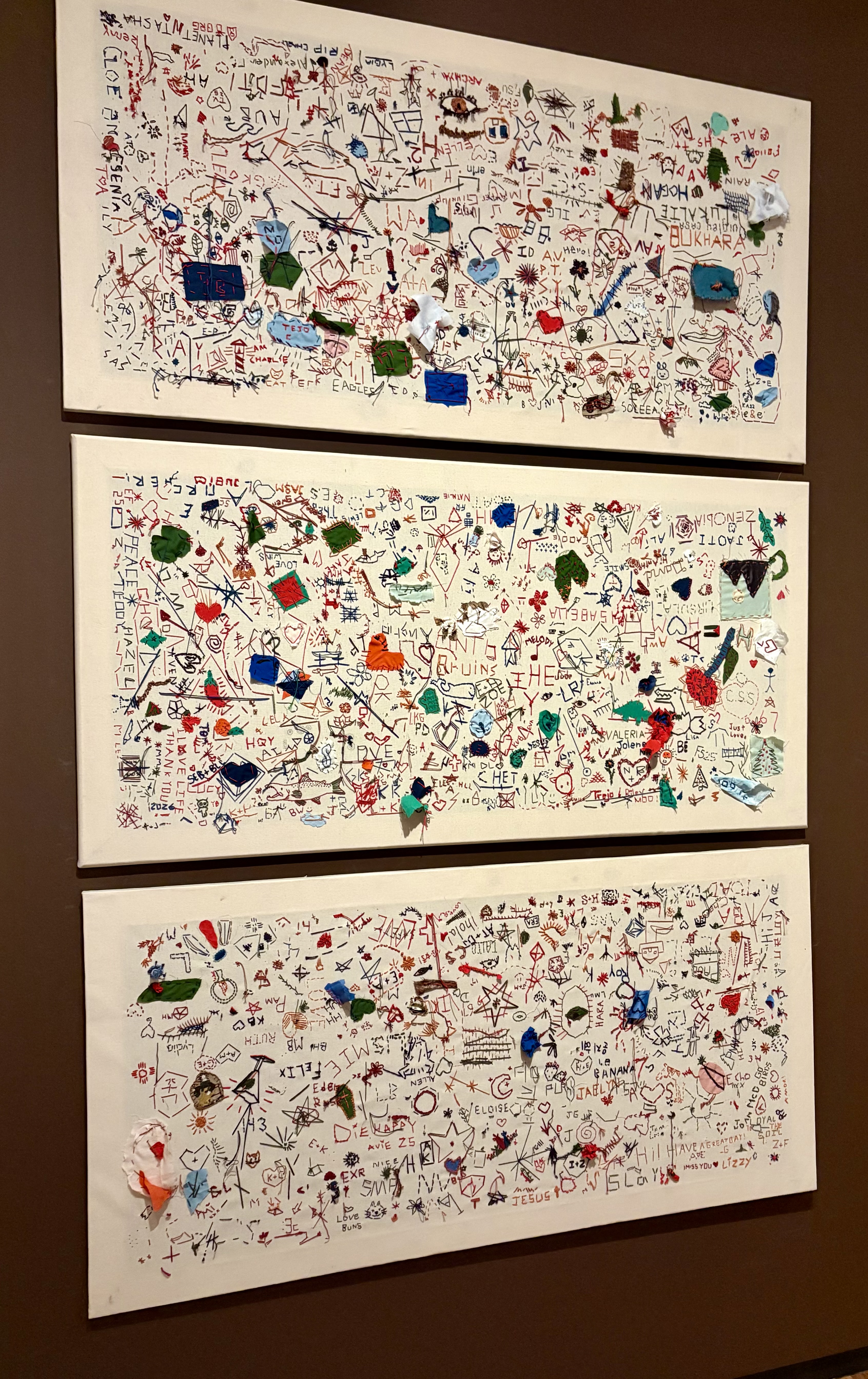
museum guests of all ages were invited to stitch with museum materials
,
folk art is handmade, utilitarian or decorative objects, created by everday, often self-taught artists with a specific cultural community. instead of following formal academic rules, it relies on deeply-rooted community traditions,
preserving cultural heritage, history, and daily life through generations.
—
—
‘from our first babblings to our last word, we make but one statement, and that is our life.’
-richard paul evans
—
source credits:
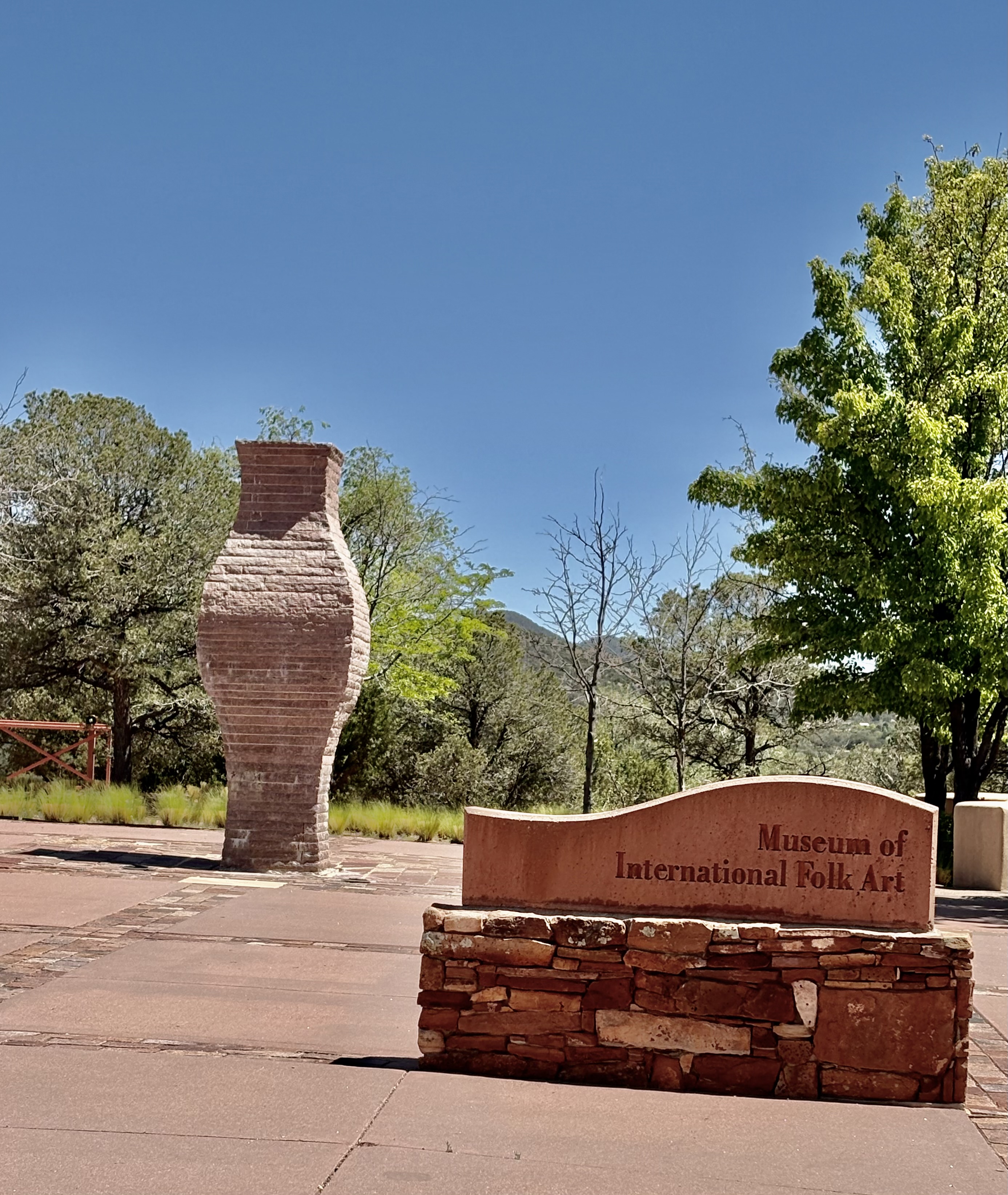
museum of iunternatiuonal folk art, santa fe, new mexico, u.s.a – may, 2026
 I didn't have my glasses on....