Category Archives: history

words have no wings.

Standard

From the Library of Congress:
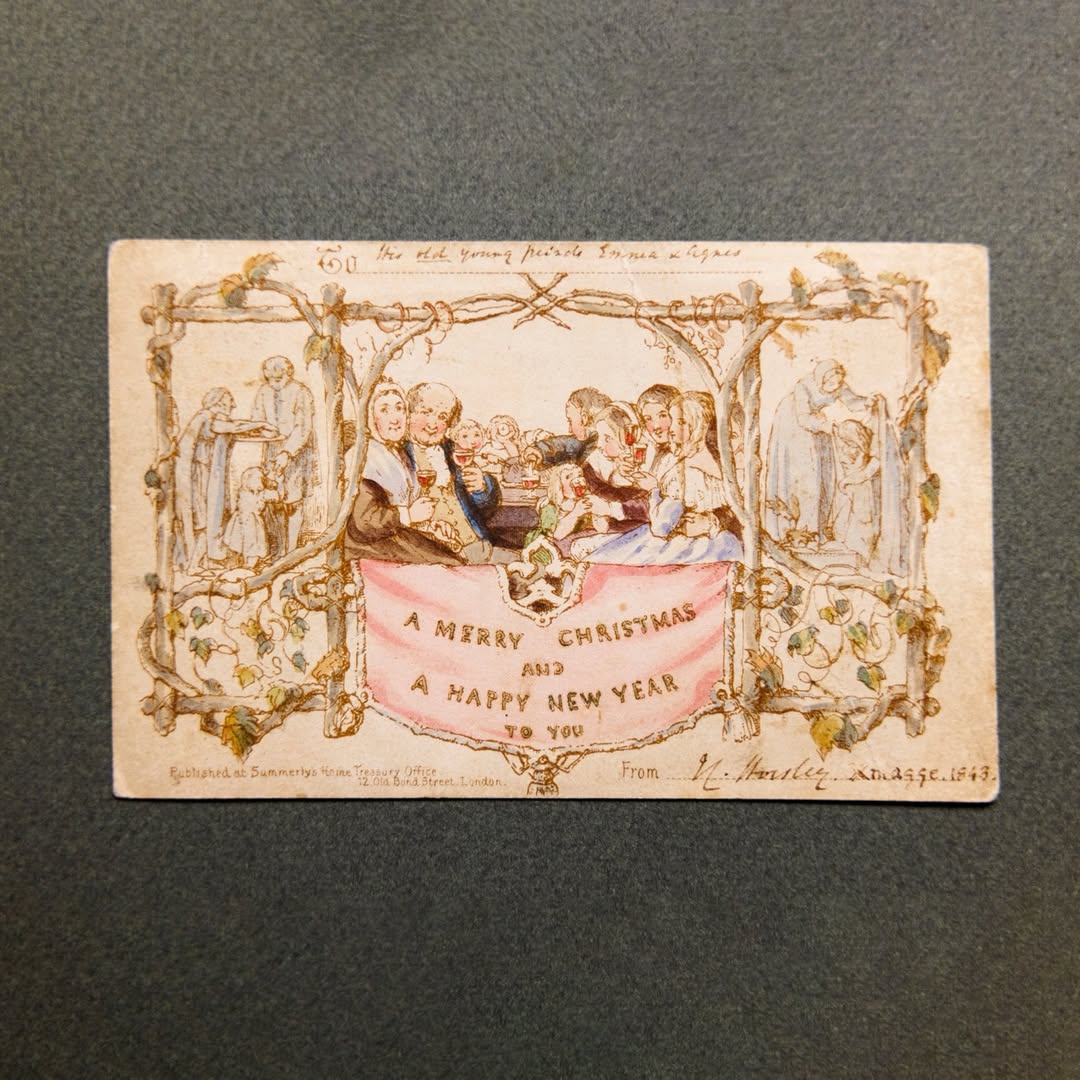
On National Christmas Card Day we are pleased to share, from the Library’s Rare Book and Special Collections Division, a copy of the first commercial Christmas card, created in 1843.
It was, by coincidence, the same year that Charles Dickens published “A Christmas Carol.”
The two creations, and the iconography they inspired, went a long way toward establishing the Victorian concept of Christmas, which, in turn, we now regard as the “traditional” Christmas.
Henry Cole, a British civil servant and patron of the arts, commissioned friend and illustrator John Calcott Horsley to design a card that he could send to friends and family in lieu of writing lengthy Christmas letters. Horsley used chromolithography, a process suited to making lots and lots of copies.
You can see the lines at the top and bottom of the card where recipient and sender names are meant to be written. Horsley signed this card in the “From” field in the bottom right corner.
‘words have no wings, but they can fly a thousand miles.’
-korean proverb
Image: The very first mass-produced Christmas card, 1843.
Illustrated by John Calcott Horsley. 1843.
Photographed by Shawn Miller/Library of Congress.

haint.

Standard

this is the haint blue ceiling of the porch on the very old house

where we are staying in south carolina

Haint Blue is a term used for a range of pale, blue-green colors that are similar to the color of water or the sky. They’re often used to paint the porch ceilings of homes in the southern United States. The reason people paint their porch ceilings this color is a tale of tradition from the Deep South.

The word “haint” is a colloquial way to pronounce “haunt,” another word for ghosts or evil spirits. The word comes from the Gullah, a community of people descended from West African enslaved people who settled on the coast of Georgia and South Carolina.

The Gullah people  created this color by mixing indigo with lime, milk, and other natural ingredients. They painted porch ceilings, shutters, and even doors in this shade to keep away “haints” aka. restless spirits. The idea was simple but powerful: they believed that haints were afraid of water, spirits couldn’t cross water or sky, and so the color blue would protect the home.

Haint Blue paint was a form of protection for the Gullah and the southern communities embraced it wholeheartedly. That’s why so many porch ceilings throughout the south are painted a beautiful light blue-green, which has become known as haint blue.This  color is tied to memory, protection, and survival.

‘color is a power which directly influences the soul.’

-wassily kandinsky


charleston, south carolina, usa, October 2025

fighting words.

Standard

our founding fathers irked england by inventing american english

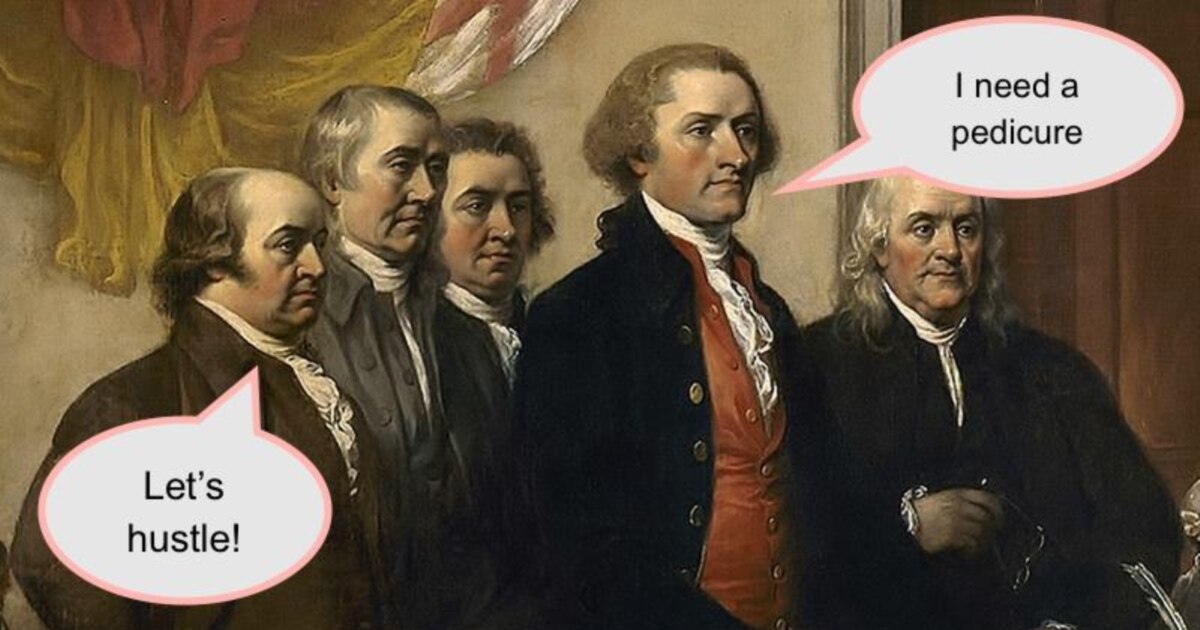
thomas jefferson is credited with coining over 100 words — more than any other president. among the words the third president introduced are “indecipherable,” “belittle,” and “pedicure,” the latter of which means to care for the feet and toenails. “Pedicure” was one of several words that Jefferson borrowed from the French after spending many years in Paris.

next time you get your pedicure,

you’ll have TJ to thank for bringing this word to us,

otherwise you wouldn’t have known what service to ask for

when you booked your appointment. 

‘where can i find a man who has forgotten words so i can have a word with him?’

-zhuangzi


source credits: VOA, Saturday Evening Post

Juneteenth – a story of progress.

Standard

Alonzo Adams – A Griot’s Vision (Courtesy of ArtPride New Jersey)


 “What I love about Juneteenth is that even in that extended wait, we still find something to celebrate. Even though the story has never been tidy, and Black folks have had to march and fight for every inch of our freedom, our story is nonetheless one of progress.”

– Michelle Obama | Lawyer, Writer, & Former First Lady of the United States


waffle frolic.

Standard

‘why can’t i just eat my waffle?’

– barack obama


Early Americans held waffle-eating parties called “waffle frolics.”

Brunch has an understandable hold on Americans — after all, who can pass up the opportunity to enjoy a delicious smattering of sweet and savory plates (alongside good company, of course)? Apparently, Americans of the past couldn’t say no either, gathering to share food and fun at so-called “waffle frolics.” These waffle-eating get-togethers were most popular during the colonial era, eventually petering out by the mid-20th century. At their peak, they were elaborate, multi-course meals that showcased freshly ironed waffles as the  main course.

Little is recorded about the particulars of early waffle frolics, but one description, by William Livingstone, a 21-year-old Yale student who recounted his party experience in a 1744 letter, describes the soiree as a lavish affair. “After a few games, a magnificent supper appeared in grand order and decorum,” he wrote. “But for my own part I was not a little grieved that so luxurious a feast should come under the name of a wafel-frolic, because if this be the case I must expect but a few wafel-frolics for the future.”

Waffles have been widely eaten throughout Europe since the Middle Ages, sold by street vendors and often consumed on religious holidays. Eventually, they made their way to the American colonies alongside the Pilgrims, and it was in the New World where they were paired with maple syrup for the first time. Culinary lore sometimes suggests it was founding father Thomas Jefferson who ignited the waffle frolic craze in the 1790s upon his return from France, after he arrived with four  waffle irons in his luggage. As president, Jefferson reportedly served the treat to Meriwether Lewis at the White House prior to the Lewis and Clark expedition.

‘a wafffle is like a pancake with a syrup trap.’

-mitch hedberg

Waffles cooked and served every minute at Waffle House restaurants -145

Weight (in pounds) of the world’s largest waffle, created in the Netherlands in 2013 – 110


image and source credits: interesting facts, waffle house, babycenter.com, king arthur baking

an instant out of time.

Standard

The first candid photograph of a person was taken in 1838.

Before the 19th century, photography did not exist, so people who wanted a lasting image of their home, their family, or themselves had to have one painted, sculpted, or drawn. In the early 1800s, inventors in France and England were at the center of the effort to create photographic representations of objects and people. In France, Joseph Nicéphore Niépce stunned the world in 1827 when he released what is believed to be the first photograph ever taken, titled “View from the Window at Le Gras.” Niépce rendered the image using a camera obscura combined with a light-sensitive metal plate, a process he called heliography. Despite its success, the heliograph required several days of exposure to capture the scene, eliminating the opportunity to photograph any people who may have been on the street

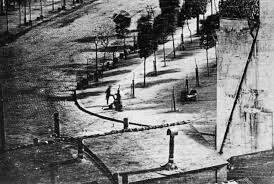
In 1829, Niépce met artist and printmaker Louis-Jacques-Mandé Daguerre. Each man was familiar with the other’s work. Niépce admired Daguerre’s rotating diorama that had captivated Parisian audiences in 1822. Daguerre, like Niépce, saw the potential of improving upon the camera obscura to create clear and permanent images. They entered into a business partnership that resulted in the creation of the daguerreotype, an innovative photographic process that required only four to five minutes of exposure.  The quicker shutter speed allowed Daguerre’s camera to capture an image never seen before: a photo of a human being. In 1838, he debuted a daguerreotype of a street scene on the Boulevard du Temple in Paris. In the lower left corner of the photo we can see a man having his shoes shined; remaining stationary allowed him to be included in the photo, something that would have been impossible using the multiple-day exposure that heliographs required. This anonymous stranger on Boulevard du Temple was not simply the subject of the world’s first candid photograph— he’s also believed to be the first human being ever photographed.

“photography takes an instant out of time, altering life by holding it still.”
– dorothea lange


source credit: historyfacts


on *juneteenth.

Standard

Jordi Prat Pons.Books that had been cast aside, unwanted.

Villa del Arte Galleries Barcelona (at Mandarin Oriental). Passeig de Gràcia 38-40


“it really boils down to this: that all life is interrelated. we are all caught in an inescapable network of mutuality, tired into a single garment of destiny. whatever affects one destiny, affects all indirectly.”

-REV. DR. MARTIN LUTHER KING JR.

*Juneteenth (short for “June Nineteenth”) marks the day when federal troops arrived in Galveston, Texas in 1865 to take control of the state and ensure that all enslaved people be freed. The troops’ arrival came a full two and a half years after the signing of the Emancipation Proclamation. Juneteenth honors the end to slavery in the United States and is considered the longest-running African American holiday. On June 17, 2021, it  officially became a federal holiday.

amazons.

Standard

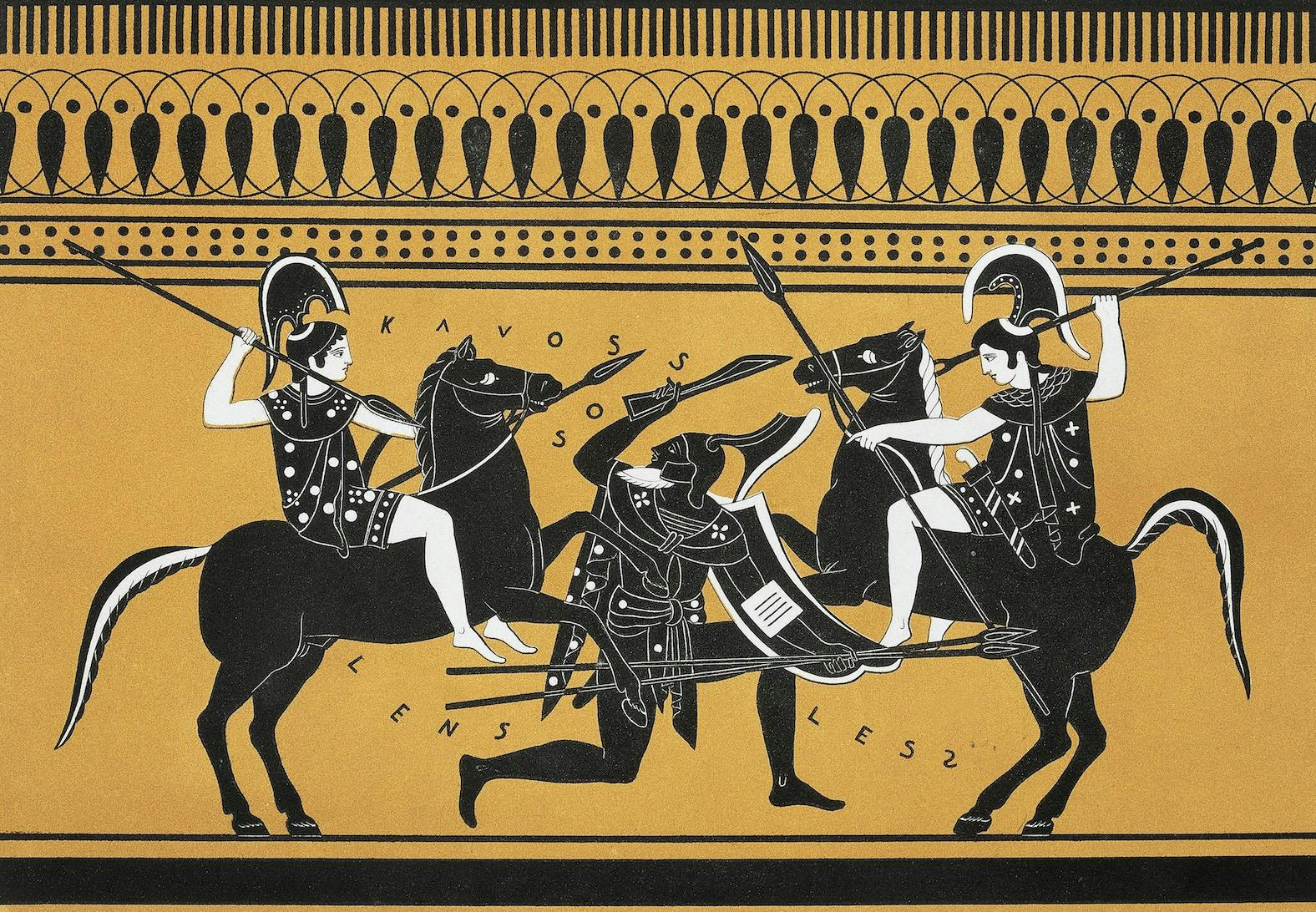
Archaeologists have discovered evidence that some Greek myths might be more than just stories. Per The Observer, researchers excavated graves in Nakhchivan, Azerbaijan, and found “battle-scarred female archers” buried with weapons, including arrowheads, a dagger, and a mace.

This information, combined with previous findings, suggests that the women may have been Amazons who lived 4,000 years ago. The Amazons were a group of skilled female warriors and hunters who often came head-to-head with the Greeks, according to epic poems like the Iliad and Argonautica.

But as historian Bettany Hughes told The Observer, they were likely real people who lived beyond literature. “It shows that there’s truth behind the myths and legends of ancient Greece,” she said of the archaeological findings. She explores the discovery further in a new documentary series, Bettany Hughes’ Treasures of the World, which recently premiered on the U.K.’s Channel 4.

“Strength is not measured by physical prowess,

but by the indomitable spirit of a warrior woman.”

– suzanne collins, (author of the hunger games)

Source credits: image: dea/g.dagliorti/de agostini,  text -the observer

rock piles or cathedrals?

Standard

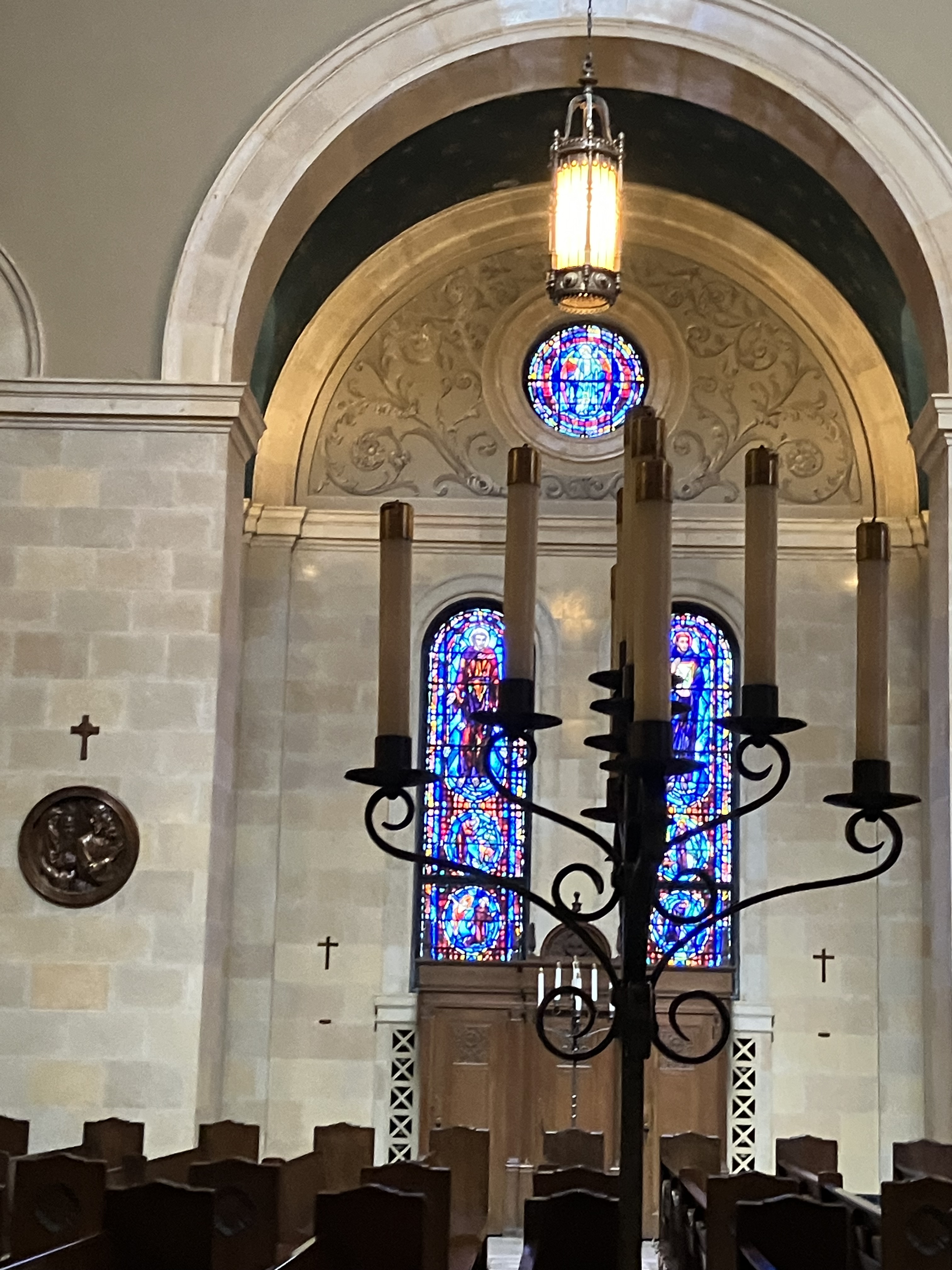
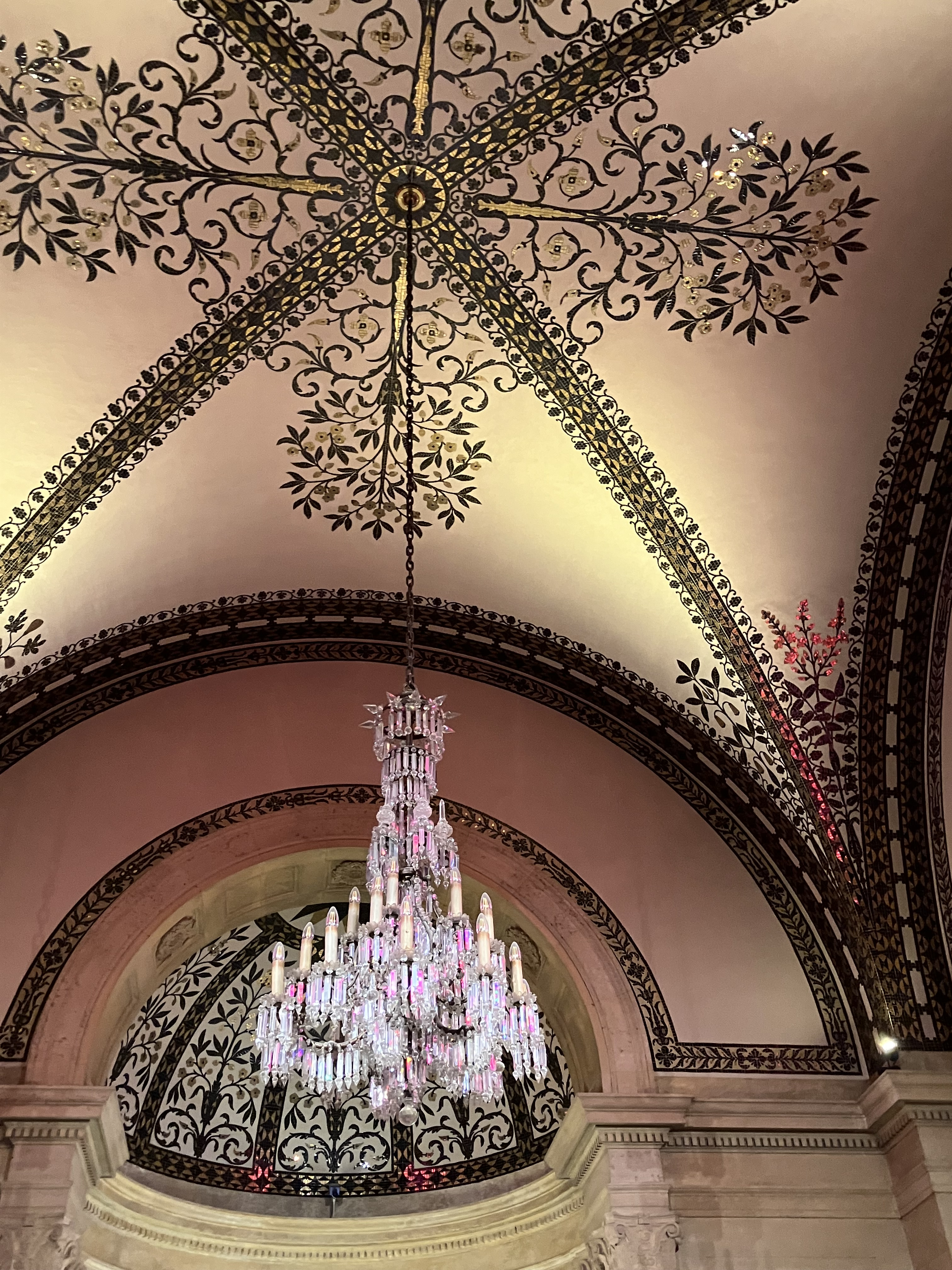
visiting this beautiful sacred space

stories within each brick, step, piece of wood, marble, and work of art

moving and powerful

 st. cecelia cathedral

 named for

the patron saint of musicians, composers, instrument makers, and poets in the middle ages.

“a rock pile ceases to be a rock pile the moment a single man contemplates it,

bearing within him the image of a cathedral.”

-antoine de saint-exupery, author of the little price

To find the extraordinary within the ordinary, you have to see it. And to see it, you have to look for it. And to look for it, you have to have your eyes open. You have to be open.  You have to believe that within every rock pile there is a cathedral. Or, at least, the possibility of one. Are you someone who sees rock piles, or do you see cathedrals?

Begun in 1905 and consecrated in 1959, St. Cecelia was designed by architect Thomas Rogers Kimball and is ranked among the ten largest cathedrals in the United States when it was completed. It is now ranked in the National Registry. The architectural style of the building is Spanish Renaissance Revival, rather than the European Gothic architecture popular in the early 20th century. Kimball justified his choice because of the early influence of Spain and Mexico on the region. (located in Omaha, Nebraska, USA)

hickory, dickory.

Standard

 the 400-Year-Old Cat Door at Exeter Cathedral, Where Felines Were Once on Payroll

Founded in the 11th century, England’s Exeter Cathedral is famed for its stunning features — including its medieval astronomical clock, a working replica of the solar system as it was understood at the time. But the building also boasts another ancient wonder: a cat door that may be among the world’s oldest.

Cut into the bottom of the door to the clock room is a small, cat-sized hole, and records show it was put there with a purpose. In 1598,Queen Elizabeth I nominated William Cotton for the role of Exeter Cathedral bishop. When he started his post, he also seems to have recruited a helper.

“It is from Bishop Cotton’s time that we have the record, ‘Paid ye carpenters 8 pence for cutting ye hole in ye north transept door for ye Bishop’s cat,’” said cathedral historian Diane Walker. It’s likely the hole served less to assist the kitty in catching mice and rats.

“The fat used to lubricate the clock mechanism would have been a great attraction for vermin,” said Walker, “hence the need for the cat to have access to this space.” The use of lard for clock maintenance was commonplace during that time period — and is believed to be represented in a famous children’s rhyme.

“Although there’s no evidence of a specific association with Exeter Cathedral, the nursery rhyme ‘Hickory, Dickory, Dock’ with its reference to ‘the mouse ran up the clock’ is most likely to have its origins in mice climbing parts of clock mechanisms, rather than climbing the outside of a long case clock as normally illustrated,” Walker explained

Cotton’s kitty wasn’t the first feline to call the cathedral home, though. Even before the hole was cut into the door, cats were employed by the church to keep the vermin population in check. Records from the 14th and 15th century indicate payments made to cats — or more likely, their owners — in the amount of 13 old pence per week. And another form of record also memorializes that arrangement: a medieval carving in the cathedral that depicts a cat attacking two rodents.

The payments seem to have ceased by the time Cotton and his cat arrived — though the jury is out on whether the feline was paid under the table. “We do not know whether Bishop Cotton’s cat received any payment for its services,” Walker said. But the cathedral’s feline history doesn’t end there. A post-World War II chapel carving depicts a one-eyed stray cat named Tom who became “quite a cathedral celebrity” after he was adopted by the head virger. (caretaker)

“He would sit in the bishop’s throne but never attempted to jump on an altar. One year he enjoyed settling into the Christmas manger tableau to the delight of visitors,” Walker shared.

“While he would spend much time wandering in the grounds surrounding the cathedral, he is also reported to have been particularly attentive in the cathedral during sermons when he would sit still and upright!”Fast forward to today, and kitties can still occasionally be seen using the medieval cat door — thankfully, the rodents are no longer an issue that requires feline attention.

“when rome burned, the emperor’s cats still expected to be fed on time.”

― seanan mcguire,  author


source credit: rebekah brandes, photo credits: diane walker, universal images, getty