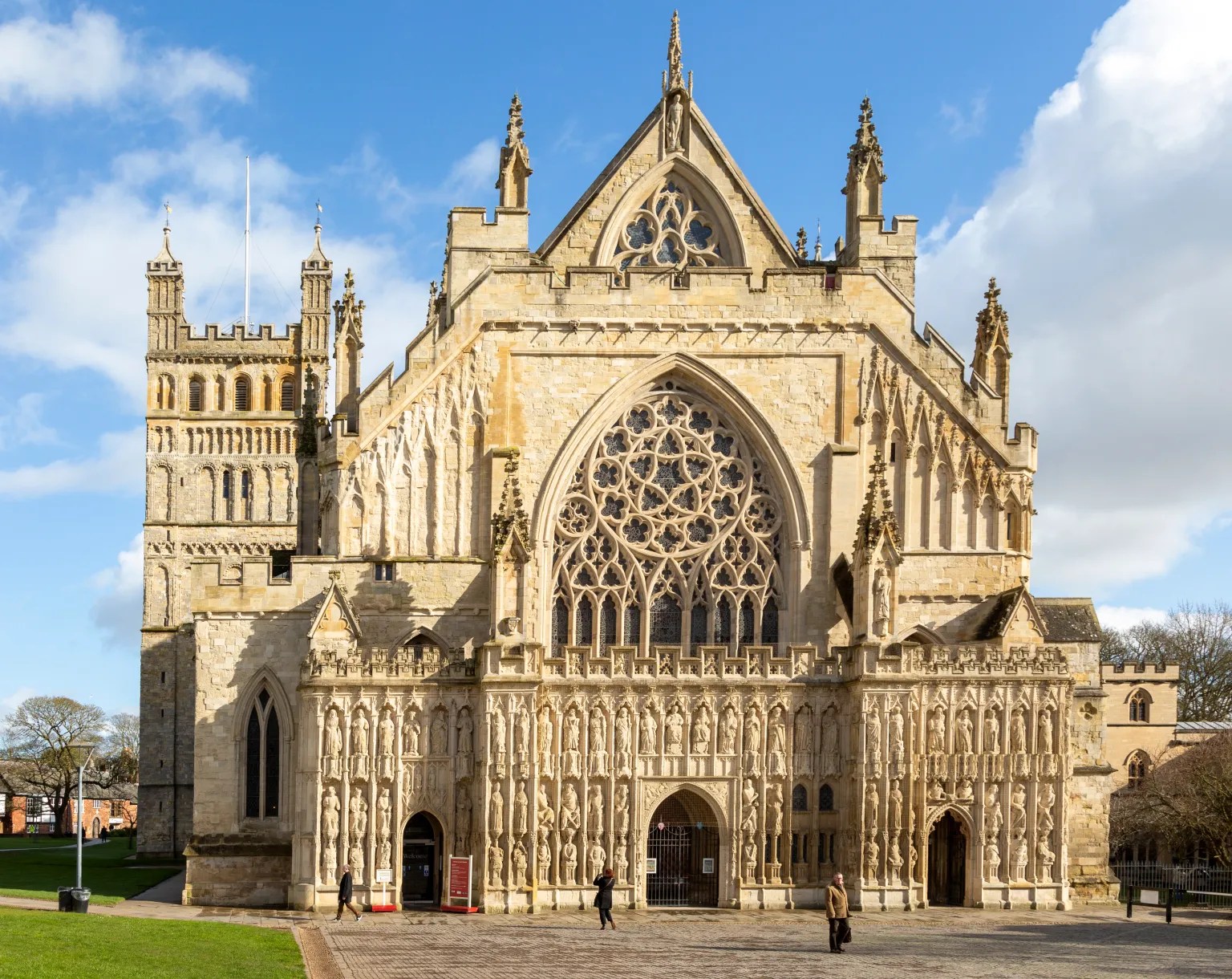
the 400-Year-Old Cat Door at Exeter Cathedral, Where Felines Were Once on Payroll
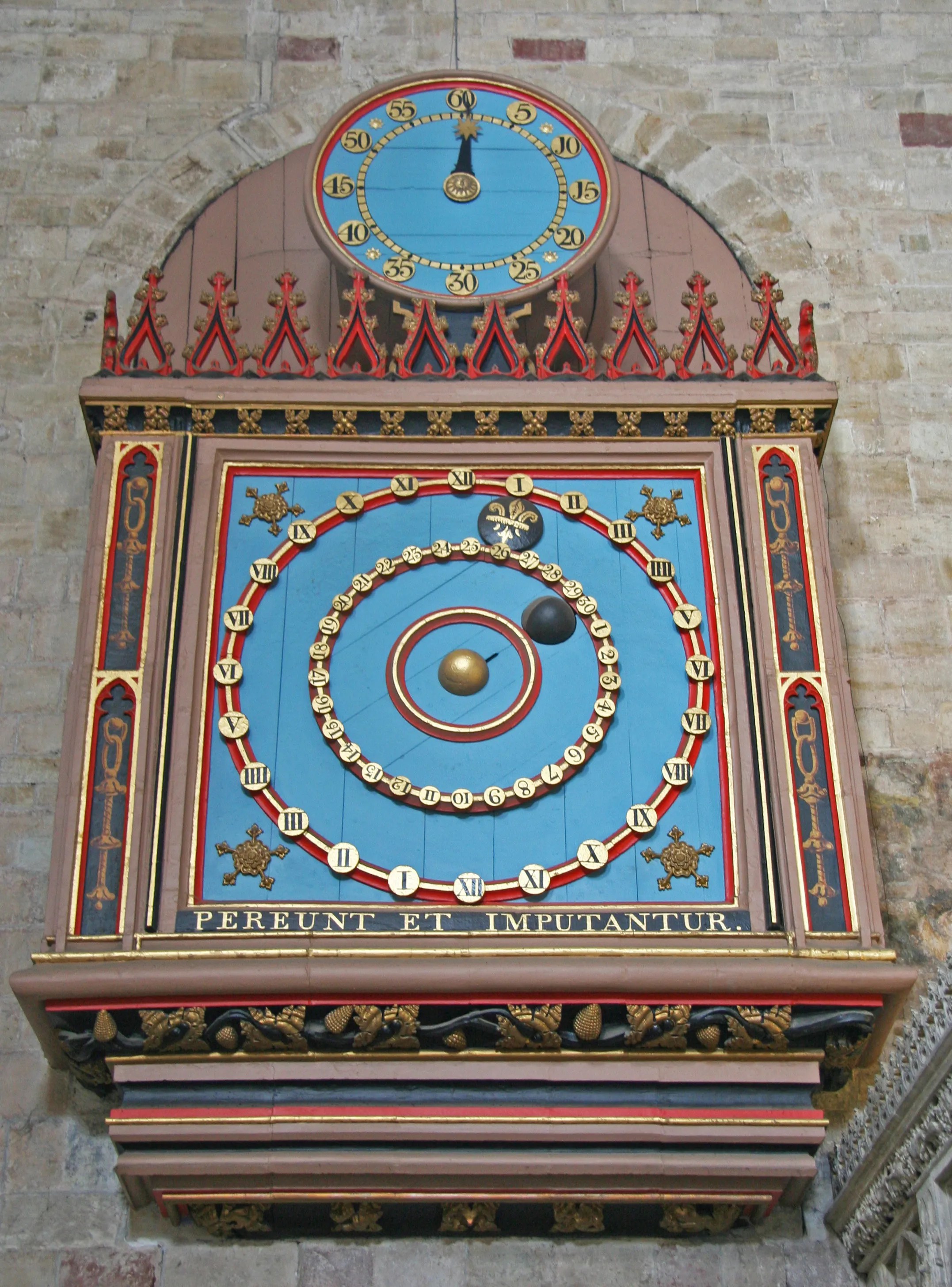
Founded in the 11th century, England’s Exeter Cathedral is famed for its stunning features — including its medieval astronomical clock, a working replica of the solar system as it was understood at the time. But the building also boasts another ancient wonder: a cat door that may be among the world’s oldest.
Cut into the bottom of the door to the clock room is a small, cat-sized hole, and records show it was put there with a purpose. In 1598,Queen Elizabeth I nominated William Cotton for the role of Exeter Cathedral bishop. When he started his post, he also seems to have recruited a helper.
“It is from Bishop Cotton’s time that we have the record, ‘Paid ye carpenters 8 pence for cutting ye hole in ye north transept door for ye Bishop’s cat,’” said cathedral historian Diane Walker. It’s likely the hole served less to assist the kitty in catching mice and rats.
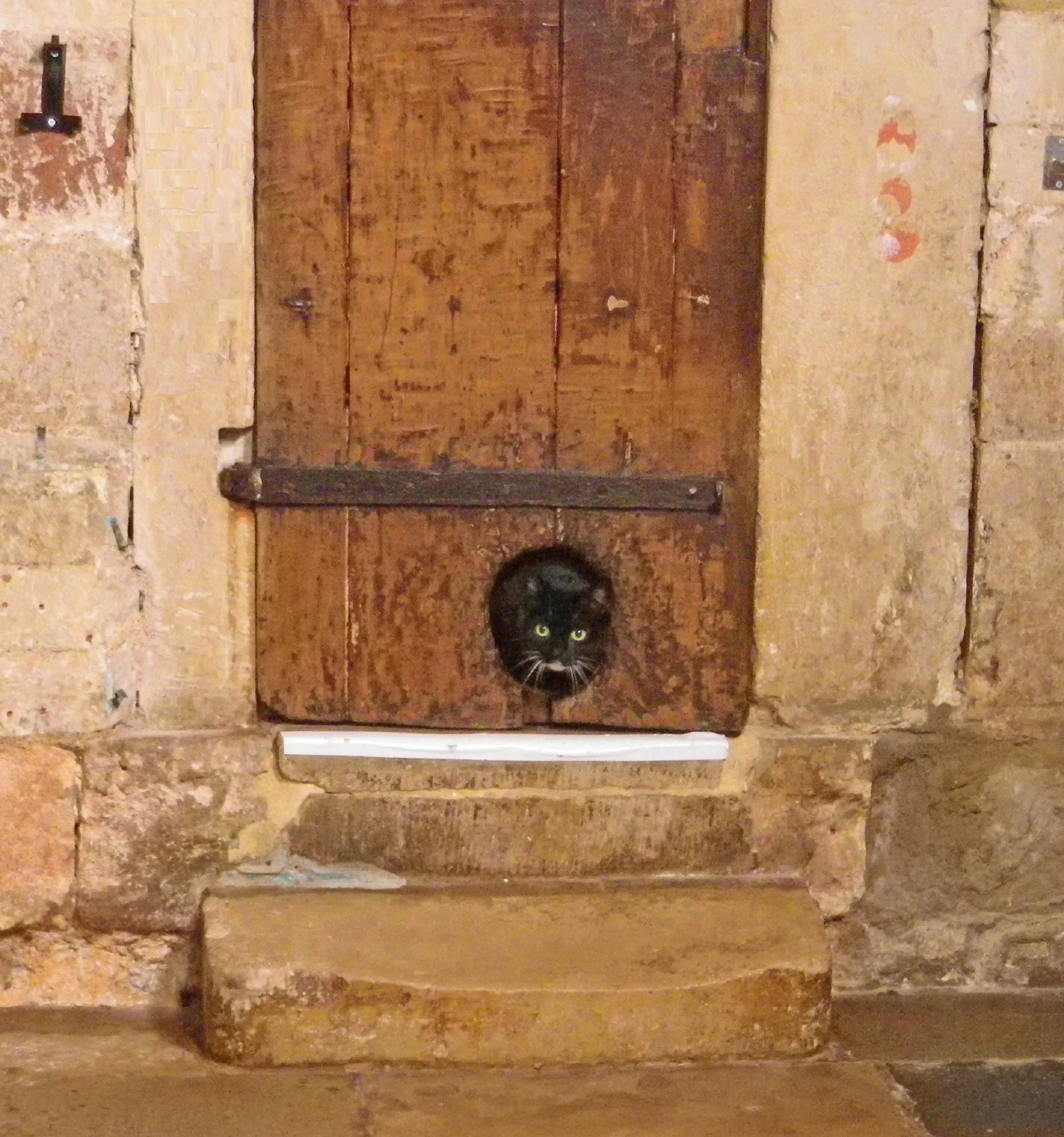
“The fat used to lubricate the clock mechanism would have been a great attraction for vermin,” said Walker, “hence the need for the cat to have access to this space.” The use of lard for clock maintenance was commonplace during that time period — and is believed to be represented in a famous children’s rhyme.
“Although there’s no evidence of a specific association with Exeter Cathedral, the nursery rhyme ‘Hickory, Dickory, Dock’ with its reference to ‘the mouse ran up the clock’ is most likely to have its origins in mice climbing parts of clock mechanisms, rather than climbing the outside of a long case clock as normally illustrated,” Walker explained
Cotton’s kitty wasn’t the first feline to call the cathedral home, though. Even before the hole was cut into the door, cats were employed by the church to keep the vermin population in check. Records from the 14th and 15th century indicate payments made to cats — or more likely, their owners — in the amount of 13 old pence per week. And another form of record also memorializes that arrangement: a medieval carving in the cathedral that depicts a cat attacking two rodents.
The payments seem to have ceased by the time Cotton and his cat arrived — though the jury is out on whether the feline was paid under the table. “We do not know whether Bishop Cotton’s cat received any payment for its services,” Walker said. But the cathedral’s feline history doesn’t end there. A post-World War II chapel carving depicts a one-eyed stray cat named Tom who became “quite a cathedral celebrity” after he was adopted by the head virger. (caretaker)
“He would sit in the bishop’s throne but never attempted to jump on an altar. One year he enjoyed settling into the Christmas manger tableau to the delight of visitors,” Walker shared.
“While he would spend much time wandering in the grounds surrounding the cathedral, he is also reported to have been particularly attentive in the cathedral during sermons when he would sit still and upright!”Fast forward to today, and kitties can still occasionally be seen using the medieval cat door — thankfully, the rodents are no longer an issue that requires feline attention.
—
“when rome burned, the emperor’s cats still expected to be fed on time.”
—
source credit: rebekah brandes, photo credits: diane walker, universal images, getty
Discover more from I didn't have my glasses on....
Subscribe to get the latest posts sent to your email.
 I didn't have my glasses on....
Very interesting 🤔
LikeLiked by 2 people
animals have always played a variety of important roles, even way back when
LikeLiked by 1 person
Yes indeed. 💞
LikeLiked by 1 person
At my Villa on top of hill, I installed a doggie door for the Lord of House, Frankie!!
LikeLiked by 5 people
brilliant! and has many important roles there at your estate, no way you could do without him, and he without you.
LikeLiked by 2 people
We are a team, like Batman and Robin 😊🐶
LikeLiked by 1 person
So fun! I wonder if this means my cats will demand a salary?
LikeLiked by 4 people
Barb, just make sure they don‘t read that. Because they WILL…. :)
LikeLiked by 2 people
Exactly!
LikeLiked by 1 person
Only if they read this with you!
LikeLike
That‘s wonderful. I have you know that during our 8+yr stay in the region and countless visits and concerts in Exeter Cathedral we never saw that cat door…. The things I learn from you Beth ;) – and I‘m not surprised at all because I think the Brits are, together with the Swiss perhaps, the most pet-loving people. Thanks for this post and for that hilarious quote. So true!!!
LikeLiked by 4 people
🐈⬛❤️
LikeLiked by 1 person
I love this. I think I’ve read this before. 💙
LikeLiked by 3 people
Good kitty! Great find, Beth.
LikeLiked by 4 people
Thanks!
LikeLike
I have visited Exeter Cathedral on two occasions in the past, but I never noticed the cat door. If there is a next time, I will have to look for it. :)
Best wishes, Pete.
LikeLiked by 3 people
it must be so lovely in person. take a look next time you’re there
LikeLiked by 2 people
Fantastic!
LikeLiked by 3 people
I just loved this cat tale
LikeLike
Wonderful
LikeLiked by 3 people
thanks, Sheree!
LikeLiked by 1 person
Pleasure Beth
LikeLike
A neat history lesson! Thanks for doing the research on this. My two cats are proud of this feline history, but I told them they’re very lazy compared to the cathedral cats. They replied that they’re proud of their napping skills.
LikeLiked by 4 people
they have evolved -)
LikeLiked by 2 people
Hahaha! Yes!
LikeLiked by 1 person
Love all of this, Beth – like Dave said below – thanks for the history lesson. 🥰
LikeLiked by 2 people
I love these interesting tidbits –
LikeLiked by 2 people
🥰❤️🥰
LikeLike
Great stuff!
LikeLiked by 2 people
Yes
Sent from my iPhone
<
div dir=”ltr”>
<
blockquote type=”cite”>
LikeLiked by 3 people
love that they had this role
LikeLike
I believe cats have been used in various cultures for centuries to keep rodents in check. I read somewhere that ancient Egyptians worshipped cats, and cats are depicted in Egyptian art and architecture. They protected granaries in places where local tribal or clan leaders stored food for the people.
LikeLiked by 3 people
what an important job!
LikeLike
Haha! Love this. It feels a tad familiar… I’m wondering if what I read was for the same place. Either way, love the humour included in the information.
LikeLiked by 2 people
It’s such an interesting little bit of history, told with a mix of facts and smiles
LikeLiked by 1 person
Yes, it is :)
LikeLiked by 1 person
Fascinating story and history. I loved this!
LikeLiked by 3 people
I just loved that it was a tiny,yet important piece of keeping the whole thing going
LikeLiked by 1 person
👍🏼
LikeLike
A most unexpected find in the magnificence of that Cathedral. Somehow this adds a down-to-earth dimension to the overwhelming grandeur.
LikeLiked by 2 people
I agree. The real goings on amidst all the pomp
LikeLike
Cat owners can totally relate to the idea that the felines are the true kings and queens of ANY castle. What a wonderfully eccentric piece of history!
LikeLiked by 3 people
Absolutely yes to all of that. I am love these little tidbits
LikeLike
What a wonderful piece of history.
LikeLiked by 2 people
I loved learning about this
LikeLiked by 1 person
Delightful post!
LikeLiked by 2 people
Now if you could just train your cat to program your remote
LikeLike
Leo the Cat has indeed programmed my remote but it seems like random scratching.
LikeLiked by 1 person
some might call that purposeful and well thought out sabotage.
LikeLike
The cat deserved to sit on the throne. Just thinking that people sit on special chairs is a joke of epic ego proportions. Anyway, this was a wonderful post.
LikeLiked by 2 people
Yes,yes. I agree. So pompous! But the cats have always been wonderful
LikeLike
True royalty.
LikeLiked by 1 person
England is beautiful and you shared a precious part of it. Thanks for that. In case you are still there, enjoy your stay!
LikeLiked by 2 people
Ah, no , just living vicariously)
LikeLiked by 1 person
Cathedrals in Europe are amazing and quite elegant and impressive works of art… And at the one in Tarragona (Spain) I did see many cats in the courtyard…
LikeLiked by 2 people
A, that makes sense
LikeLiked by 1 person
The cat door is so cute.
LikeLiked by 2 people
It is so cute-
LikeLike
Beautiful facade!
LikeLiked by 2 people
It is-
LikeLiked by 1 person
Great story!
LikeLiked by 2 people
I love these tiny bits of history
LikeLike
This was such an interesting post Beth! Not only is it a gorgeous building but the doors history (hole and all) is amazing and lard for the clock, I had to laugh.
LikeLiked by 2 people
so many odd details )
LikeLike
I like that about the emperor’s cat :}
LikeLiked by 2 people
me too -good quote
LikeLiked by 1 person
I enjoyed this, Beth. No wonder a cat was needed to keep the mice and rats away. Hickory, Dickory, Dock. I’d love to have been at church and see Tom during a sermon.
LikeLiked by 2 people
yes!
LikeLiked by 1 person
Thanks for sharing this idea Anita
LikeLiked by 2 people
of course-
LikeLiked by 1 person
Fascinating!
LikeLiked by 1 person
interesting history –
LikeLiked by 1 person
I loved the McGuire quote!
LikeLiked by 1 person
Very interesting Beth, we’ll have to go ther sometime and look at it. I have never been there.
LikeLiked by 1 person
Let me know if you can find it
LikeLiked by 1 person
I studied at the University of Exeter when I did my term abroad in college. I remember the Cathedral but not the cat lore. Fascinating.
LikeLiked by 1 person
It is – probably a story not often taught
LikeLiked by 1 person
That’s a fine looking clock in a fine looking cathedral, Beth, and the cat’s tale is a bonus.
LikeLiked by 2 people
It is beautiful and thanks!
LikeLiked by 1 person
That clock is quite a unique timepiece. Thanks for sharing.
LikeLiked by 2 people
it is so detailed and beautiful
LikeLike
that is all fascinating! <3 thanks for sharing!
LikeLiked by 2 people
my pleasure, thanks!
LikeLiked by 1 person
Hi Beth,
thanks a lot for your post full of info.
We just blogged about church mice as well. Our mice don’t run up and down the clock mechanism – because we don’t have a church clock – but they eat books.
Thanks for sharing your post
The Fab Four of Cley
:-) :-) :-) :-)
LikeLiked by 1 person
how great! thank you!
LikeLiked by 1 person
Pingback: 10 #InterestingThings I Found on the Internet 147 – Content Catnip