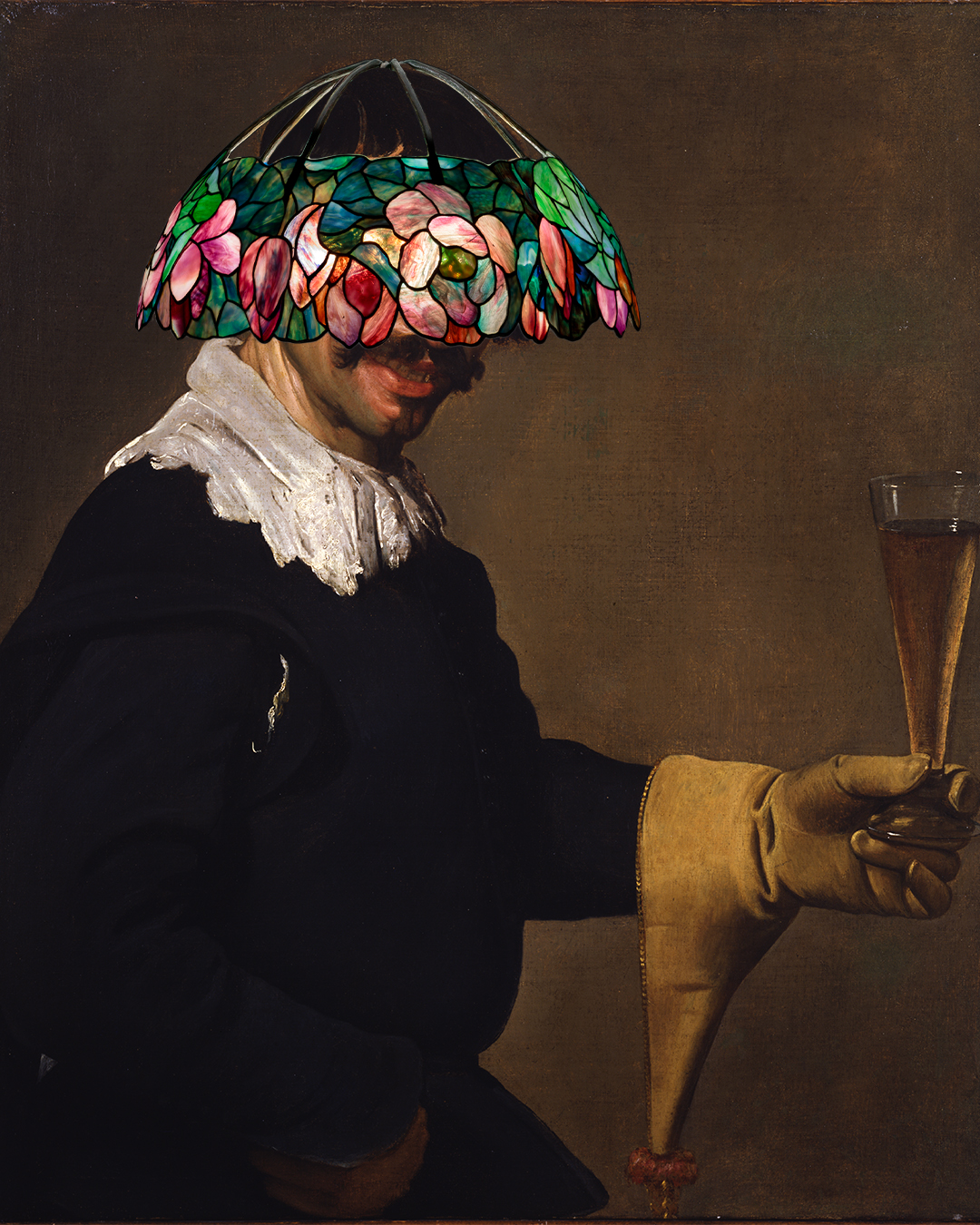
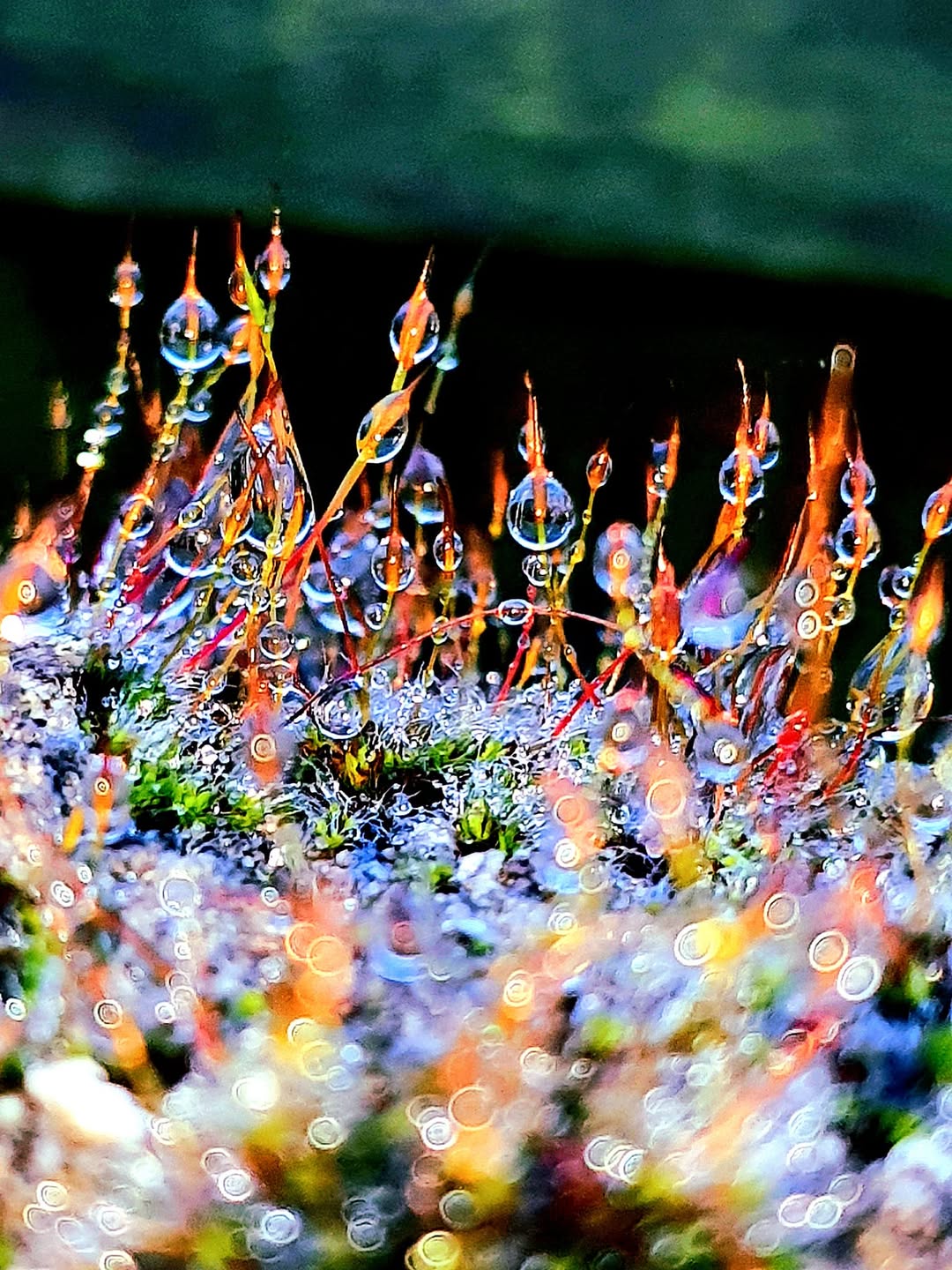
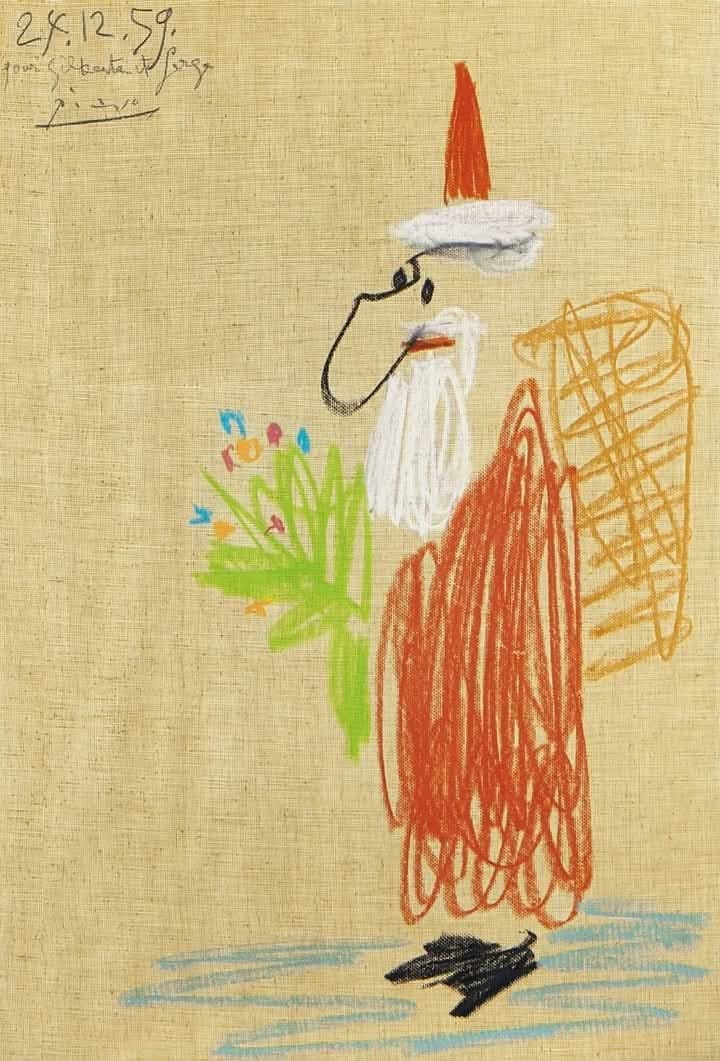
“man needs spiritual expression and nourishing….
even in the prehistoric era, people would scrawl pictures of bison on the walls of caves.”
*-fernando botero
“man needs spiritual expression and nourishing….
even in the prehistoric era, people would scrawl pictures of bison on the walls of caves.”
*-fernando botero

the dandelions have returned, and i couldn’t be happier.
—
“Every year,” said Grandfather. “They run amuck; I let them.
Pride of lions in the yard. Stare, and they burn a hole in your retina.
A common flower, a weed that no one sees, yes.
But for us, a noble thing, the dandelion.”
-Ray Bradbury, Dandelion Wine
—
art credit: garth williams, (the rabbit’s wedding) – rabbit basking in the moonlight
not me, nor my garden
but he and i have similar attitudes
and this warmer weather
really has me wanting to get my garden going
then just stand back
and take it all in.
(hello to claude monet, at giverny gardens in 1923, perhaps thinking about painting it)
—
“to plant a garden is the chief of the arts of peace.”
~ mary stewart
A New York garbage depot holds a secret collection of weird and wonderful refuse.
The Treasures in the Trash Collection
On the second floor of a nondescript warehouse owned by New York City’s Sanitation Department in East Harlem is a treasure trove—filled with other people’s trash.
Most of the building is used as a depot for garbage trucks, but there’s a secret collection that takes over an entire floor. The space is populated by a mind-bogglingly wide array of items: a bestiary of Tamagotchis, Furbies; dozens of Pez dispensers; female weight lifting trophies; 8-track tapes; plates, paintings, sporting equipment and much more.
The Treasures in the Trash collection, was created entirely out of objects found by Nelson Molina, a now-retired sanitation worker, who began by decorating his locker. Collected over 30 years, it is a visual explosion, organized by type, color, and size. Atlas Obscura had the chance to visit the collection with the New York Adventure Club, take some photos, and revel in the vast creative possibilities of trash. Unfortunately, this isn’t a collection that keeps regular hours; drop-ins are not allowed. For more information on the occasional organized tours, email tours@dsny.nyc.gov. Sanitation workers are welcome anytime.
“uncommon thinkers reuse what common thinkers refuse.”
-j.r.d. tata
—
source credits: atlas obscura, dylan thuras, new york adventure club
collection location: 343 East 99th St., New York, New York, 10029 usa
wh0 wouldn’t love to have a tangerine cat?
—
“our holiday food splurge was a small crate of tangerines, which we found ridiculously thrilling after an eight-month abstinence from citrus. lily hugged each one to her chest before undressing it as gently as a doll. watching her do that as she sat cross-legged on the floor one morning in pink pajamas, with bliss lighting her cheeks, i thought; lucky is the world, to receive this grateful child. value is not made of money, but a tender balance of expectation and longing.”
-Barbara Kingsolver
Barbara is a Pulitzer Prize-winning American novelist, essayist, and poet. Her widely known works include The Poisonwood Bible, the tale of a missionary family in the Congo, and Animal, Vegetable, Miracle, a nonfiction account of her family’s attempts to eat locally. Lily, mentioned above, is her daughter, now also an author and an environmental scientist.
—
image credit: pinterest
the kinder painted
using play feathers and real fingers
and colors they mixed and made
one
chose to paint
only white on white paper
to see what it would look like
it was a beautiful painting
all nuance and shade and texture.
“renoir said once that nothing was so difficult, and at the same time so exciting, to paint, as white on white.”
– ambroise vollard
The image is believed to be a pizza predecessor; a focaccia-style bread covered with fruit such as a pomegranate and dates, and a type of pesto. – Courtesy Archaeological Park of Pompeii
A 2,000-year-old painting uncovered in Pompeii could show a “distant ancestor” to the modern pizza, archaeologists have said.
The art was discovered on the wall of an ancient house during an excavation – but the food it depicts looks slightly different from your Friday night takeaway.
Iconic ingredients such as tomato and mozzarella are nowhere to be seen, and it appears the flat focaccia bread has been seasoned with spices instead.
And while a goblet of wine placed on the silver tray might be more familiar to 21st-century pizza lovers, most of us would choose a side of garlic bread over dried fruit.
The painting was discovered just 14 miles (23km) from Naples, where the traditional art of pizza making has been granted UNESCO protection.
Pompeii was destroyed by an eruption of Mount Vesuvius almost 2,000 years ago, but the site was not discovered until the 16th century.
Since January, there has been a burst of archaeological activity that is designed to halt years of decay and neglect.
The painting was discovered in the hall of a house that had a bakery attached to it.
“Pompeii never ceases to amaze, it is a casket that always reveals new treasures,” Italian culture minister Gennaro Sangiuliano said.
Gabriel Zuchtriegel, the director of Pompeii’s archaeological park, believes the artwork reminds us of how far the humble pizza has come.
“How can we fail to think, in this regard, of pizza, also born as a ‘poor’ dish in southern Italy, which has now conquered the world and is also served in starred restaurants,” he said.
Almost a third of Pompeii remains buried under ash – meaning there will be countless other hidden gems that are worth quite a lot of dough.
“pizza makes me think that anything is possible.”
-henry rollins
–
in honor of national pizza week
—
credits: sky news, connor sephton
our class of 3’s-4’s
met with their learning partners
a 4th grade class
and together
they read a book
learned about what Dr. King
stood for and fought for
in his own peaceful way
talked about
what love, fairness, equality
meant to them
then created
a lovely art piece together
each to become a square
in a large paper quilt
created by the whole school
a beautiful collaboration.
—
“make a career of humanity.
commit yourself to the noble struggle for equal rights.
you will make a better person of yourself,
a greater nation of your country, and a finer world to live in.”
-Dr. Martin Luther King, Jr. – March for Integrated Schools, April 18, 1959.