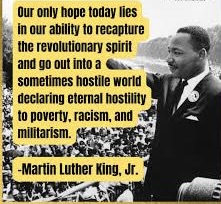
on Martin Luther King Day and every day
on Martin Luther King Day and every day
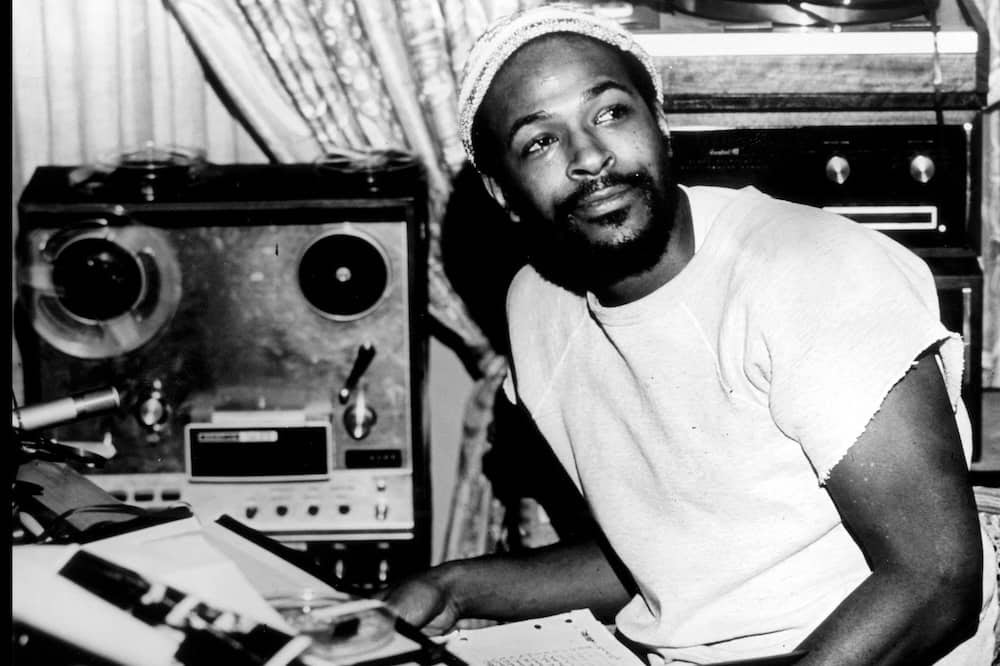
Gem/Redfern – Getty Images
January 20, 1971
Marvin Gaye releases hit single, “What’s Going On.”
In early 1971, on the heels of the Civil Rights Movement and in the midst of the Vietnam War, soul singer Marvin Gaye first crooned the words “Mother, mother, there’s far too many of you crying / Brother, brother, brother, there’s far too many of you dying” — heartbreaking lines that would resonate with millions of listeners, then and now. The powerful protest ballad “What’s Going On” skyrocketed to No. 2 on the Billboard charts, the first tune of Gaye’s to overtly tackle political themes and a far cry from his earlier love songs. Produced by the singer himself, the track paved the way for other Motown artists to claim more agency in their careers and helped reinforce the genre’s potential to be a mouthpiece for social justice issues. Listen to the song and learn more about its making.
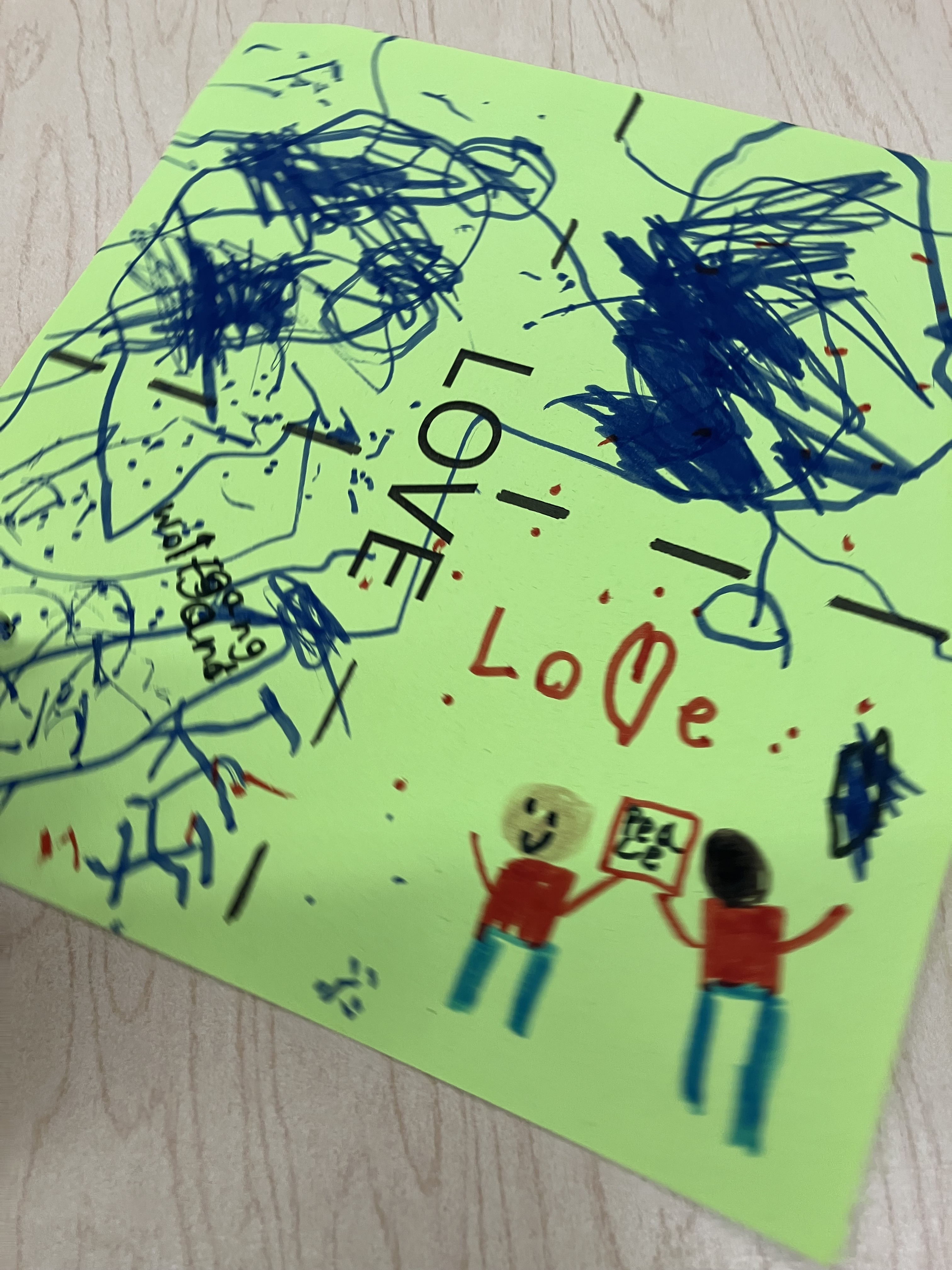
our class of 3’s-4’s
met with their learning partners
a 4th grade class
and together
they read a book
learned about what Dr. King
stood for and fought for
in his own peaceful way
talked about
what love, fairness, equality
meant to them
then created
a lovely art piece together
each to become a square
in a large paper quilt
created by the whole school
a beautiful collaboration.
—
“make a career of humanity.
commit yourself to the noble struggle for equal rights.
you will make a better person of yourself,
a greater nation of your country, and a finer world to live in.”
-Dr. Martin Luther King, Jr. – March for Integrated Schools, April 18, 1959.
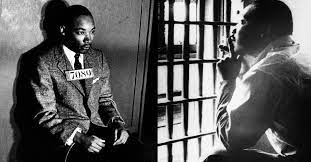
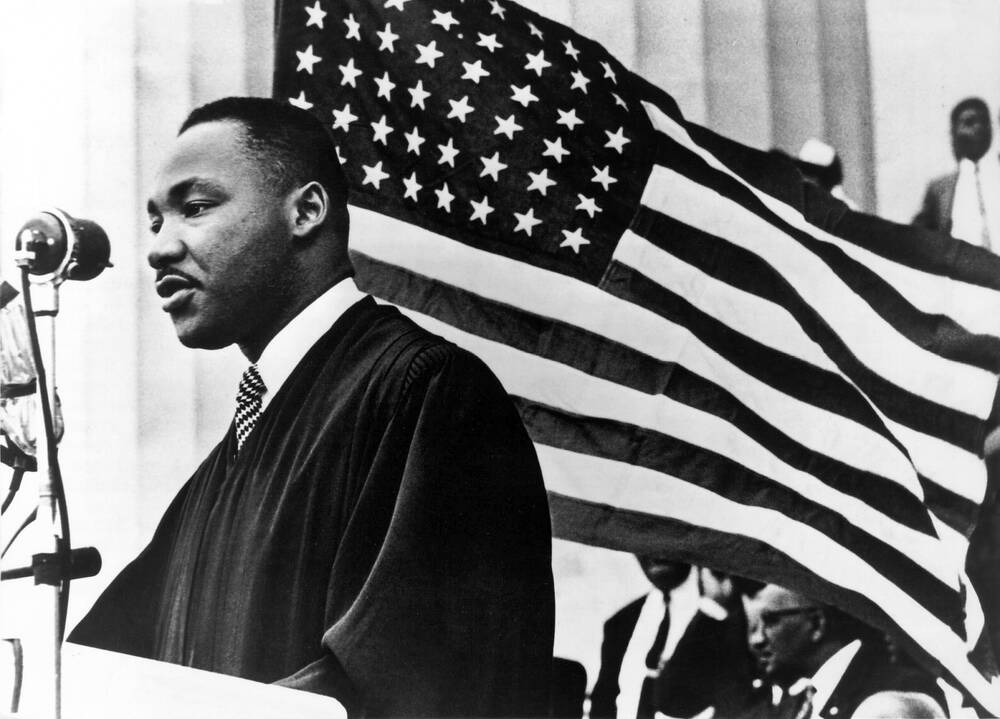
In the spring of 1963, Dr. Martin Luther King, Jr. organized a demonstration in downtown Birmingham, Alabama. With entire families in attendance, city police turned dogs and fire hoses on demonstrators. King was jailed along with large numbers of his supporters, but the event drew nationwide attention.
In his famous Letter from Birmingham Jail, King eloquently spelled out his theory of non-violence:
“Nonviolent direct action seeks to create such a crisis and foster such a tension that a community,
which has constantly refused to negotiate,
is forced to confront the issue.”
—
credits: biography, history channel, photo credit: the atlantic

 I didn't have my glasses on....