Category Archives: protest

do what is right.

Standard

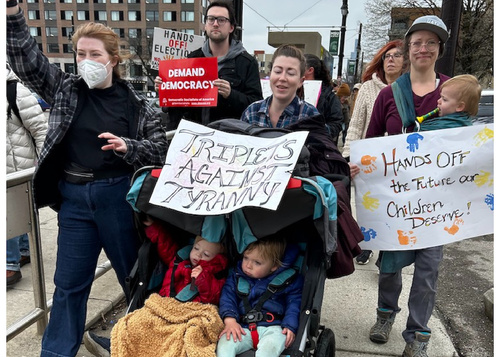
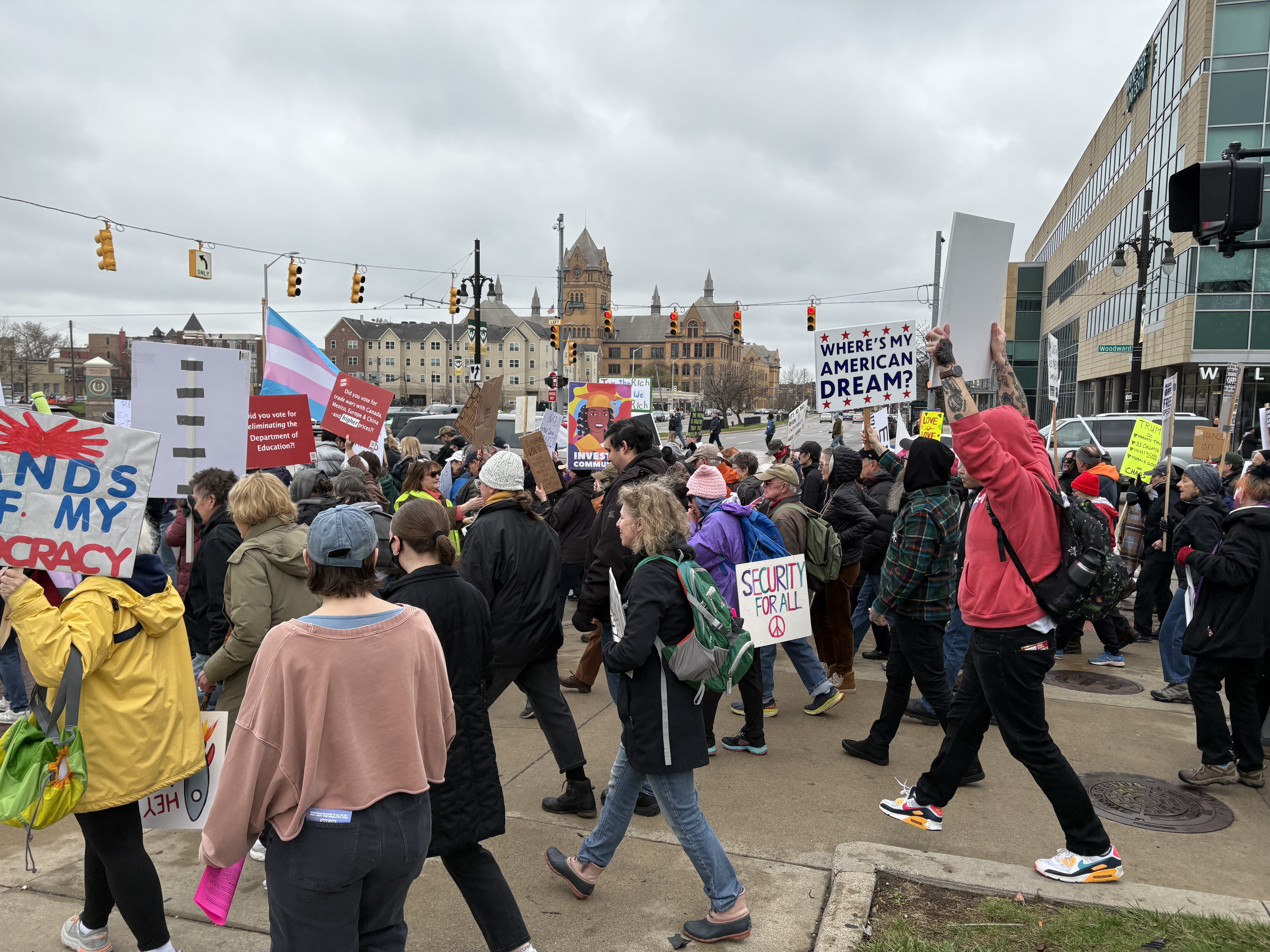
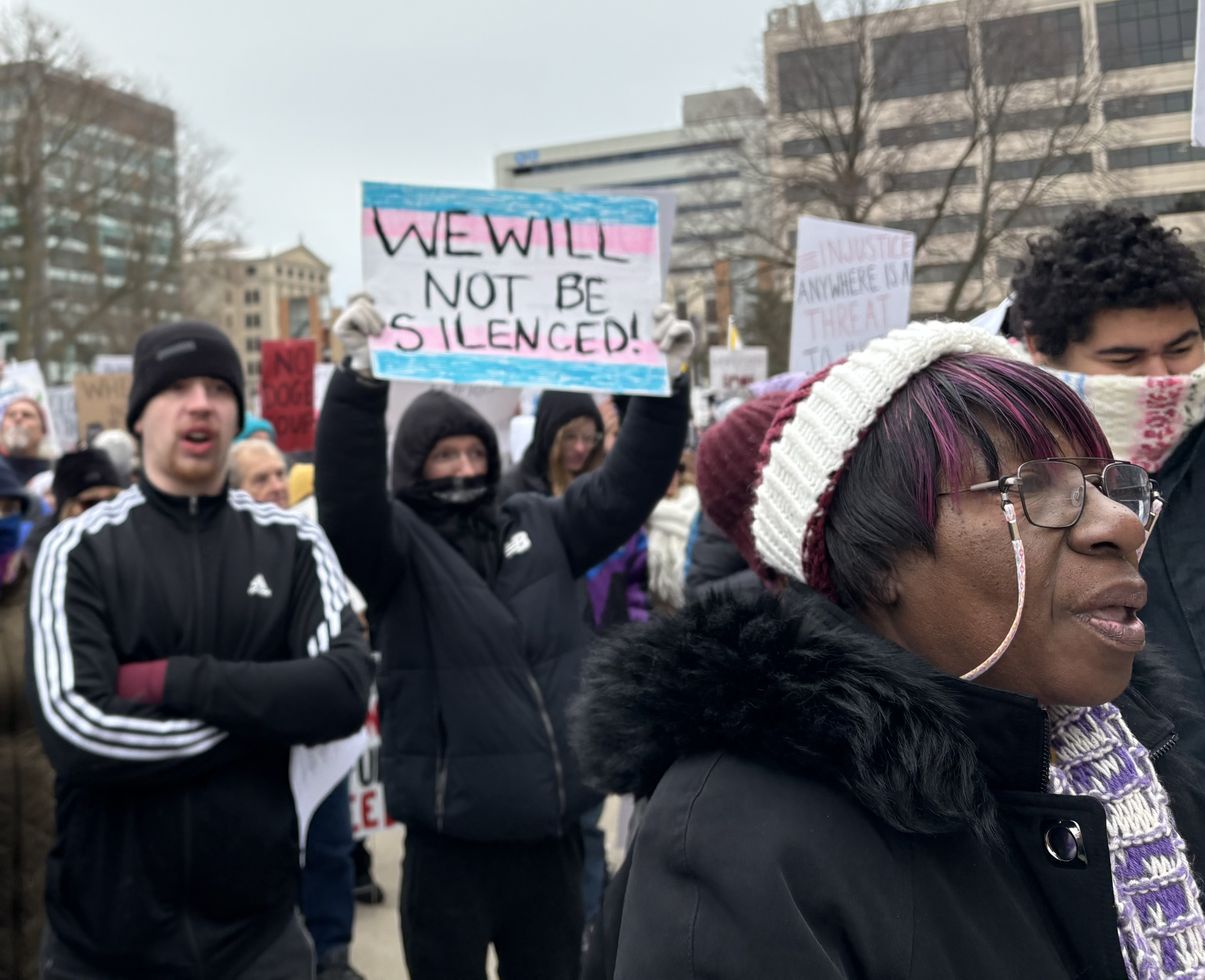
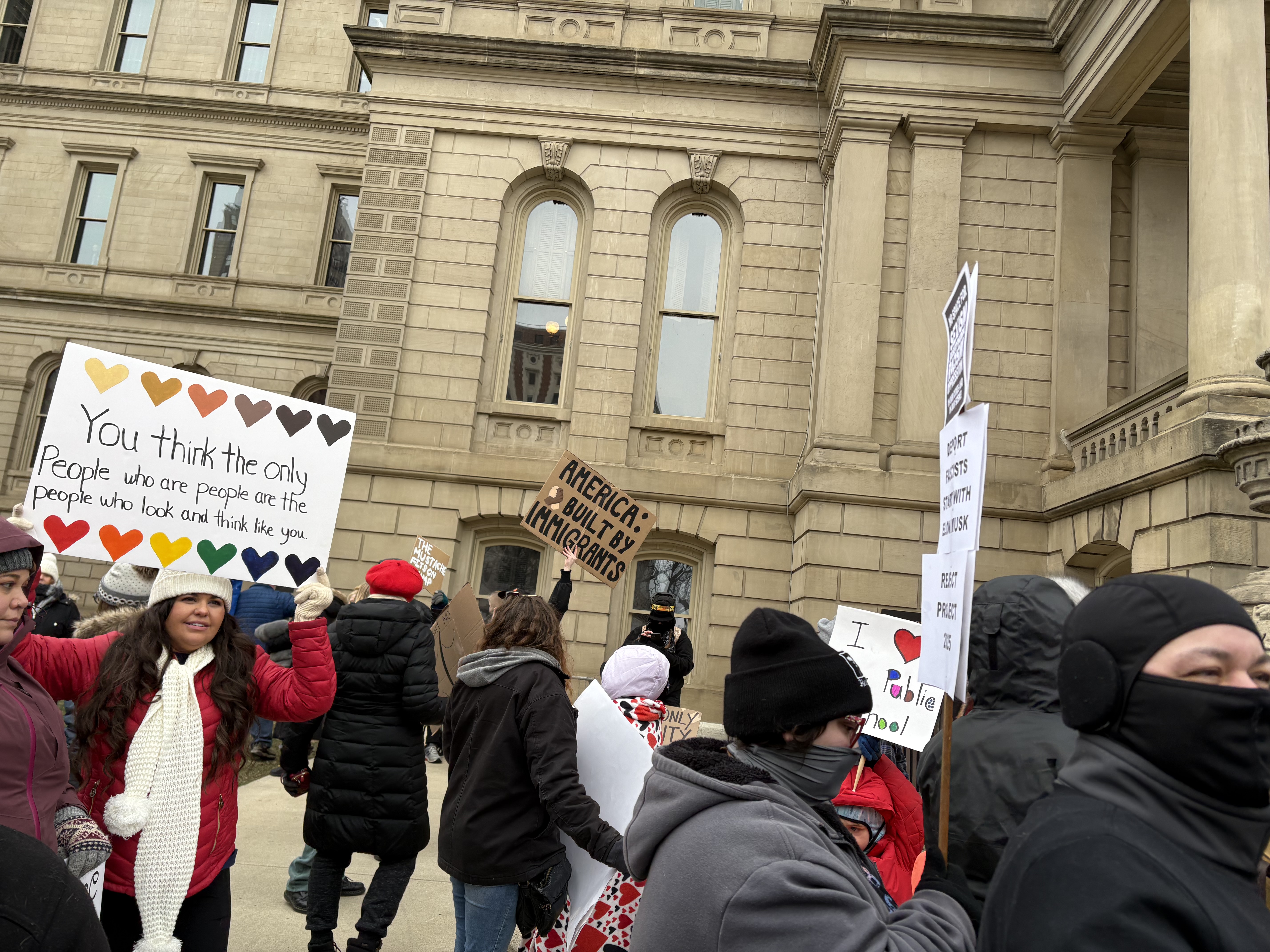
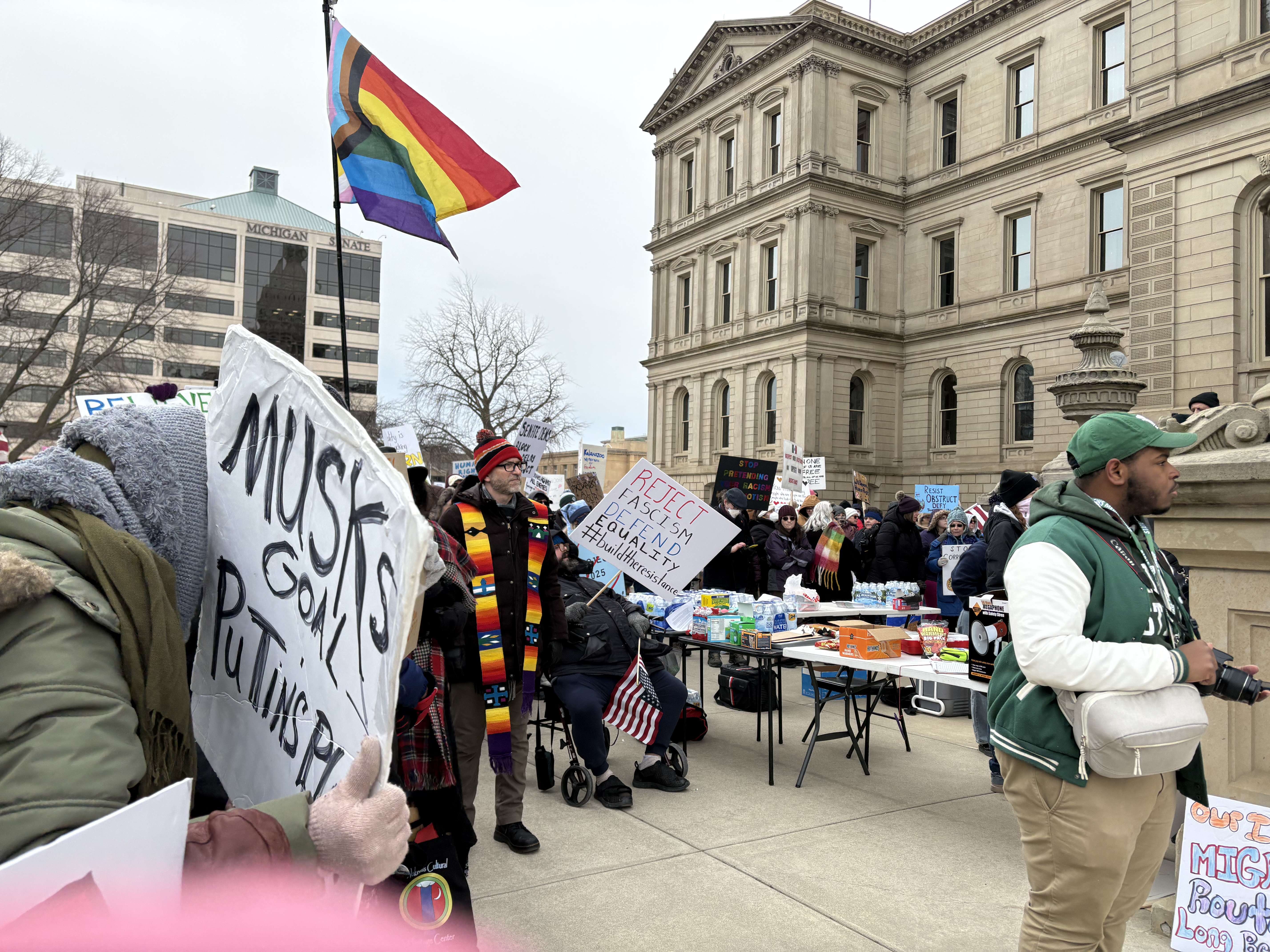
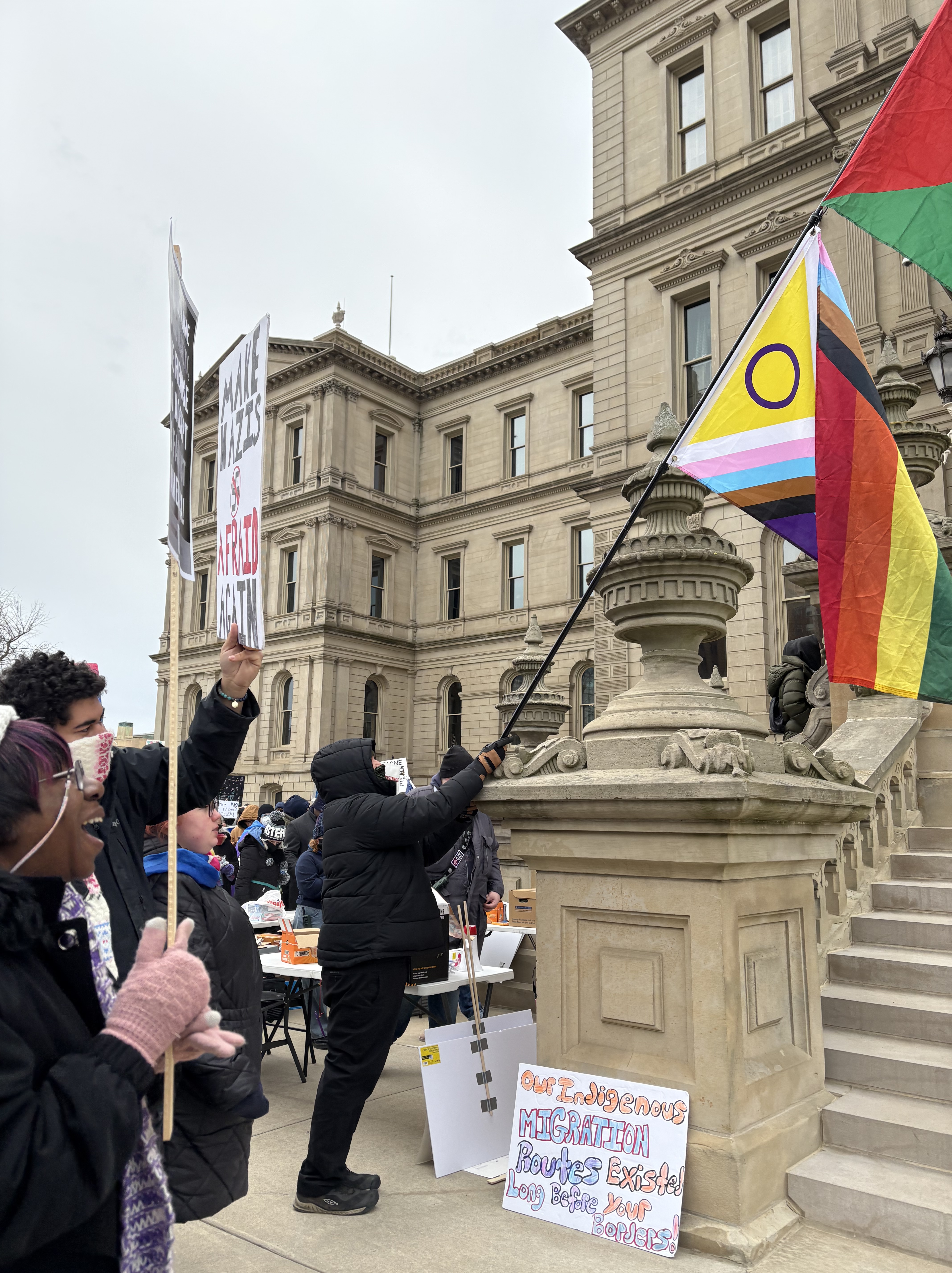
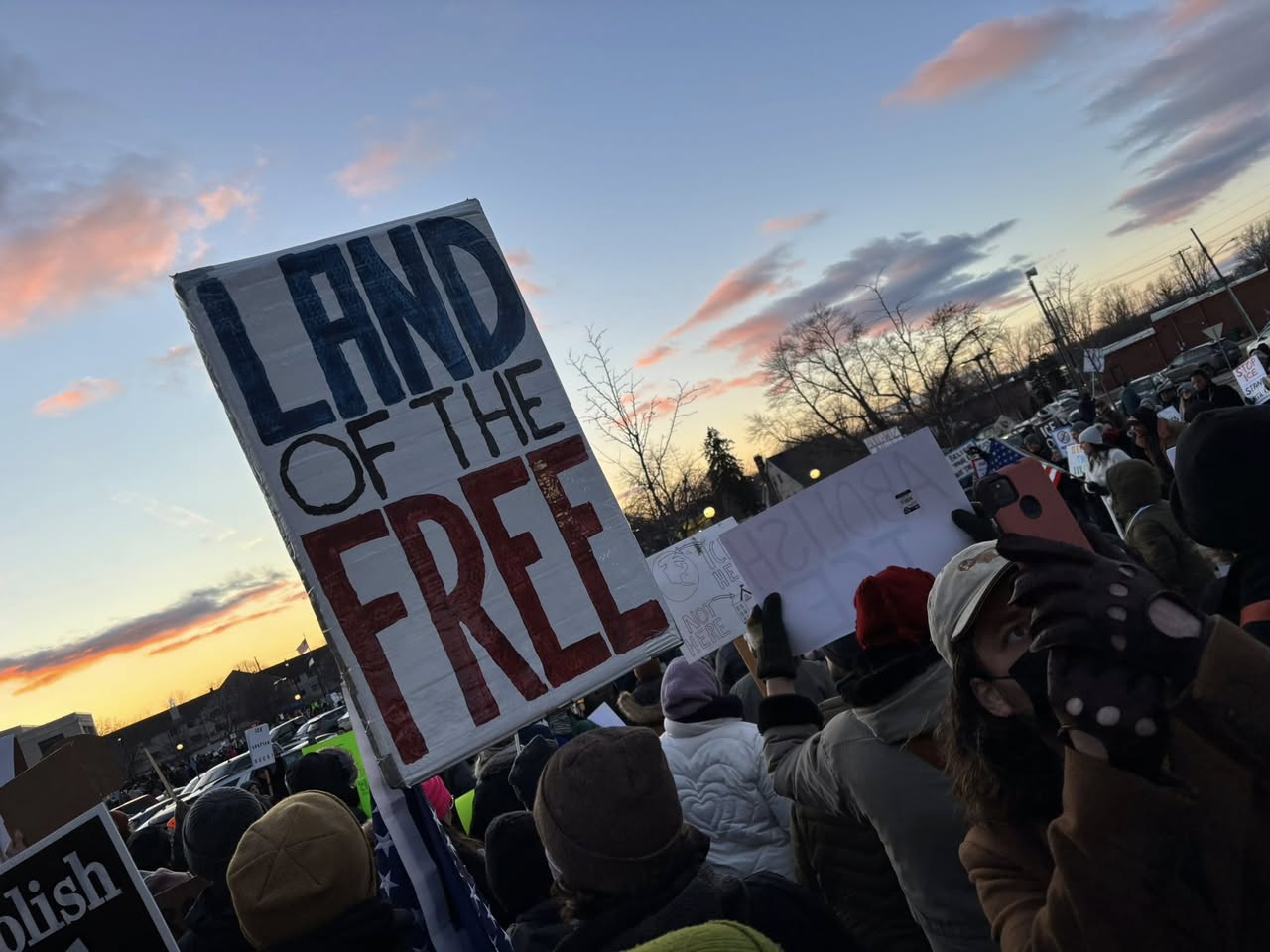
a large and passionate crowd turned out in the cold last night 

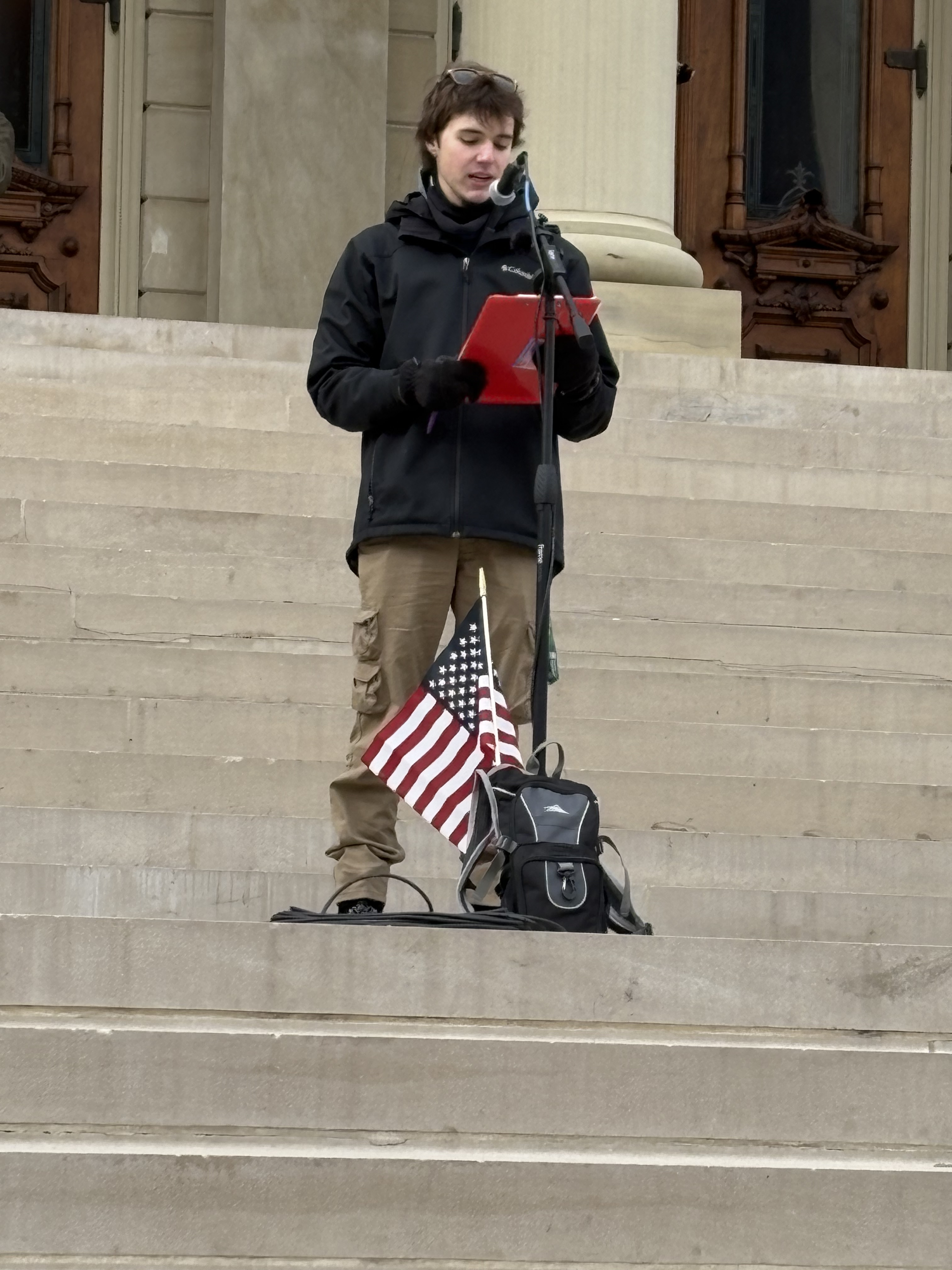
speakers, chanters, singers, hot cider, flags, signs, hand warmers

even a counter-protester

before the city council met

some community members

spoke at the meeting

the Romulus city council

unanimously approved a resolution

against a planned ICE detention center

in which they outbid an auto supply company

to purchase a vacant building in the city

during the meeting

the mayor  said the city will not issue a permit or a certificate of occupancy

unless mandated by a federal judge to do so

next step is to take it to the state

power of the people.

‘the time is always right to do what is right.’

-Reverend Dr. Martin Luther King Jr.

american sampler.

Standard


American Sampler

Activating the Archive

Guest Curator: Julie Ault, Artist

Jan, 2026 – Ongoing

Vertical Gallery

THE ART, LANGUAGE, AND LEGACY OF PROTEST
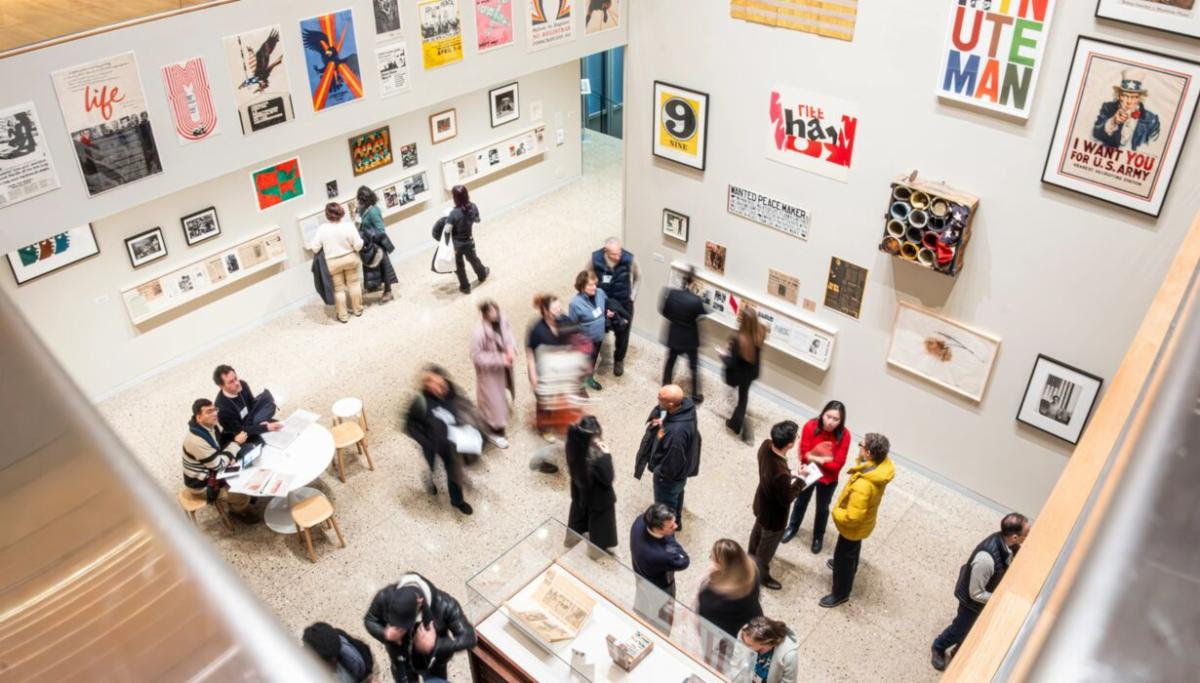
 This archive looks back to a period when protest reshaped the nation. Curated by MacArthur Fellow Julie Ault in collaboration with the University of Michigan’s Labadie Collection of political dissent, this eighteen-month exhibition transforms UMMA’s towering Vertical Gallery into a living record of activism.

Bringing together artworks, archival documents, and rare ephemera from the 1950s through the 1970s, American Sampler explores the interconnected movements for Black Freedom, civil rights, and resistance to the Vietnam War—and the visual strategies that gave them power. Through striking juxtapositions of art and protest material, the exhibition asks visitors to consider how acts of dissent are built, communicated, and remembered.
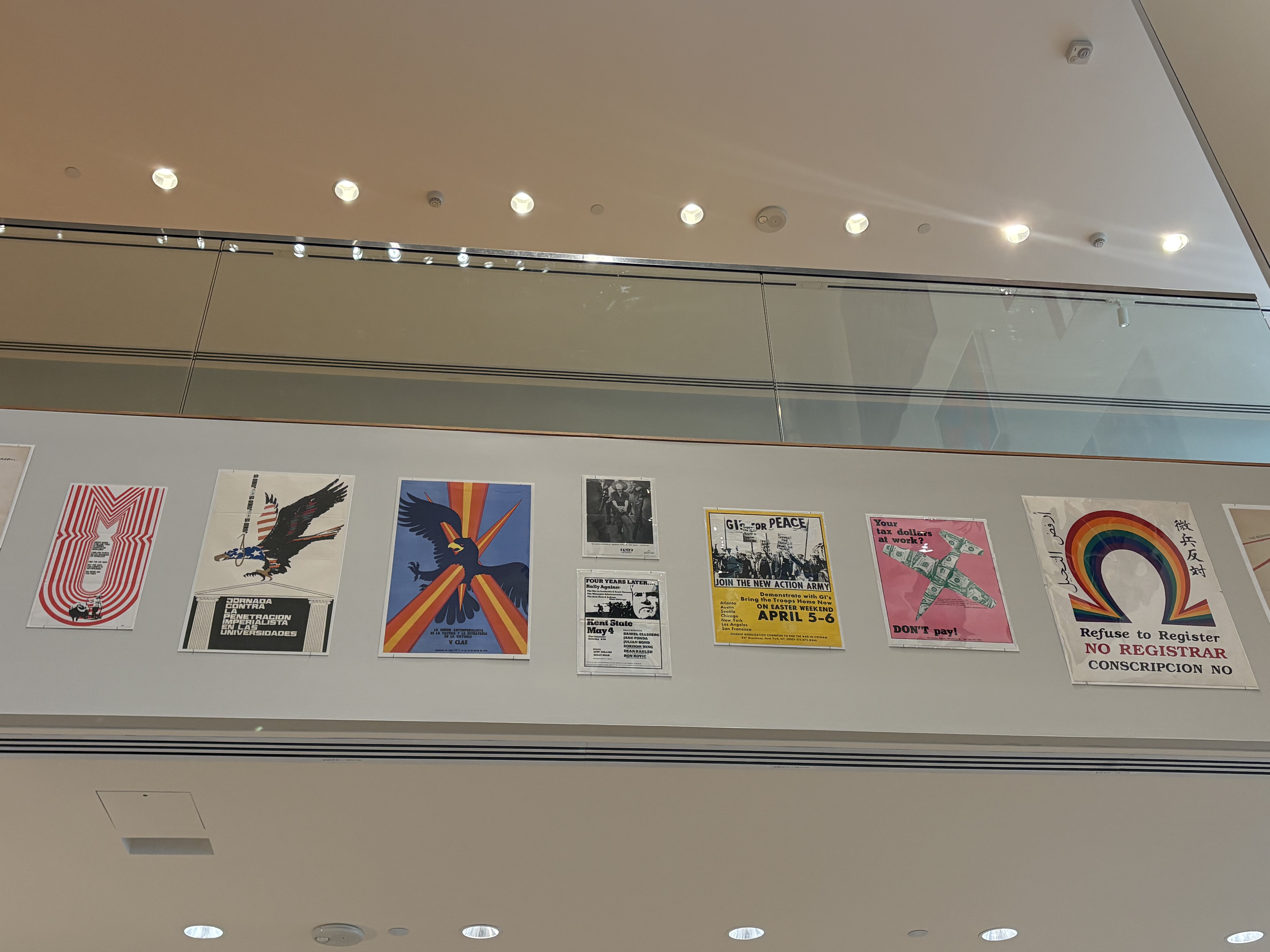
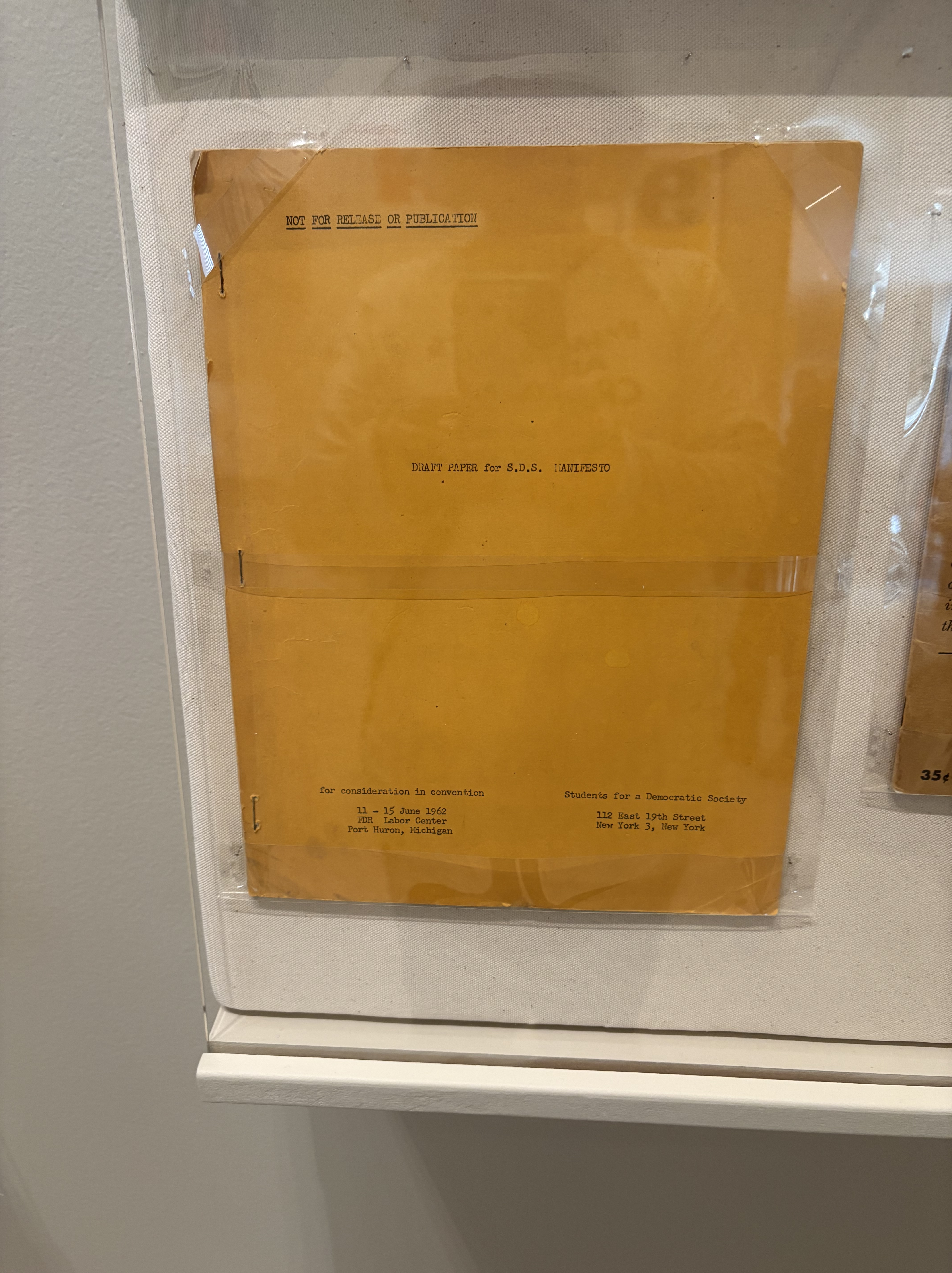
Featuring works by Romare Bearden, Robert Indiana, Corita Kent, Jacob Lawrence, Nancy Spero, Félix González-Torres, and others alongside archival materials such as protest posters, Freedom Rider testimonials, GI resistance material, and courtroom records from the Chicago Seven trial, American Sampler uplifts the shared aims of art and activism. Opening in advance of the United States’ 250th anniversary, Ault offers a timely reflection on dissent as a cornerstone of American democracy and identity.
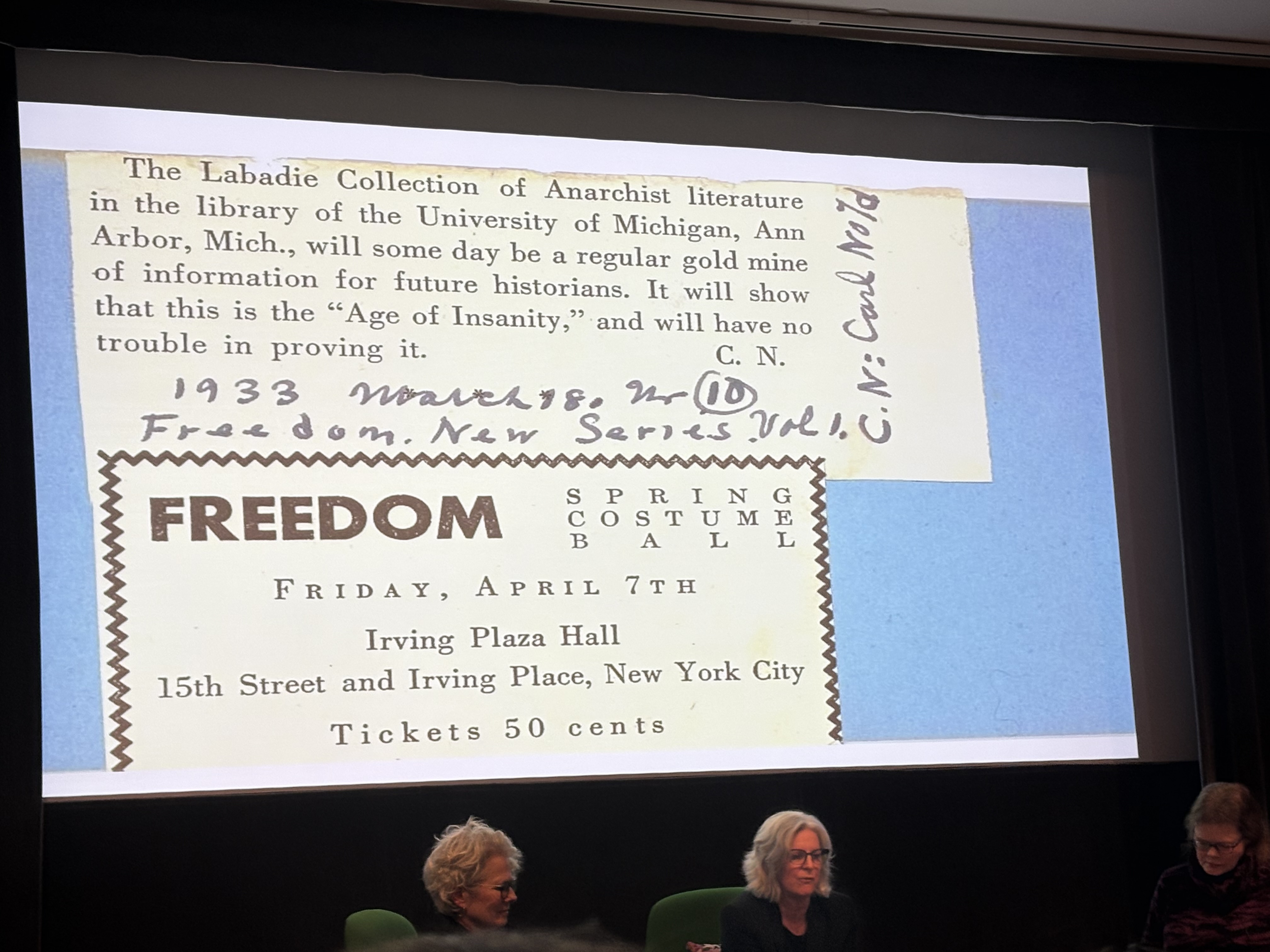
I went to see American Sampler and it was fascinating to see the artistic and written expression of artists, writers, and activists of the past. Original documents, posters, writings and historical pieces were on display, and I learned many new things about the history of politics, protest, and social movements in the process. Afterwords, I attended a discussion with the curator of the University of Michigan Library’s Labadie Collection, Julie Herrada, who worked closely with artist and curator, Julie Ault on the project.

“artists are the gatekeepers of truth.

we are civilization’s radical voice.”

-paul robeson
involved.

Standard

on a cold and bright morning

at january’s end

the students organized

the townies arrived

 we stood together 

marched as one

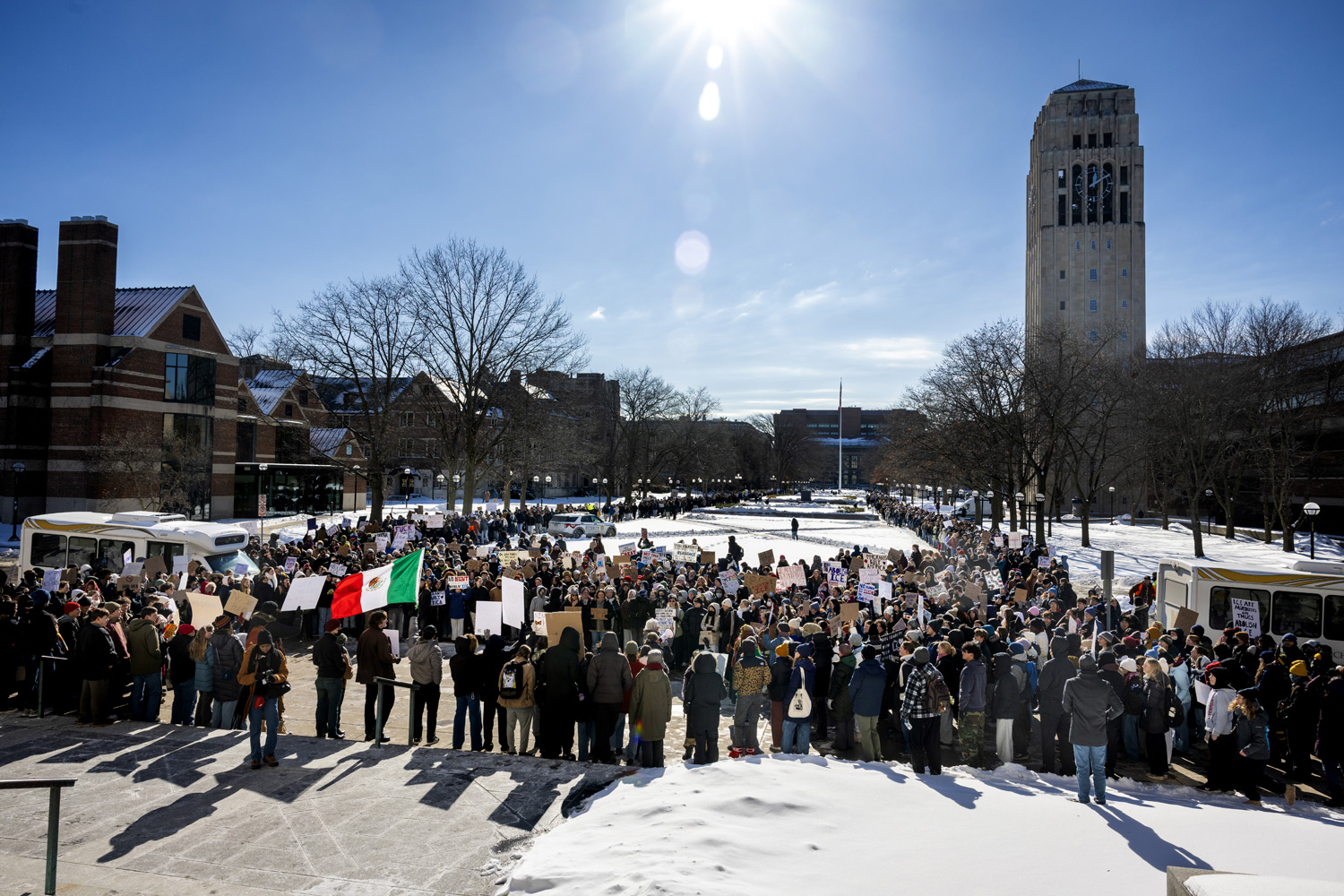
2,000+ students and local residents gathered on the university of michigan diag in ann arbor and marched across campus and through the city to protest the administration’s use of Immigration and Customs Enforcement in michigan and across the nation.


‘at this crucial time in our lives, when everything is so desperate, when every day is a matter of survival, i don’t think you can help but be involved.’

-nina simone, jazz singer, pianist, and civil rights activist 


image credit Marcin Szczepański


‘resist much, obey little.’- walt whitman

Standard

how i spent my sunday afternoon in ann arbor

it was snowy but full of fired up people

‘i need to be able to tell my grandchildren i did not stay silent.’

detroit in the streets.

Standard

thank you to my fellow michiganders for showing up

on the streets of detroit with me

and to all those who showed up anywhere

to make our voices heard

 ‘words empowered by justice can never be silenced.’

-Isabel Ibanez, author

‘hope will never be silent.’ – harvey milk

Standard


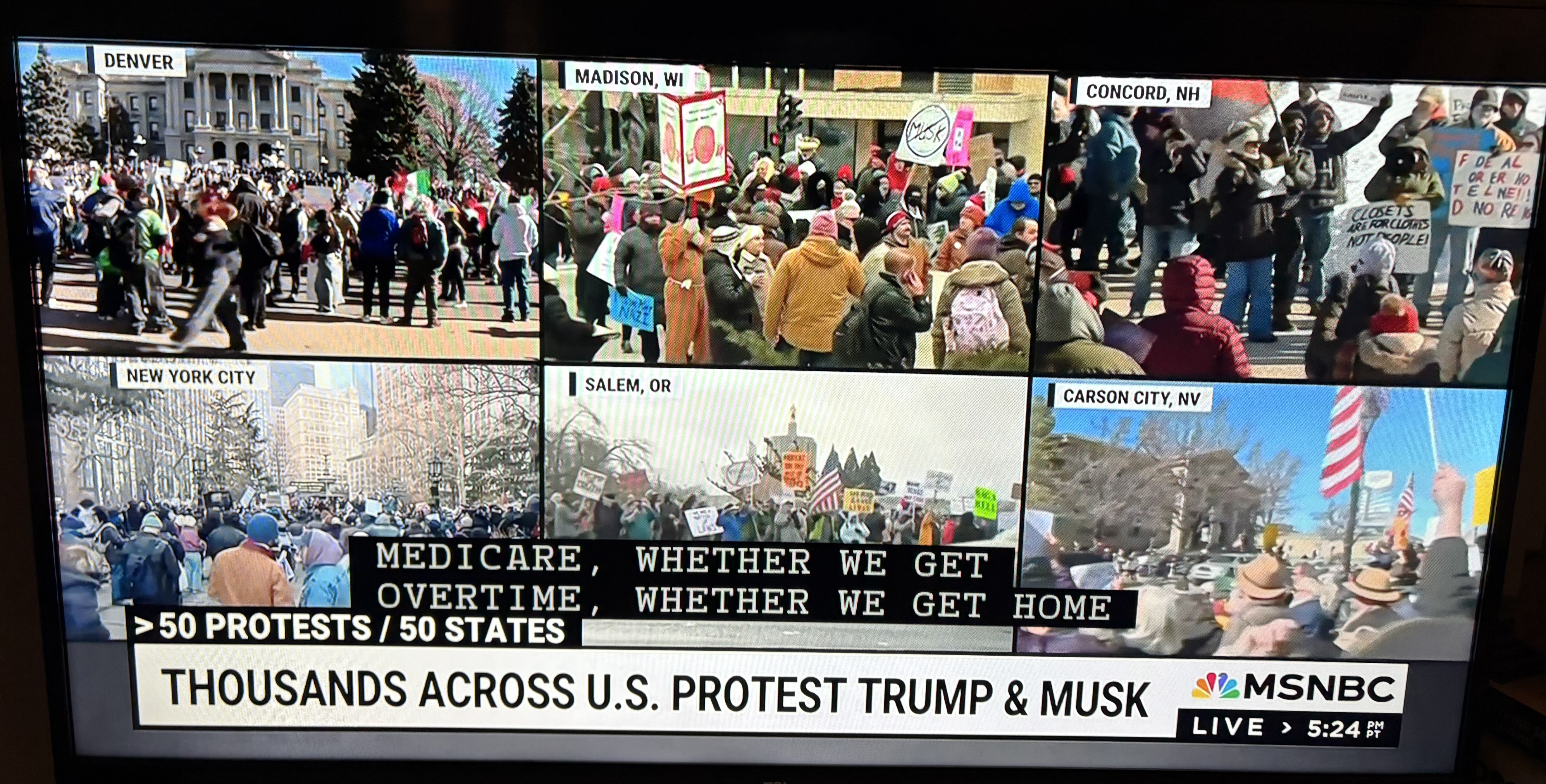
50 protests/50 states/50  capitols

good to be one small part of 

these peaceful protests

filled with people

refusing to be silenced

in my state capitol of lansing, mi, usa

and all around  the country

people traveling long distances

sharing rides

taking time off of work or school

in cold and bad weather

to show their refusal to sit down

 lawmakers of all ages and races and genders spoke out

this young activist, a local college student

who helped to organize our state’s  protest 

spoke with passion and cried

while addressing 

why this is so important 

already understanding at such a young age

some truths are universal

proud to stand with each and every one of them

on national tv tonight – protests in states across the nation

united in their cause. 


“in matters of truth and justice, there is no difference between large and small problems,

for issues concerning the treatment of people are all the same.’

-albert einstein

birmingham.

Standard

Letter from Birmingham Jail

In the spring of 1963, Dr. Martin Luther King, Jr. organized a demonstration in downtown Birmingham, Alabama. With entire families in attendance, city police turned dogs and fire hoses on demonstrators. King was jailed along with large numbers of his supporters, but the event drew nationwide attention.

In his famous Letter from Birmingham Jail, King eloquently spelled out his theory of non-violence:

“Nonviolent direct action seeks to create such a crisis and foster such a tension that a community,

which has constantly refused to negotiate,

is forced to confront the issue.”


credits: biography, history channel, photo credit: the atlantic

the final word.

Image

open society.

Standard

 powerful messages found everywhere


“in an open society, no idea can be above scrutiny, just as no people should be beneath dignity.”

-maajid nawaz


grand trunk pub, detroit, michigan, usa -2020

get in the way.

Standard

The Bloodiest Sunday 

Bloody Sunday was a cruel incident that occurred on March 7, 1965  in Selma, Alabama. Six hundred orderly protesters were ready to march to Selma on a Sunday to support the Voting Rights Movement. They were led by John Lewis, SNCC, and SCLC activists. All six hundred of them crossed the Edmund Pettus Bridge, but were blocked by Alabama State Troopers. The police commanded them to turn around, but the protesters refused. The police say ‘they had no choice’ other than to start shooting teargas into the crowd, and beating the non-violent protesters. Sadly, they hospitalized over sixty people. To this day, Lewis still has a visible scar on his forehead from Bloody Sunday. This week, I watched as you made one final trip over that bridge, in your casket, with Alabama State Troopers saluting you, and people holding you in their hearts for all you did for them. You will always be remembered as a brave and compassionate leader who truly led by example.

RIP, John Lewis, thank you for always getting in the way, and showing us how it’s done.


“you must be bold, brave, and courageous and find a way… to get in the way.”

-john lewis