Tag Archives: art

american sampler.

Standard


American Sampler

Activating the Archive

Guest Curator: Julie Ault, Artist

Jan, 2026 – Ongoing

Vertical Gallery

THE ART, LANGUAGE, AND LEGACY OF PROTEST
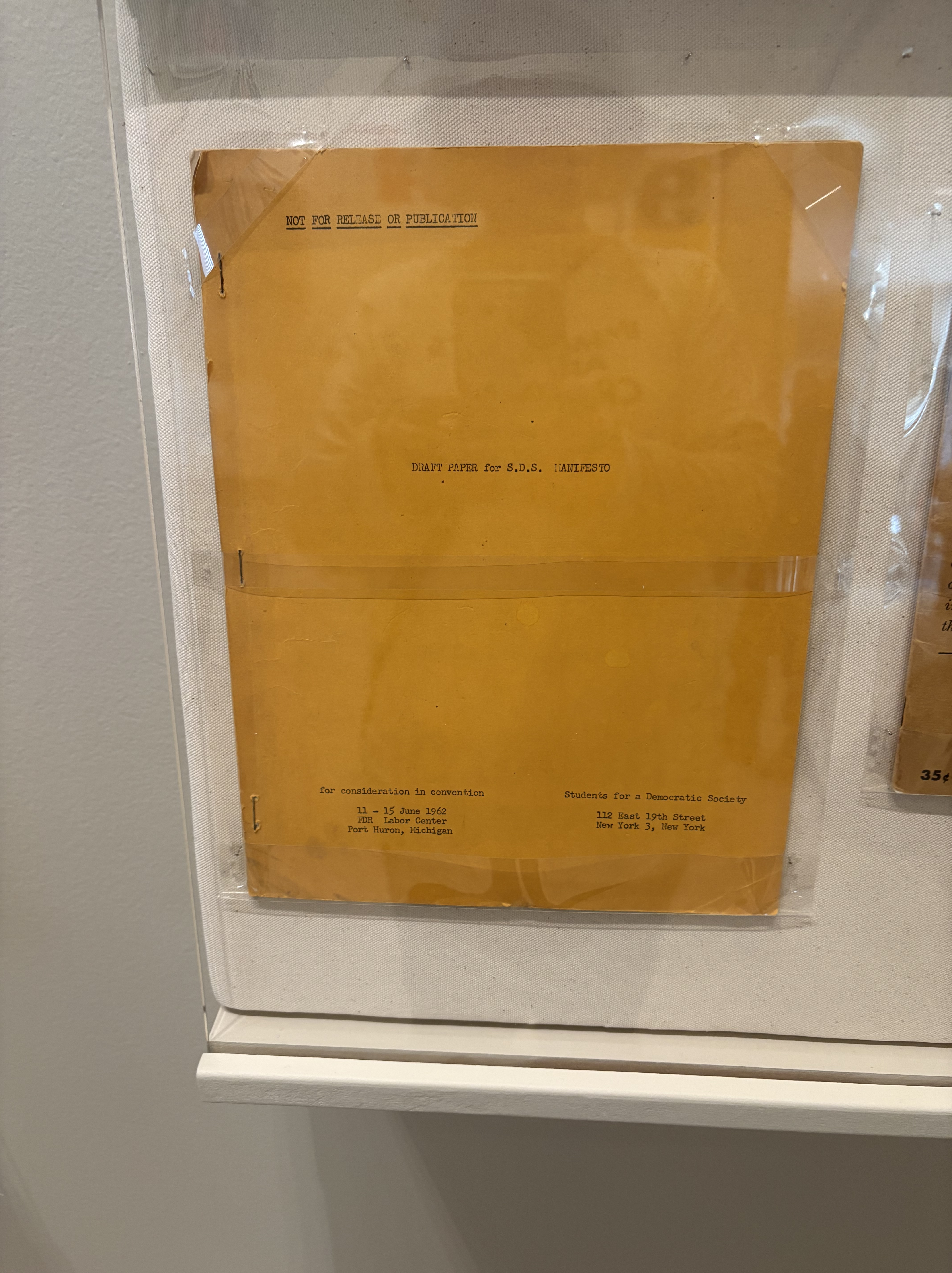
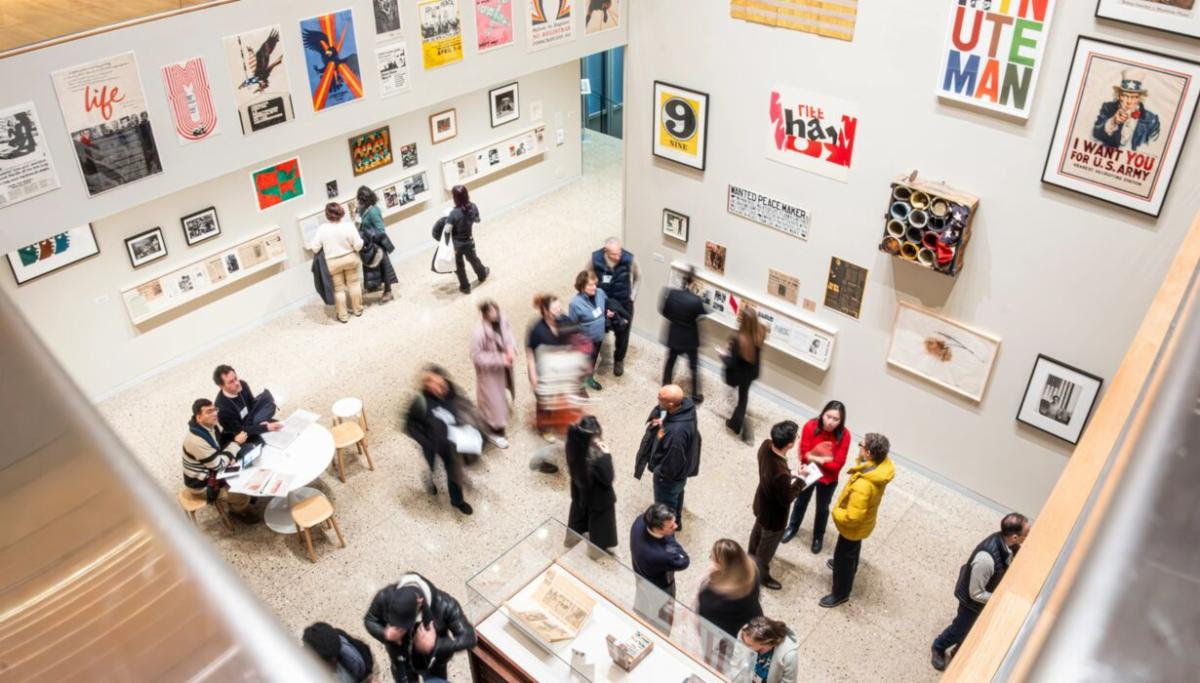
 This archive looks back to a period when protest reshaped the nation. Curated by MacArthur Fellow Julie Ault in collaboration with the University of Michigan’s Labadie Collection of political dissent, this eighteen-month exhibition transforms UMMA’s towering Vertical Gallery into a living record of activism.

Bringing together artworks, archival documents, and rare ephemera from the 1950s through the 1970s, American Sampler explores the interconnected movements for Black Freedom, civil rights, and resistance to the Vietnam War—and the visual strategies that gave them power. Through striking juxtapositions of art and protest material, the exhibition asks visitors to consider how acts of dissent are built, communicated, and remembered.
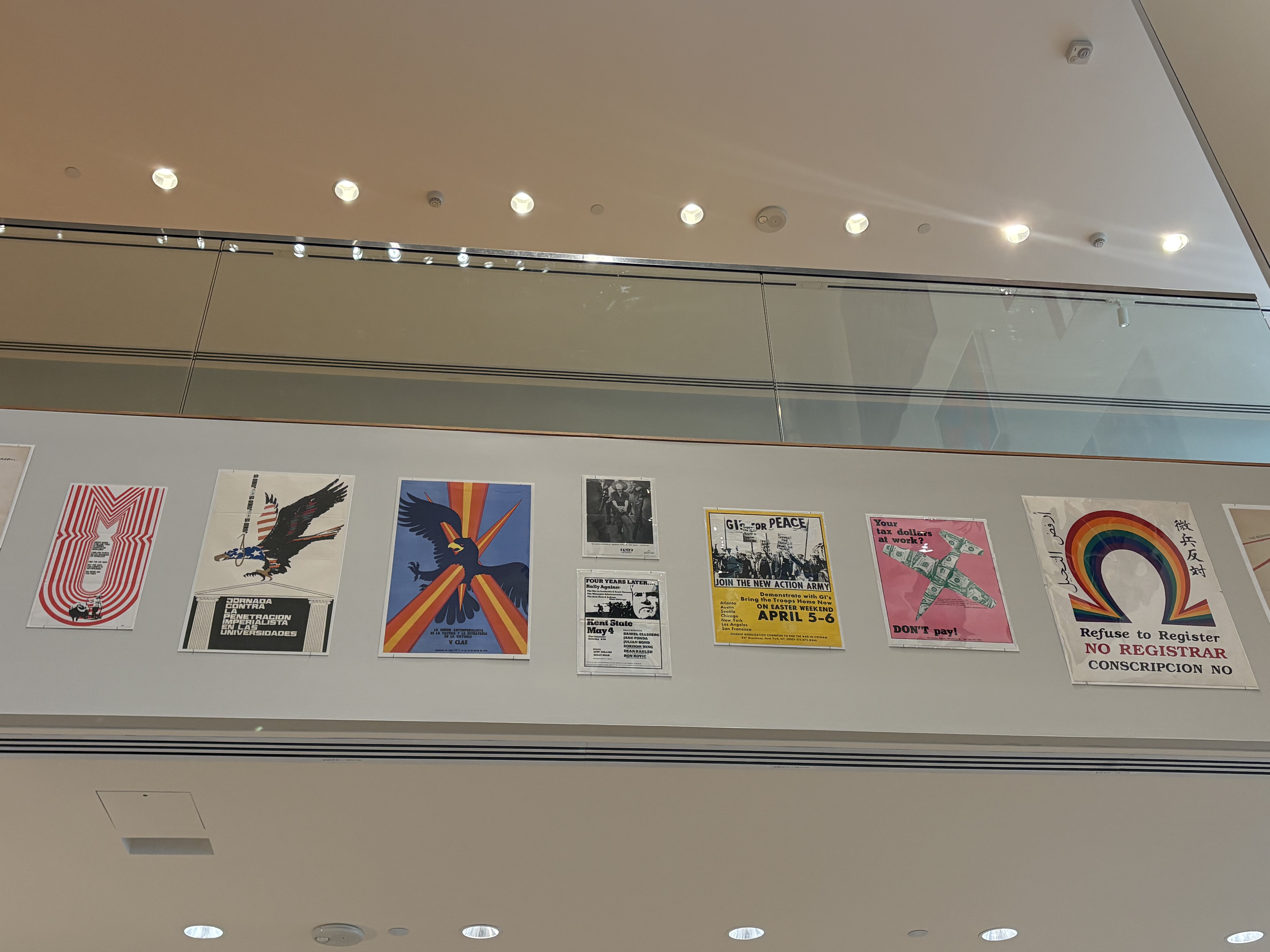
Featuring works by Romare Bearden, Robert Indiana, Corita Kent, Jacob Lawrence, Nancy Spero, Félix González-Torres, and others alongside archival materials such as protest posters, Freedom Rider testimonials, GI resistance material, and courtroom records from the Chicago Seven trial, American Sampler uplifts the shared aims of art and activism. Opening in advance of the United States’ 250th anniversary, Ault offers a timely reflection on dissent as a cornerstone of American democracy and identity.
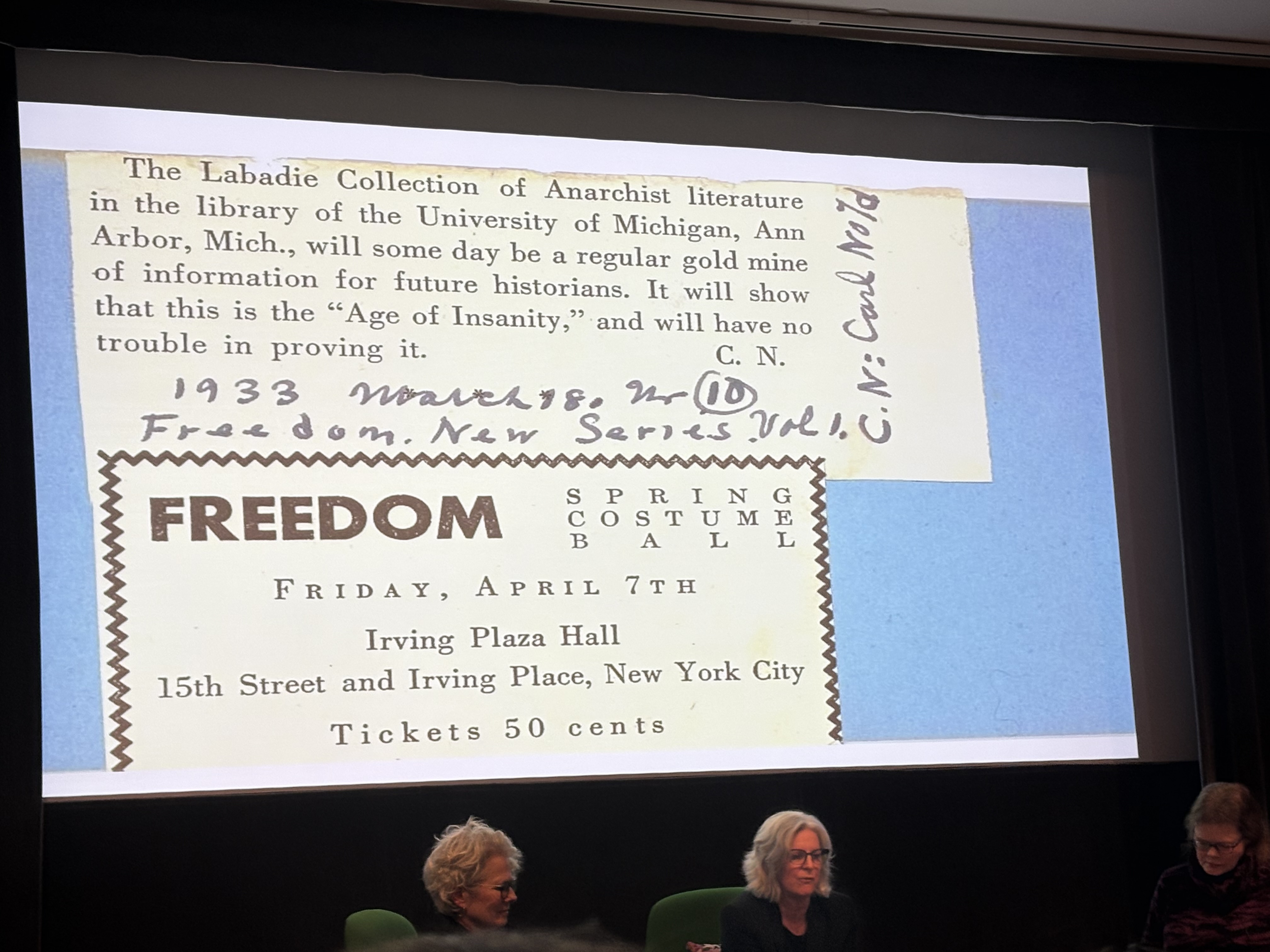
I went to see American Sampler and it was fascinating to see the artistic and written expression of artists, writers, and activists of the past. Original documents, posters, writings and historical pieces were on display, and I learned many new things about the history of politics, protest, and social movements in the process. Afterwords, I attended a discussion with the curator of the University of Michigan Library’s Labadie Collection, Julie Herrada, who worked closely with artist and curator, Julie Ault on the project.

“artists are the gatekeepers of truth.

we are civilization’s radical voice.”

-paul robeson
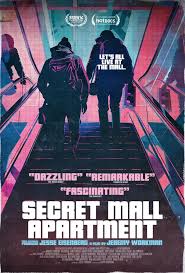
secret mall apartment.

Standard

Secret Mall Apartment takes you inside the wild true story of a hidden apartment built in a shopping mall.

The 2024 documentary, now streaming on Netflix  revisits the artists who built a secret apartment inside the Providence Place mall in Providence, R.I. The eight Rhode Islanders hung out/lived in the 750-square-foot space on and off for four years, from 2003 to 2007.

The group of artists came up with the plan after real estate developers tore down their artists’ commune about a mile away from what would become the mall. In addition to being a statement against the developers, the space was also used as an art collective for local artists planning projects.

The story went untold for years, but the eight people got together to tell their wild tale in the documentary, Secret Mall Apartment. “This is an insane climb up the cultural ladder — from absolute obscurity to something where so many people have at least the option of seeing it,” they told Boston.com in January 2026.

To document their piece of performance art, they bought cameras from the Radio Shack and filmed their journey.

“The archival footage is just incredible,” Secret Mall Apartment director Jeremy Workman told Columbia University School of the Arts. “They filmed everything with this tiny ridiculous camera they bought for $129 at Radio Shack, and it was small enough to fit in an Altoids case, which made it easy for them to film constantly.”

Workman has said that as he worked on this film, he “quickly learned that they created the secret apartment to make a statement against gentrification. They had lost their homes as a result of development, and this was their unique personal way to show developers that they weren’t going anywhere.”

I was fascinated by their story, where the idea sprang from, and how it grew over time. The things they were able to pull off at the mall and the art they created outside in the world away from the mall were extremely creative and amazing. It’s an unusual documentary that asks the question about what is art and what is real life? The line is often blurry.

‘art hurts. art urges voyages- and it is easier to stay at home.’

-gwendolyn brooks


*Gwendolyn Brooks (1917-2000) was an American poet, author and teacher,  famous for being the first African American to win the Pulitzer Prize.

source credits: Boston.com, Dwell Magazine, Rhode Island Monthly

brave new world.

Standard


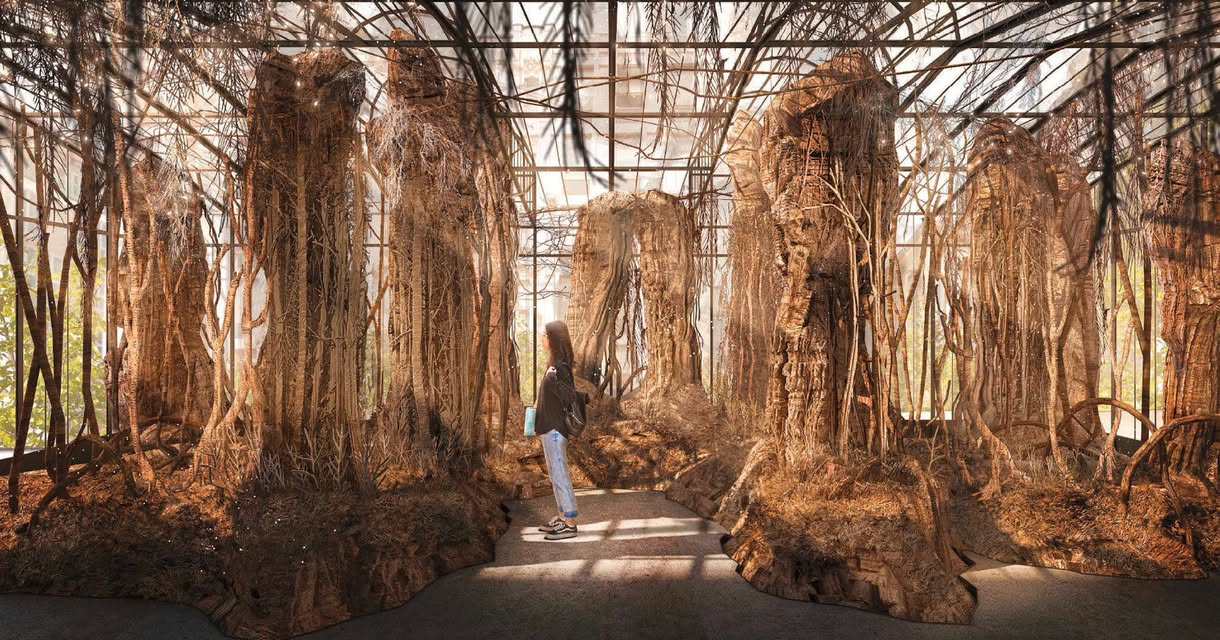
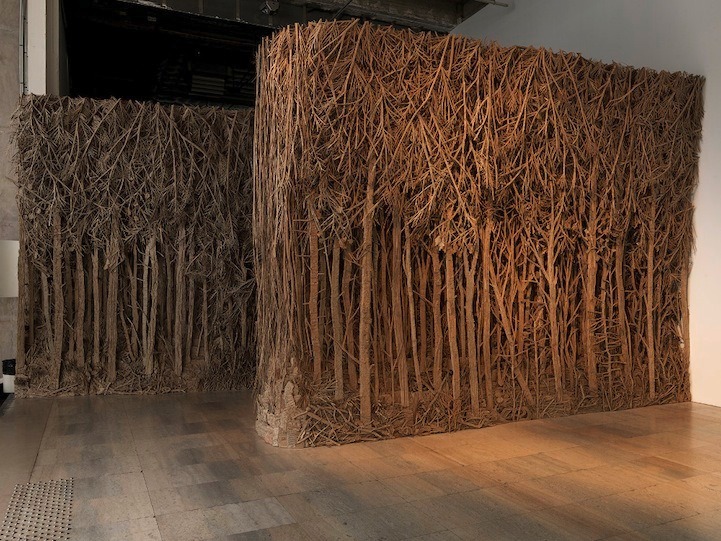
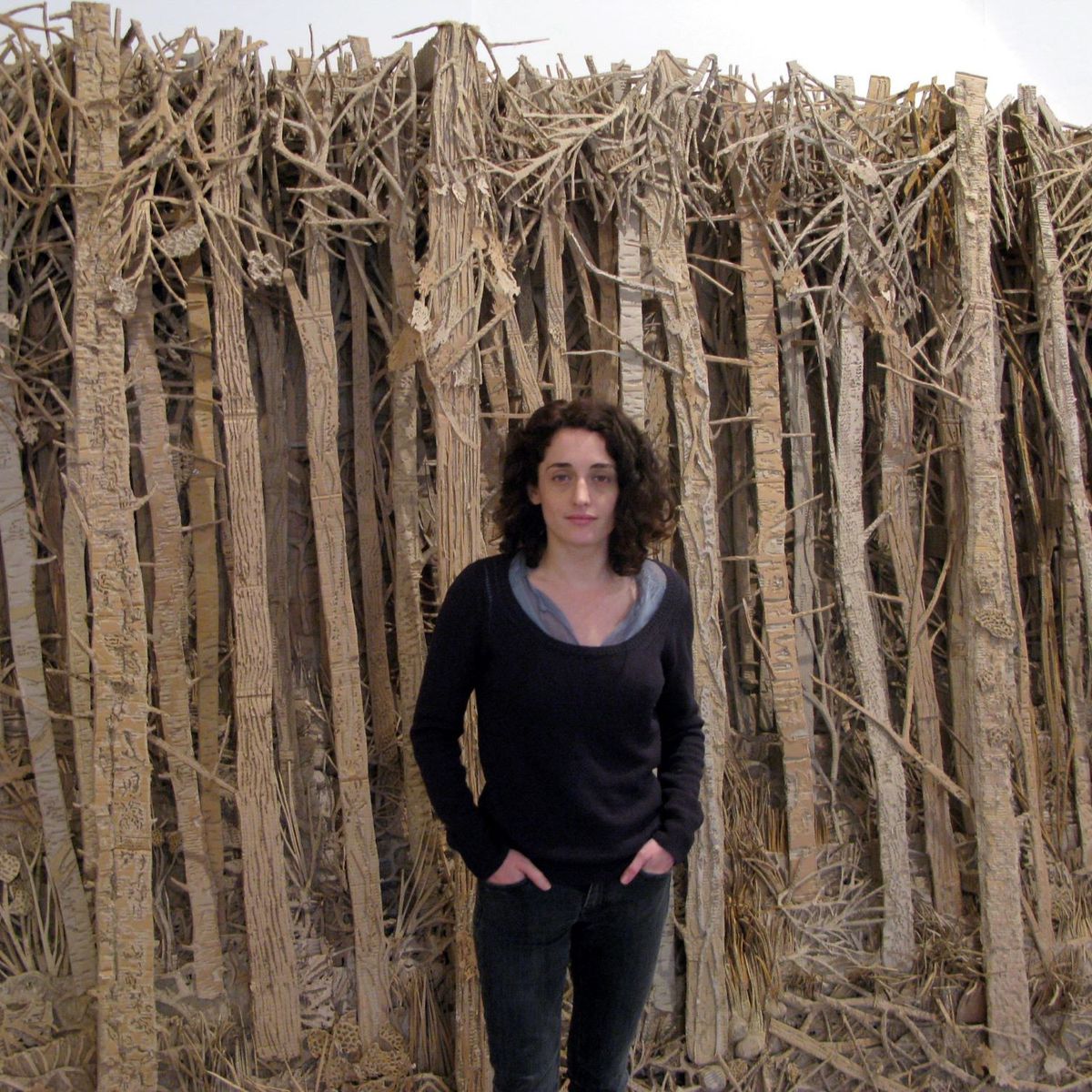
 Eva Jospin creates magical forests out of cardboard


A few panels from the Forest series–

there are 50 panels that slot together to create a maze. Tar on plywood.


‘creativity takes courage.’

-henri matisse


Eva Jospin, born in 1975 in Paris, is a graduate of the École Nationale Supérieure des Beaux-Arts de Paris. For the past fifteen years, she has been creating meticulous forests and architectural landscapes, which she explores through various media. Whether drawn in ink or embroidered, carved from cardboard or sculpted in bronze, her works evoke Italian Baroque gardens, the rocaille decorations of the 18th century, and artificial grottos.

link to her full bio:

https://www.galleriacontinua.com/artists/eva-jospin-320/biography


source credit: art, artists, artwork, ann klefstad

Leng Jun.

Standard

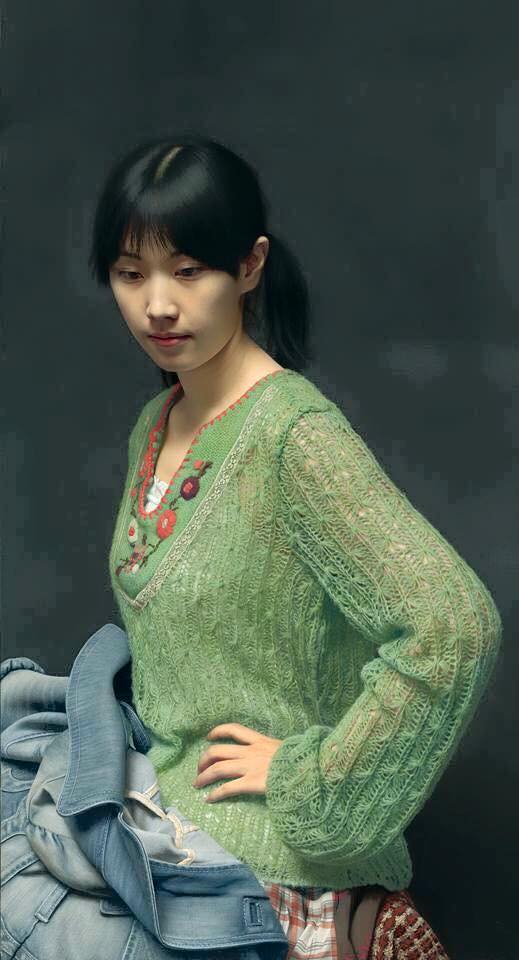
Hyperrealistic Painting by Leng Jun

Chinese painter Leng Jun is known for his hyperrealistic portraits of women.
This portrait of Xiao Jiang in oil (2013) is considered by some
to be the most realistic painting in the world. 

Creating portraits that are startlingly lifelike, Chinese artist Leng Jun is a master of hyperrealism.The accomplished painter is particularly known for his detailed oil paintings of women, where every wisp of hair and fiber of clothing is rendered to perfection. Born in 1963, Leng came of age during a time of great economic reform known as the Opening of China. This great cultural change, and the Western influences it introduced, greatly influenced his art.

Interested in painting from a young age, he first experimented with oil paint while in middle school. Though no oil paints were readily available in China at the time, a friend gave him a few colors to experiment with. These early experiments stayed with him and so he continued his studies with a steady flow of information from the West helping to shape and mold him as a painter.

Though he was well respected as an artist prior, it was after his 2004 oil painting titled Mona Lisa that his work went viral. This photorealistic portrait of a woman was based on the principles of Leonardo da Vinci’s iconic painting  but depicts a modern woman. This work was followed by a series of photorealistic portraits of women, each more detailed than the next. By examining the details, one can appreciate the precise brushstrokes that pull out each aspect of the sitter.

While there is some criticism that these works look too much like photographs, Leng maintains that anyone seeing the paintings in person won’t be deceived. It’s not his intent to compete with or imitate a photograph, but rather he’d like to push his art to its limits. By balancing technical skill with the ability to bring emotion to his paintings, he’s been able to touch people around the world.“

“I want to push my painting skills to a higher level. What is the most difficult thing? To paint people. For example, still life or rusted metals, they’re not something we see every day. People deal with people the most and people are most familiar with people. To portray people and make others believe is the hardest thing.”


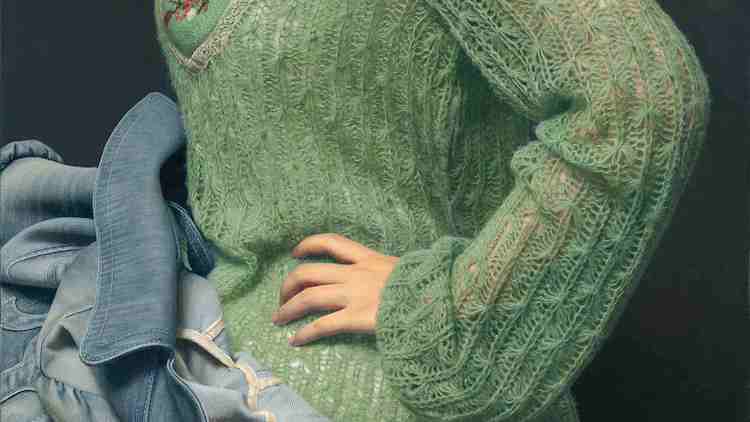
Photorealism by Leng Jun

Photorealistic Art by Leng Jun

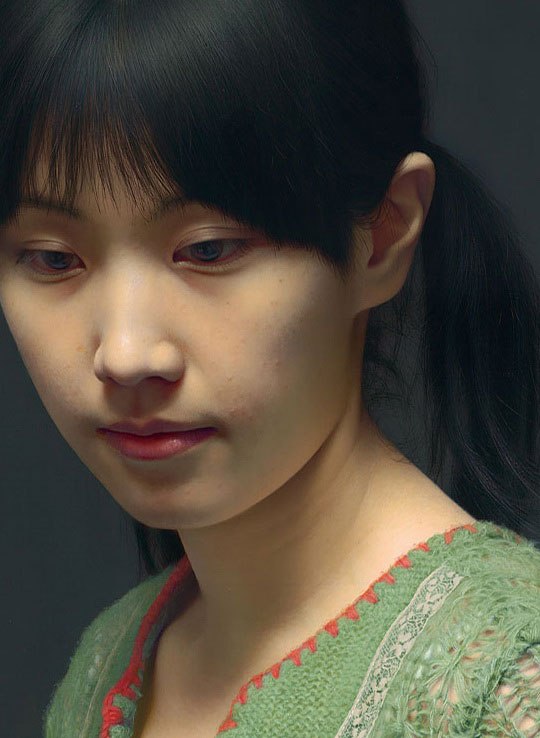
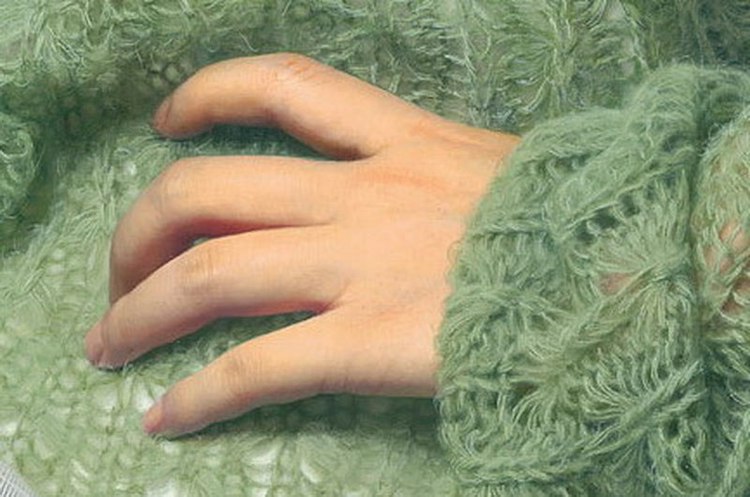
Every detail of the model, from wisps of hair to fibers of clothing,
is rendered with precise detail.

Photorealistic Art by Leng Jun

Hyperrealistic Oil Painting by Leng Jun

“the position of the artist is humble. he is essentially a channel.”

-piet mondrian


source credits : my modern met, jessica stewart

paix.

Standard

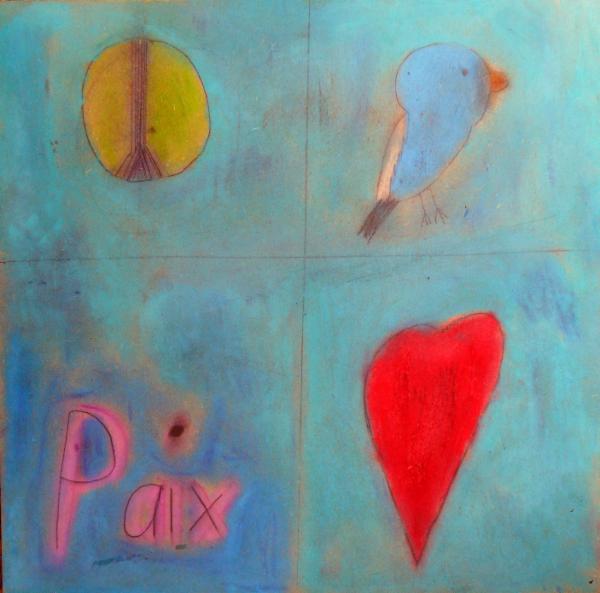
*Art credit: Armaan A, Brunaby, Canada, Age 7

‘peace and not war is the father of all things.’

-ludwig von mises

*PAIX is the French word for peace, coming from the Latin word pax, and is used in names, art, and as a symbol for harmony and the absence of conflict. It signifies tranquility, agreement, and the cessation of war, appearing in French culture in names and artistic expressions.

*Armann’s painting above was part of the following project:

Art For Peace

International Art Contest for Young People

United Nations Office for Disarmament Affairs

Harmony for Peace Foundation


something lost, something gained.

Standard

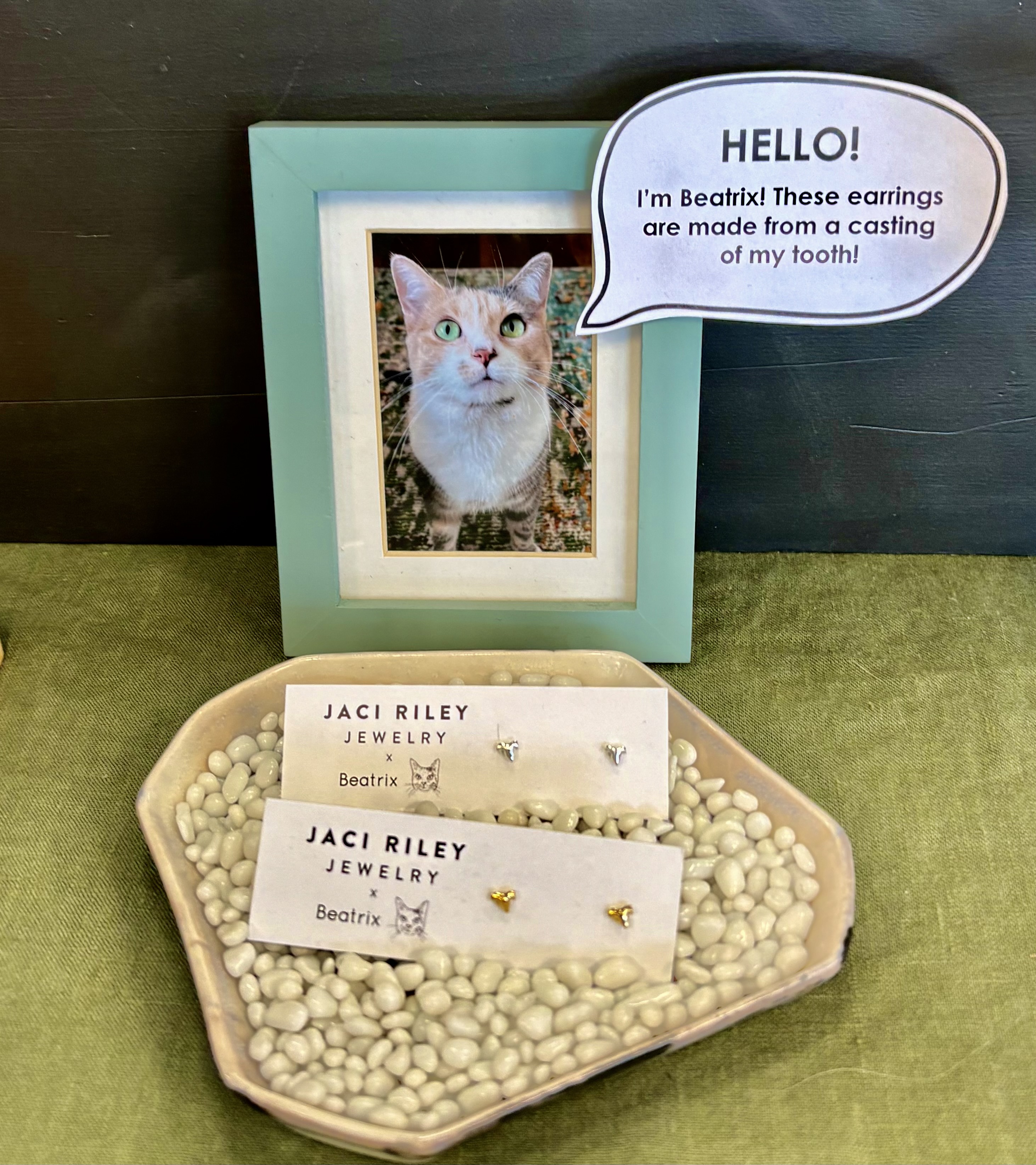
the tiny expo art show

at our downtown library

had a wide range of artists 

with beautiful work

one of the most unusual

was some of jaci riley’s work

tiny earrings 

cast from her cat, Beatrix’s lost tooth.

“the world is a museum of passion projects.”

-john collison

nothing more nor less.

Standard

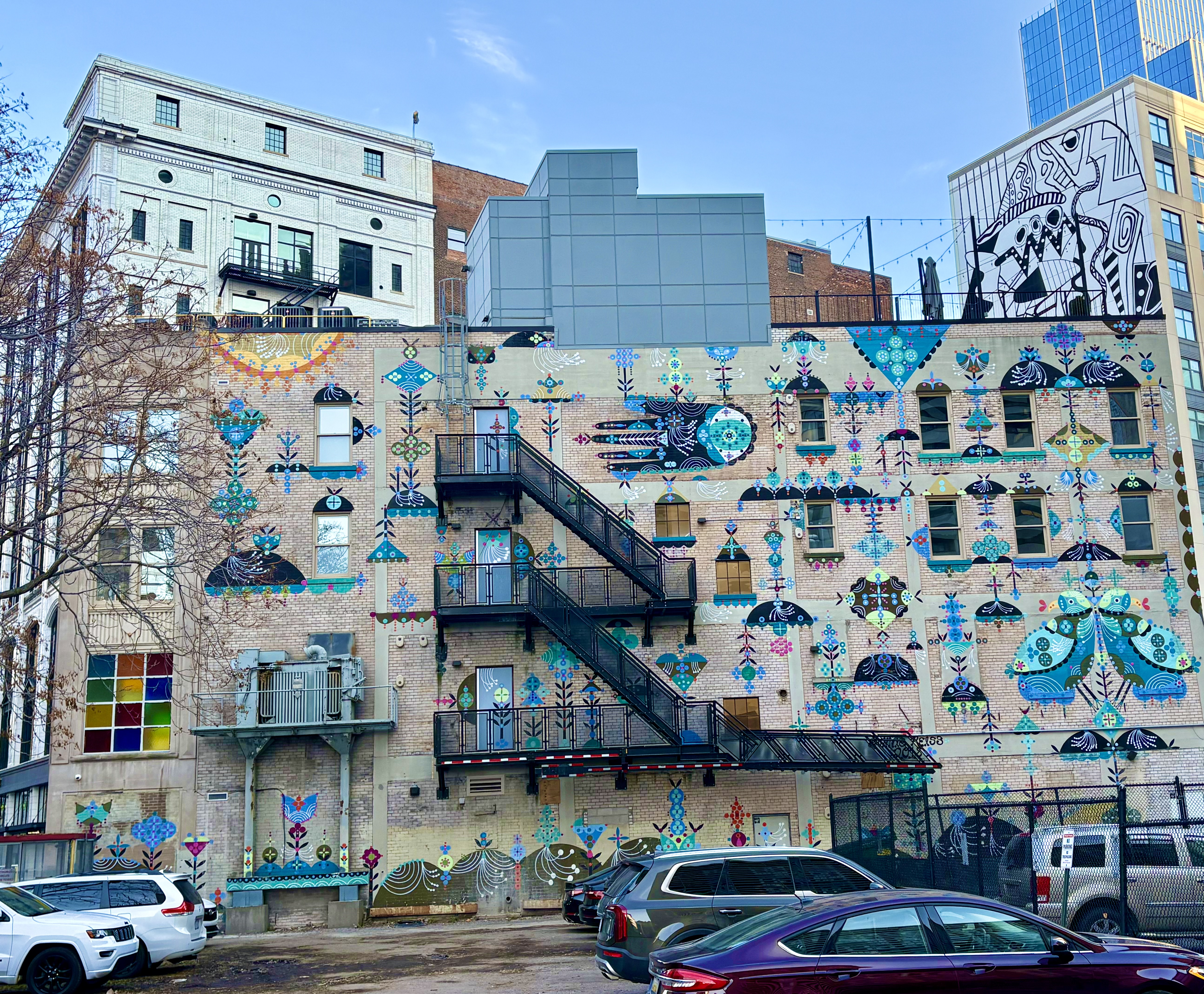
early evening in the washington boulevard historic district of detroit

i’m reminded of the whimsy of willie wonka’s chocolate factory

‘genius is nothing more nor less than childhood recovered at will.’
-charles baudelaire
*Charles Baudelaire was a 19th-century poet French poet, critic and essayist who explored themes of modernity, urban life, and decadent beauty. He is considered a father of modern poetry and an influential figure in Symbolism, a movement he helped inspire through his exploration of subjective experience, mortality, and “spleen”—a state of melancholy and ennui.  

Baudelaire was fascinated by the details of the bustling, modern city and its inhabitants, capturing both the beauty and the decay he saw in everyday life. 

man sitting by the stove.

Standard

“i will always be on the side of those who have nothing

and who are not even allowed to enjoy the nothing they have in peace.”

-federico garcía lorca

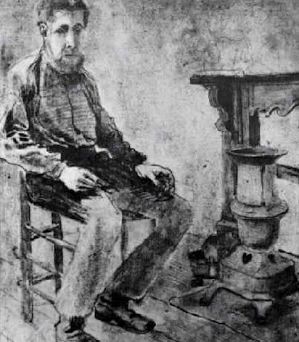
“Man Sitting by the Stove The Pauper” by Vincent van Gogh, created in 1882 in The Hague, Netherlands.  Chalk and pencil on paper. Currently held in a private collection.

palette.

Standard

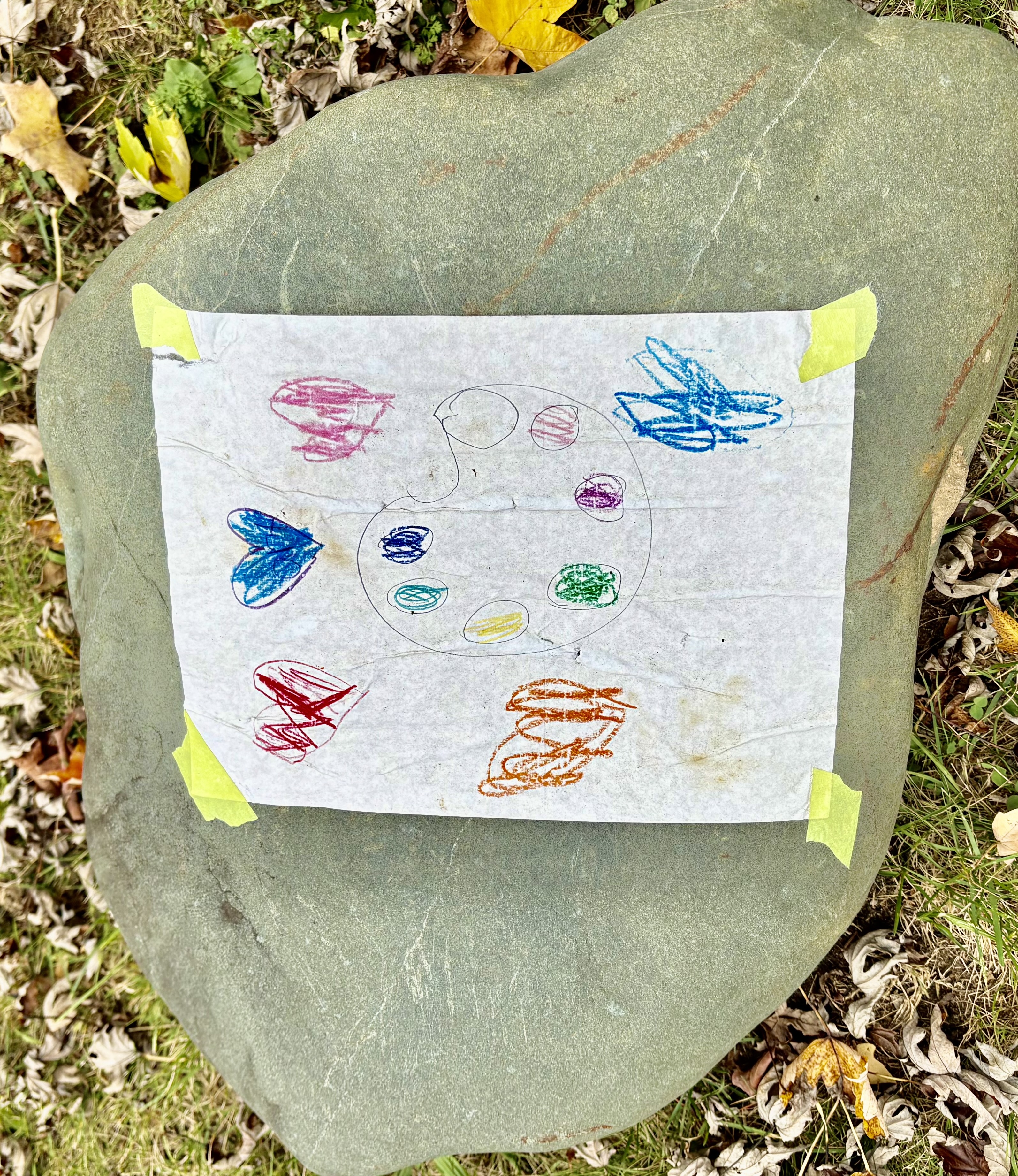
this thoughtful young artist

has left a painter’s palette

and kind hearts

for any passerby

feeling inspired

to create

using the colors left for them

moved by

the surroundings

and such kind generosity.

‘a world of colors on the palette remained….

wandering…

on canvases still emerging.’

-wassily kandinsky

‘creativity takes courage.’ – henri matisse

Standard

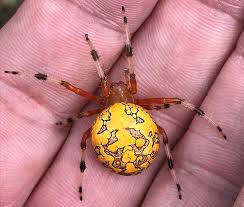
a colorful marble orb spider, not unlike this one, came down on its web

(and not on anyone’s hand, the spider above is a model/actor)

appearing as we were having a glass of wine outside before dinner

it lowered itself down checking us out

with excited and mixed reviews from the group

not long after

we moved inside

while some of us

were in the kitchen finishing up dinner preparation 

the rest of us were left to our own devices

 in the living room

with more beverages

and a tray of appetizers 

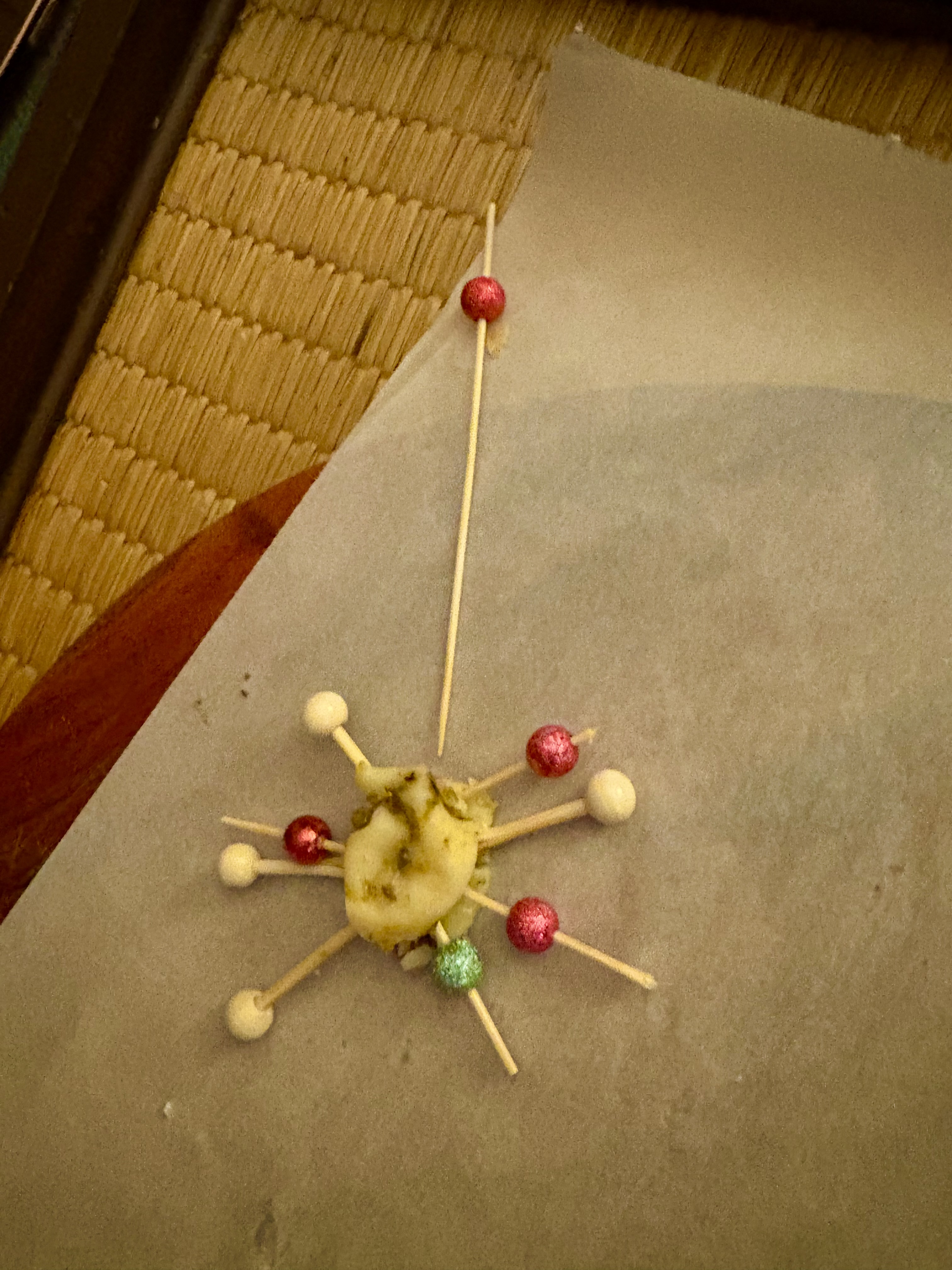
i thought it would be a great idea

to fashion 

a marbled orb spider hanging from its web

out of leftover pieces from the tray

everyone pitched in

when it was finished

it seemed a challenge

to decide which was more lovely 

the outside real spider

or 

the inside interpretive spider

art and beauty

are very personal choices

as we all know

‘life is like art. it’s all interpretive.’ 

-robert holden