Tag Archives: england

hickory, dickory.

Standard

 the 400-Year-Old Cat Door at Exeter Cathedral, Where Felines Were Once on Payroll

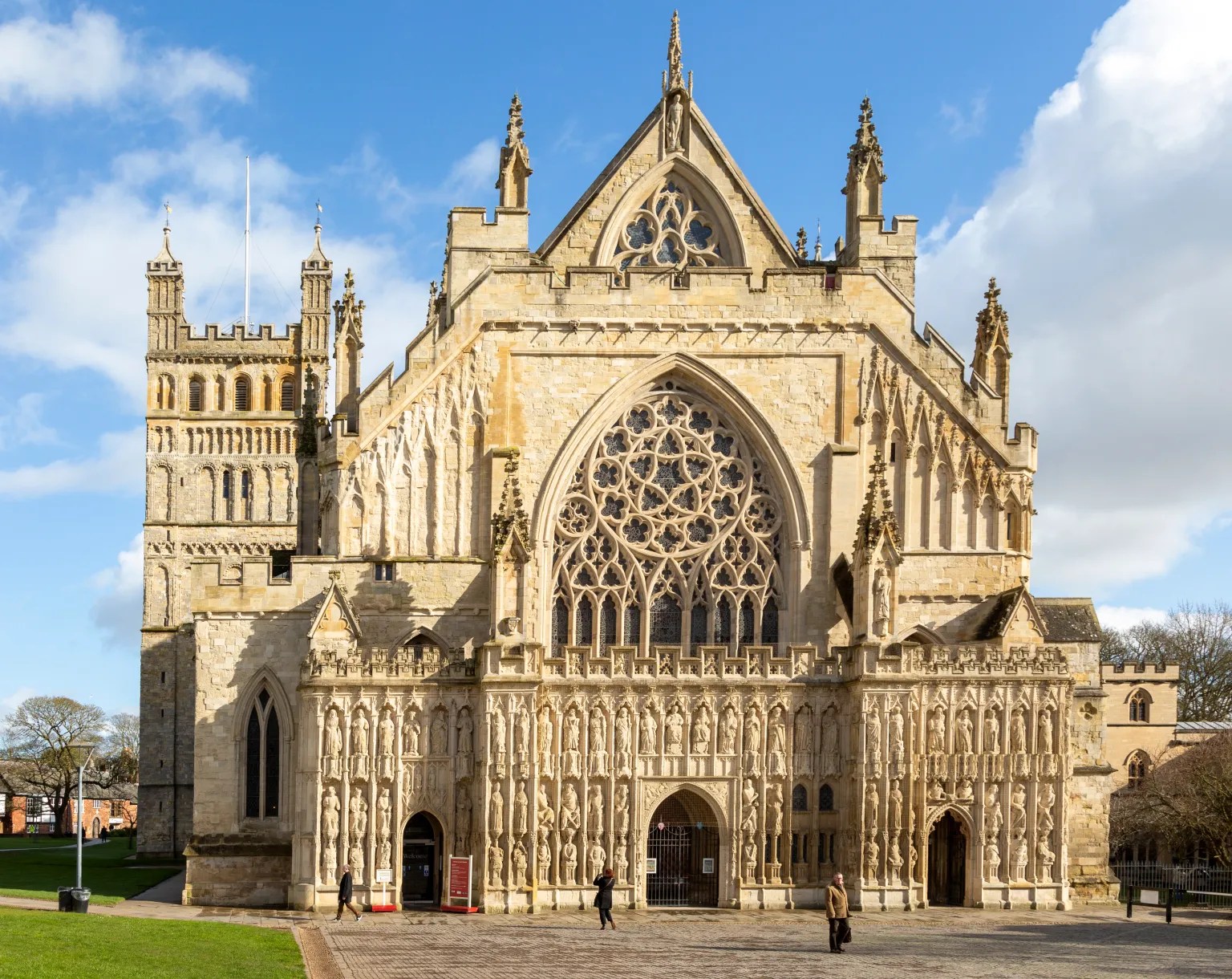
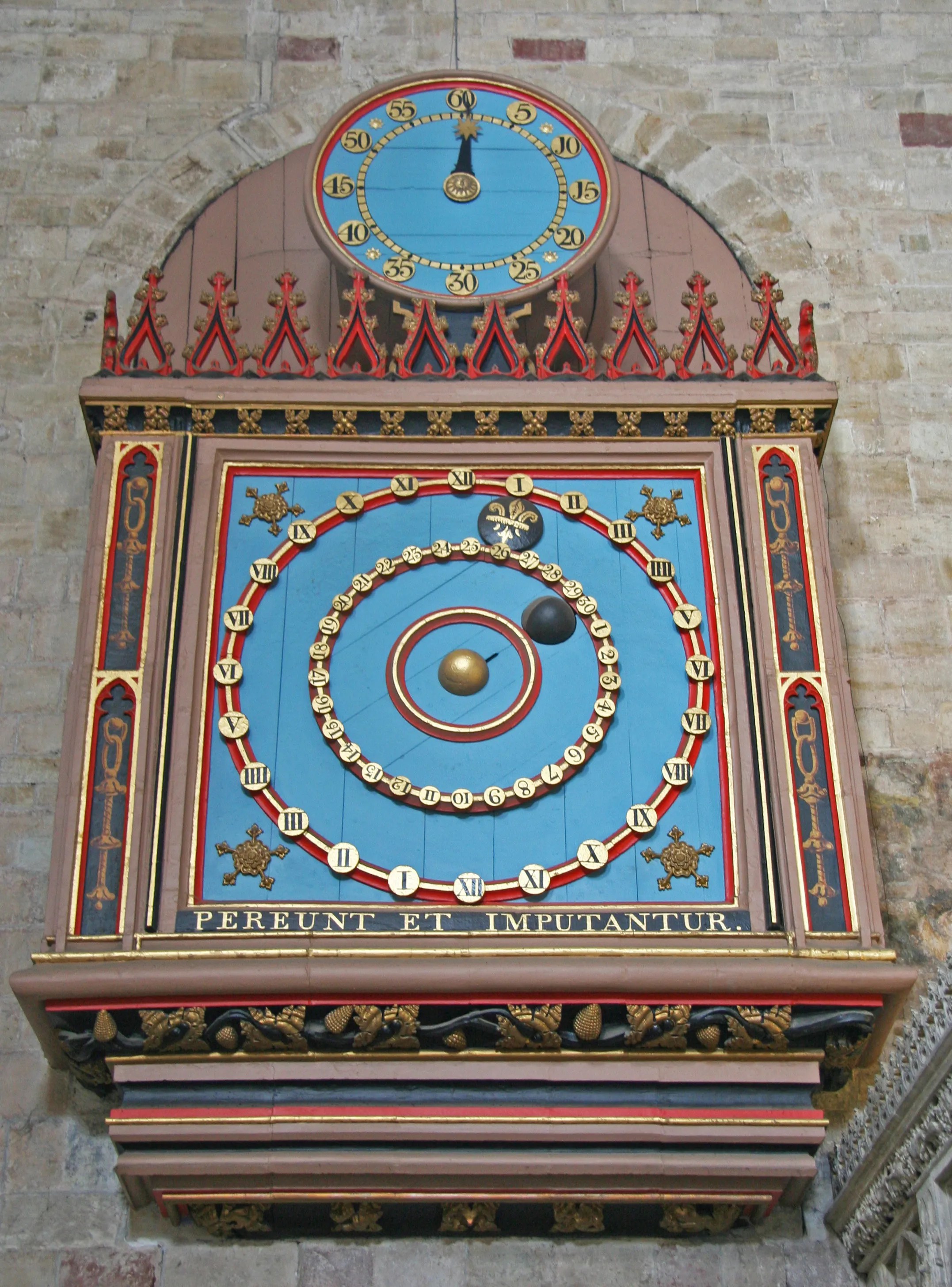
Founded in the 11th century, England’s Exeter Cathedral is famed for its stunning features — including its medieval astronomical clock, a working replica of the solar system as it was understood at the time. But the building also boasts another ancient wonder: a cat door that may be among the world’s oldest.

Cut into the bottom of the door to the clock room is a small, cat-sized hole, and records show it was put there with a purpose. In 1598,Queen Elizabeth I nominated William Cotton for the role of Exeter Cathedral bishop. When he started his post, he also seems to have recruited a helper.

“It is from Bishop Cotton’s time that we have the record, ‘Paid ye carpenters 8 pence for cutting ye hole in ye north transept door for ye Bishop’s cat,’” said cathedral historian Diane Walker. It’s likely the hole served less to assist the kitty in catching mice and rats.
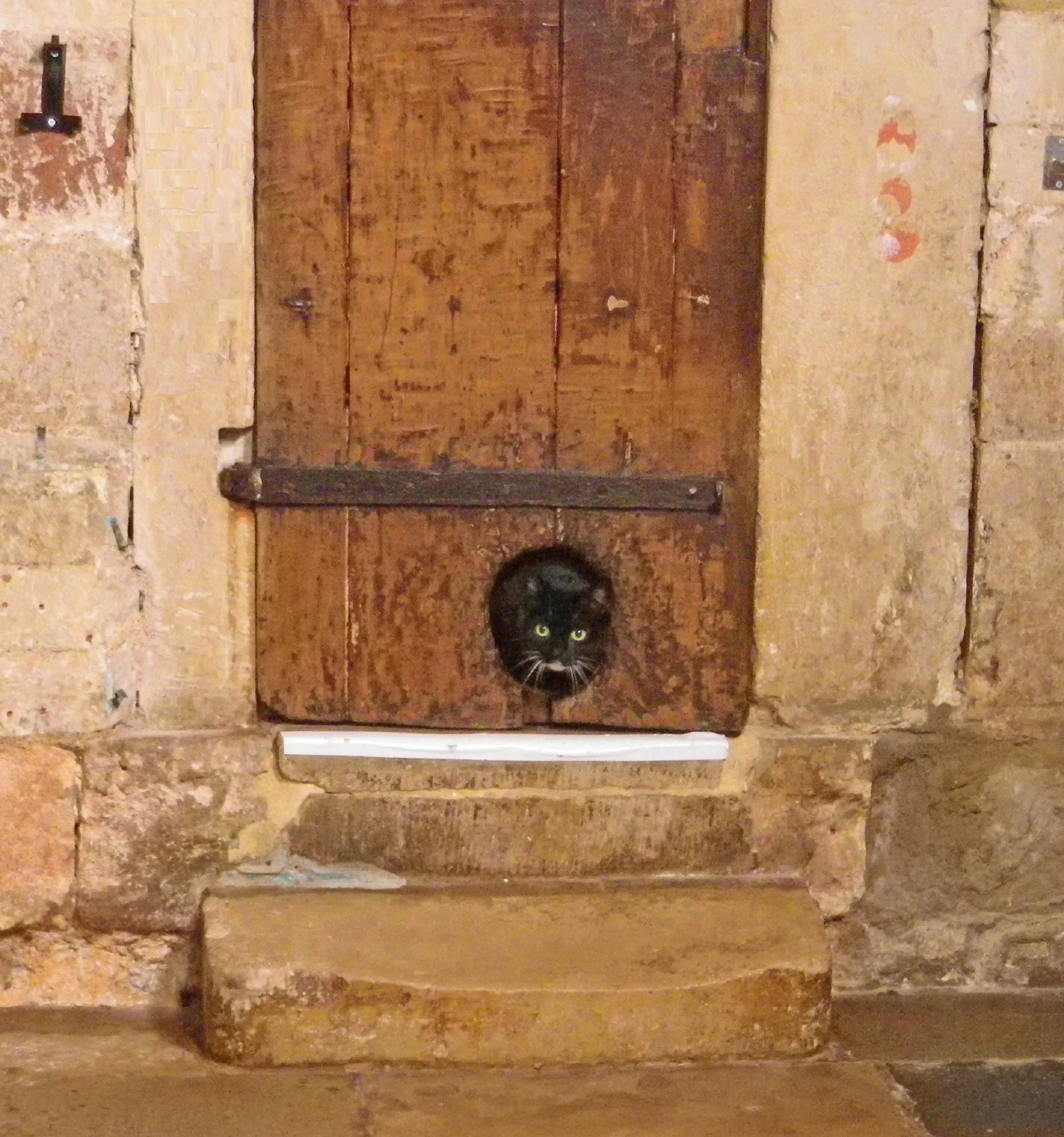
“The fat used to lubricate the clock mechanism would have been a great attraction for vermin,” said Walker, “hence the need for the cat to have access to this space.” The use of lard for clock maintenance was commonplace during that time period — and is believed to be represented in a famous children’s rhyme.

“Although there’s no evidence of a specific association with Exeter Cathedral, the nursery rhyme ‘Hickory, Dickory, Dock’ with its reference to ‘the mouse ran up the clock’ is most likely to have its origins in mice climbing parts of clock mechanisms, rather than climbing the outside of a long case clock as normally illustrated,” Walker explained
Cotton’s kitty wasn’t the first feline to call the cathedral home, though. Even before the hole was cut into the door, cats were employed by the church to keep the vermin population in check. Records from the 14th and 15th century indicate payments made to cats — or more likely, their owners — in the amount of 13 old pence per week. And another form of record also memorializes that arrangement: a medieval carving in the cathedral that depicts a cat attacking two rodents.

The payments seem to have ceased by the time Cotton and his cat arrived — though the jury is out on whether the feline was paid under the table. “We do not know whether Bishop Cotton’s cat received any payment for its services,” Walker said. But the cathedral’s feline history doesn’t end there. A post-World War II chapel carving depicts a one-eyed stray cat named Tom who became “quite a cathedral celebrity” after he was adopted by the head virger. (caretaker)

“He would sit in the bishop’s throne but never attempted to jump on an altar. One year he enjoyed settling into the Christmas manger tableau to the delight of visitors,” Walker shared.

“While he would spend much time wandering in the grounds surrounding the cathedral, he is also reported to have been particularly attentive in the cathedral during sermons when he would sit still and upright!”Fast forward to today, and kitties can still occasionally be seen using the medieval cat door — thankfully, the rodents are no longer an issue that requires feline attention.

“when rome burned, the emperor’s cats still expected to be fed on time.”

― seanan mcguire,  author


source credit: rebekah brandes, photo credits: diane walker, universal images, getty

when i was here.

Standard

           I wondered whether I should start this toast by saying, “When I was here in 1776…”
           – Speech at the British ambassador’s residence in Washington, 2007

During the queen’s trip to the United States in 2007, President George W. Bush stumbled over his lines at the welcome ceremony, accidentally stating that Elizabeth had helped celebrate the U.S. bicentennial in 1776, rather than 1976 — adding 200 years to her age. At a later speech, attended by Bush, the queen playfully teased the President, provoking much laughter from him and the assembled dignitaries.

1926-2022

art credit: eleanor tomlinson

the crossing.

Standard

word has it the littles are headed to england.

hopefully they’re back in the states

in time for the first day of school today.

“you can’t cross the sea merely by standing and staring at the water.”

-rabindranath tagore

glen lake, empire, michigan – summer 2018

spear.

Standard

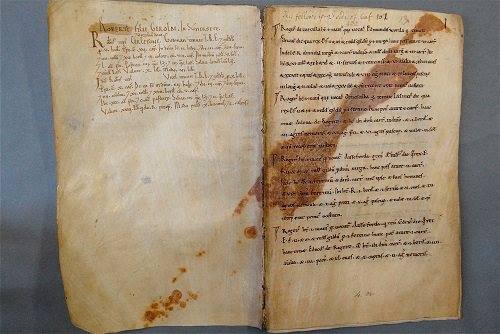
who doesn’t use a spear as a bookmark?

The book is an Exon Domesday,

a unique survival from the age of William the Conqueror.

On loan to Museum of Somerset from Exeter Cathedral.

“a sharp spear needs no polish.”

-h. rider haggard


credits: british medieval history, museum of somerset, dr. levi roach

bubukles and babblement.

Standard

roalddahlshakepeare_1_305ba33a5ba339_733_413-1

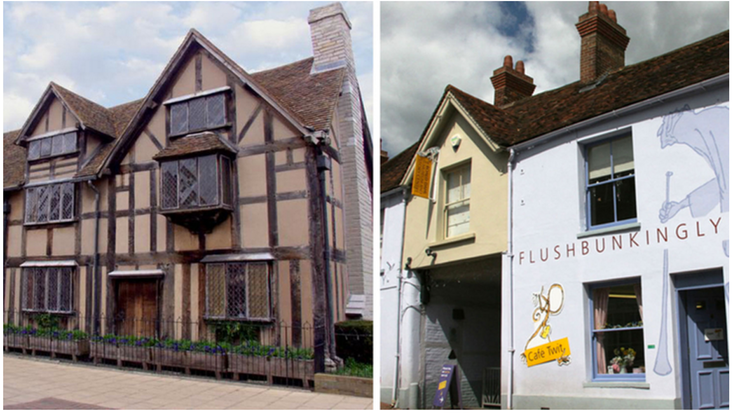
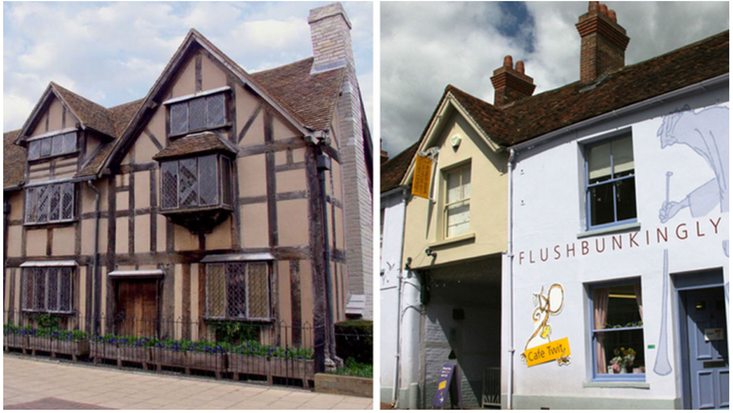
Shakespeare’s birthplace and The Roald Dahl Museum 

You might think there’s nothing to link Roald Dahl and William Shakespeare, but there are a few things they have in common…

They’ve both got big anniversaries this year:
2016 marks 100 years since Roald Dahl’s birth, and 400 years since Shakespeare’s death. That means 2016 is a pretty great year for celebrating the lives and works of these two world-famous writers.

They both made up some crackling words:
Shakespeare coined countless new words and phrases, many of which have found their way into common usage, including ‘wild goose chase’, ‘laughing stock’, and ‘heart of gold’. Roald Dahl invented quite a few words of his own, especially while writing The BFG – who can forget snozzcumber, gigglehouse and exunkly?

Both authors have their very own dictionaries, both published by Oxford University Press. The Oxford Illustrated Shakespeare Dictionary and The Gobblefunk Dictionary (coming in June).

Quick quiz:

Can you tell which of the following 5 words are Roald Dahl words, and which 5 are Shakespeare words? 
Babblement, Smilets, Bubukles, Crumpscoddle, Pulsidge,
Vizaments, Squizzled, Twangling, Bootboggler, Sossel.

(Answers at the bottom of the page!)

They both have links to the Royal Shakespeare Company:
Set up in 1875 the Royal Shakespeare Company was established to inspire a lifelong love of William Shakespeare and to produce new plays and productions. In 2010 the RSC’s production of Matilda the Musical based on Roald Dahl’s Matilda, premiered at The Courtyard Theatre in Stratford-upon-Avon, before moving to the West End in 2011. This record-breaking, award-winning musical is still going strong, made its way to Broadway in 2013 and toured Australia in 2015.

They are both loved worldwide:
Shakespeare is well and truly international. According to The British Council his works have been translated into over 100 languages (including Klingon), and performed worldwide – Romeo and Juliet has been performed in 24 countries in the last 10 years alone!

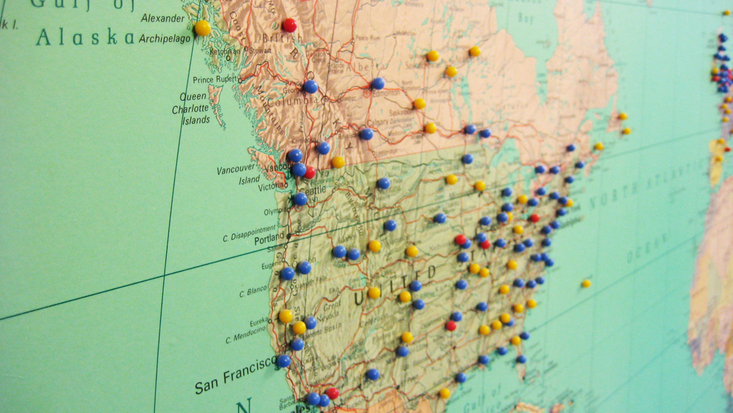
Roald Dahl books have been translated into 58 languages including Norwegian, Welsh and Japanese, but not Klingon… yet. During his lifetime Roald Dahl stuck a pin in a world map every time he received fan mail from a new place. Far flung destinations included Sao Paulo, Beijing, Addis Ababa and Windhoek.

fanmap002_0_005ba3395ba339_733_413

Roald’s Fan Map

They are both top ten borrowed authors:
Both Roald Dahl and Shakespeare are very popular with library goers it would seem. The Public Lending Right lists Roald Dahl as the number 1 most borrowed classic author in 2015, with Shakespeare taking tenth place. Not bad!

They’re big on the big screen:
Many of Shakespeare’s plays have been made into movies. According to the BFI the first Shakespeare film was made in 1899. Since then there have been countless film versions and adaptations including William Shakespeare’s Romeo + Juliet (1996), West Side Story (1961), and 10 Things I Hate About You (1999).

There have been some great film adaptations of Roald Dahl’s books too, Including Matilda, Fantastic Mr Fox, and Willy Wonka and the Chocolate Factory. The BFG is coming to cinemas this July.

You can visit their home towns:
Two places you must definitely visit are The Roald Dahl Museum and Story Centre in Great Missenden, Buckinghamshire and Shakespeare’s Birthplace in Stratford-Upon-Avon.

Roald Dahl lived in the village of Great Missenden for 36 years and wrote all of his children’s books in his Writing Hut in the bottom of his garden. The Museum is housed in an old coaching inn on the High Street, you can’t miss it – look for the painted BFG on the front.

William Shakespeare lived in Henley Street in Stratford from the time of his birth until he was old enough to marry. Visitors can tread in his footsteps in the house he lived in, for millions of enthusiasts worldwide this house is a shrine.

Some of their stories are rooted in folklore:
Witches, magic, sprites and mysterious creatures appear in work by Roald Dahl and Shakespeare, and almost certainly rooted in folklore. Roald Dahl’s Norwegian heritage may have influenced his stories about jumbly giants and witches. His first story for children The Gremlins was inspired by RAF folklore which held that little creatures were responsible for the various mechanical failures on aeroplanes.

Shakespeare plays feature similar characters: Titania in Midsummer Night’s Dream, the sorcere Prospero, and the witches in Macbeth. Even Hamlet is borrowed from an old Scandinavian tale.

Quiz answers:

Roald Dahl = Babblement, Crumpscoddle, Squizzled, Bootboggler, Sossel.

William Shakespeare = Smilets, Bubukles, Pulsidge, Vizaments, Twangling.


credits: roald dahl museum