
the color of springtime is in the flowers;
the color of winter is in the imagination.
~terri guillemets
—
image credit: ron wang, the magic onions.com
the color of springtime is in the flowers;
the color of winter is in the imagination.
~terri guillemets
—
image credit: ron wang, the magic onions.com
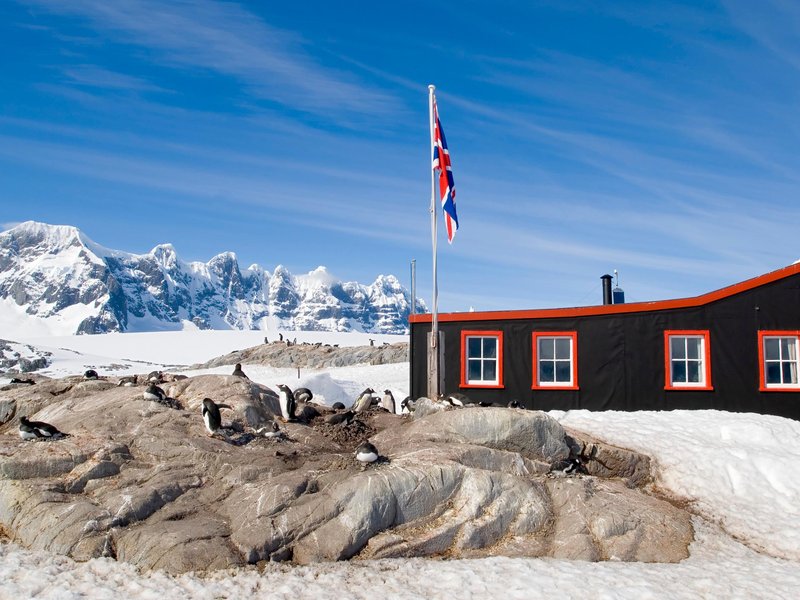
Would You Live in an Antarctic Penguin Post Office?
Applications soar at post office in Port Lockroy, Antarctica
Job location: A soccer field-sized island in Port Lockroy, Antarctica.
Job duties: Process 700,000 pieces of mail, teach 18,000 cruise ship visitors and monitor 2,000 stinky penguins in less-than-ideal conditions.
Sound like a dream job? If so, you’re not the only one—officials at the U.K. Antarctic Heritage Trust say that they’ve received over 1,500 applications for a job at the “Penguin Post Office,” up from just 82 last year.
The BBC reports that the post office on Goudier Island has “comfortable” living conditions, but the lodgings aren’t exactly hotel-quality. With no power grid, heat or hot water, limited communications and 24-hour daylight, applicants must be willing to withstand harsh Antarctic conditions to apply. In return, they will receive a $1700 per month stipend and spend the summer as the stewards of the island’s thousands of gentoo penguins.
For over a decade, the island has been home to a wildlife study aimed at collecting environmental data about how humans impact penguin populations. But though the island is popular with cruise ship visitors, it’s carefully regulated to protect the penguins, and the entire eastern half of the tiny island is off-limits even to post office protectors.
When this year’s four winning applicants take possession of the island from November through March, they’ll take their place alongside the 4,000 scientists who study in Antarctica throughout the summer.
—
credits: smithsonian.com, eric blakemore, bbc, pbs
“joy weathers any storm: happiness rides the waves.”
― todd stocker
the bees could really use some help. in the last 10 years, a phenomenon called colony collapse disorder (ccd) has killed off huge numbers of honeybees around the world. it’s normal for beekeepers to lose 10–15 percent of their hives each winter, but beginning in 2006, beekeepers started reporting losses of 30–90 percent. scientists believe ccd may be caused by a combination of pesticides, parasites, and a decline in wildflowers as more and more land is developed.
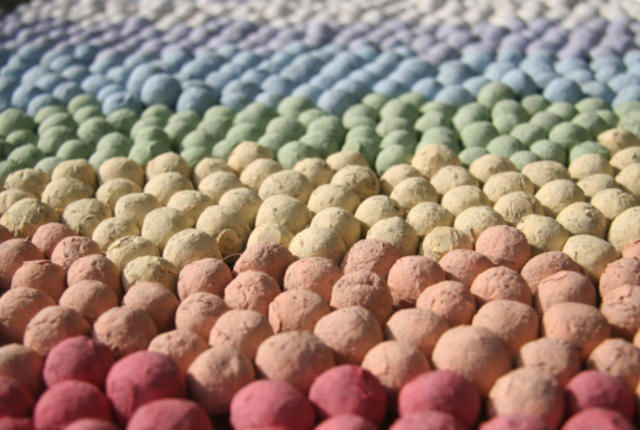
this is where seedles come in. each “bomb” contains wildflower seeds packed in compost and brightly colored clay. “planting” them is easy: you just throw them on the ground and wait for the rain, sun, and soil to do their work. the candy-colored seed bombs “practically grow themselves,” says the company’s website.
there are six varieties, one for each region of the country, so bee lovers can be sure to plant native flowers that will thrive in their area.
seedles are the brainchild of ei ei khin and chris burley, a couple who initially hoped they could get people to plant a million flowers. they surpassed that number in 2014. in an email to mental_floss, burley (now the company’s “pollinator-in-chief”) said they’ve since set their sights higher: a billion flowers for the bees.
they are especially concerned about the interdependence between honeybees and our food supply. of 100 major american crops, 70 are pollinated by bees; without them, we might not have apples, almonds, carrots, or avocados. to encourage interest and awareness in the plight of the bees, seedles partners with local food companies to give out free seed bombs. because they’re pretty, simple, nontoxic, and foolproof, the seed bombs make great educational tools.

—
credits: seedles, mentalfloss, kathy horowitz
“oh, yeah. just watch me, i’m taking notes!’
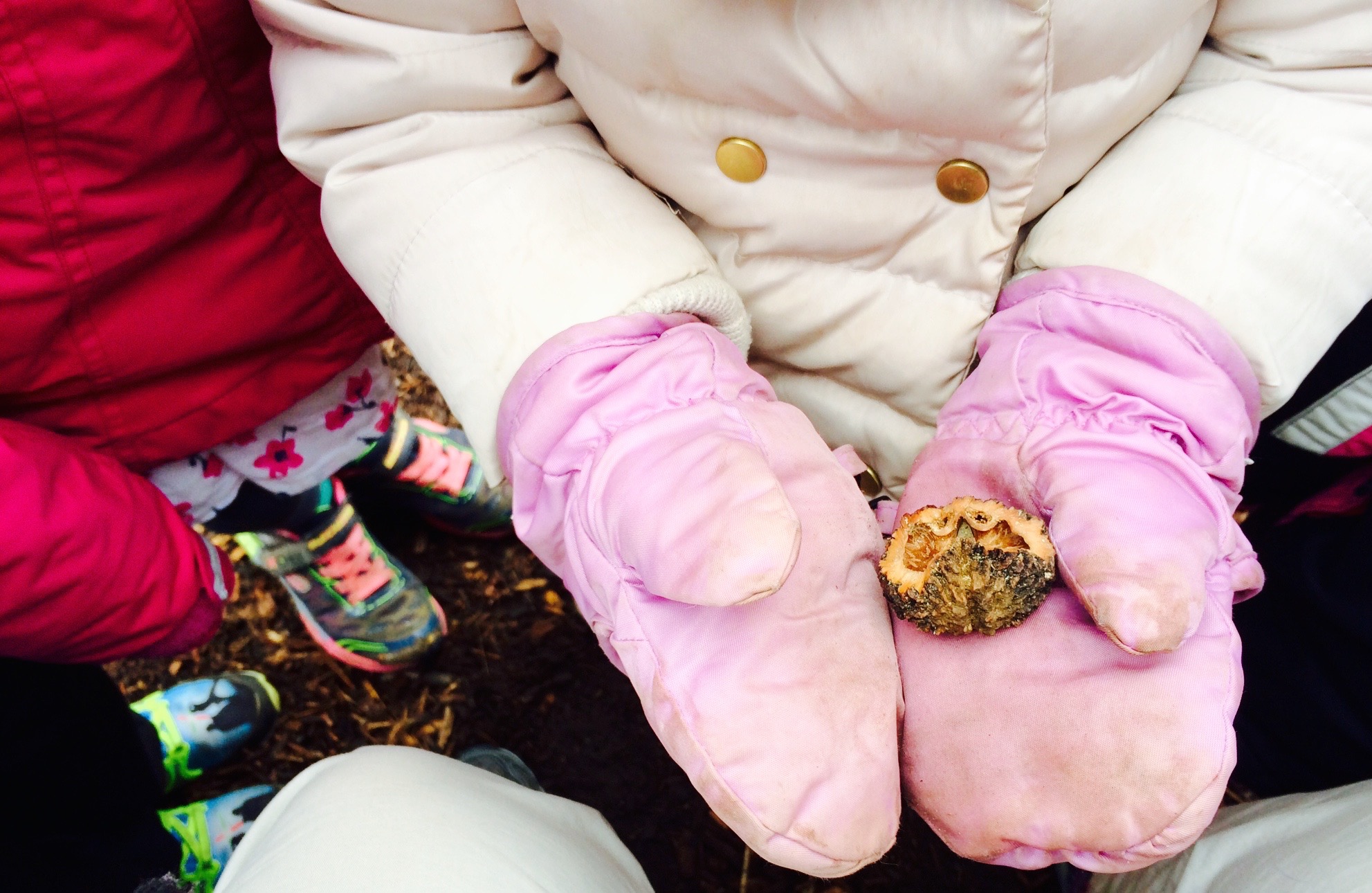
‘oh look, i found a baby porcupine that must have died.’
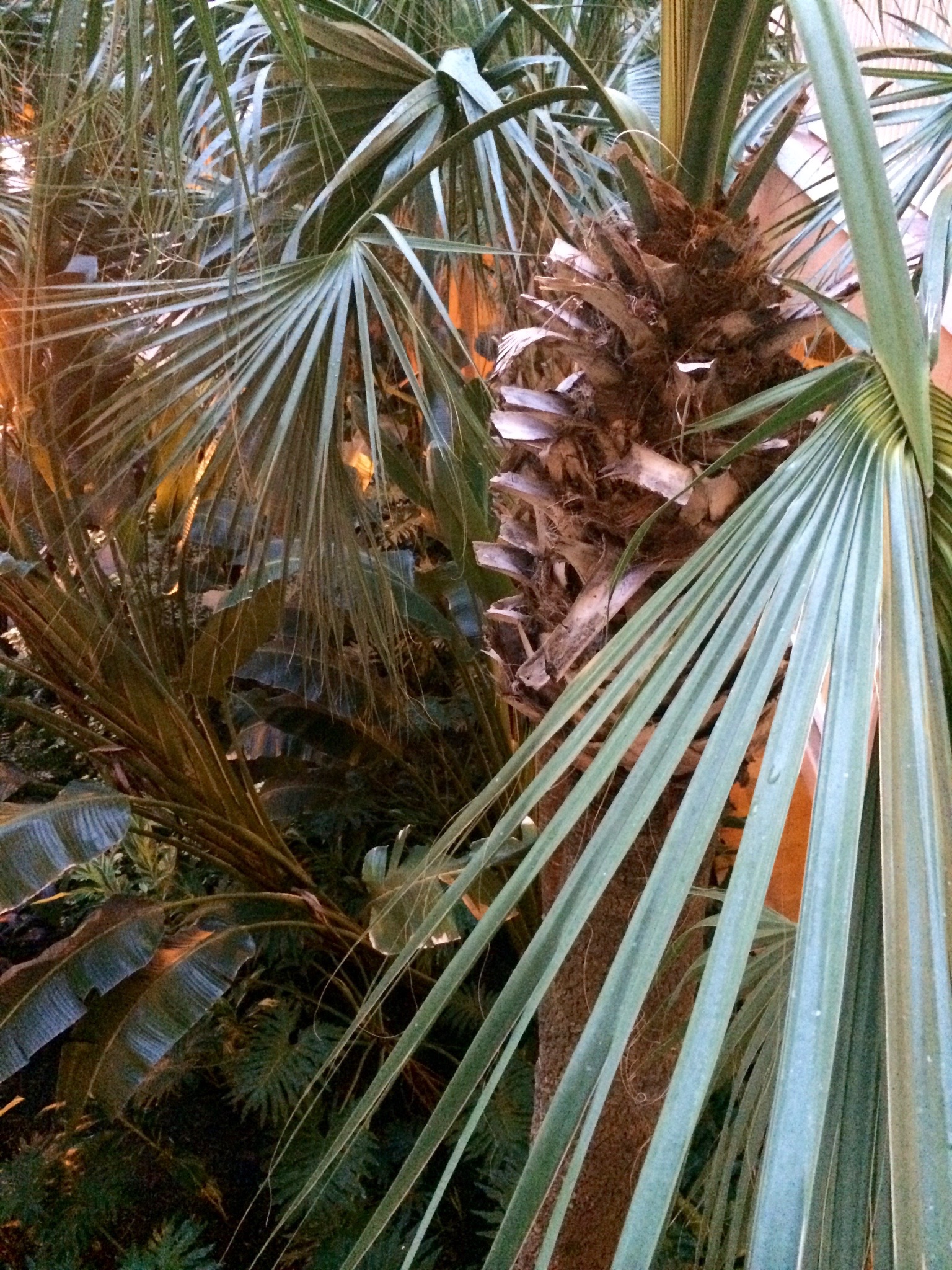
looked out my window
yesterday morning
far away and warm outside.
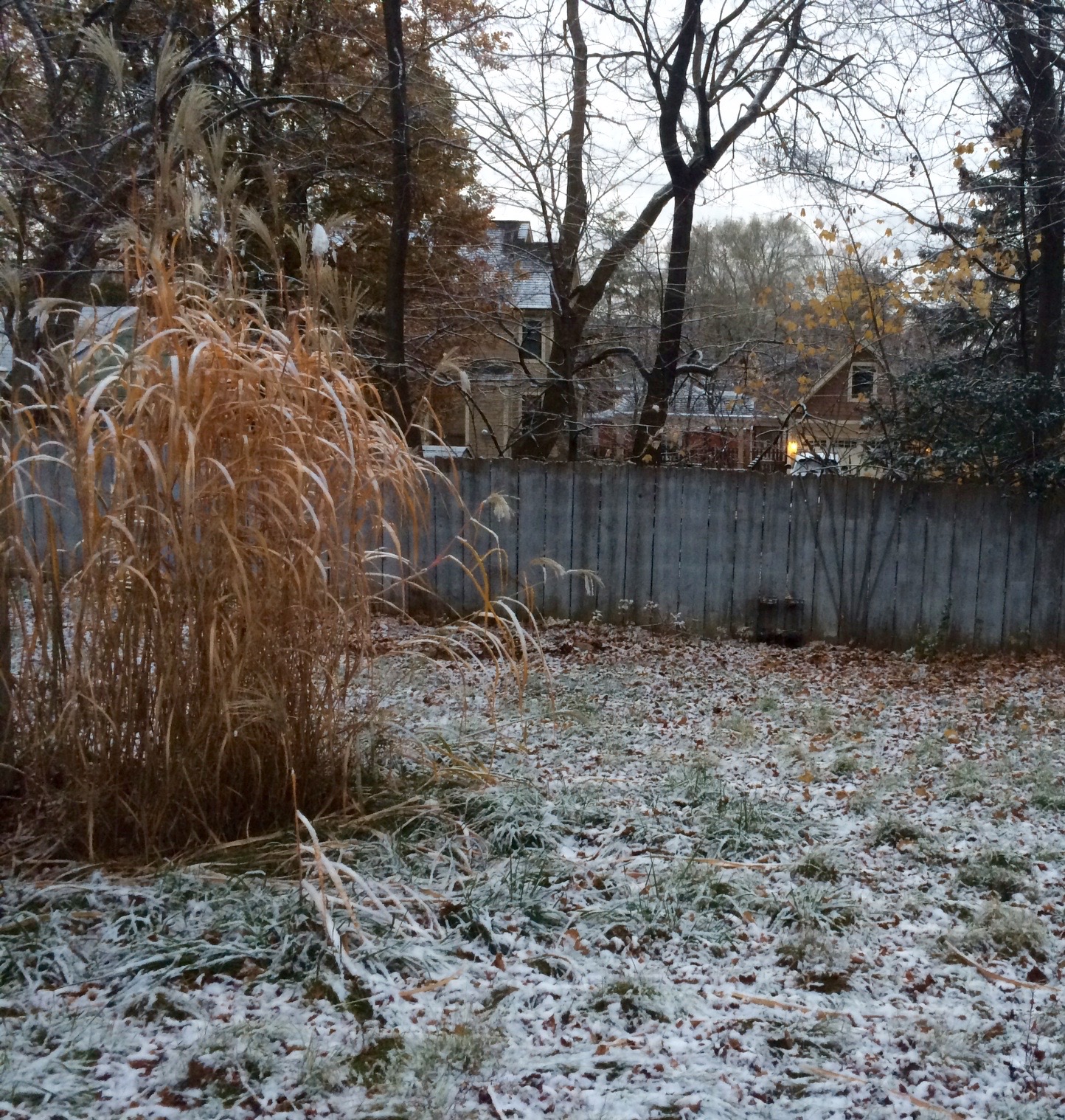
looked out my window
this morning
home again and warm inside.
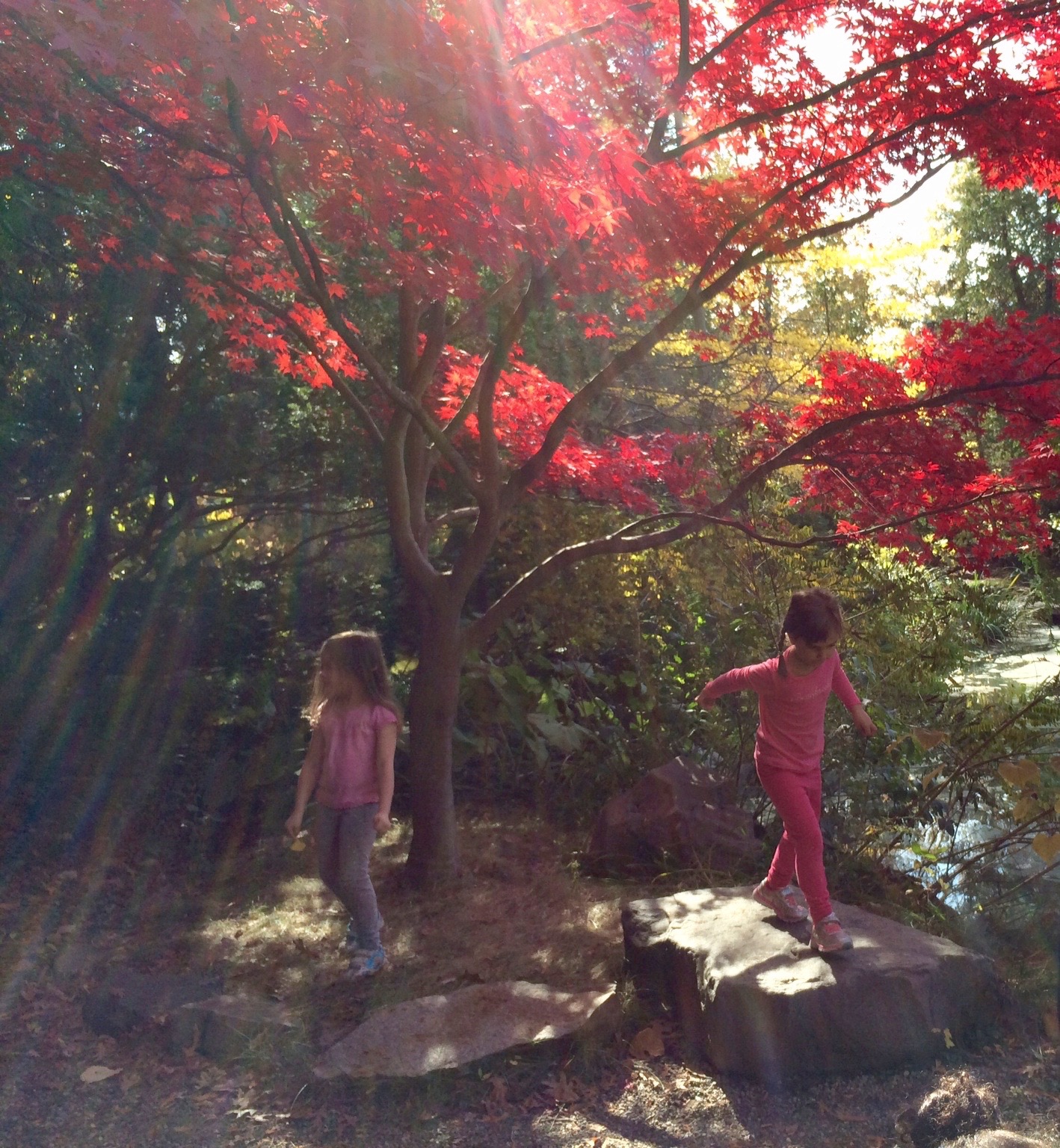
“just living is not enough” said the butterfly fairy,
“one must have sunshine, freedom and a little flower.”
– hans christian andersen

moonlight is sculpture.
-nathaniel hawthorne
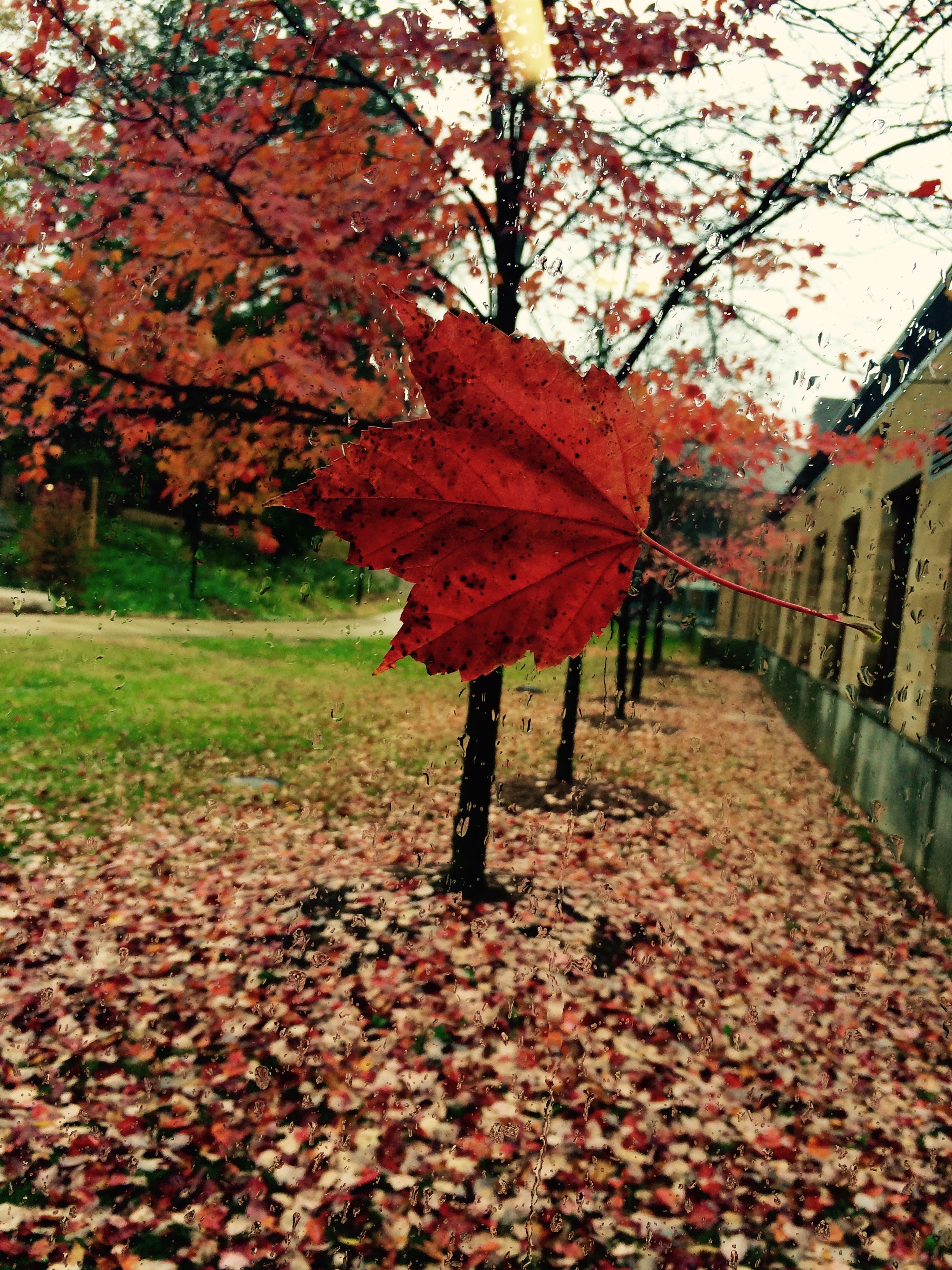
autumn is the hush before winter. ~french proverb
 I didn't have my glasses on....