
except for now and except for this lane and except for this orange barrel and except for who knows how long?
————
in complex trains of thought signs are indispensable. – George Henry Lewes
words are but the signs of ideas. – Samuel Johnson
——————-
except for now and except for this lane and except for this orange barrel and except for who knows how long?
————
in complex trains of thought signs are indispensable. – George Henry Lewes
words are but the signs of ideas. – Samuel Johnson
——————-

happy to welcome my kindergarten back yesterday, and not only the children, but the parents as well. i gain so much wisdom from them everyday. one mother, returning with her 3rd young child, reminded me of how she’s able to get everyone dressed and off to school on time. i have always seen this process as a minor miracle, having had to deliver 3 young ones to school at one point in my own life.
she told me she does the laundry and then simply dumps all of it into one giant pile. the kids then climb and all forage around it, until they are able to put an outfit together. and that’s it, they are ready for the day. no stress, and always an adventure for all. i think this is brilliant.

‘it’s better to have loved and lost than to do 40 pounds of laundry a week.’
– salvatore dali
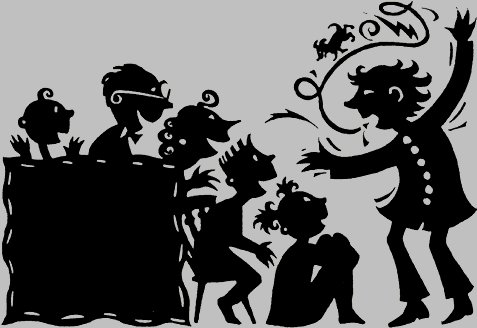
had an interesting conversation with my friend. we took turns coming up with one word that defined each of us, and he immediately blurted out the following word that he felt was me: rigmarole.while i had a somewhat negative image of what this word meant, i always liked the sound of it and it was an interesting word to say the least. i decided to look it up for further clarification. after referring to a traditional source, the oxford english dictionary, i found that i rather liked the definition, appreciated the origin of the word, and finally, embraced it as my own. i took it to mean that i simply live life, with all of its complications, and i share my stories, and though not all are long and rambling, i’m quite happy with that.
rigmarole
Syllabification: (rig·ma·role)
Pronunciation: /ˈrig(ə)məˌrōl/
noun [usually in singular]
Origin:
mid 18th century: apparently an alteration of ragman roll, originally denoting a legal document recording a list of offenses
——–
Stories are a communal currency of humanity. – Tahir Shah
—
 I didn't have my glasses on....