The famous “Easter Bunny” came to be in the song, “Here Comes Peter Cottontail.” The song, which tells a simple story of the Easter Bunny delivering baskets filled with candy, eggs, and flowers, was written by Steve Nelson and Jack Rollins in 1949.
A wildlife hospital just solved a hilarious case of mistaken identity.
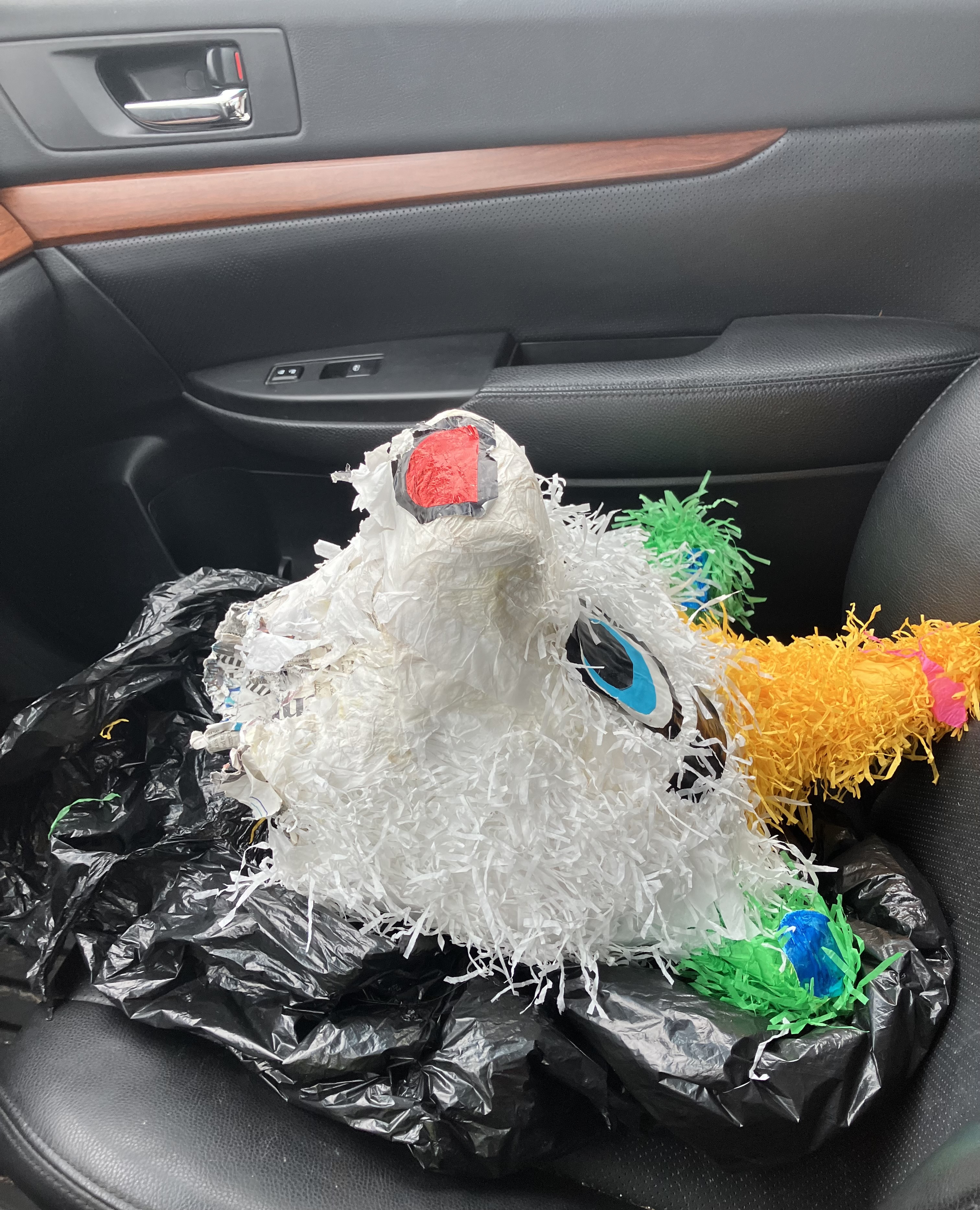
On Thursday, a woman brought in a baby hedgehog to the Lower Moss Nature Reserve and Wildlife Hospital in Cheshire, England — only to be told it wasn’t an animal in need, but a beanie hat pop-pom.
The caring woman had picked up the ‘hedgehog’ from the side of the road after she noticed it “hadn’t moved or pooped all night,” reported U.K. newspaper The Independent.
“From a distance, you take it at face value. She didn’t handle it at all — she scooped it in a box with some cat food and left it alone in a warm, dark place,” veterinarian Janet Kotze, told the paper.
“She did everything so well. She barely peeked at it because she didn’t want to stress it out.”
Kotze described the woman who made the rescue as having “well-meaning” intentions. She said she knew immediately when presented with the box containing the ‘hedgehog’ what it actually was.
“It was pretty obvious to us but I can also see how she was mistaken,” she recalled. “She said, ‘You’re joking! Oh my goodness, how did I do that?’ ”
“She was so concentrated on doing the right thing. She was concerned it hadn’t moved or even pooed — that would be spooky if it had,” Kotze added.
A real-life hedgehog
The wildlife hospital wrote of the rescue attempt on Facebook, “Our hearts melted as a kind soul thought she was rescuing a baby hedgehog,” as they jokingly nicknamed the pop-pom ‘hoglet.’
Despite the mistake, the reserve shared that the “adorable” new visitor “still got all the love, complete with some cozy TLC.”
“Remember, kindness knows no bounds, even when it’s to a faux furry friend! 🐾,” the wildlife hospital added while highlighting the importance of rescuing hedgehogs in vulnerable situations.
“Please remember, if you spot a hedgehog out during the day, it’s a sign something’s not right. Pop them in a box with a warm source and seek help from your local vets. Let’s keep our prickly friends safe!”
—
“he was so benevolent, so merciful a man that, in his mistaken passion, he
would have held an umbrella over a duck in a shower of rain.”
-douglas william jerrold
—
p.s. confession: this could have easily been me. especially if i didn’t have my glasses on.
—
source credits: escher walcott, people, the independent, kennedy news media photo,
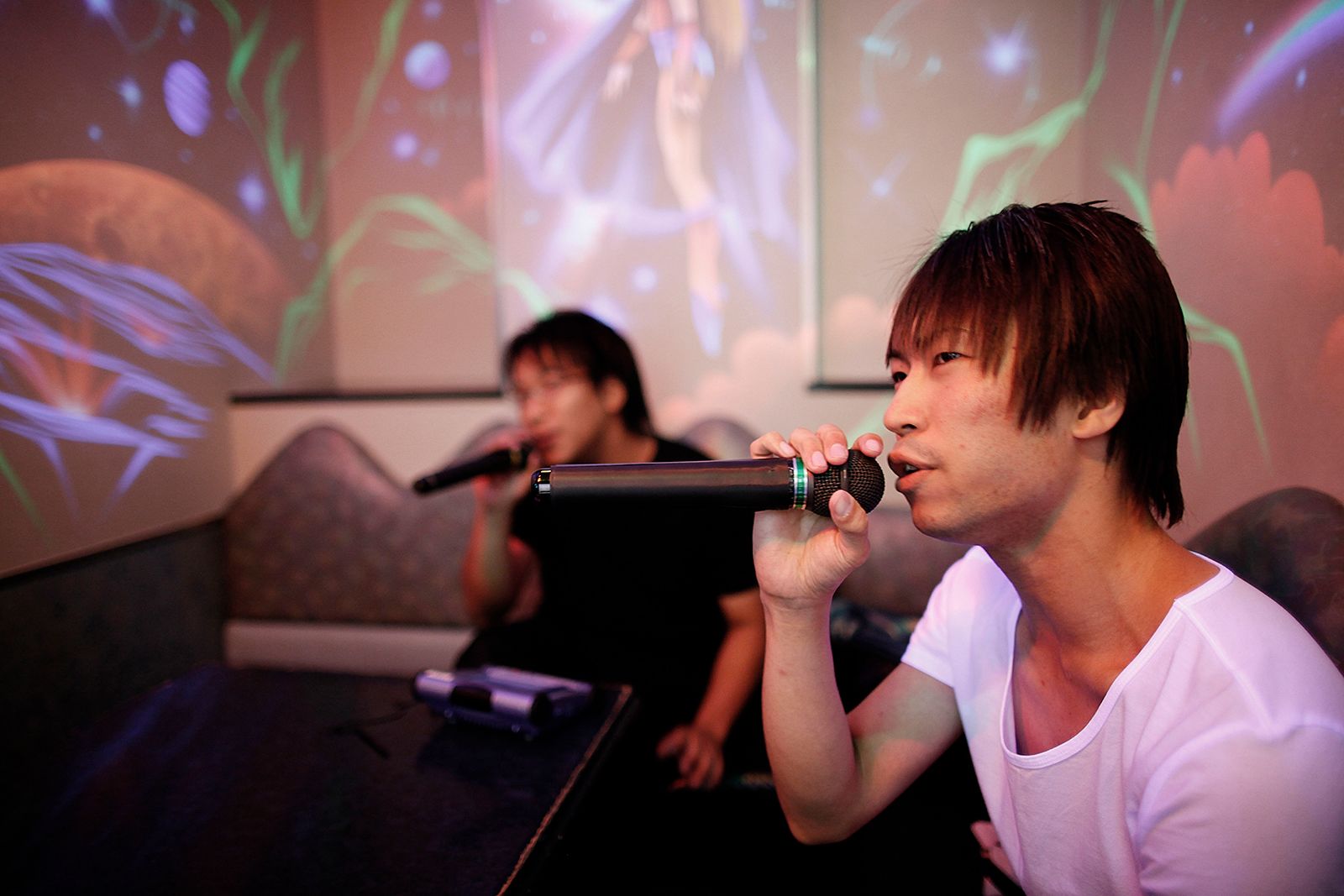
Shigeichi Negishi, inventor of the earliest karaoke machine, poses with his creation for a picture featured in author Matt Alt’s book, “Pure Invention: How Japan Made the Modern World.”
Negishi, whose 1967 “Sparko Box” prototype is among several devices credited with ushering in Japan’s karaoke craze, died from natural causes in January at age 100.
Negishi founded and ran a company that assembled car stereos for automobile manufacturers in northern Tokyo. A regular listener to a singalong radio show broadcast in Japan at the time, he hooked a spare tape deck up to a microphone and mixing circuit so he could hear himself singing over music.
“When I asked the factory engineer, he said, ‘It’s easy,’” Negishi recalled in an account published by the All-Japan Karaoke Industrialist Association, an industry body for Japan’s karaoke operators. “So, I attached a microphone input terminal to the car stereo and created something like the prototype of a jukebox.”
According to author Matt Alt, whose interview with Negishi features in his 2020 book “Pure Invention: How Japan Made the Modern World,” the inventor first tested the device with an instrumental tape of Yoshio Kodama’s 1930s song “Mujo no Yume.”
“It works!” he told Alt, recalling the moment he heard his voice coming through the speakers alongside the music. “That’s all I was thinking. Most of all, it was fun. I knew right away I’d discovered something new.”
Marketing the device as a Sparko Box, he sold them alongside lyrics cards and reportedly produced and installed around 8,000 around Japan, mainly at bars and restaurants. By the time Negishi stopped selling the products in the 1970s, several rival machines had been invented and taken to market.
“At that time, it was not customary to sing in stores, so it may have been inevitable that (the Sparko Boxes were) sold as background music,” reads Negishi’s entry on the All-Japan Karaoke Industrialist Association’s website. “Now that I think about it, it’s a bit of a shame.”
The industry body does not credit a single person with inventing karaoke (which literally translates as “emptyorchestra”), but instead recognizes several people who independently created machines in the late 1960s and early 1970s.
Negishi did not patent his invention, and electronics manufacturers soon began producing and marketing their own versions. By the 1980s, “karaoke boxes” had swept Japan, with private rooms overtaking bars and restaurants as the main venues for Japan’s amateur singers. Subsequent developments, including the introduction of video karaoke and networked karaoke systems, helped the phenomenon spread across Asia and the world in the following decades.
Today, Japan is home to more than 8,000 dedicated karaoke box venues, while 131,500 bars are equipped with karaoke machines — a market worth a combined 387.9 billion yen ($2.6 billion) in 2022, according to estimates from the All-Japan Karaoke Industrialist Association.
—
i wonder if they used a karaoke machine at his wake, and if so, what songs did they choose?
—
“i was arrested for lip-syncing karaoke.”
-steven wright
—
source credits: cnn, oscar holland, mai nishiyama, hiroki yoda
spent with my sister, my aunt, and her 20 spiritual sisters
each incredibly accomplished
making the world better
in her own way
going from place to place
person to person
greeted warmly
welcomed in
with each interaction
we learned more about my aunt, the sister
her own stories, her own accomplishments
how she began on this path, became one of them, learned from them, grew to lead them,
now traveling with them into the next stage of their lives
putting together the people and places in her life
that have meant, and continue to mean
so much to her
she has been happy and much loved
on our last night they all sang to us
after a shared meal
gifting us with a blessing and best wishes.
—
“listen, and you will realize that we are made not from cells or from atoms. we are made from stories.”
*-mia couto
*António Emílio Leite Couto, better known as Mia Couto, is a Mozambican writer. He won the Camões Prize in 2013, the most important literary award in the Portuguese language, and the Neustadt International Prize for Literature in 2014.
stories within each brick, step, piece of wood, marble, and work of art
moving and powerful
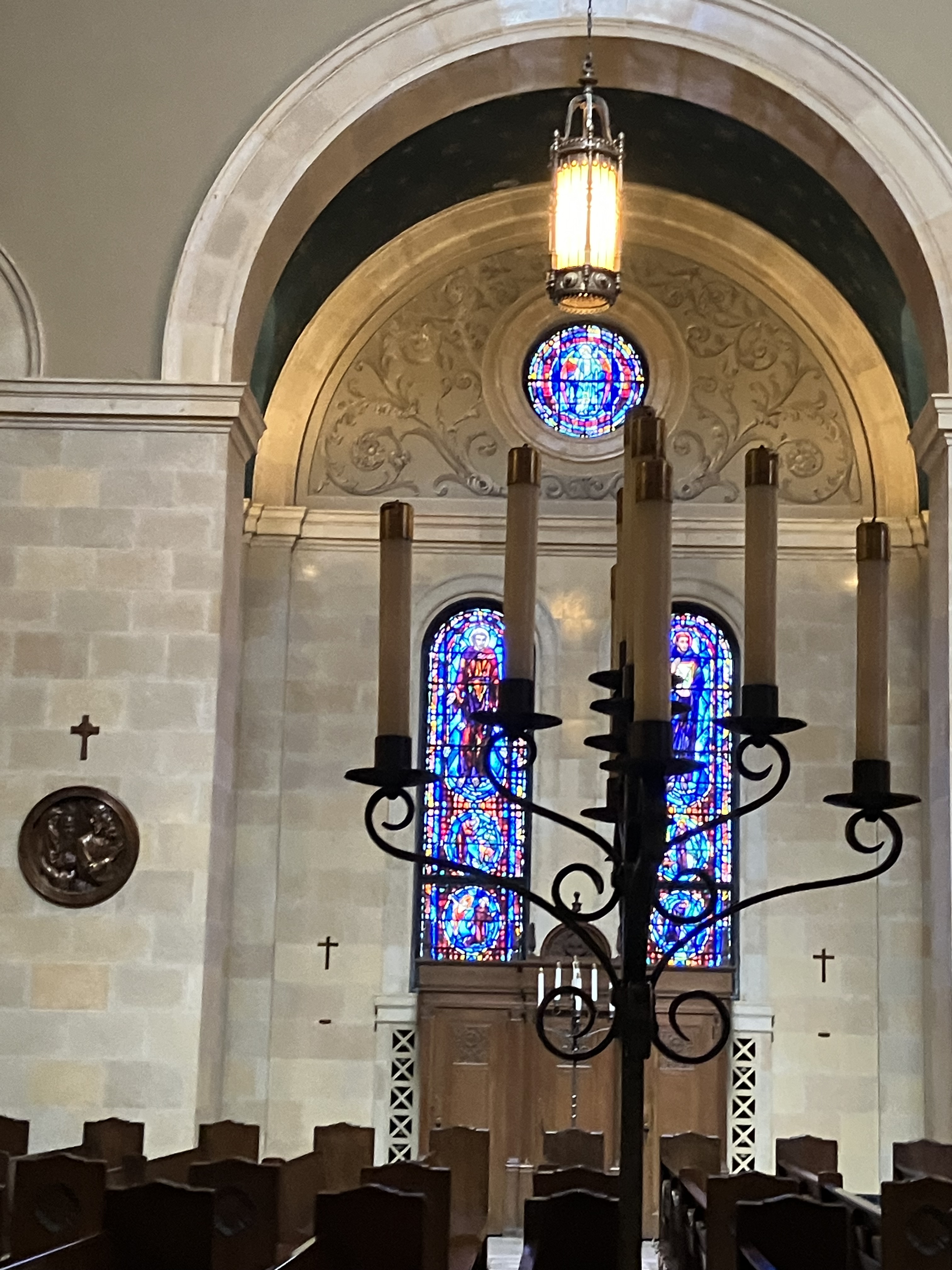
st. cecelia cathedral
named for
the patron saint of musicians, composers, instrument makers, and poets in the middle ages.
—
“a rock pile ceases to be a rock pile the moment a single man contemplates it,
bearing within him the image of a cathedral.”
-antoine de saint-exupery, author of the little price
—
To find the extraordinary within the ordinary, you have to see it. And to see it, you have to look for it. And to look for it, you have to have your eyes open. You have to be open. You have to believe that within every rock pile there is a cathedral. Or, at least, the possibility of one. Are you someone who sees rock piles, or do you see cathedrals?
Begun in 1905 and consecrated in 1959, St. Cecelia was designed by architect Thomas Rogers Kimball and is ranked among the ten largest cathedrals in the United States when it was completed. It is now ranked in the National Registry. The architectural style of the building is Spanish Renaissance Revival, rather than the European Gothic architecture popular in the early 20th century. Kimball justified his choice because of the early influence of Spain and Mexico on the region. (located in Omaha, Nebraska, USA)


:max_bytes(150000):strip_icc():focal(749x0:751x2)/hedgehog-bobble-fail-032724-1-f42e941af4d84eeab2f40df5fefc86be.jpg)
:max_bytes(150000):strip_icc():focal(626x0:628x2)/GettyImages-89246695-56a2bd503df78cf7727964f3.jpg)



 I didn't have my glasses on....
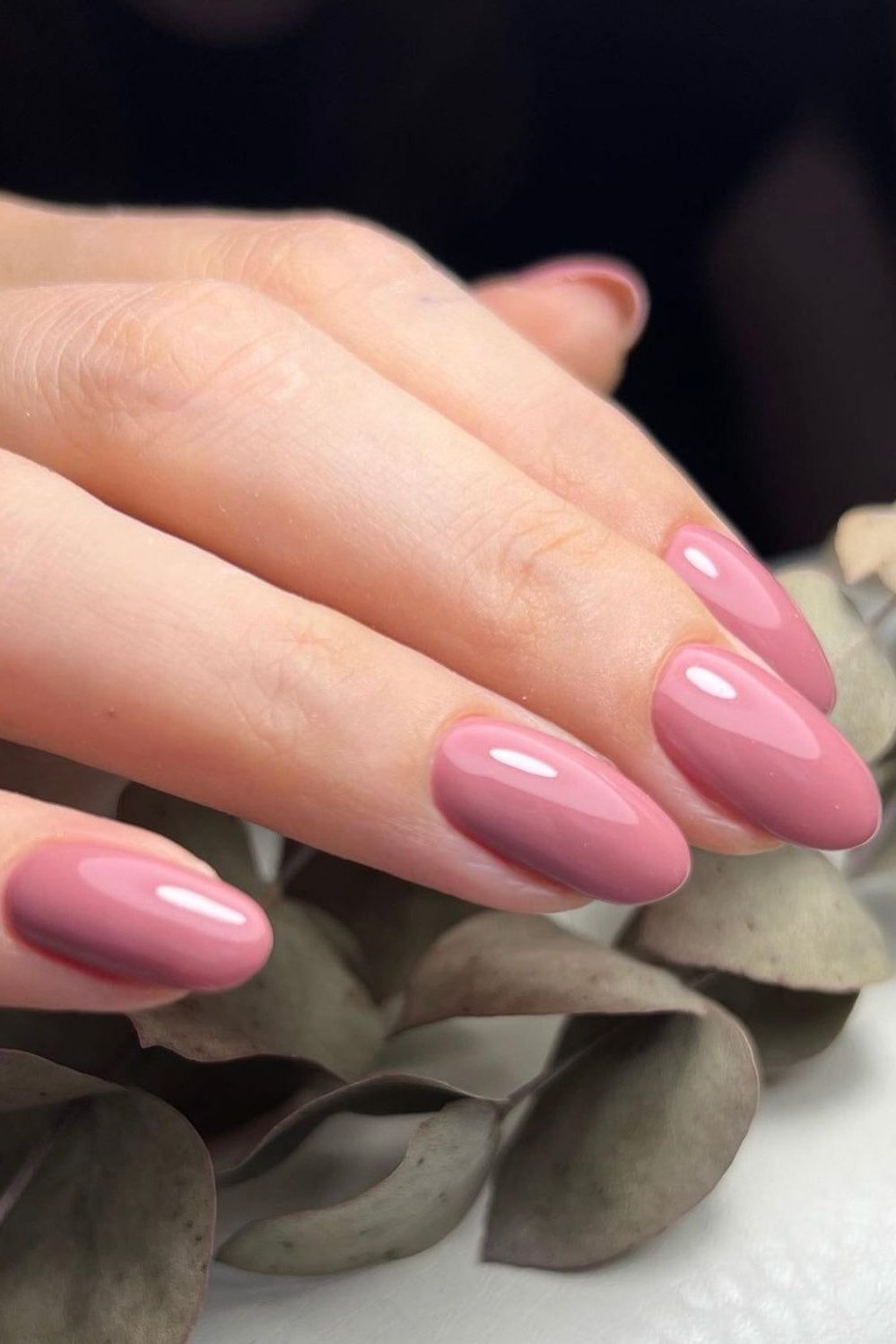
random hand model, not me, wearing ‘dusty rose’ polish.
i’m very hard on my nails so polish doesn’t stand a chance of lasting very long.