Category Archives: refugees

welcome.

Standard

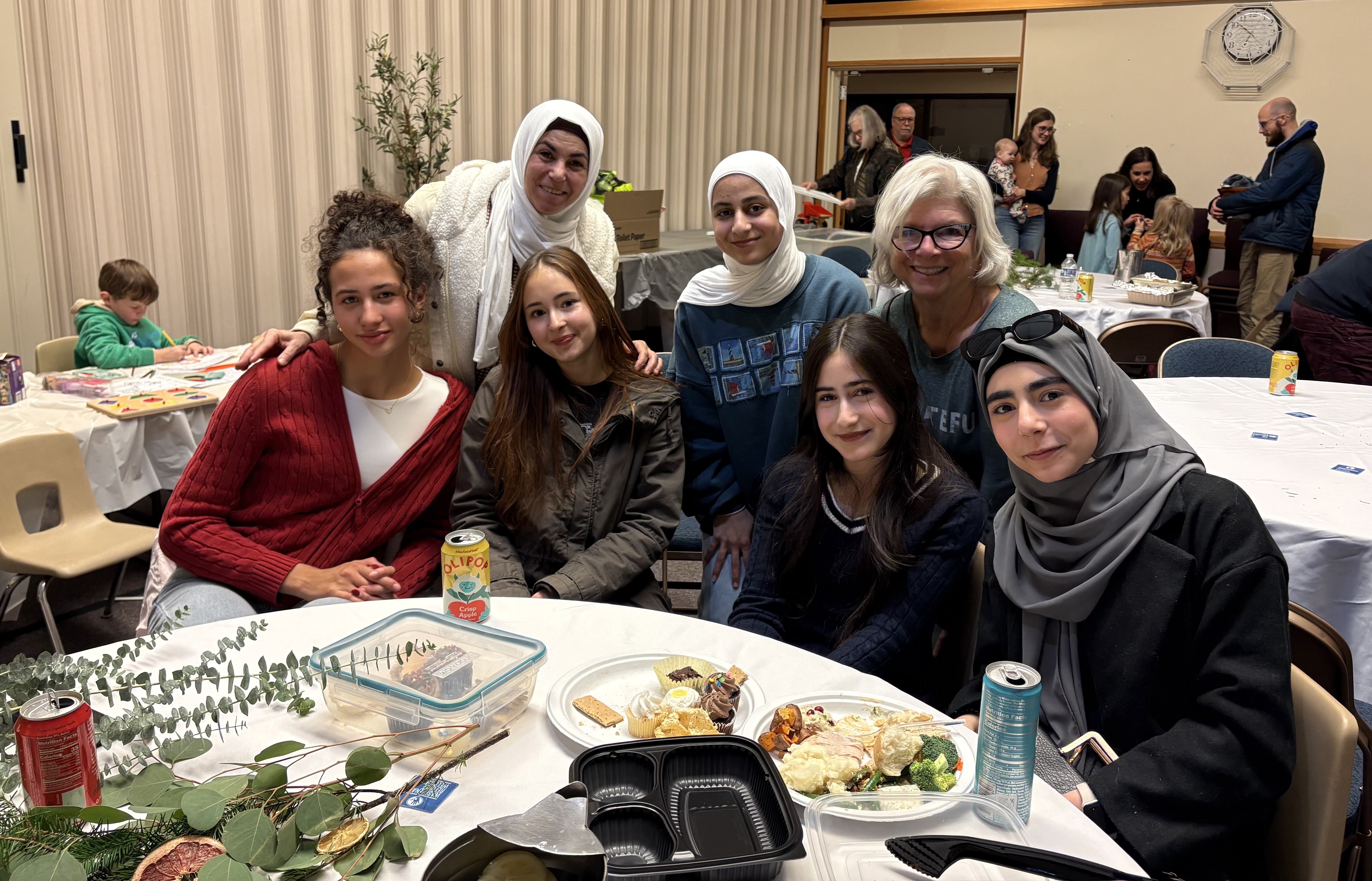
Last night I had the honor of sharing a meal with neighbors in my community. Some were volunteers, some came just to be friendly, and others were refugees from all over the world, now part of our community. The annual Thanksgiving Potluck get together was organized by Washtenaw Refugee Welcome, (whose mission is to identify and mobilize resources to support refugees and resettlement agencies in Washtenaw County), and EVERYONE in the community was  invited.

 Having gratitude for our neighbors was a great reason to come together and a shared meal was a natural way to get to know each other. Many of our refugee families brought food from their cultures and some local residents brought traditional North American foods to share. There was music, and art and things to play with, and toys for the children to take home.

The refugee crisis is a humanitarian issue that continues to touch every corner of our globe. Today, there are millions of refugees worldwide, each with their own unique story of resilience, hope, and survival against overwhelming odds.

They have been forced to flee their homes due to war, persecution or natural disasters, often embarking on dangerous journeys in search of safety and a better life. They represent some of the most vulnerable populations in the world, yet their courage and strength in the face of adversity are remarkable.

Over dinner, they shared their experience, their hardships, resilience, and hope for a safer future. Their words were a reminder of our shared responsibility to protect and support refugees and the importance of compassion, empathy, and understanding in addressing the refugee crisis. There is a shared humanity that connects us all.
“refugees are mothers, fathers, sisters, brothers, children,

with the same hopes and ambitions as us-

 except that a twist of fate has bound their lives

to a global refugee crisis on an unprecedented scale.”

-khaled hosseini
on world refugee day.

Standard

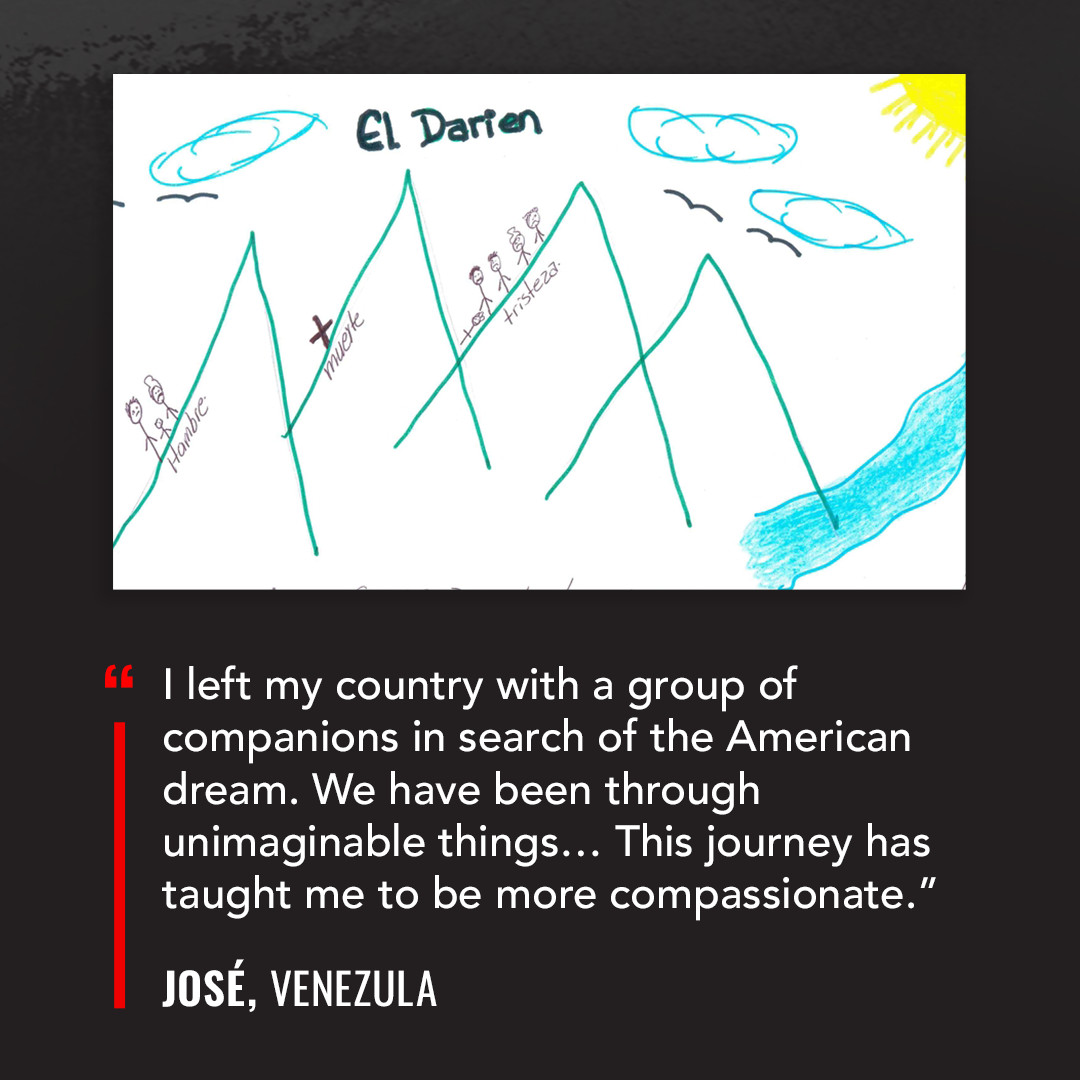
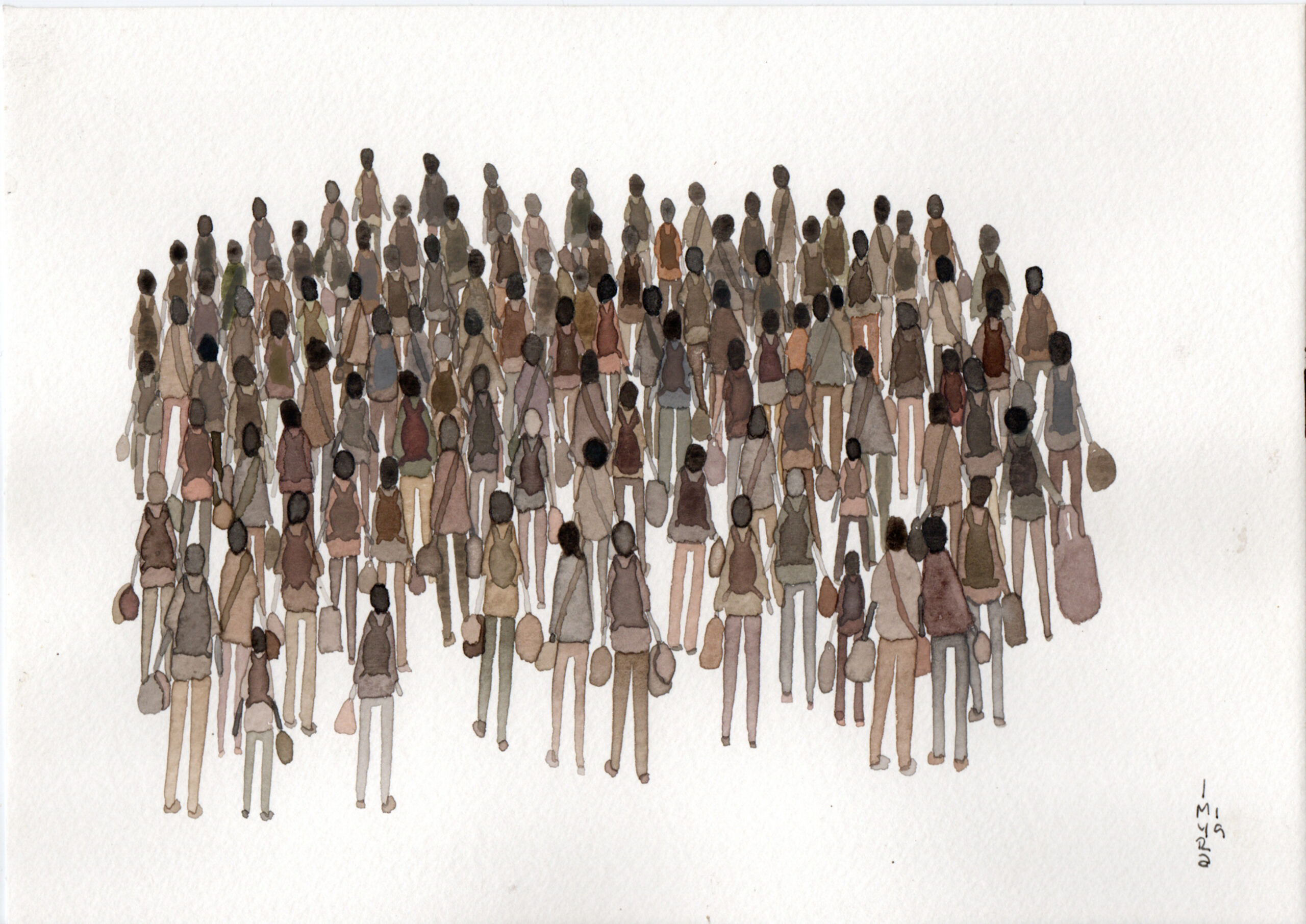
Sin-documento 483 – Imyra (Brasil)

caravans where people are forced to leave their homes with almost no belongings

and to walk to other places without any certainty of what they will find

on the way or if they will get to a better place.


“it is the obligation of every person born in a safer room

to open the door when someone in danger knocks.”
* Dina Nayeri

*At age eight, Dina Nayeri fled Iran along with her mother and brother and lived in the crumbling shell of an Italian hotel-turned-refugee-camp. Eventually she was granted asylum in America. She settled in Oklahoma, then made her way to Princeton University and Harvard. Dina is an  novelist, essayist, memoirist, and short story writer. She wrote the novels A Teaspoon of Earth and Sea and Refuge, along with The Ungrateful Refugee, The Waiting Place, and Who Gets Believed

unimaginable.

Standard

above created by a 7 year old boy, met by doctors without borders 

– on world refugee day

Humanitarianism is about more than medical efficiency or technical competence. In our choice to be with those who suffer, compassion leads not simply to pity but to solidarity. Solidarity implies to demand a minimum respect for human life and to recognize the dignity and autonomy of others, and asserting the right of others to make choices about their own destiny. Humanitarianism is about the struggle to create the space to be fully human.”

-doctors without borders

“in a way, the same is true of the immigrants.

they have contributed in their way to the flowering of the community,

and their individual striving and suffering have remained unknown.

unemployment is not decreased by restricting immigration.

for unemployment depends on faulty distribution of work among those capable of work. 

immigration increases consumption as much as it does demand on labor.

immigration strengthens not only the internal economy of a sparsely populated country,

but also its defensive power.”

-albert einstein, in a speech at the World’s Fair, New York, USA 1939


my message is love.

Standard

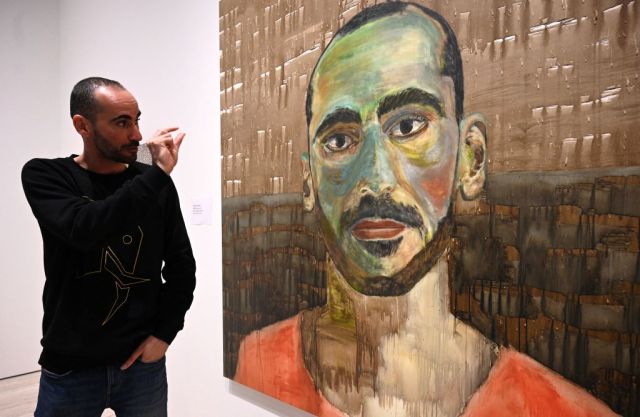
Refugee Who Paints With a Toothbrush Nominated for Prestigious Art Prize: “My Message Is Love”

Mostafa Azimitabar stands next to the art he created with a toothbrush and coffee

For artist Mostafa “Moz” Azimitabar, no paintbrush is as special as the humble toothbrush

Facing persecution in his birth country of Iran, the Kurdish artist and musician fled to Australia in 2013. Once there, he was entered into the immigration system and would spend the next eight years in detention centers. At his first stop, an offshore camp on Manus Island, Papua New Guinea, Azimitabar turned to art to cope with his emotions.

“I asked one of the officers on Manus: ‘Can I have some paint?’… I would like to do some artwork because I don’t want to give up’,” he recalled. The guard refused his request, citing safety concerns. Azimitabar returned to his shared room, frustrated, but refusing to let it go. The reality of his situation forced him to get even more creative. He decided to work with what he had — in this case, coffee and a toothbrush.

“I don’t know what happened … that moment was so special for me. I grabbed the toothbrush and I put it in the coffee and I just dragged it (on some paper),” he said, calling it a “moment of victory.” He continued to experiment with the technique throughout his detainment. “Art and painting helped me to be strong, to continue. Because when I paint, I don’t feel any trauma.”

Then, another moment of victory came over a year after his release in 2021: He was named a finalist for the Archibald Prize, one of Australia’s most prestigious art awards, worth over $70,000. His painting, one of 52 chosen from over 800 submissions, was created using a toothbrush, coffee, and acrylics on canvas. It’s titled “KNS088,” the number the Australian government issued him during his years in detention.

Azimitabar wrote, “I made this self-portrait to share my story. My face looks outwards, showing the suffering I have experienced, but also my strength and determination.”

“The message of my painting is love. We are all one family, connected by our humanity.”

-Mostafa Azimitabar


credits: Rebekah Brandes, Saeed Kahn/AFP, NSW

partings.

Standard

Born in 1960 to a Sicilian family living in Morocco and raised in France, Catalano became a sailor in his twenties. This nomadic lifestyle was a major inspiration for his work as an artist. The sculptures of Bruno Catalano, especially, Les Voyageurs show this influence. They delve into themes of travel, migration and journeying. Themes extend into exploring the ideas of home, belonging, loss and the experiences of a “world citizen”. Each statue carries a single suitcase, weighing them down, but also serving as their only means of support. Fascinating technically, artistically, and in its symbolism, the large omissions in the statues leave much to the imagination. Some figures appear to be fading away, while others materialize before our eyes. Contrary to the opinion that travel broadens and enriches, Catalano lamented that all his travels left him feeling that a part of [him] was gone and will never come back. ‘Fragments’ makes full use of this ethereal effect with three sculptures broken down to create one unit. The man looks fragile and delicately held together, losing more and more of himself till only his feet and bag remain.

“life is made of so many partings welded together.
-charles dickens

— 

credits: Daily Art Magazine

what people do.

Standard

“the most important thing on earth is for all of us to make this sentence true:

compassion is what people do.”

-glennon doyle melton


image credit: interfaith council for peace and justice, washtenaw congregational sanctuary

rise above ourselves.

Standard

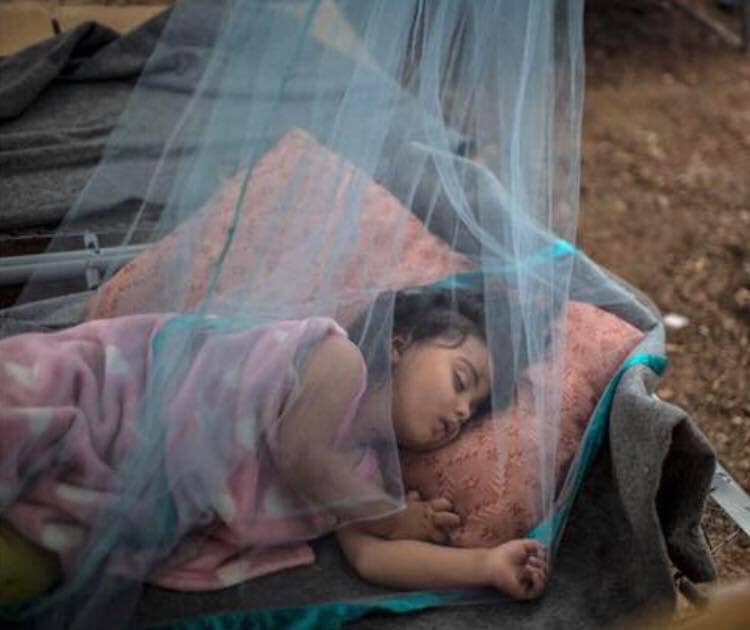
This image took my breath away, in it I’m sure we all recognize a hundred faces of our own nieces, daughters and little friends. How refugee children sleep in Europe in 2018…. I wish for her a warm bed with the softest blankets and a princess netting just because it’s pretty, not to keep out hundreds of mosquitoes, and a nightlight in the shape of the moon. All of these things inside a safe and happy home. A garden and toys to play with, a school to go to. Just the normal and most basic rights for any child. – m. graeve


‘compassion brings us to a stop, and for a moment we rise above ourselves.’

-mason cooley


image credit: muhammed muheisen,

story credits: open homes open hearts, merel graeve – stories from the ground