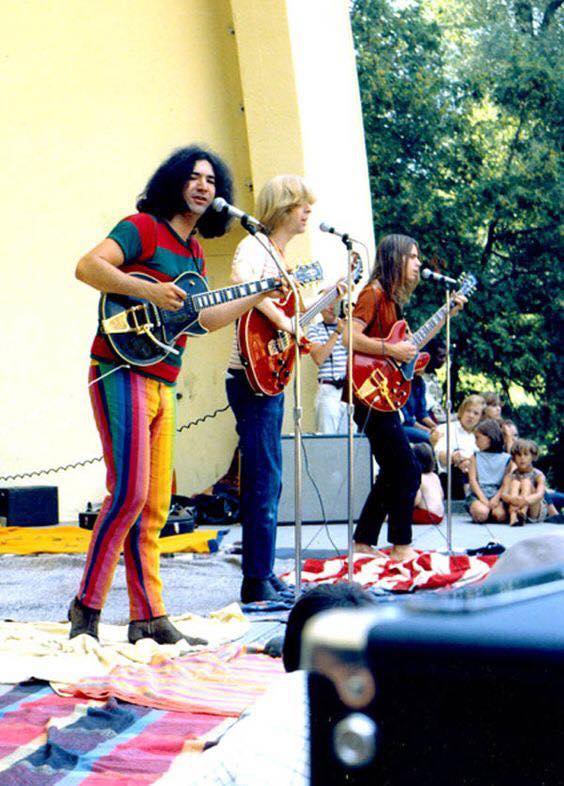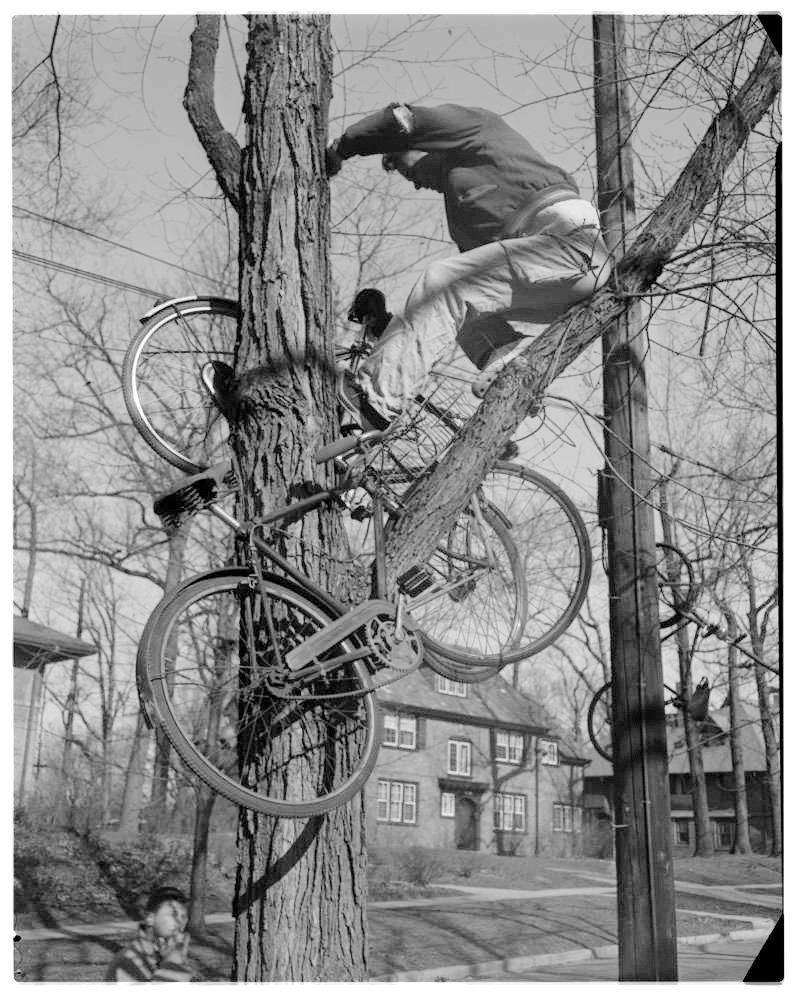
i actually have dated someone who fit this same description.
—
credits: central press, getty images, mental floss
when i went into the post office to mail something and buy stamps
i was approached in line
by a postal worker who tried to help out and save me time
by offering me stamps
“i have some pretty flowers or american flags available.”
i must appear to be a feminine and/or patriotic gardener
it was a nice gesture but i chose to wait a minute and select my own
when i made it to counter and the postal worker opened her book
she offered me hearts and flowers
(is it my lavender body lotion?)
i asked to look through the book and chose the two above –
jimi hendrix and jfk
she looked at me, nodded, saying
“interesting combo.”
interesting does not even begin to describe them.
—
“genius is essentially creative;
it bears the stamp of the individual who possesses it.”
-madame de stael
fall is only ‘fall’ to americans, even though the term was coined in britain.
what do you call the picking of ripe sweet potatoes, apples, squash and pumpkins?
harvest.
that was the word used until the 1300s to describe the next few months of weather.
because “harvest” also meant the gathering of ripe crops, when the word “autumn” showed up in english writing, its popularity soared.
some time after, poets coined the phrase “the fall of leaves” — shortened to “fall” in the 1600s.
the word “autumn” still remained popular throughout england’s period of colonizing the world.
the lack of consistent communication between the english and the people in the american colonies led to differences in the language.
by the mid-1800s, the word “fall” had firmly rooted itself in america.
—
and apparently something was again lost in translation
when communicating with mother nature
as yesterday was the official first day of
fall/harvest/autumn
and our temps in michigan were in the 90s.
(photo: fuller park, ann arbor, mi, usa)
—
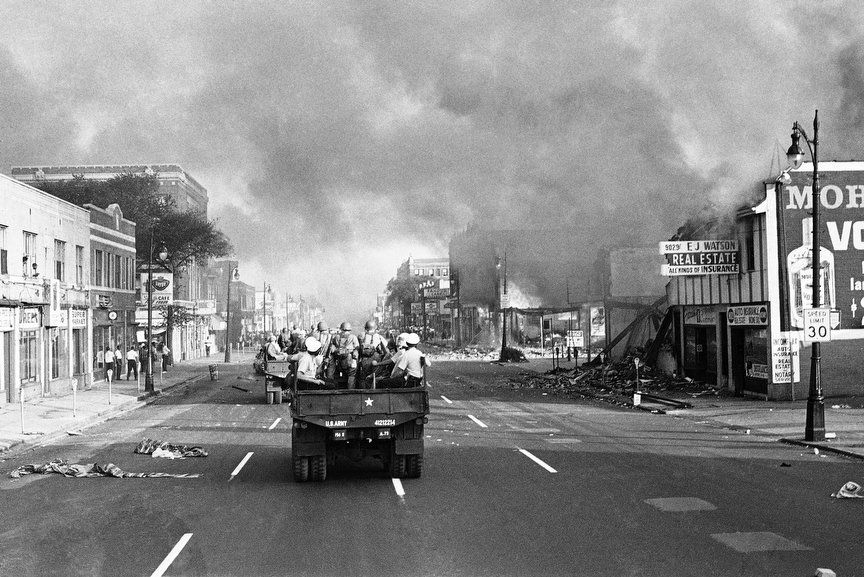
credit: cnn news
50 years ago this week
we were in the midst of a detroit riot
we have come such a long way
still have a way to go
but here we go.
—
“since its founding, detroit has been a place of perpetual flames. numerous times the city has suffered riots and each time the city has burned to the ground. the city’s flag acknowledges as much.
speramus meliora; resurget cineribus:
we hope for better things;
it shall rise from the ashes.”
detroit free press – 1967
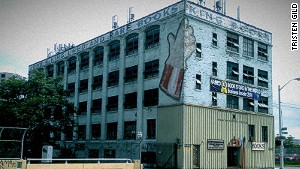
by far, the most interesting bookstore i’ve ever spent time in
john k. king used & rare books
is a bookstore out of its time
located in detroit on 4 floors
of what used to be the advance glove company building
filled with over 1 million volumes
completely uncomputerized collections
organized into more than 900 categories
by a team of energetic and helpful staff members
each floor has a manager who is responsible
for knowledge and maintenance of the categories held there
upon entering you are handed a map and directory
you are free to wander you way through the floors
until closing time.
john began collecting and selling books as a teenager
selling them out of the trunk of his car
and he continues to this day
on my recent visit to the store
staff members said he was in his car
headed to cincinnati to acquire a new collection
every time they sell a few books, he takes on more
he’s now purchased the old otis elevator building
behind the store to use as
an annex for his art and rare book collections
this is a store and experience not to be missed.
“i thought i’d go to a bookstore and see what moved me.”
-erik larson
—
credits: john r. king books
one of my favorite places to hike can be found right in the center of ann arbor, a place where i always return, the nichols arboretum. it’s a lovely, quiet, sweeping park where there is natural beauty to be found in any season. one of the most stunning displays is the blooming of the peony garden. unlike any i have ever seen.
the nichols arboretum peony garden is the largest public collection of historic (pre-1950) herbaceous peony cultivars in north america. the university and botanical gardens are currently in the process of rebuilding this historic garden to be an internationally significant, scientifically-documented and culturally interpreted living reference collection.
the garden, open since 1927, boasts more than 270 historic varieties of peony, cultivated in the 19th and early 20th centuries. nearly 800 plants are arranged in 27 beds at the arboretum’s peony garden, drawing flower lovers from across the region when they bloom each spring.
“flowers always make people better, happier, and more helpful;
they are sunshine, food and medicine for the soul.”
-luther burbank

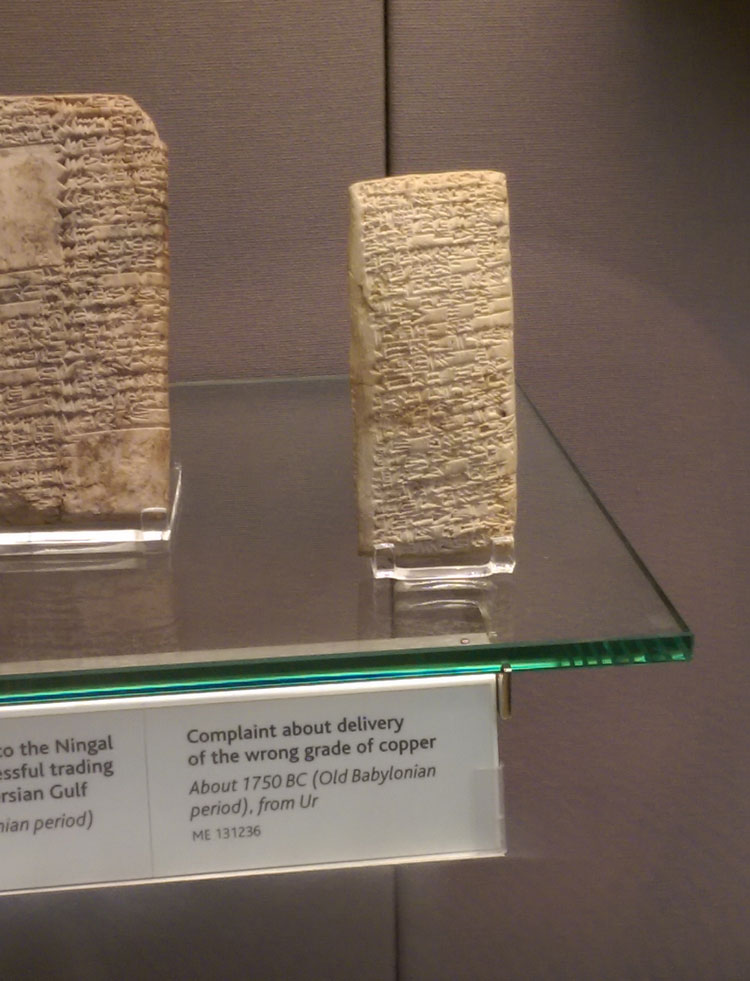
Among the artifacts at the British Museum in London is this ancient Babylonian customer service complaint that was inscribed on a clay tablet sometime around 1750 B.C. The complaint is regarding problems with two shipments of copper ore, as the museum notes in their description:
Clay tablet; letter from Nanni to Ea-nasir complaining that the wrong grade of copper ore has been delivered after a gulf voyage and about misdirection and delay of a further delivery; slightly damaged.
A full translation from the book Letters from Mesopotamia by Assyriologist A. Leo Oppenheim has provided a view into the customer’s complaint. Turns out Nanni was pretty angry:
Tell Ea-nasir: Nanni sends the following message:
When you came, you said to me as follows : “I will give Gimil-Sin (when he comes) fine quality copper ingots.” You left then but you did not do what you promised me. You put ingots which were not good before my messenger (Sit-Sin) and said: “If you want to take them, take them; if you do not want to take them, go away!”
What do you take me for, that you treat somebody like me with such contempt? I have sent as messengers gentlemen like ourselves to collect the bag with my money (deposited with you) but you have treated me with contempt by sending them back to me empty-handed several times, and that through enemy territory. Is there anyone among the merchants who trade with Telmun who has treated me in this way? You alone treat my messenger with contempt! On account of that one (trifling) mina of silver which I owe(?) you, you feel free to speak in such a way, while I have given to the palace on your behalf 1,080 pounds of copper, and umi-abum has likewise given 1,080 pounds of copper, apart from what we both have had written on a sealed tablet to be kept in the temple of Samas.
How have you treated me for that copper? You have withheld my money bag from me in enemy territory; it is now up to you to restore (my money) to me in full.
Take cognizance that (from now on) I will not accept here any copper from you that is not of fine quality. I shall (from now on) select and take the ingots individually in my own yard, and I shall exercise against you my right of rejection because you have treated me with contempt.
—
“if you make the customer a promise, make sure you deliver it.”
-merv griffin
—
credits: british museum, laughing squid, e. lynch, reddit
The Snowman’s Oddly Political History
Turns out the winter sculpture has served more than just aesthetic purposes.
If there’s a white, fluffy layer of snow on the ground, odds are you’re itching to play in it. And if you’re playing in the snow, what else would you do but roll it into a ball? And then another, slightly smaller one. And then a third. Stick on some arms, a face and maybe some accessories, and voila: You’ve become a part of a millennia-long tradition.
As long as there have been humans in the snow, there have probably been snowmen. Trying to discover where the first one was built is like trying to track down the first person to ever sneeze; almost as soon as it happened, it was gone. But, throughout history, some of our frosty friends have been more notable than others. And their stories have survived long after the protagonists had melted away.
1. The first snowman ever drawn was Jewish. Uncovered by Bob Eckstein for his book, The History of the Snowman, the earliest known depiction of a snowman sits in a manuscript of The Book of Hours from 1380.The oddly anti-Semitic drawing features a Jewish snowman melting near a fire. The accompanying passage describes the crucifixion of Jesus.
2. Your best snowman will probably never live up to the one Michelangelo made. In 1494, a prince known as Piero the Unfortunate commissioned the artist to build a snowman in the Medici courtyard. Though very little is written about the work, one art critic from the time said it was astonishingly beautiful.
3. Snowpeople have been used as acts of political protest. Though today’s snowman has become a reliable holiday character for those wishing to remain secular and apolitical, they weren’t always used for such impartial purposes. In 1511, people in Brussels were miserable. On top of being poor and hungry, they were also dealing with “The Winter of Death,” where freezing temperatures lingered over the city for months. The government decided that a snowman festival would be perfect for raising spirits. And they were right, just probably not in the way they had hoped. Aspiring snow artists covered the city in pornographic snow sculptures, as well as graphic caricatures of prominent citizens. The officials let them have their fun, hoping that as the sculptures vanished in the spring, the people’s angst would melt away too.
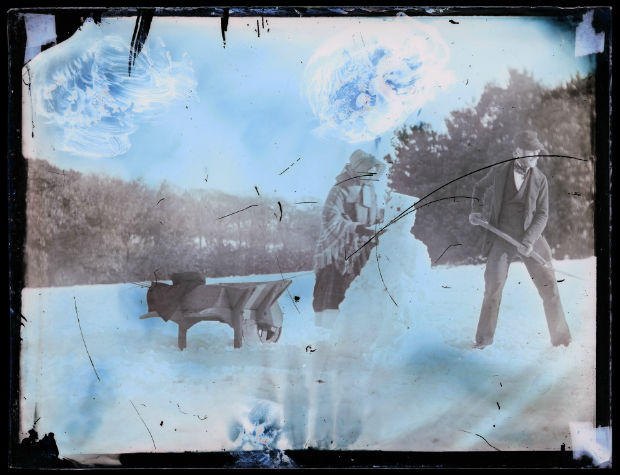
4. The snowman was one of the world’s earliest models. The first photograph of a snowman was taken by Mary Dillwyn in 1845, shortly after the camera was first invented. So, the first photo of a snowman is also one of the first photos of anything. Ever.
First Snowman – Mary Dillwyn/National Museum of Wales
5. Snowmen may have helped the French fight Prussia. As the king of Prussia sought to expand his territory by invading Paris in 1870, two French soldiers and artists revived spirits with acts of snow sculpting. In the Bicêtre fortress, they constructed “The Resistance,” a snowwoman sitting on a cannon, and “The Republic,” a stoic snow-bust in a cap. The snow-crafts weren’t enough, though, and Prussia ultimately won the war of 1870. Some historians state that the grudge held by the people of France from this defeat helped drive the country’s victory in World War I.
6. The tallest snowperson in history is from Michigan. The home of the world’s tallest snowman is Bethel, Michigan. Bethel first earned the distinction in 1999 with Angus King of the Mountain. But when no other city rose to take the title in the ensuing years, Bethel decided they’d have to beat their own record. In a feat of feminism, they constructed Olympia – the 122-foot-tall snowwoman – in 2008. She had eyelashes made of skis, lips made of car tires, a 100-foot-long scarf, and a six-foot-long snowflake pendant.
—
Credits: Smithsonian Magazine, Mental Floss Magazine, The History of the Snowman – Bob Eckstein, The Book of Hours, Annie Garou, Mary Dillwyn, Harbin International Ice and Snow Sculpture Festival.
1970s vintage plaid with a few of my favorites:
Glen Campbell, Johnny Orr, Gerald Ford, Bo Schembechler, Cy Laughter
in honor of the big game tomorrow
this one’s for you, coach bo
go blue.
—
‘the key is to keep company only with people who uplift you,
whose presence calls forth your best.”
-epictetus
—
image credit: ann arbor townies, leslie orr