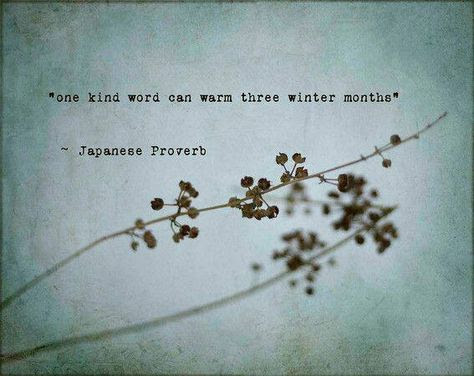
yesterday a stranger
came up to me in a store
to offer a few kind words
surprising me and making my day
the power of words never fails to amaze me.
yesterday a stranger
came up to me in a store
to offer a few kind words
surprising me and making my day
the power of words never fails to amaze me.
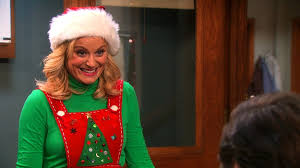
for a little variety, learn these words for your next holiday gathering,
some borrowed from foreign languages and others from long ago.
—-
Someone doing their Christmas shopping on December 24 is the epitome of a Yuleshard – a person who waits until the last minute to finish preparations for the holidays. This Scottish word dates to at least the mid-18th century. “Yule” is a synonym for the Christmas season, and “shard” is a corruption of the word jade and has been used since the 16th century as an insult in Middle English, referring to a worn-out horse.
Italians have the perfect word for how many feel after a holiday meal. Abbiocco refers to the drowsiness that occurs after a large meal, making it distinct from simple sleepiness before bedtime. It also involves a state of pure relaxation while delaying responsibilities, something that tends to occur on holidays. The word originated in central Italy from two verbs, abbioccare and abbioccarsi, meaning “to exhaust” and “to doze off,” respectively.

It’s easy to overindulge during holiday meals, and those who do might need to take advantage of a yule-hole. According to the Oxford English Dictionary, a yule-hole is “the hole in the waist-belt to which the buckle is adjusted, to allow for repletion after the feasting at Christmas.”
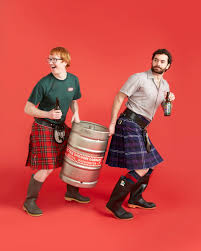
A bummock is an alcoholic beverage brewed to enjoy at a “merry meeting” — aka a holiday party. This Scottish drink has been around since at least the early 19th century, but an 18th century definition of “bummock” (sometimes spelled “boumack”) is “an entertainment anciently given at Christmas by tenants to their landlords.”
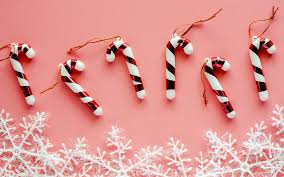
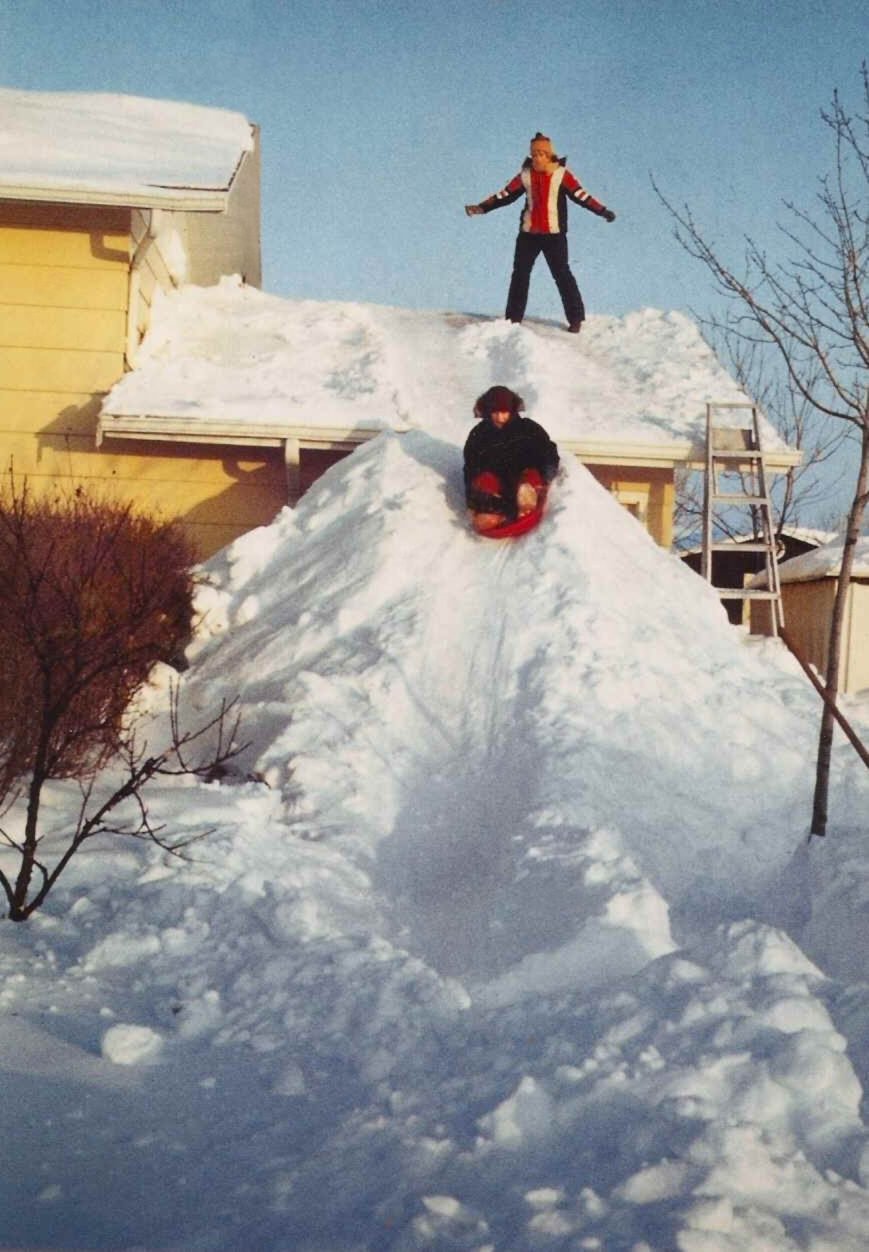
Schnapsidee is a German word that translates literally as “booze idea,” something many people have during the holidays. It’s a ridiculous, ill-advised idea that sounds like it was made up during a drunken state — sledding off the roof at a holiday party, for example. (Don’t do that!) Germans tend to use the word to describe any outlandish idea, though, whether alcohol was involved or not.
—
‘action speaks louder than words but not nearly as often.’
-mark twain
—
source credits: word smarts, rachel gresh, vintage postcards, pinterest, bbc, wasau news

In an interview with The Guardianin 2019, English stand-up comic Chris McCausland claimed the funniest English word is “hippopotomonstrosesquippedaliophobia.” Not only is this a silly word to say, but it also has a humorously ironic meaning, as it refers to a fear of long words.
—
‘
—
source credits: the guardian, wordsmarts, google images
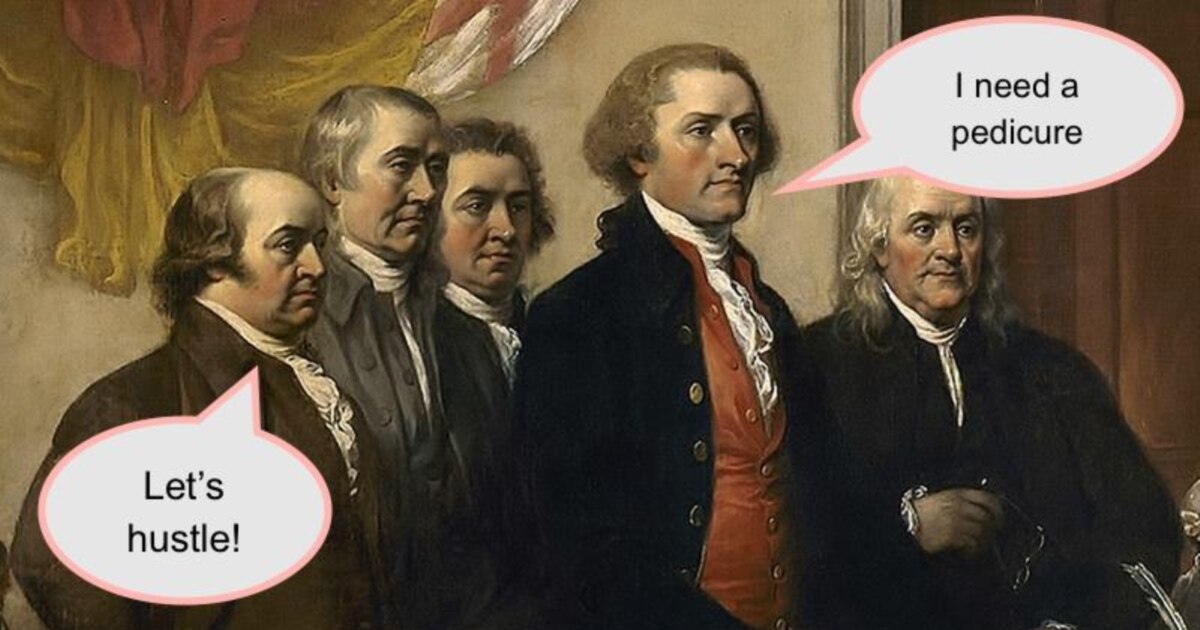
our founding fathers irked england by inventing american english
thomas jefferson is credited with coining over 100 words — more than any other president. among the words the third president introduced are “indecipherable,” “belittle,” and “pedicure,” the latter of which means to care for the feet and toenails. “Pedicure” was one of several words that Jefferson borrowed from the French after spending many years in Paris.
next time you get your pedicure,
you’ll have TJ to thank for bringing this word to us,
otherwise you wouldn’t have known what service to ask for
when you booked your appointment.
—
‘where can i find a man who has forgotten words so i can have a word with him?’
-zhuangzi
—
source credits: VOA, Saturday Evening Post

A collection of empty chairs is called an author reading.
A collection of Eric Carle books covered in spit-up is called a storytime.
A group of exhausted mothers covered in spit-up is also called a storytime.
A cluster of teens reading quietly is called a mystery.
A pile of books gathering dust is called a hold shelf.
A handful of change is called a budget.
A stack of books on a nightstand is called a magical thinking.
A group of people who only remember “the cover was blue” is called a patron.
A plastic prize tub of stickers is called a summer reading program.
A collection of missing pieces is called a community jigsaw.
A group of retirees is called a Scrabble night.
A shelf of books in alphabetical order is called a miracle.
A group of shushing librarians is called a cliché.
A group of underfunded libraries is called a tragedy.
by Sally Miller
—
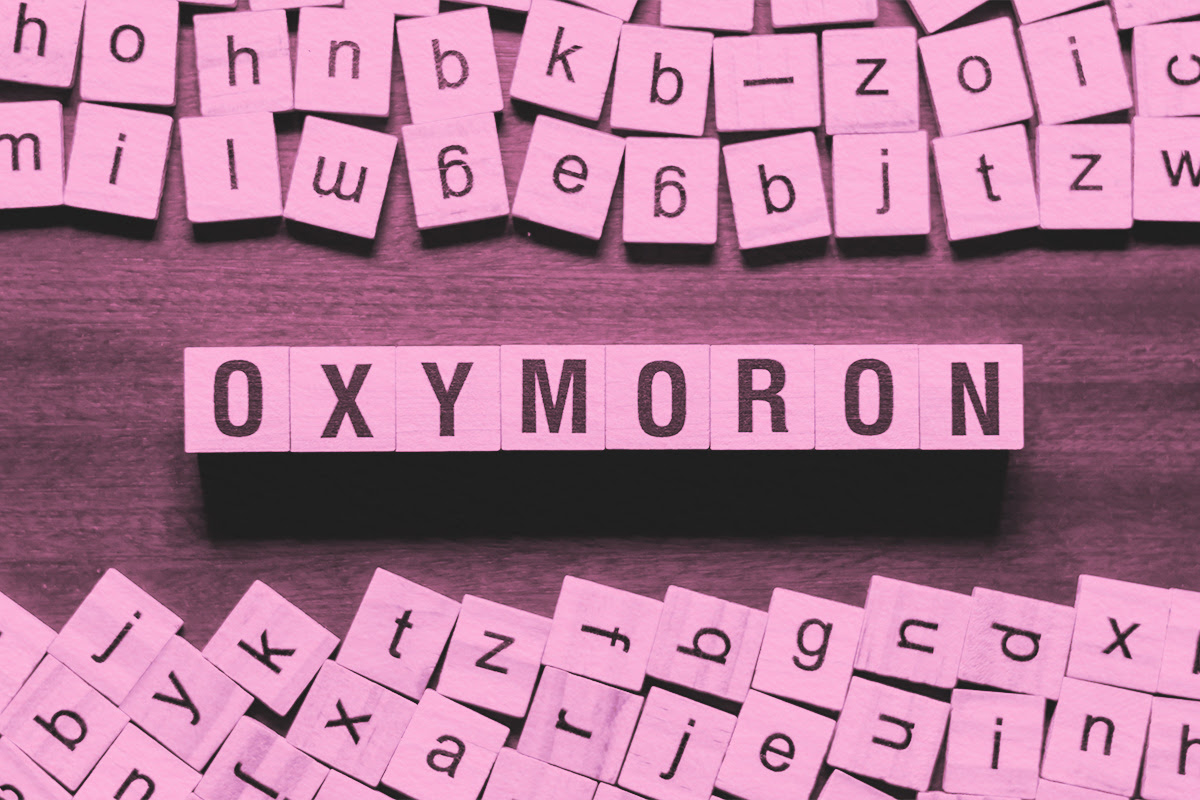
why is ‘oxymoron’ an oxymoron?”
Much like “deafening silence” and “jumbo shrimp,” the word “oxymoron” is a bit of an oxymoron in itself.
The word “oxymoron” may sound like an insult or maybe a cleaning product, but it’s neither. It’s the name for a figure of speech where contradictory terms appear together (e.g., “minor crisis,” “small crowd,” “bittersweet”). But the word “oxymoron” also falls into that category, as it’s derived from ancient Greek words that contradict each other.
“Oxymoron” comes from the Greek oxumōron,which combines oxus (meaning “sharp”) and mōros (“foolish”). Calling something both sharp and foolish comes across as, well, oxymoronic, thus making the word “oxymoron” a perfect example of what it describes.
But being a walking contradiction never stopped the word from becoming a part of our collective vernacular. According to the Oxford English Dictionary, it became popular in the mid-17th century, with people using it to rhetorically emphasize blatantly contradictory phrases. While you may be tempted to call someone an oxymoron as a personal descriptor, doing so wouldn’t be by the book. Instead, the term is best reserved for incongruous sets of words.
—
just when i thought I had a handle on this…..
what is your favorite oxymoron?
my personal favorite is:
‘definite maybe.’
—
‘i’m not going to say i told you so, but i did.’
-nouriel roubini
—

so kind and unexpected
handwritten positive affirmations
in the restroom of a little local diner
—
‘wouldn’t it be wonderful if we could all be a little more gentle with each other?’
-judy garland

when you’ve just settled in for the night
and someone calls asking you to go out
you roll your eyes, you sigh
then have a couple of ways to turn down the offer,
one leaves the caller with a better feeling about you than the other:
option#1
“i don’t feel like going out tonight.”
lazy
unoriginal
puts the blame on you
option#2
“for now, my place is here.”
surprising
philosophical
you answer to a higher power
—
choose your words wisely.
—
“facts matter not at all. perception is everything. it’s certainty.”
-stephen colbert
—
credits: franklin springboro library, take a hike photography
小草休扈 请勿扛搅
inaccurate translation:
DO NOT DISTURB. / TINY GRASS IS DREAMING.
while the image of blades of grass sleeping soundly is undeniably adorable,
the chinese public lawn sign posted near the grass was actually meant to read,
accurate translation:
GRASS IS RESTING. DO NOT DISTURB.
i personally prefer the first.
—
—
photo credit: university animal clinic

 I didn't have my glasses on....