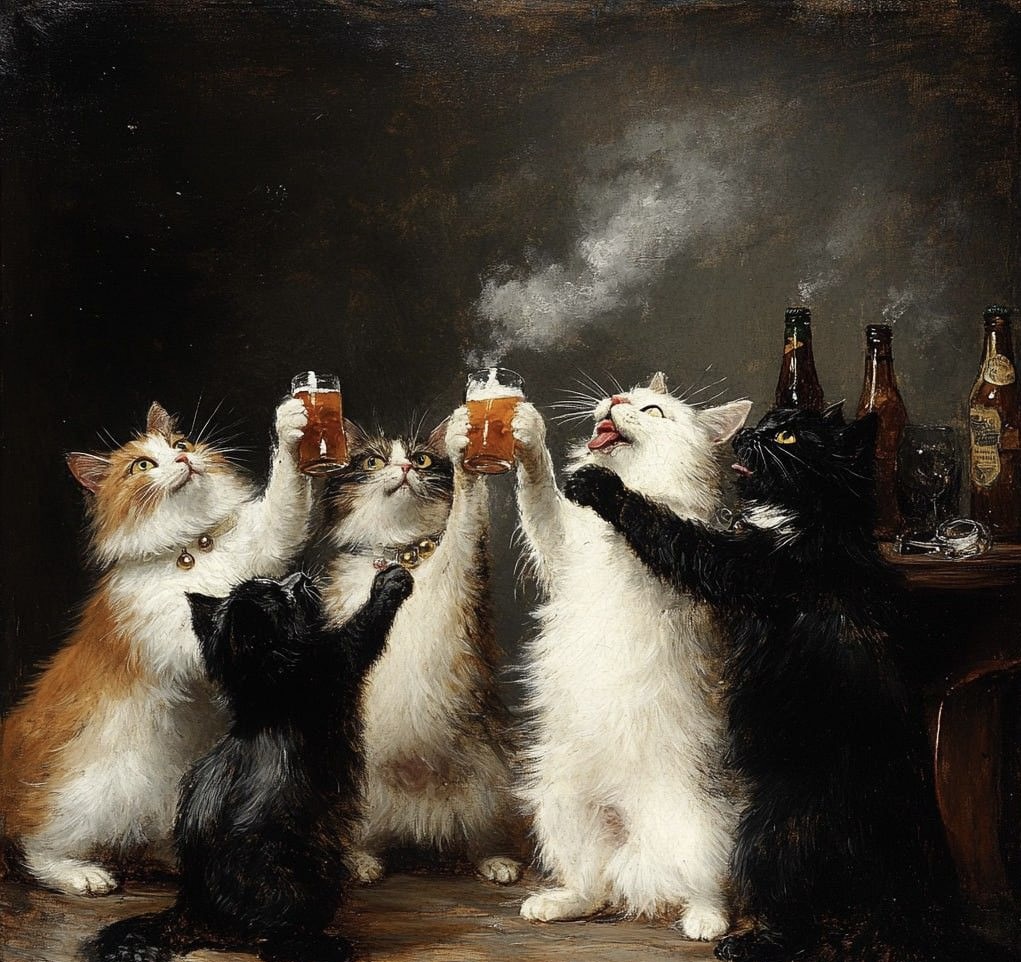
‘when black cats prowl and pumpkins gleam
may luck be yours on halloween.’
-author unknown
—
image credit: pinterest
‘when black cats prowl and pumpkins gleam
may luck be yours on halloween.’
-author unknown
—
image credit: pinterest
 i love telling stories about things that have happened and each time I tell them (just ask my family and friends), they may be just the slightest bit different, but they are as I remember them. perhaps i’m an unreliable narrator, as memoirists are known to be, and i’m okay with that-
‘I won’t tell you the story the way it happened, I’ll tell it to you the way I remember it.’
-Pam Houston
the actual definition of an unreliable narrator as written into literature or film, is the following:
an unreliable narrator is a character who cannot be trusted, one whose credibility is compromised.They can be found in a wide range from children to mature characters.
—
‘I think that at the end of the day I’m drawn to a certain level of ambiguous storytelling that requires hard thought and work in the same way that the New York Times crossword puzzle does: Sometimes you just want to put it down or throw it out the window, but there’s a real rewarding sense if you feel like you’ve cracked it.
-damon lindelof
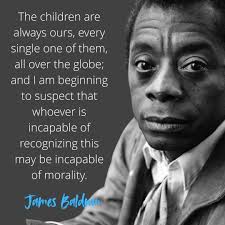
we must do everything to keep them safe. every single one of them.
near and far
basic needs
food, medicine, shelter.
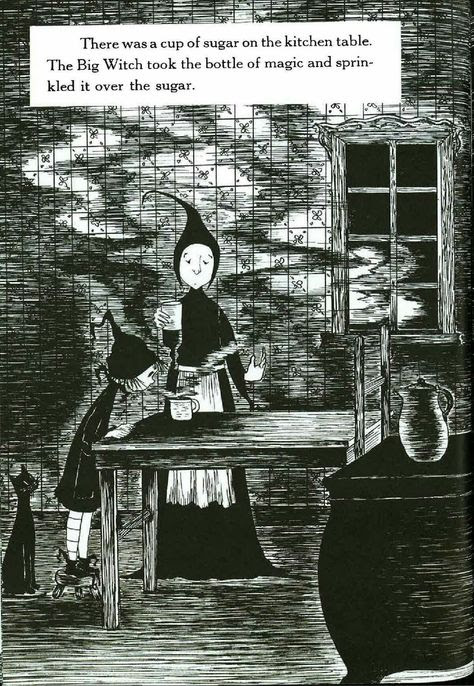
cooking for the holiday
—
‘i watch cooking change the cook, just as it transforms the food.’
-laura esquivel
—
image source: Dorrie and the Blue Witch by Patricia Coombs
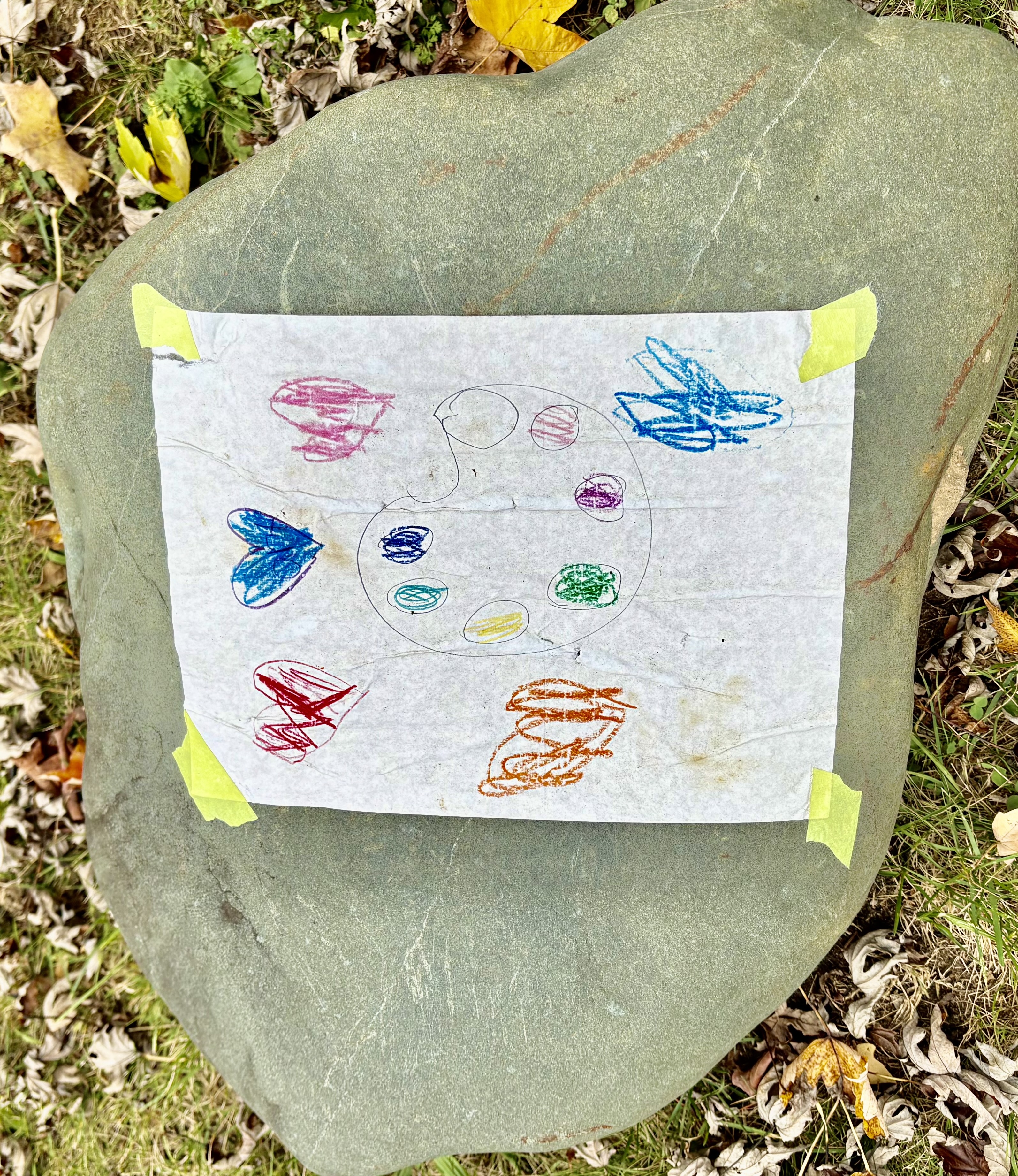
this thoughtful young artist
has left a painter’s palette
and kind hearts
for any passerby
feeling inspired
to create
using the colors left for them
moved by
the surroundings
and such kind generosity.
—
‘a world of colors on the palette remained….
wandering…
on canvases still emerging.’
-wassily kandinsky
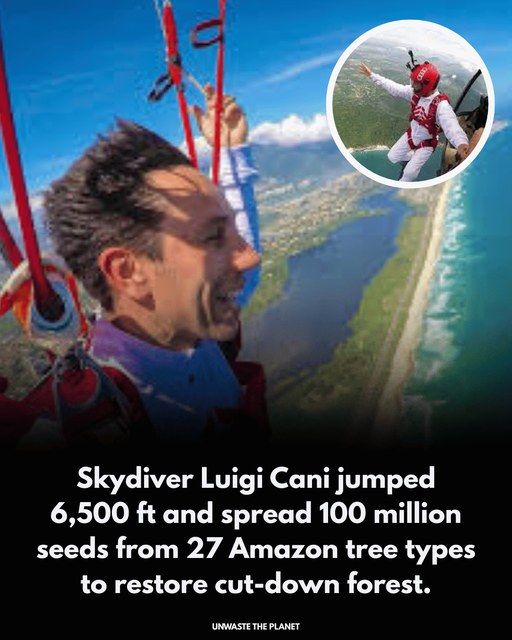
Skydiving legend, Luigi Cani, aims to breathe new life into our world
The Earth is one giant, living organism, and we have the privilege of calling it home. We enjoy the beauty of blue skies, the shade of magnificent trees, the lulling motion of waves.
Being able to breathe clean air is largely a result of the way plants retrieve carbon and purify the air on our planet home. The Amazon forest functions as Earth’s lungs. But deforestation has made it difficult for the jungle to do its job.
Though there are many efforts to plant trees, the remoteness of the jungles makes it difficult. Drop in Luigi Cani, the world-record-holding skydiver who completed a wingsuit jump on a motorcycle into the Grand Canyon and felt like there was something he could do. After 14,000 jumps, Cani was ready to put his skills to good use.
“I’ve been jumping for 25 years, and I’ve always pushed the limits with risky jumps,” he says. “Now, I’m 51 years old, and I don’t have that drive for danger anymore. I want to do something to help.”
Cani picked a 100-square-kilometer patch of land that needed to be reseeded in the northern part of the rainforest. The planning was meticulous. For two months, seeds were collected by hand from nearby native plants. A biodegradable box the size of a refrigerator was designed and built, a landing site was identified, and all the permits were secured from the local and federal governments. The box had its own drag parachute to slow it down so Cani could catch up to it as it fell, open it at the right altitude, then safely jettison away and deploy his chute.
“It was the only jump where I held my breath the entire time,” Cani recalls. “I struggled to hold the box. I nearly broke my wrist and fingers. I managed to stabilize myself at about 6,000 feet.”
The result was a cloud of 100 million seeds, bursting from the box like mad insects and settling into a gentle storm of potential trees floating from the sky in a beautiful eruption of life. The seeds drifted to exactly where they needed to be. Ultimately, 95% would germinate successfully. Like a proud father, Cani charts their growth via satellite images. Some of the trees will reach 50 meters in height, a tall cluster of sentries guarding the Amazon for generations to come.
Cani isn’t done with his efforts to care for our earthly home. His next jump will bring skydiving and ocean cleanup together. “Like the seed drop, this next project will have real meaning behind it.”
—
‘to plant a seed is to believe in tomorrow.’
-author unknown
—
source credits: passiton.com, unwaste the planet, foundation for a better life
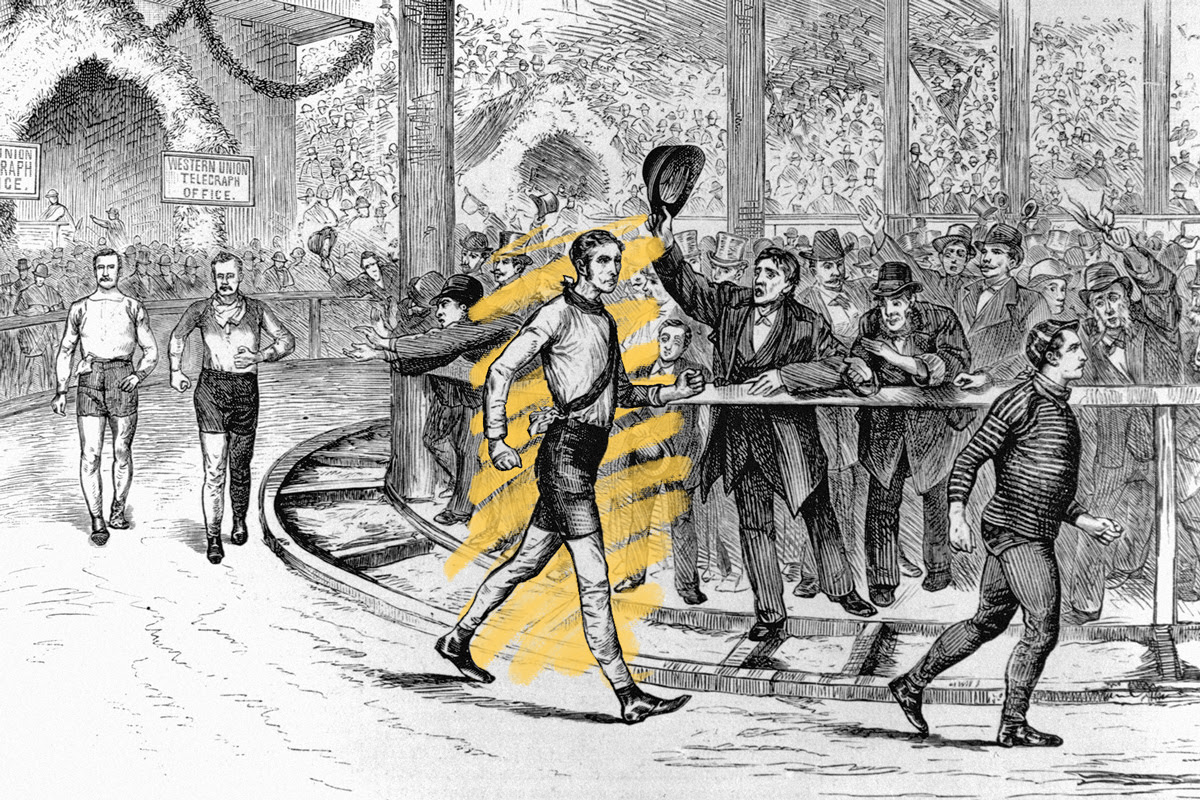
Walking was a competitive sport in the 19th Century
On March 10, 1879, the arena at Gilmore’s Garden in New York City (later, Madison Square Garden) was absolutely packed with screaming fans of America’s latest sports craze: pedestrianism. That’s right, competitive walking. At the venue, fans outside tried to shove themselves in, breaking windows and scaling the roof. It was no less chaotic inside, where ticketholders scrambled on top of tables, chairs, and each other’s shoulders to get a better view. That day marked the start of the Astley Belt, essentially the Super Bowl of walking. Contestants had to circle the 1/8-mile track for six days straight and reach a distance of at least 450 miles, and whoever traveled farthest was declared the winner. Athletes were not permitted to leave the track, and instead had tents or cottages where they were allowed to get a little rest or medical attention.
Americans’ fascination with pedestrianism can be traced back to one man, a New York Herald employee named Edward Payson Weston who had a penchant for long-distance walking. Recognizing his gift for endurance, he made a bet with a friend on the 1860 presidential race, in which the loser had to walk all the way from Boston to Washington, D.C., for the inauguration. Because Weston bet against Abraham Lincoln, he found himself on a 10-day trek through ice and snow that made him a media darling. He started organizing endurance walks against other people, which grew into pedestrianism.
The sport reached the peak of its popularity in the 1870s and 1880s, at which time it was far more than a novelty. Pedestrianism spawned America’s first celebrity athletes, complete with trading cards and brand endorsement deals. Weston was the first; he was so famous that scientists published studies on his urine. Many later superstars were immigrants and people of color: One of the last great pedestrian celebrities was Frank Hart, a Haitian immigrant with a record-breaking career that included a 565-mile, six-day walk. Plenty of women participated in the sport, too — as the March 1879 Astley Cup marched on in midtown Manhattan, five women were competing in their own six-day walk up in Harlem.
at first
I thought I might be a contender,
as an expert level pedestrian
but then I read on
saw how far and how fast they went
this was not to be
I will continue on my quest
to find my sport.
(so far I’m leaning in the direction of ‘ yard sports’
in the realm of badminton and croquet, but not jarts)
—
‘i’m in competition with myself and i’m losing.’
-Roger Waters, Pink Floyd, bassist and co-founder
—
source credit history facts.com
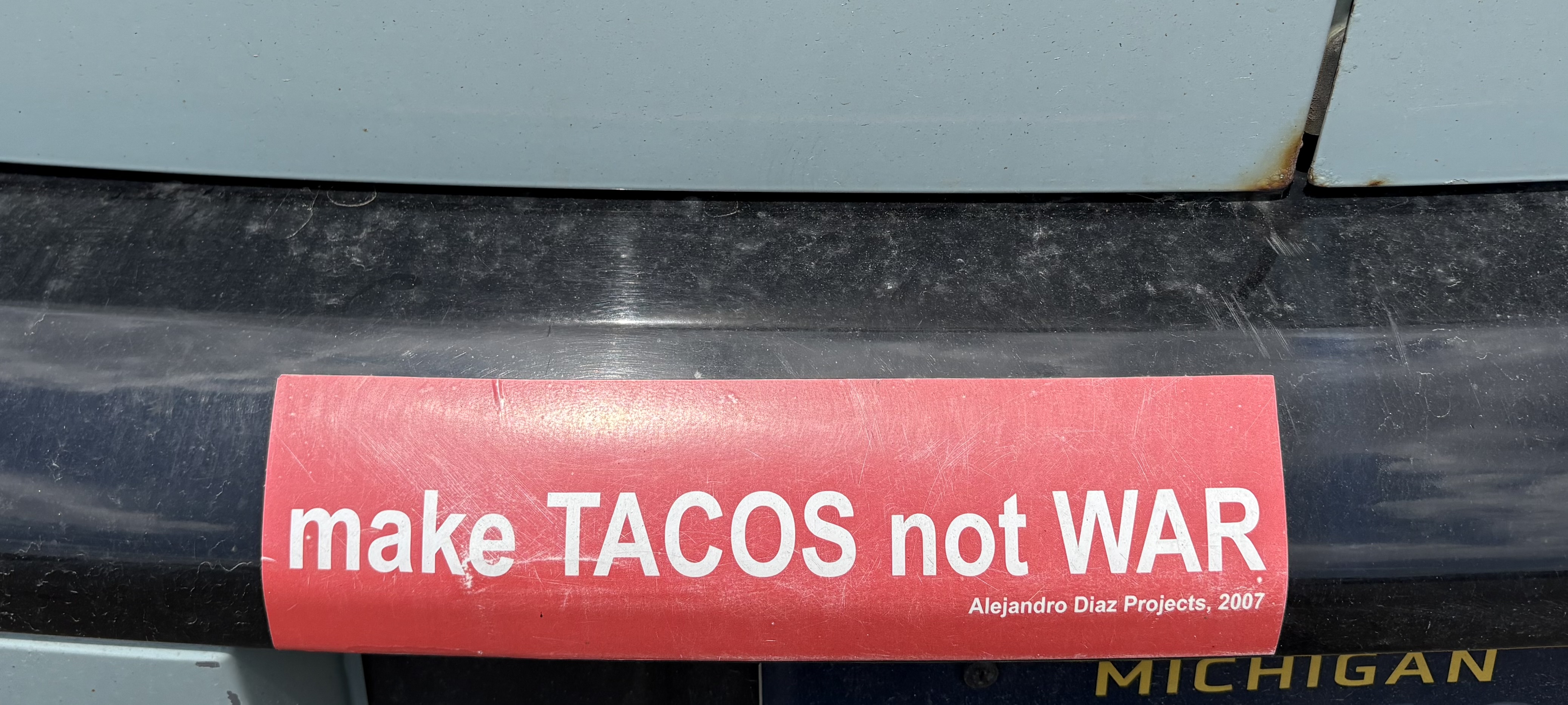
i’m all in on this approach.
a much better way to live.
—
’embrace the taco.’
– john kresl
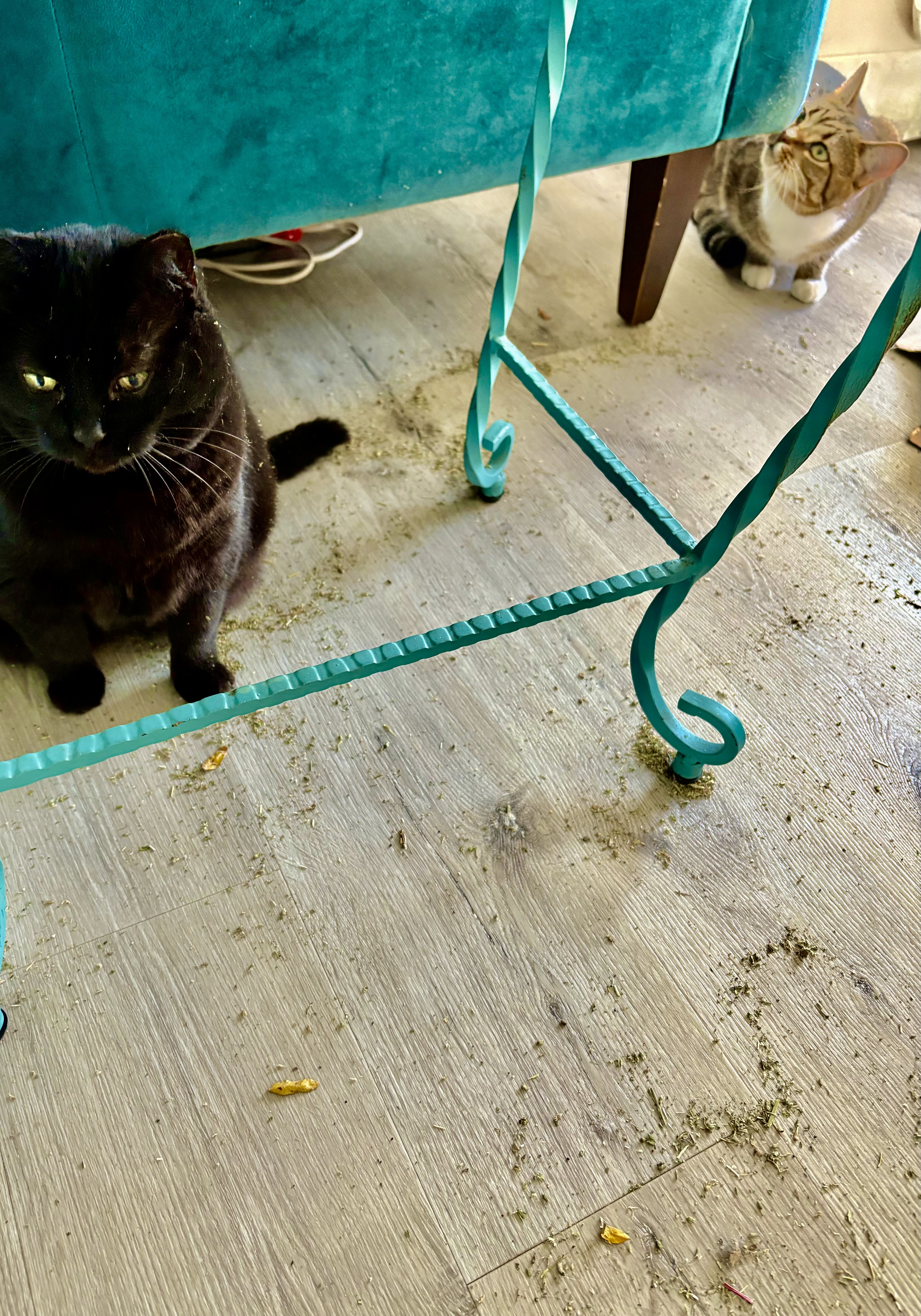
‘we’re not sure who did it,
but is must have gotten all over our fur
when we were trying to clean it up.’
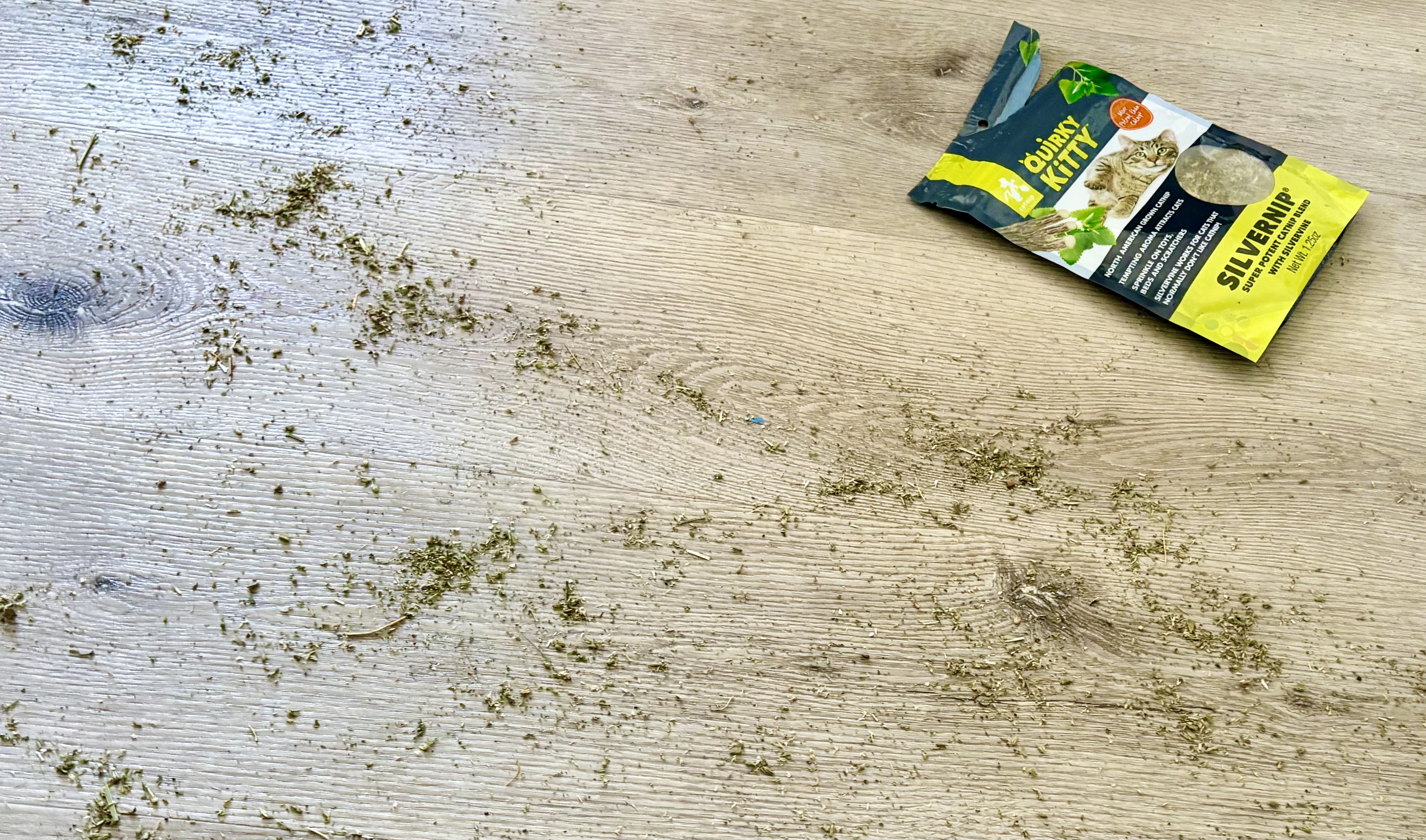
‘if you don’t talk to your cats about catnip, who will?’
– a public service announcement
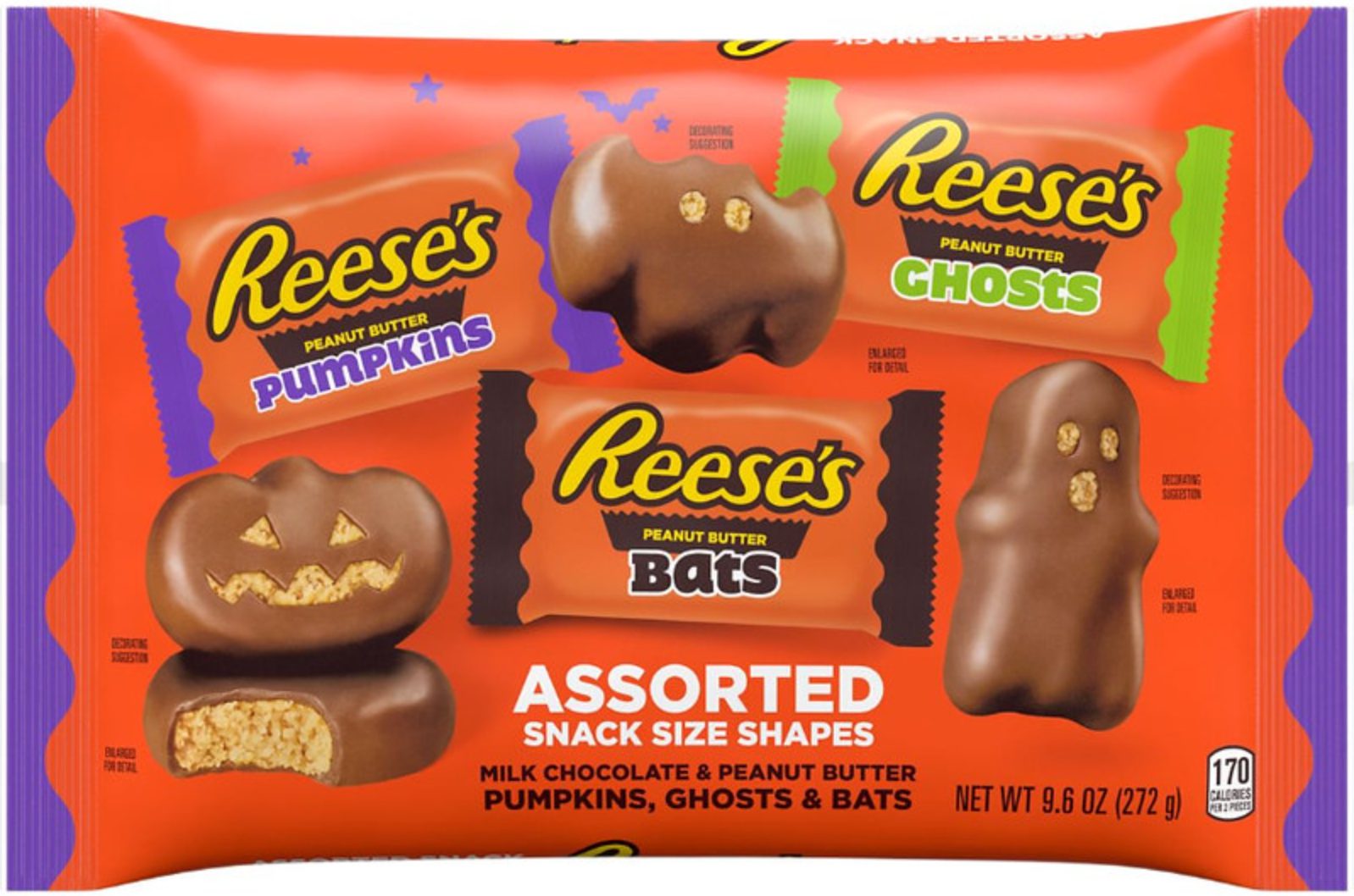
Hershey wins lawsuit arguing halloween candies weren’t spooky.
A federal judge ruled that some popular Halloween candies are a treat, not a trick. The judge dismissed a misleading advertising lawsuit against The Hershey Company. They were accused of tricking customers who got disappointing candies when they bought Halloween versions of Reese’s products.
The suit targeted nine Reese’s products, from pumpkins and ghosts to bats and footballs. They claimed that they received blank Reese’s candies when they expected ones with pumpkin faces, ghost eyes, and bat details.
Two Florida men, Nathan Vidal and Eduardo Granados, were seeking at least $5 million in damages, Reuters reported.
“Vidal was very disappointed and would not have purchased the Reese’s products if he knew that they did not have the detailed carvings of the mouth and/or eyes as pictured on the products’ packaging,” the suit said.
US District Judge Melissa Damian ruled that the treats not being spooky enough doesn’t prove economic harm.
“Put simply, the plaintiffs do not allege that the products were unfit for consumption, did not taste as the plaintiffs expected, or otherwise were so flawed as to render them worthless,” Damian wrote “Rather, the plaintiffs allege that they were “disappointed” that the products they purchased did not have the detailed carvings pictured on the product packaging.”
—
‘whoever tells the best story wins.’
-john quincy adams
—
source credits: chris spiker, daily news, Reuters, hershey candy company
 I didn't have my glasses on....