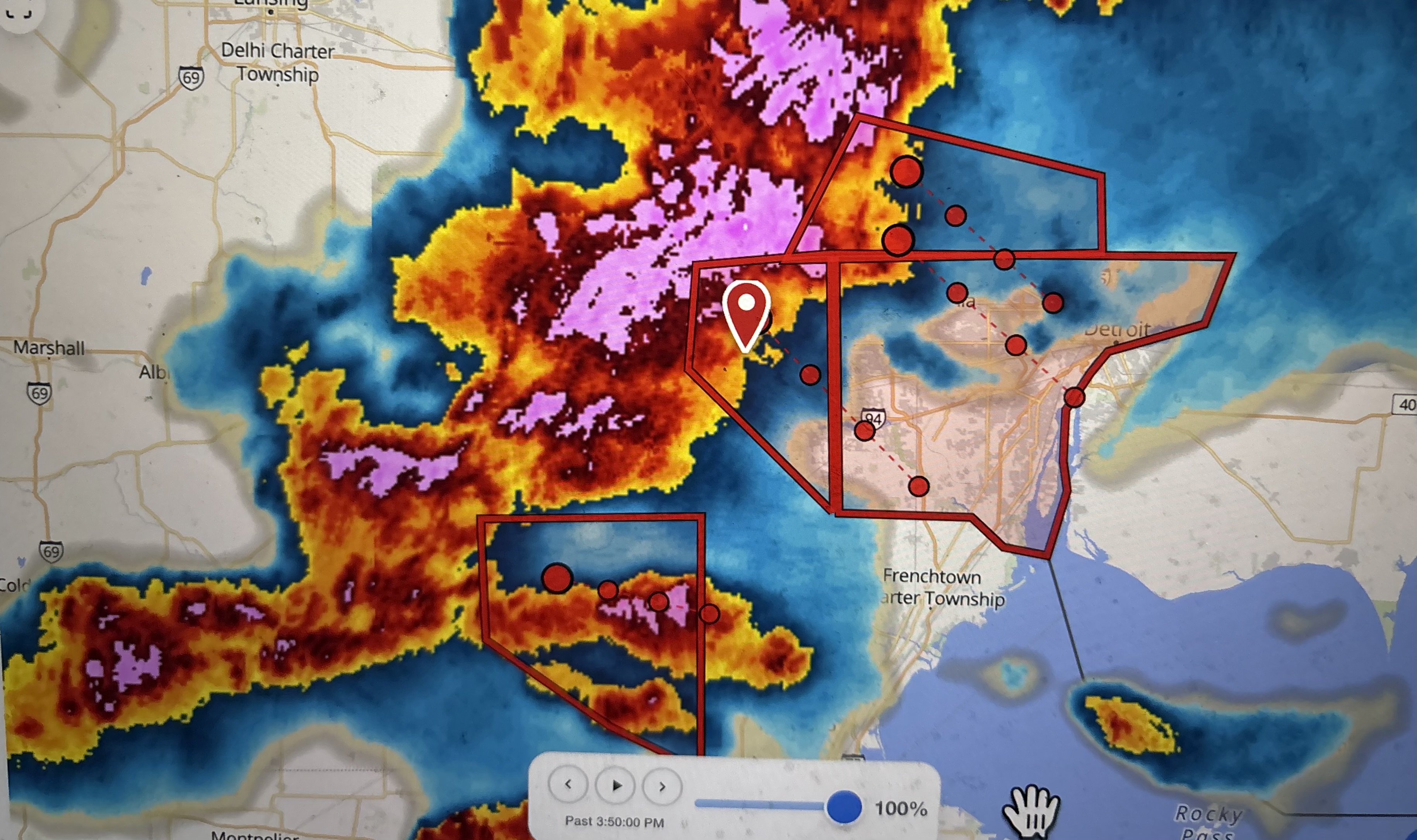
-before-
skies dark and murky
tornado warning screaming
strong winds blow the trees
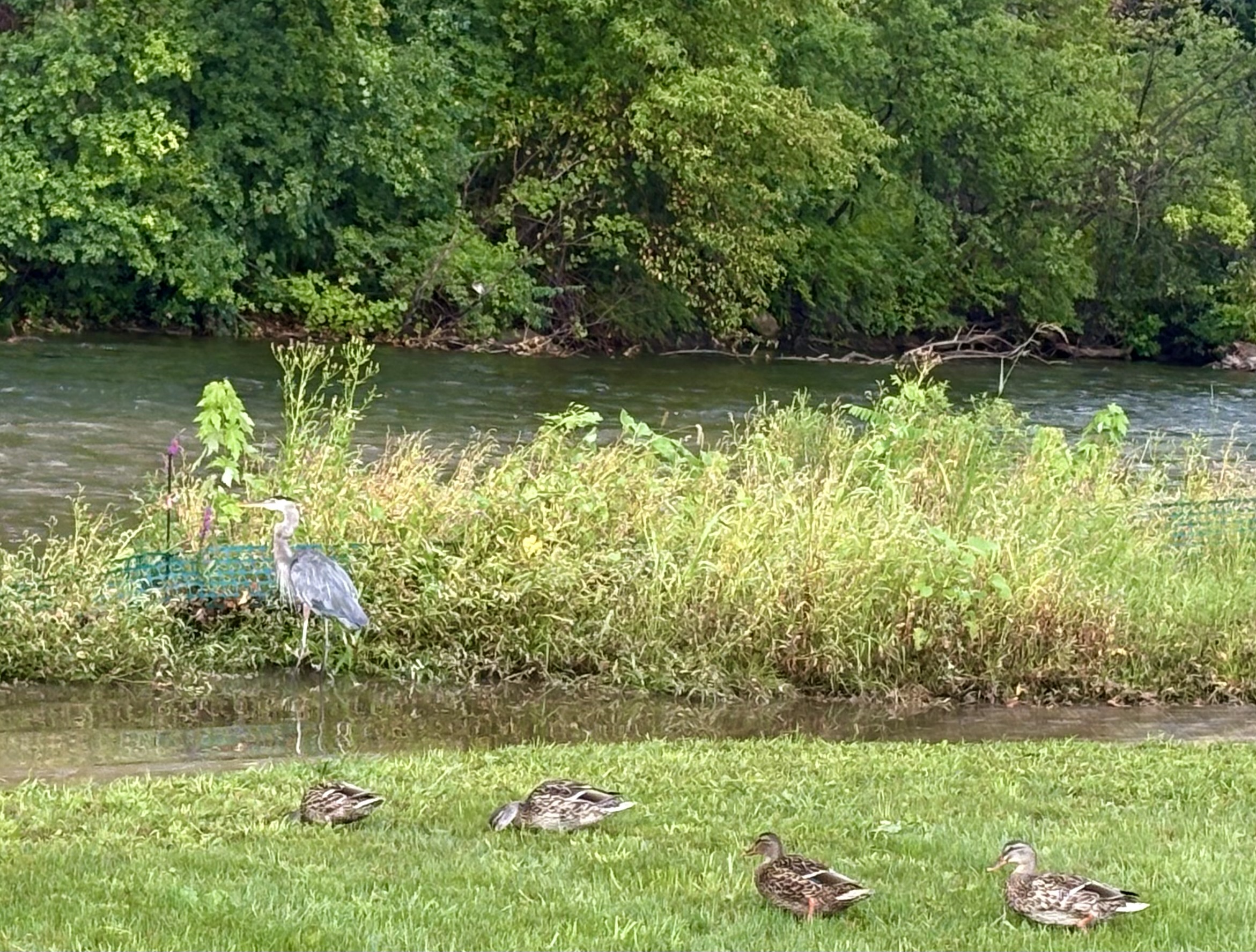
-after-
sun returns, wind stops
clouds dot skies of powder blue
tornado moves course
—
the ducks, one not-duck
unruffled play near river
with tall friend, heron.
—
‘more rain, more rest; more water will suit the ducks best.’
*Historically, the saying was used by farmers and outdoor laborers who were forced to pause their work and rest when a heavy downpour hit. While the rain halted human labor, it provided perfect, thriving conditions for water-loving ducks.
(and sometimes a heron too)
—
huron river, ann arbor, michigan, usa – late summer 2026
Discover more from I didn't have my glasses on....
Subscribe to get the latest posts sent to your email.


Those wild ducks near the river look so cute 🤩 Also, nice haikus, especially the ducks one. ☺️
LikeLiked by 1 person
thanks!
LikeLike
‘it’s an ill wind that blows nobody any g00d’ — old proverb :)
LikeLiked by 1 person
Love the heron with the ducks! (I don’t love the tornado warning!)
Good proverb, too. 😊
LikeLiked by 1 person
same, but it all worked out okay in the end –
LikeLiked by 1 person
💙
LikeLike
Love the Russian proverb (and the ducks of course).
LikeLiked by 1 person
I like your use of “non-duck.” You’ve reminded me of how a childhood friend of mine once humorously pointed out that everything in the world can be categorized as spinach or non-spinach.
LikeLiked by 2 people
oh, that’s great -)
LikeLike
Three superb Haiku, which captured ‘before’ and ‘after’ very eloquently, Beth
LikeLiked by 1 person
thanks so much, ivor – really a compliment coming from you
LikeLiked by 1 person
You’re most welcome, Beth
LikeLike
Having taken an introductory Russian class in summer school between 10th grade and 11th grade, I wondered what the Russian original of “wild ducks and tomorrow both come without calling” is. I asked AI, and to my surprise it said: “The phrase ‘wild ducks and tomorrow both come without calling’ is widely misattributed as a Russian proverb, but it has no native historical equivalent in the Russian language.” So I followed up and asked where the saying first came from. Here’s the reply:
Because it is an internet-era misattribution, there is no single named historical author who first coined the phrase. Instead, its viral lifecycle traces back to digital collections compiled in the early 2000s. The earliest documented instances of the quote appear on internet forums, tabletop gaming groups, and digitized proverb aggregate sites around 2004. It was included in a massive list of global proverbs compiled into PDFs and online quote repositories (such as early versions of Scribd databases). An editor or compiler mistakenly labeled it as “[Russian]”. Once automated quote websites scraped these lists, the phrase was hardcoded as a “Traditional Russian Proverb” across thousands of platforms. The quote itself was likely written in English by a modern western writer or blogger trying to capture an “old-world” poetic sentiment about nature and the future.
LikeLiked by 1 person
interesting –
LikeLike
💕
LikeLiked by 1 person
<3
LikeLike
Love your cute “not one duck,” comment – Great Haikus – Loved this!
LikeLiked by 1 person
thanks, vickie!
LikeLiked by 1 person
Rain storms do benefit some lands and creatures
LikeLiked by 1 person
they do –
LikeLiked by 1 person
👍🏼👍🏼👍🏼
LikeLike
Weather is big; we are not.
LikeLiked by 3 people
and it reminds us when we forget –
LikeLiked by 1 person
I like that last saying. I grew up in NE England where, ‘nice weather for a duck’ was used to describe anything beyond light rain. Whatever the weather brings, after the year we’ve all had so far, let’s just hope it’s kind!
LikeLiked by 1 person
Yes, please –
LikeLike
We had a huge “100 year” storm on Wednesday in Toronto and boy was it a scary one. But so interesting to see the calm that follows – as if nothing had happened. Nature is amazingly resilient.
LikeLiked by 1 person
exactly the same here, and nature knows how to make a comeback
LikeLiked by 1 person
This is wonderful, Beth. Love the proverb.
LikeLiked by 1 person
glad you enjoyed it, dale –
LikeLiked by 1 person
Good Golly Miss Molly, that is a terrifying weather radar map, Beth. I hope all is well. By the way, the proverb is delightful. Hugs.
LikeLiked by 1 person
yes, all is well and the birds are happy
LikeLiked by 1 person
Ouch a tornado warning. The little poems are fun to read.
LikeLiked by 1 person
thanks and all good in the end –
LikeLiked by 1 person
And sometimes a heron too…LOL Love it and the ducks.
LikeLiked by 1 person
they were undeterred by the weather
LikeLike
you know the first sentence I learned in English class?
It’s raining; it’s lovely weather for ducks! 🦆
LikeLiked by 1 person
wow!
LikeLiked by 1 person
I love every bit of this post – but especially the Russian proverb (and the fact you are ok, not tossed about by a tornado!).
LikeLiked by 1 person
thanks so much –
LikeLike
Glad you survived! I do love the way the world looks after a fresh wash.
LikeLiked by 1 person
i agree!
LikeLiked by 1 person
And that fresh rain smell…
LikeLike
I love happy endings. Nice haiku.
LikeLiked by 1 person
thank you, eugi –
LikeLiked by 1 person
Most welcome, beth.
LikeLike
😍
LikeLike
That is duck luck!
LikeLiked by 1 person
quack
LikeLike
Delightful, Beth!
LikeLiked by 1 person
Thanks!
LikeLike
Glad all ended well. The words “tornado warning” scare me.
LikeLiked by 1 person
me too!
LikeLike
Love the photo of the ducks and the heron…lovely!
LikeLiked by 1 person
thanks!
LikeLike
Hopefully the wind isn’t too wild for humans and ducks.
LikeLiked by 1 person
Was for a while, but better when everyone emerged again
LikeLiked by 1 person