
full moon rising and floating
on grand traverse bay
==
“the moon was but a chin of gold a day or two ago,
and now she turns her perfect face upon the world below.”-
-emily dickinson
—
traverse bay, traverse city, michigan, usa
september 2022
full moon rising and floating
on grand traverse bay
==
“the moon was but a chin of gold a day or two ago,
and now she turns her perfect face upon the world below.”-
-emily dickinson
—
traverse bay, traverse city, michigan, usa
september 2022

there’s a phrase in german (regional,) meaning “i am feeling visited enough”
that you can say when you want company to go, and this is brilliant.
it’s “ich fühle mich jetzt genug besucht.”
—
use as needed.
==
credits: united humanists, warner brothers pictures photo
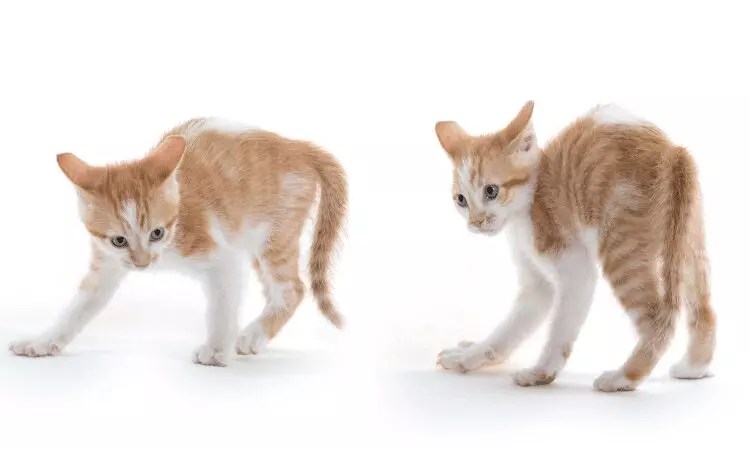
not olive, but she walks like this sometimes.
is it a crab? is it a cat? what is it doing?
CRABWISE!
KRAB-wiyz
Part of speech: adverb
Origin: English, 20th century
Definition: To, toward, or from the side, typically in an awkward way.
Examples in a sentence:
“Roberto moved crabwise without taking his eyes off the dodgeball.”
“My cat only moves crabwise if she knows I’m going to try to give her a pill.”
—
“some things cannot be changed. you cannot teach a crab to walk straight.”
-aristophanes
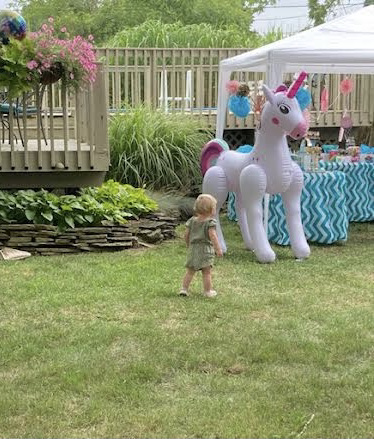
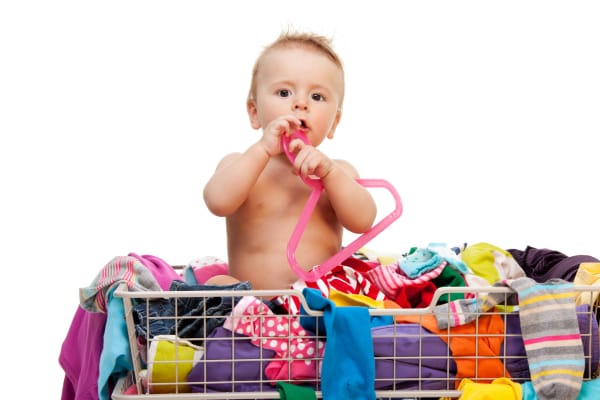
my money is on the baby for the win .
—
“the world belongs to the enthusiast who keeps cool.”
-william mcfee
Guinness World Record: Man rides 38 miles in giant pumpkin
Duane Hansen has set a new Guinness World Record for riding 38 miles (61km) in a giant pumpkin.
He grew the 846lb (384kg) pumpkin in his garden with the aim to beat the 25.5 mile record, set in 2018.
Duane travelled down Missouri River and broke the record on his 60th birthday on August 27th.
—
“There are three things I’ve learned never to discuss with people:
religion, politics, and the Great Pumpkin.”
-Linus, It’s the Great Pumpkin, Charlie Brown
—
credits: bbc news
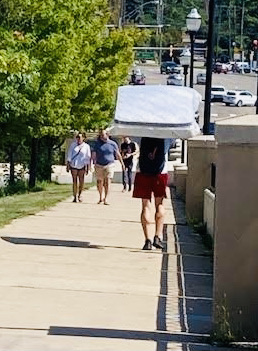
like a turtle with its shell
carrying it wherever they go
a sure sign
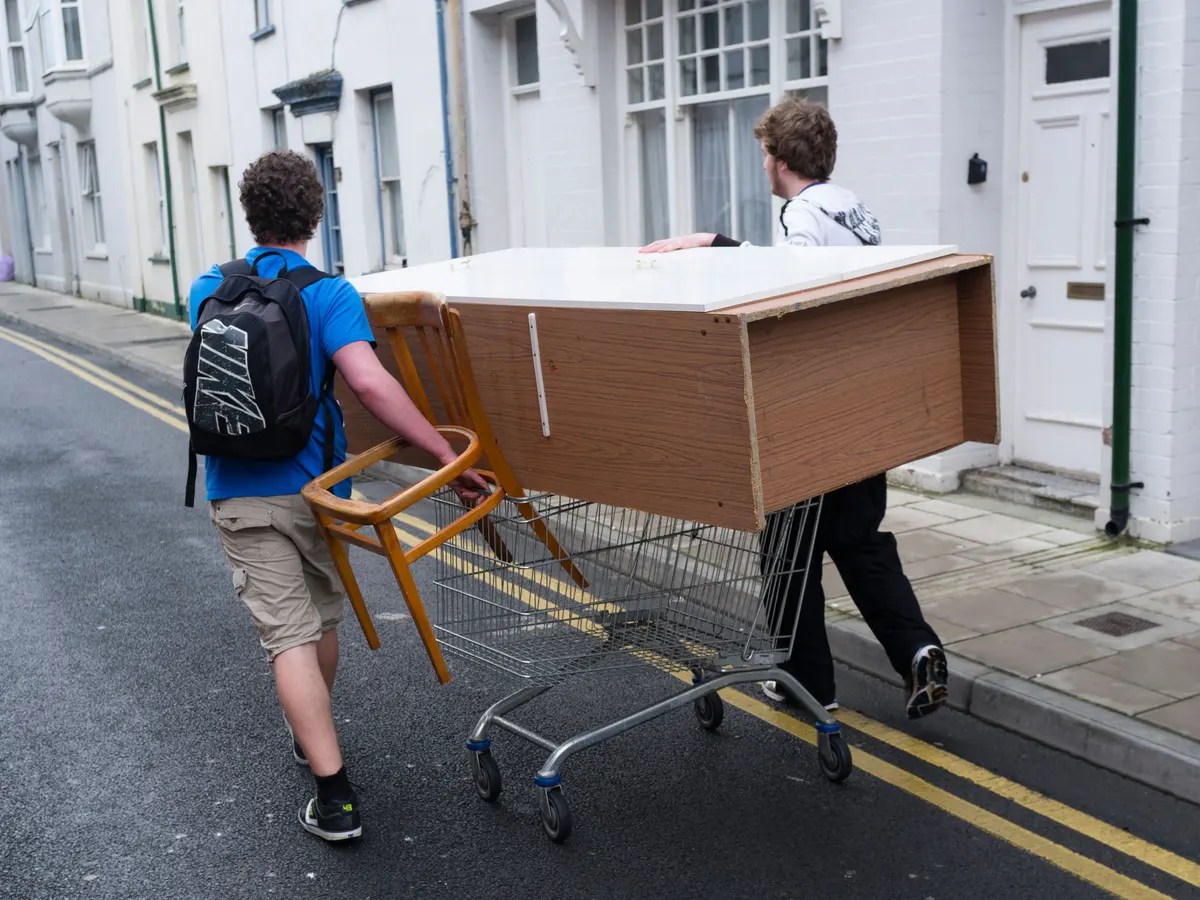
it’s move-in weekend at the uni.
—
“the sweetest part of leaving home is knowing,
beyond the shadow of a doubt,
that you’ll always carry it with you.”
-homestratosphere
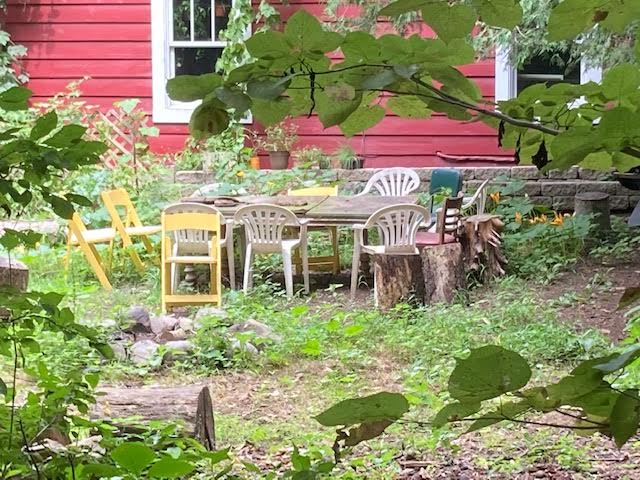
local alfresco dining
so welcoming, jovial, relaxed, and natural
—
The term al fresco comes from the Italian and loosely means “in the cool air.” We use the term to mean dining outdoors. Interestingly, the Italians don’t use the term for dining outside.
Italians use the expression ‘al fresco’ to mean ‘in the chill’ or ‘in the cool’. For example, when they want to convey keeping things in the right places, they’d say ‘keep the cheese al fresco’. But these words also have another meaning. When tourists in a restaurant are wanting to eat outside, they usually say they want to eat ‘al fresco’. In Italian, the expression, ‘Al fresco’ literally means ‘in prison’. The reason for this may be because in the past, prisons were very cold places with thick walls (‘fresco’ means ‘cold’). So, don’t be angry if, when you say: ‘I’d love to eat al fresco’, the waiter laughs, because you are actually telling him: ‘I want to eat in prison’. Instead what you need to say is: ‘Vorrei mangiare fuori’ or, ‘I’d love to eat outside’. Note it to remember it for your next Italian trip, and let the waiter know that you want to eat in the open air and not in prison.
—
“seating themselves on the greensward, they eat while the corks fly
and there is talk, laughter and merriment, and perfect freedom,
for the universe is their drawing room and the sun their lamp.
besides, they have appetite, nature’s special gift,
which lends to such a meal a vivacity unknown indoors,
however beautiful the surroundings.”
-jean-anthelme brillat-savarin

on this day in 1959, hawaii officially became the 50th state
always wanted to visit
but the closest i’ve come
is when i was young and my dad announced
he wanted to buy a little radio station in kauai
i quickly got ahold of a hawaiian dictionary
forced/encouraged the family to learn the alphabet during dinner
only to discover it was just a fantasy job wish for him
years later, as an adult
i took hula lessons with close friends
we were not good at it
got into the spirit of the dance
did not get asked to perform in hawaii
but we had a a blast
you never know
where and when this skill will come in handy
plus, it’s impressive on a resume
i’ve yet to make it to hawaii
only a matter of time
third time’s the charm
aloha!
—
“dare to dance, leave shame at home.”
(A’a i ka hula, waiho i ka maka’u i ka hale)
-hawaiian saying
—
art credit: vintage hawaiian poster
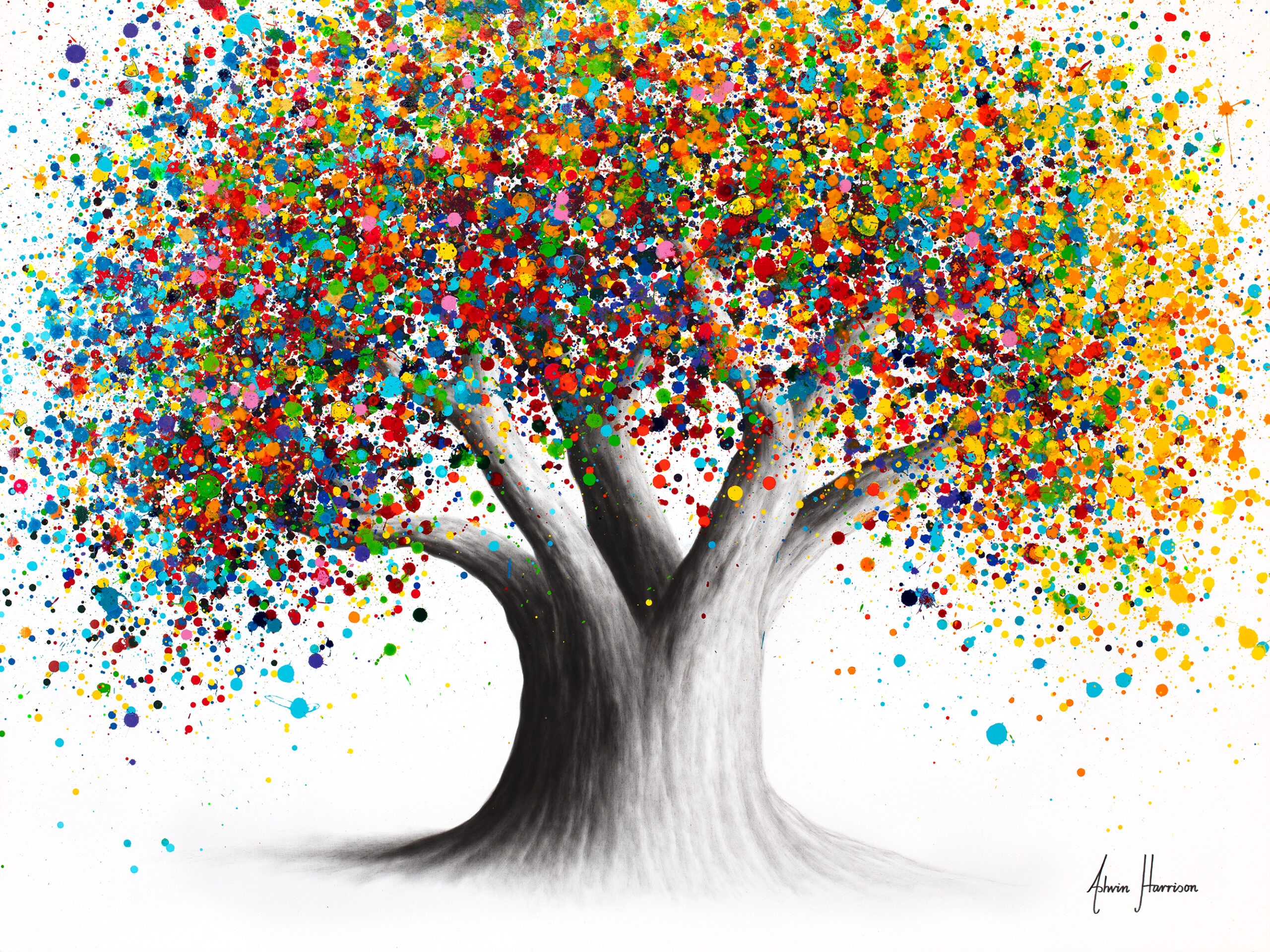
art credit: the hope tree, by ashvin harrison
—
she looked older, tired, worn down, but trying
dark eyeliner, hair an unnatural black, a gold barrette
standing at the register
waiting as i approached
buying paper for an art project
noticing colors and prints on the papers
she pointed at them, saying:
“if you mix this blue with this flowered print, it looks exactly like the inside of the locket that i had when i was a little girl. it was shaped like a heart, my mother gave it to me, it had both of our pictures in it. is was really something. it didn’t make it through the fire though. i think someone came and took it after that happened. they didn’t know how important it was. i’ve had my dreams squashed before, but i still have hope.”
she shared all of that with me, a random stranger, in a 2 minute encounter. something about her was achingly sad, yet i also felt admiration for her refusal to surrender to a life that may have never been easy, still holding out hope for a better day, yet to come. amazing person.
—
“hope is the feeling we have that the feeling we have is not permanent.”
-mignon mclaughlin
in talking with my grandson
about the reason shopping carts are found all over
i told him to think about where he sees them and why that might be
i told him to consider the fact that they are often found
where there are people without transportation or without disposable income
who may have to walk a long distance, have a disability, or take public transportation to get home
most with challenging life circumstances
i told him about
when i moved to family housing here for grad school
with no money, but still one of my favorite times of my life
everyone in debt, in grad school, with families, with limited income
most did not have cars and could not afford taxis
i saw that shopping carts were all around us
quickly noticed why.
families used them for everything
to move in and out, to move their children, to move their laundry to the common area
to move things to our monthly swap meets, to carry food, to carry things to their car, and on and on…
my youngest daughter lived with me
for a few months before heading off to her university
before long, we were using them
they had come from the local grocery store
when people would walk home with food for their families
the carts would stay to be used in the community
the grocery store would send a truck once a week
to round them up and take them back to the store
and the next week they would be back
it seemed to be an unwritten understanding
i came to love the custom and used them many times for every imaginable purpose
understanding why they were so helpful and important to the community.
everyone was just trying to find a way to live their life
to get things done that needed doing
while making the best of their circumstances.
“do what you can with what you have, where you are.”
-theodore ‘teddy’ roosevelt – 26th president of the united states
 I didn't have my glasses on....