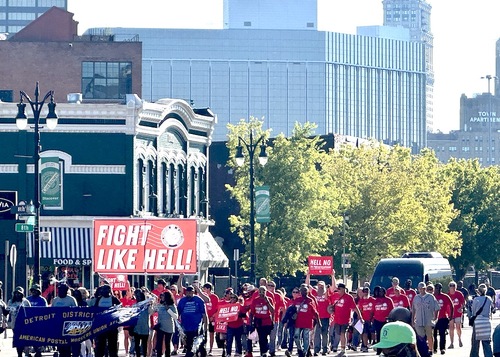
Detroit Labor Day Parade 2025
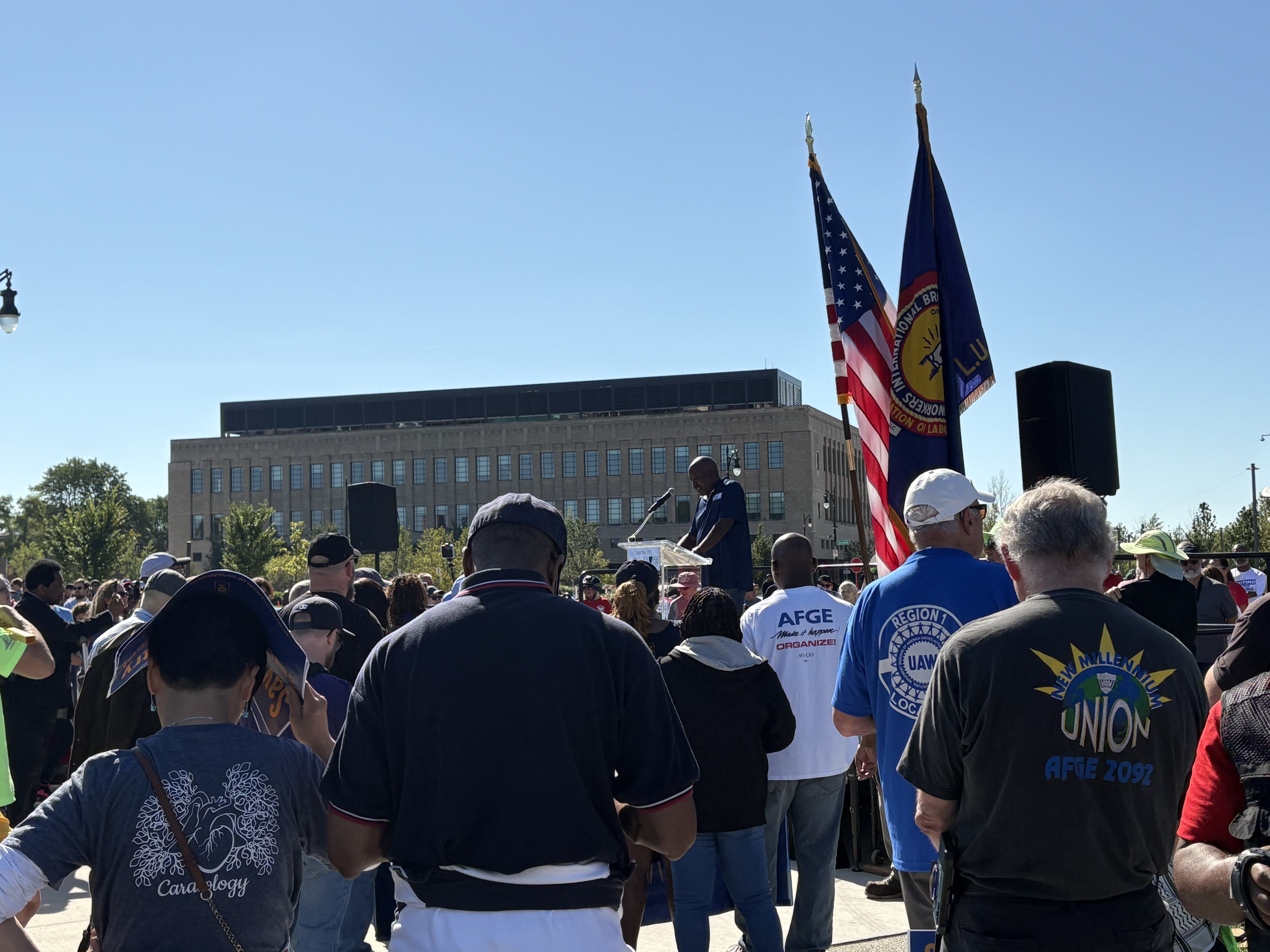
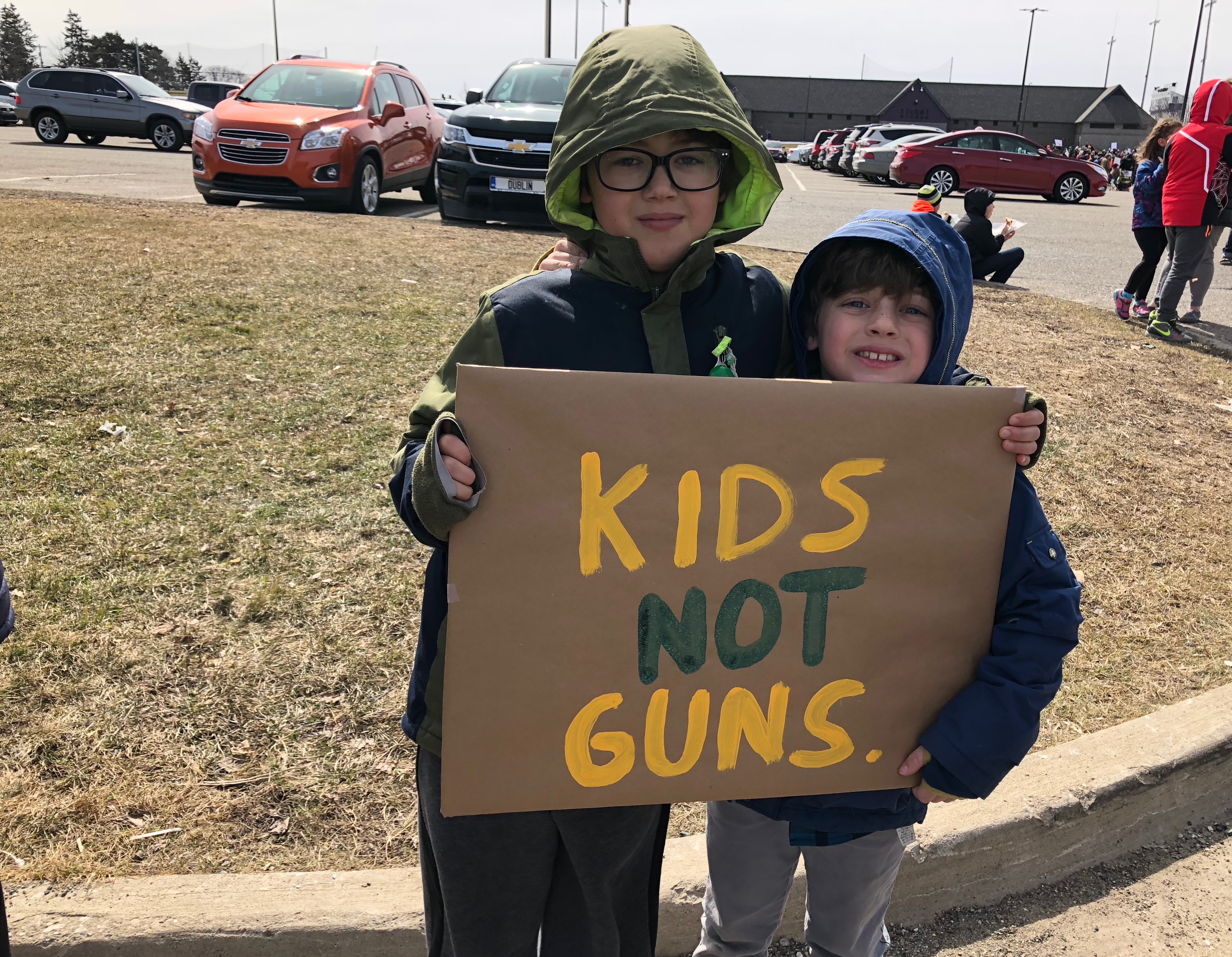
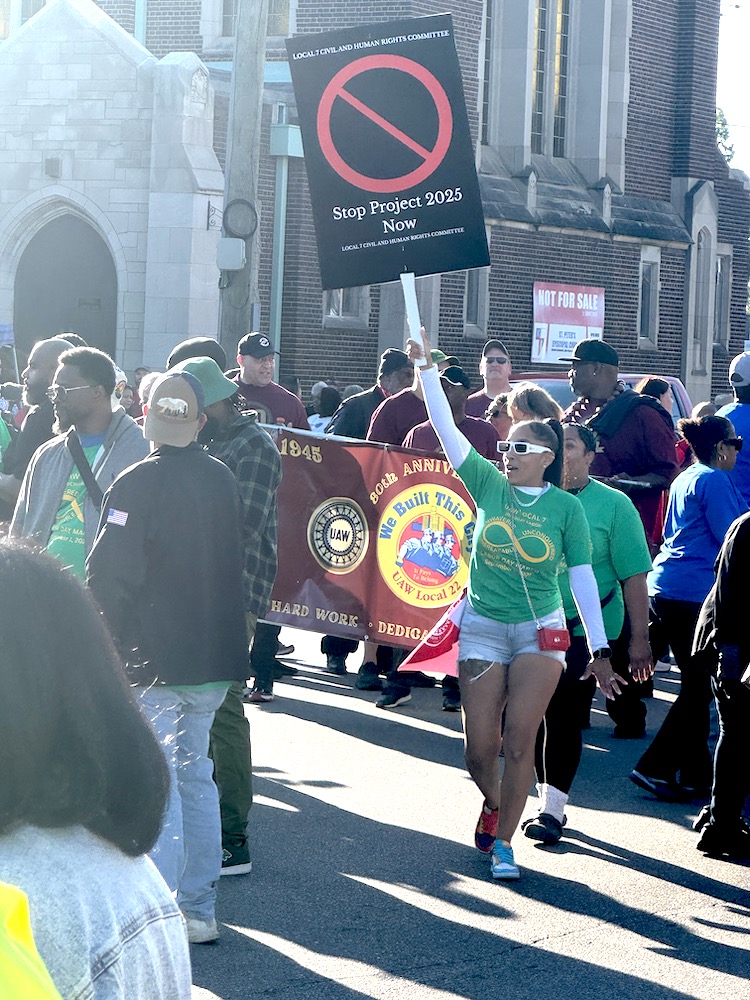
yesterday, we, and many others
came together from all over, spoke out, and marched
in solidarity with the unions.
“And finally, I am here because I know we share a deep-seated belief in free collective bargaining, and in the growth and development of free and responsible unions – and unlike our opponents, we do not believe in this only on Labor Day.
I welcome the support of the working men and women of this country. I am proud of the fact that I was endorsed by the AFL-CIO. For I know that the American Labor movement wants for America what I want for America: the elimination of poverty and unemployment, the reestablishment of America’s world leadership, the guarantee of full civil rights for all our citizens. I know the American labor movement opposes what I oppose: complacency, unemployment, economic stagnation, racial discrimination, and national insecurity.
Our labor unions are not narrow, self-seeking groups. They have raised wages, shortened hours, and provided supplemental benefits. Through collective bargaining and grievance procedures, they have brought justice and democracy to the shop floor. But their work goes beyond their own jobs, and even beyond our borders.
Our unions have fought for aid to education, for better housing, for development of our natural resources, and for saving the family-sized farms. They have contributed funds and talent to improve our oversea relations. They have spoken, not for narrow self-interest, but for the public interest and for the people.
For the labor movement is people. Our unions have brought millions of men and women together, made them members one of another, and given them common tools for common goals.
Their goals are goals for all America – and their enemies are the enemies of all progress.
The two cannot be separated. The man who opposes a decent increase in the minimum wage is not likely to be more generous toward a badly underpaid schoolteacher. The man who opposes proper medical care for the aged has no more compassion for the small farmer or the small businessman or the hungry families in this Nation and around the world. He likes things the way they are. He sees no need to change – no need to grow. His theme song is: “You never had it so good.”
– From John F. Kennedy speech
in Cadillac Square, Detroit, MI, Labor Day Parade 1960