Tag Archives: calm

in quietness.

Standard

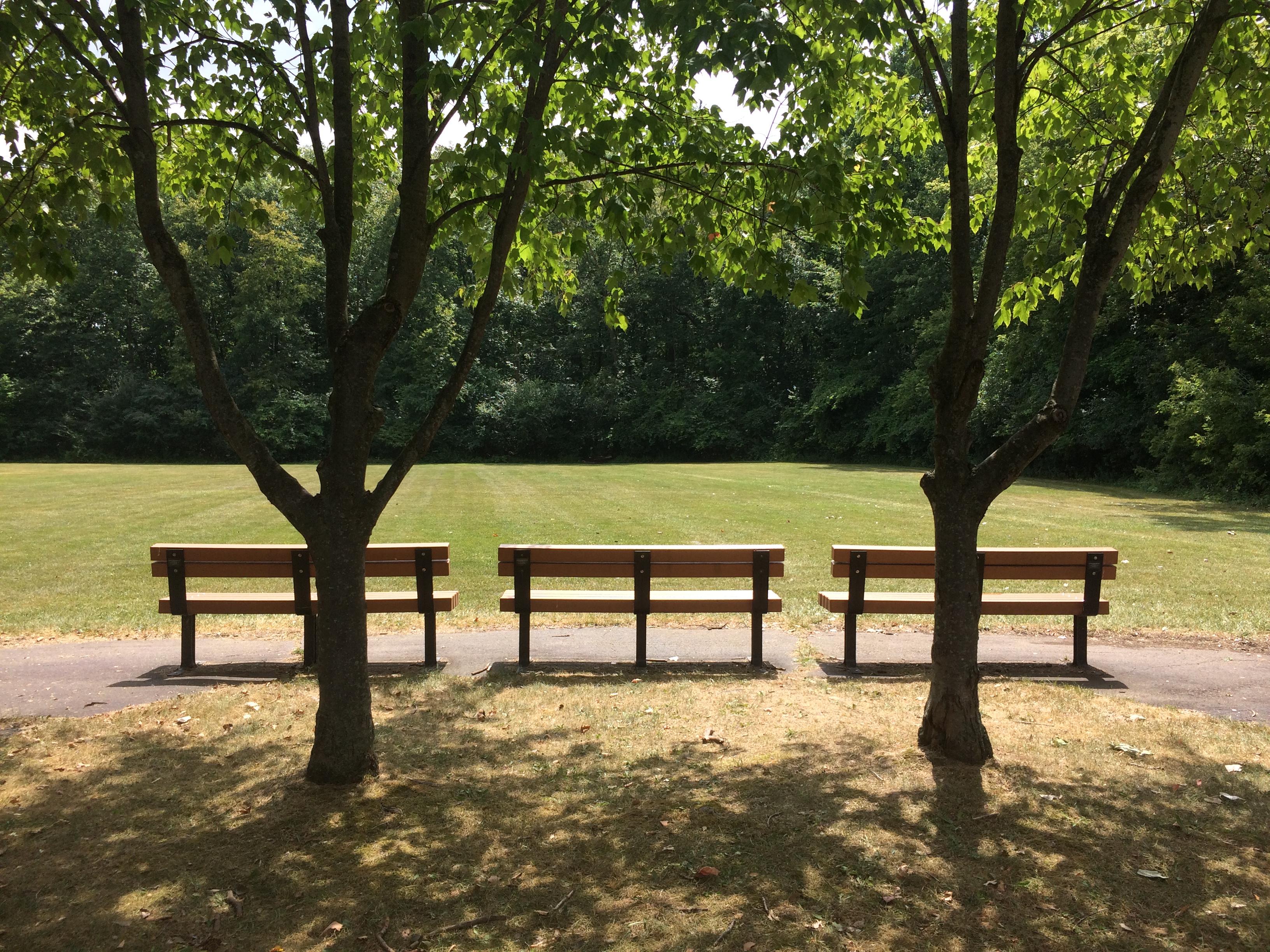
another lovely day, another lovely park to sit in quietness.

‘in quietness, the soul expands.’

*rockwell kent

*Rockwell Kent, American, (1882- 1971), illustrated hundreds of books and was known as having been a painter, writer, architect, wood engraver, sailor, adventurer, voyager, political activist, laborer, lobster fishermen, union organizer, and lecturer.


ann arbor, mi, usa


end of the day.

Standard

up north

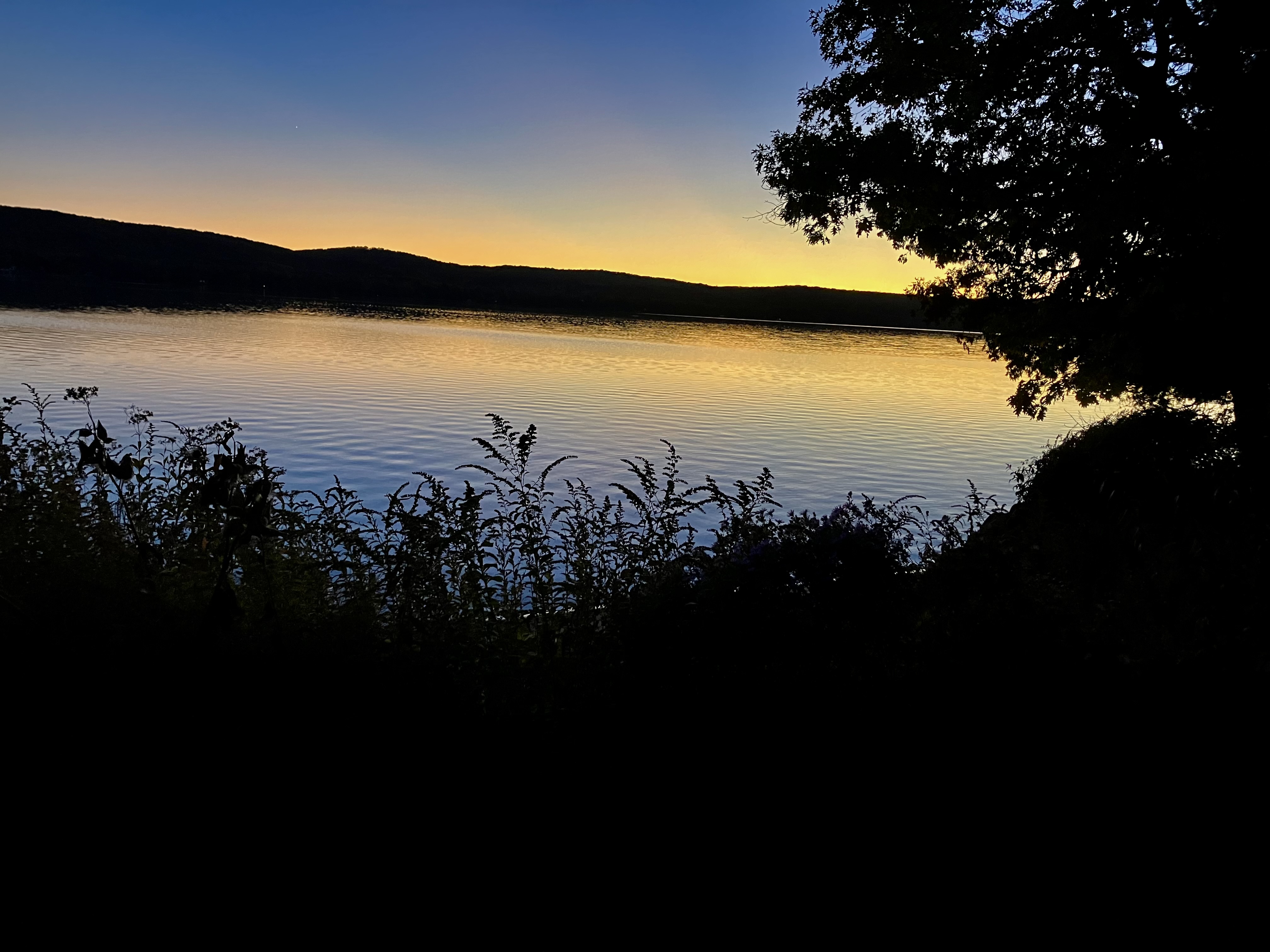
on glen lake

the light

at the end of the day.

‘happiness is not always loud and bright and crowded.’

-e.l. konigsburg


autumn 2o24, glen lake, empire, michgian, usa


quiet on the river.

Standard


now that the kayaks, the canoes, and the rafts 

have left the river for the season

everything feels calm and slow and beautiful

in the meditative quiet

of the occasional fly-fishers.

“many go fishing all their lives without knowing that it is not fish they are after.”
~ henry david thoreau

in quietness.

Standard

in my room on a beautiful morning while visiting.

“in quietness the soul expands.”

-*rockwell kent

*rockwell kent was an american painter, printmaker, illustrator, writer, sailor, adventurer and voyager

pura vida.

Standard

my home away from home

in the rainforest on the caribbean side

water, more water, water from the sky

crocs, orchids, trees, coconuts, mangoes, sloths, monkeys, birds

rice, beans, fish, bananas, coffee, veggies, guava, papaya,

calm

pura vida

The term “Pura Vida” is an expression of happiness, optimism, and living life to the fullest.  It is impossible to visit Costa Rica without hearing this phrase continuously.

As a question, it is equivalent to “how are you?” As a response, it means “very well.”

Curiously, the person does not necessarily have to be very well — the greeting arises automatically because, deep down, its meaning is: “I’m glad to see you and that makes me happy”.

it is also used to say goodbye:

it is the equivalent to saying “yes” to any question and used to say “you’re welcome” or “it’s nothing”.

regardless of the context, Pura Vida is always expressed with enthusiasm, sympathy, gratitude and motivation, because it emerges from the soul.

Pura Vida is an expression so embedded in the culture of Costa Ricans that no one would suspect that it may have arisen from a 1956 Mexican movie with the same name.  The phrase is used by the protagonist throughout the film to refer to good people and beautiful things or situations.

Ticos (people native to Costa Rica) adopted the term, morphing it to a distinct meaning yet with varied manifestations. It is now so ingrained that it is used by different generations and is part of Costa Rican mainstream culture and identity. More than just a term, it’s a lifestyle.
let the game come to you.

Standard

coco knows how to do calm, cool, and cute, all at the same time


“you just have to take a deep breath, relax, and let the game come you.”

-a.j. green


the art and joy of puttering.

Standard

If waiting for an important telephone call, or stuck in writer’s block with a looming deadline, we’ll inevitably rearrange our record collection or clear up the papers dotted around your office – and it’s sometimes the most relaxed you’ll feel all day.

We’re not alone in this. As we faced pandemic stresses, many people reported finding renewed interest in looking after their homes as a way of coping with the uncertainty. On YouTube, there’s a huge audience for videos of people going about their chores, with millions of views for some of them. Psychologists suggest there are many mechanisms that might explain the perfect pleasure of puttering – and they may well encourage you to engage in it more often.

At the most superficial level, puttering may be useful because it occupies the mind, so that we devote fewer resources to the things that are worrying us. Even if we struggle with structured forms of meditation, for instance, we may find household tasks can anchor us in the here and now. But that will depend on where we place our focus.

In one of the few studies to examine the mental health benefits of washing the dishes, researchers divided 51 participants into two groups. Half read a text that encouraged them to focus their thoughts to the sensations evoked by the activity. “While washing the dishes one should be completely aware of the fact that one is washing the dishes,” they were told. The rest read factual instructions on how to do washing up without explicitly encouraging them to focus their awareness on the sensations it produces.

Afterwards, the participants were asked to take a questionnaire about their feelings. Those who had fully engaged with the sensory experience reported a significantly better mood. This included reduced nervousness and even a sense of “inspiration”, as if the immersion in the simple activity had refreshed their minds.

Unlike other distracting activities – such as playing computer games or watching trashy TV – puttering also has the advantage of being proactive and useful, increasing our “perceived control”.

When we feel anxious, a sense of helplessness can heighten the physiological stress response, increasing levels of cortisol. Over the long term, the sense of helplessness can even harm the function of the immune system. Ideally, we would deal directly with the upsetting situation itself. But research suggests we can gain a perception of control from activities that may have little effect on the situation that’s bothering us.

“It doesn’t necessarily have to align with actual control, as long as we believe, or feel, we have control,” says Stacey Bedwell, a psychologist at the Institute of Psychiatry, Psychology & Neuroscience, King’s College London. Simply being able to change our environment can create a feeling of agency that is beneficial, she says – which may explain why cleaning and organizing our homes can feel so therapeutic.The benefits do not end there. If your puttering takes the form of organizing and decluttering, you may find that the tidier environment is itself a form of solace.

As the University of Michigan psychologist Ethan Kross writes in his book Chatter: The Voice in Our Heads and How to Harness It: “We’re embedded in our physical spaces, and different features of these spaces activate psychological forces inside us, which affect how we think and feel.” If we see order outside, it helps us to feel a bit less chaotic inside, he writes. “[It] is comforting because it makes life easier to navigate and more predictable.”

Brain imaging studies support this view. In general, you see much greater brain activity as you increase the number of distracting objects within a scene – with each object vying for our attention. This may lead your brain to tire so that it struggles to maintain its focus over long periods of concentration.

Importantly, you don’t necessarily have to remove the clutter to prevent this from occurring – simply rearranging it will do. Organizing objects into groups – by color, for example – may provide the brain with more obvious cues for navigating the chaos. This reduces some of that neural confusion – and may improve our focus as a result. By reducing anxiety, soothing stress responses, increasing focus and triggering the release of endorphins, it’s little wonder so many of us take to household chores as soon as we are faced with uncertainty.

Like all activities, the extent of these benefits will be influenced by your personal tastes and the associations that you link with the tasks. If you are housework-averse, and will only pick up a duster under duress, the pleasures of puttering may be forever elusive. But for the homebodies among us, we can now understand why fruitful fidgeting can be such a salve for the restless mind.

“the imagination needs moodling– long, inefficient, happy idling, dawdling, and puttering.”

-brenda ueland

what’s your go-to puttering activity?

BBC, David Robson, science writer, Ethan Cross, author 

passage.

Standard

 passage into early evening calm


“snow

while falling it hides your passage

when finished it documents your path” 

― richard l. ratliff

listen carefully.

Standard

“have you ever heard the wonderful silence just before the dawn? or the quiet and calm just as a storm ends? or perhaps you know the silence when you haven’t the answer to a question you’ve been asked, or the hush of a country road at night, or the expectant pause of a room full of people when someone is just about to speak, or, most beautiful of all, the moment after the door closes and you’re alone in the whole house? each one is different, you know, and all very beautiful if you listen carefully.”

-norton  juster, the phantom tollbooth 


huron river, ann arbor, mi, usa – january 2022

tranquil.

Standard

tranquility can be found most everywhere


‘peace is liberty in tranquillity.”

-marcus tullius cicero