Tag Archives: children

neither rain, nor sleet, nor children….

Standard

ask anyone in my family

 they’ll tell you

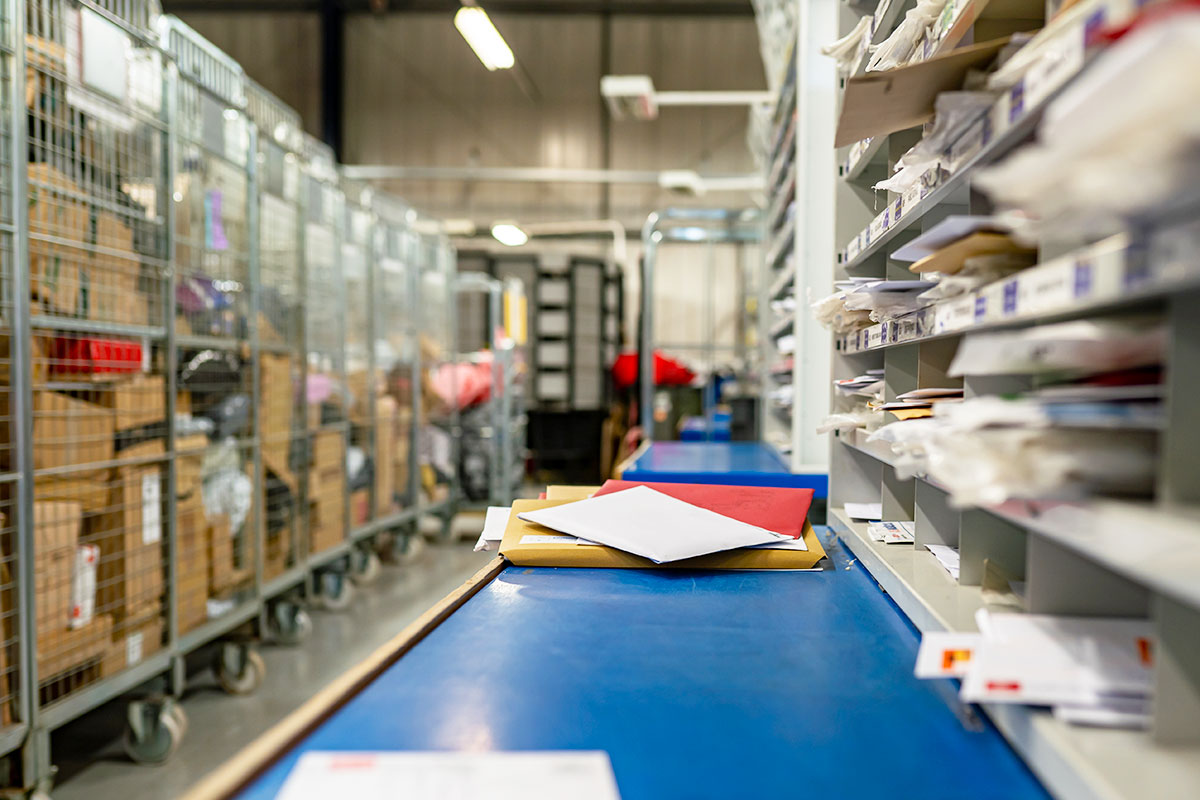
i’m a huge fan of going to the post office

i love mailing hand-written letters

buying cool stamps

 sending packages to my special people

filled with things i just  know they’d love

even though they don’t know it yet.

all this being said

the post office does have

its own huge set of negatives and challenges

as i’ve written about a number of times

and even a bit of a dark past from the early days.

People Used to Mail Their Children Via the Postal Service

(can’t say if i may have wondered if this was an option

during those sleep-deprived times with 3 small children, back in the day,

just kidding for my now-grown and non-mailed children

who i love dearly and are likely to read this.)

When the United States Postal Service launched their parcel service in 1913, Americans immediately began testing its boundaries. People started mailing coffins, eggs, and even dogs, and a few decided to mail the ultimate precious cargo: human children.

The first known case of baby-shipping happened that same year, when an Ohio couple mailed their 10-pound infant to his grandmother a mile away, which cost them about 15 cents. Some kids traveled farther, like 6-year-old Edna Neff, who was mailed 720 miles from Pensacola, Florida, to her father’s home in Christiansburg, Virginia.

There was only a brief window for mailing kids, though; the postmaster general instituted a strict no-humans rule in 1914. At least two more children managed to slip through: Charlotte May Pierstorff was mailed via rail to her grandparents’ house with the appropriate postage stuck to her coat in 1914, but a postal worker relative escorted her (her story was later turned into a children’s book called ‘Mailing May’). The last recorded case was in 1915, when 3-year-old Maud Smith’s grandparents mailed her 40 miles across Kentucky to visit her sick mother. In 1920, the Postal Service declined two applications to mail children who had been listed as “harmless live animals,” a classification for creatures that don’t require food or water on their journey.

Many of us have heard the postal carriers’ motto in one form or another. “Neither rain, nor snow, nor sleet, nor hail shall keep the postmen from their appointed rounds.”

The original saying was spoken about 2500 years ago by the Greek historian, Herodotus. He actually said “Neither snow, nor rain, nor heat, nor gloom of night stays these courageous couriers from the swift completion of their appointed rounds.” This was said during the war between the Greeks and Persians about 500 B.C. in reference to the Persian mounted postal couriers whom he observed and held in high esteem.

advertisement
According to the U.S.P.S. they have no slogan at all. The reason it has become identified with the U.S.P.S. is because, back in 1896-97, when the NYC General Post Office was being designed, architect, Mitchell Kendal, came up with the idea of engraving Herodotus’ saying all around the outside of the building.

From that time on the saying has been associated with U.S. postal carriers.

source credit: interesting facts

to look forward and not back, to look out and not in, and to lend a hand. -edward e. hale

Standard

wi,

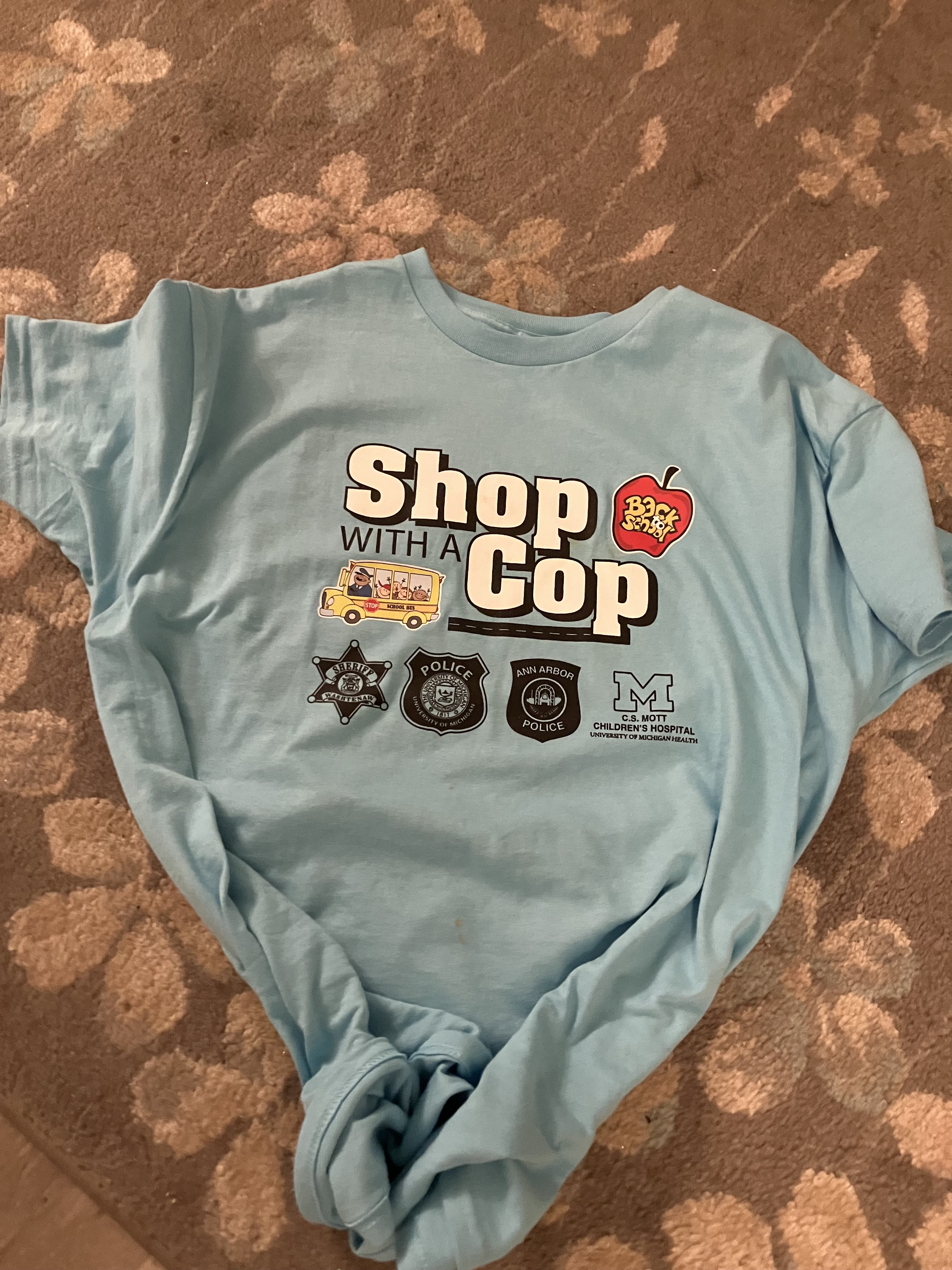
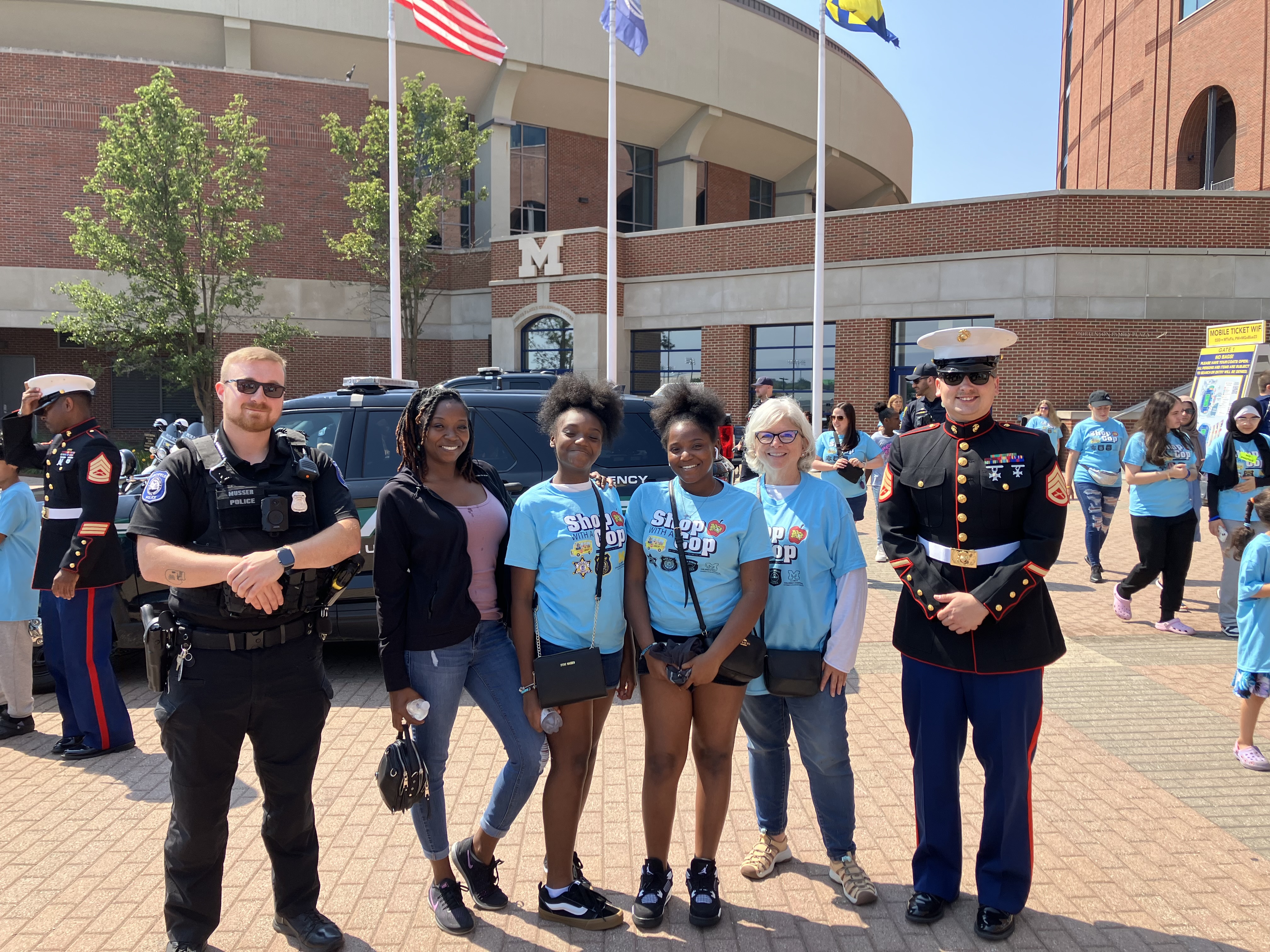
this past weekend i took part in a ‘shop with a cop’ event

sponsored by

mott children’s hospital,

the  county sheriff department, local police departments, state troopers,

u.s. marines, and the university of michigan police department

everyone volunteered their time

to take underserved children and their families

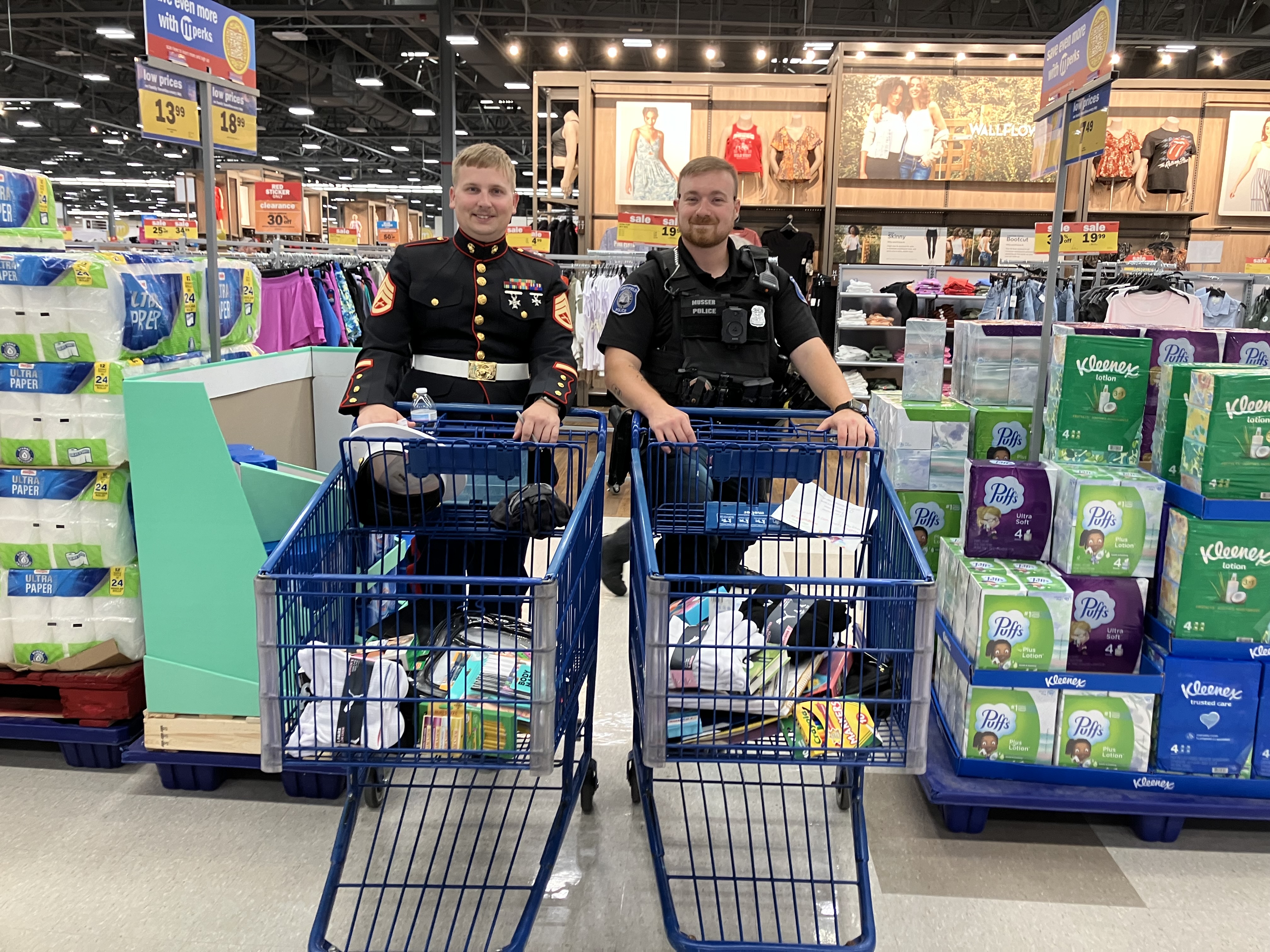
 back to school shopping at a local meijer store.

it was beautifully organized

we all met in the morning at the stadium

set up food, games, drinks, tables

met our law enforcement partners for the day

families arrived

we shared a meal with our family and created our shopping team

loaded up on university busses

accompanied by motorcycle cops with lights flashing

the kids were really excited.

when we arrived

we descended upon the store

 masses of uniformed officers and children

must have caused some shoppers to wonder

but everyone got right to work

helping the kids find the things on their lists

along with lots of  extras

at checkout everything was covered

headed back to the stadium

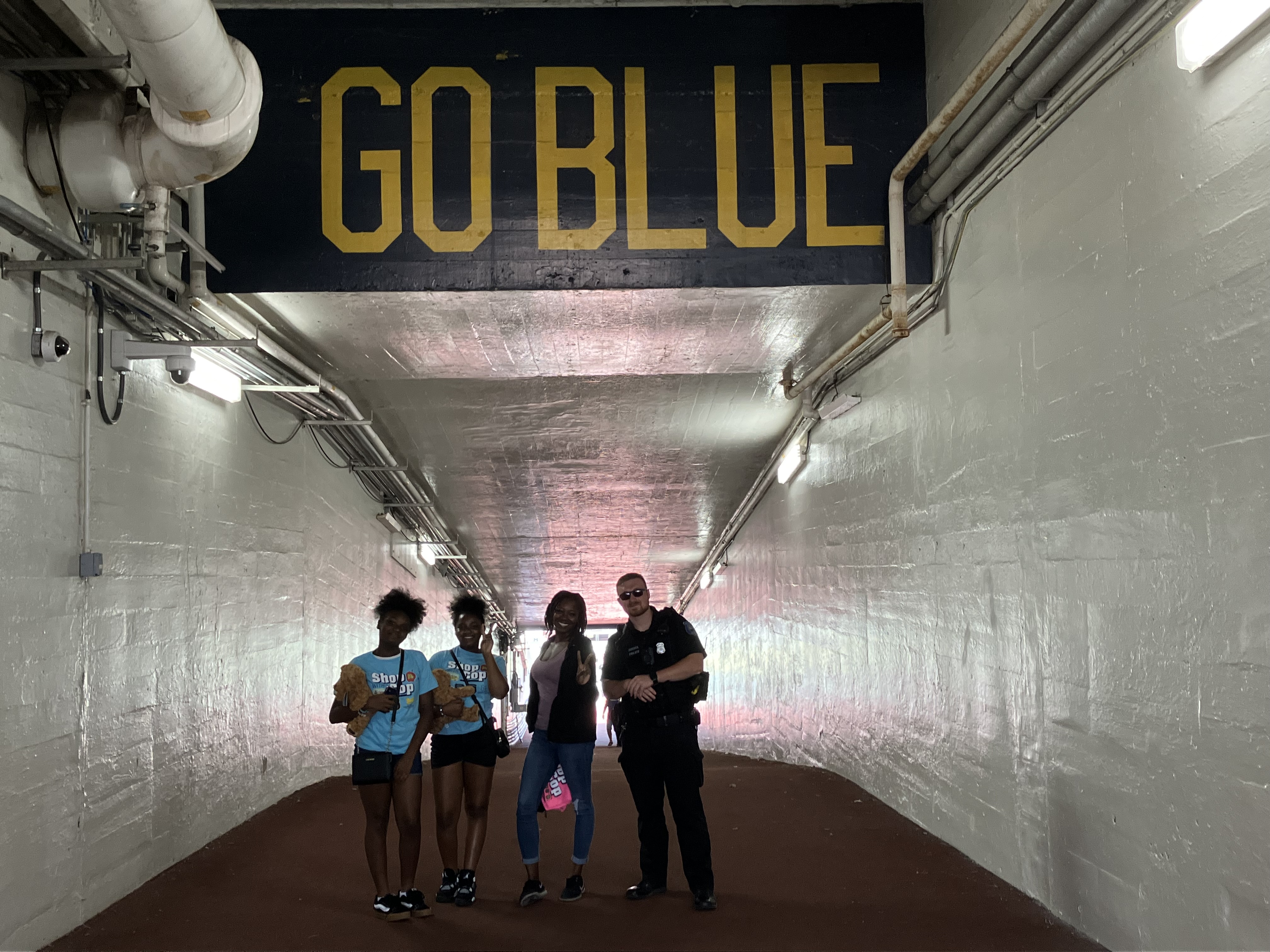
for kona ice, more food, build-a-bear projects, face-painting

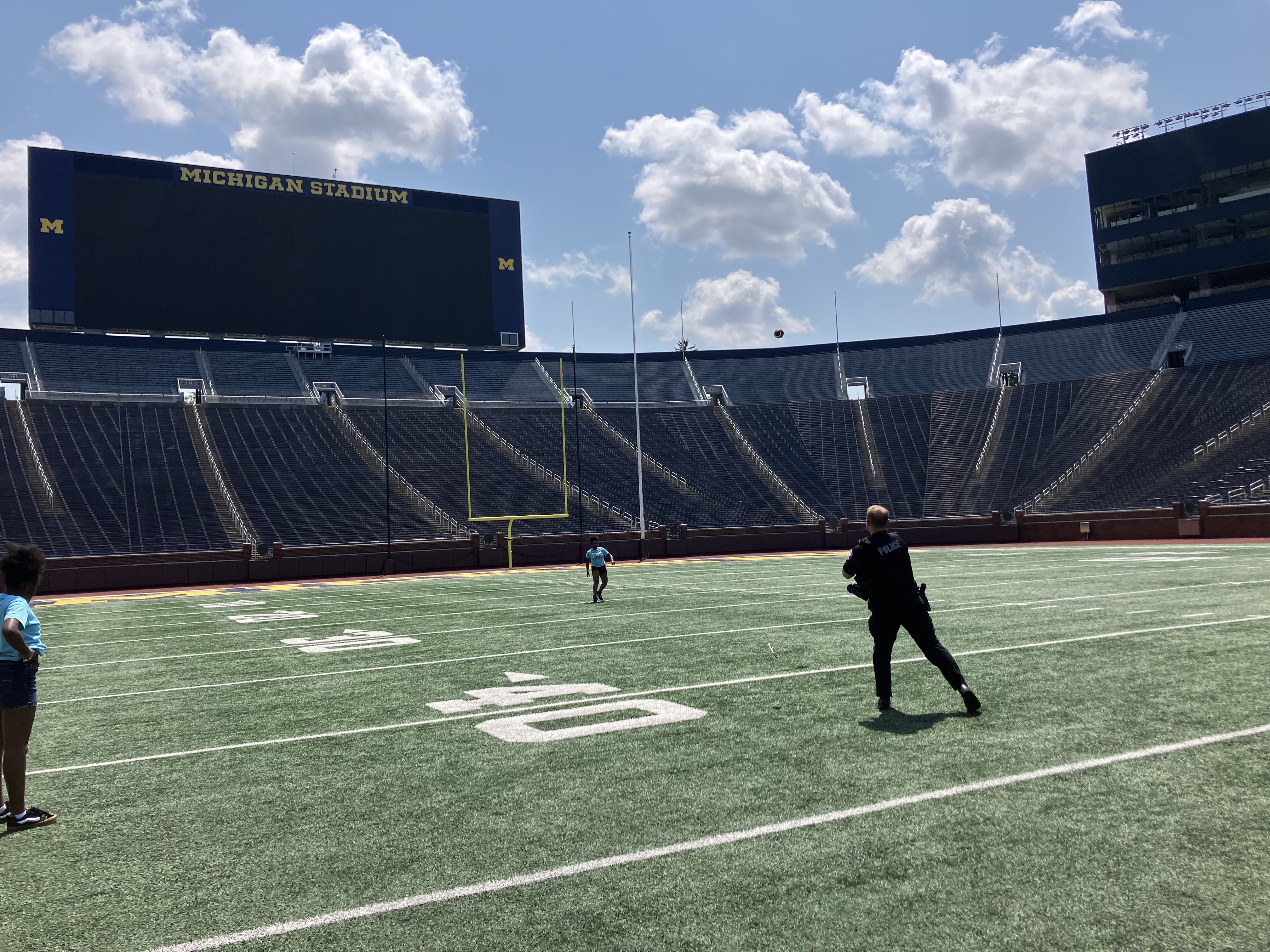
checking out the team locker room and playing on the field

by the end of the day

we had shared our stories with each other

learned so much

everyone had bonded

no matter their age, rank, or status.

people were tired and smiling

as they walked out the door

ready for school

headed for home

happy to know

people in the community support them

as a volunteer

this day

was also a gift to me from my community.

“there isn’t anyone you couldn’t love once you’ve heard their story.”

-mary lou kownacki


babies holding babies.

Standard

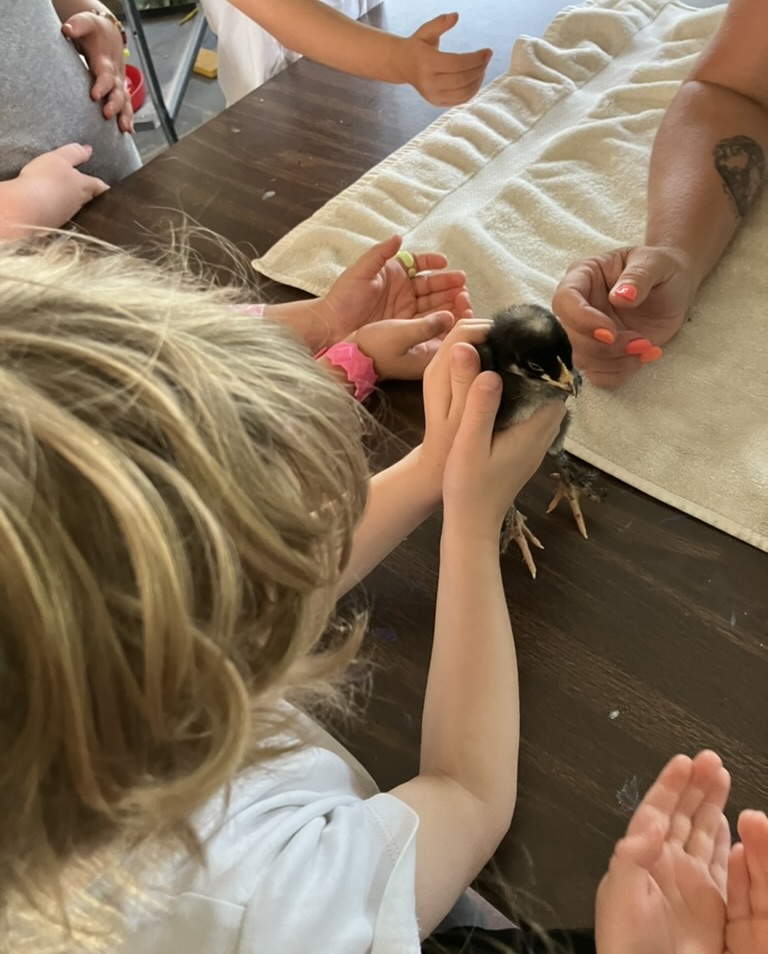
quotthe kinder hold the baby chicks with gentle hands

‘teach children

by word, and by example,

to be kind to animals

not just for the animals sake,

but for the sake of all who are weaker than they are.’

-adapted by val silver


you don’t have to win, just tri.

Standard

we had our first ever

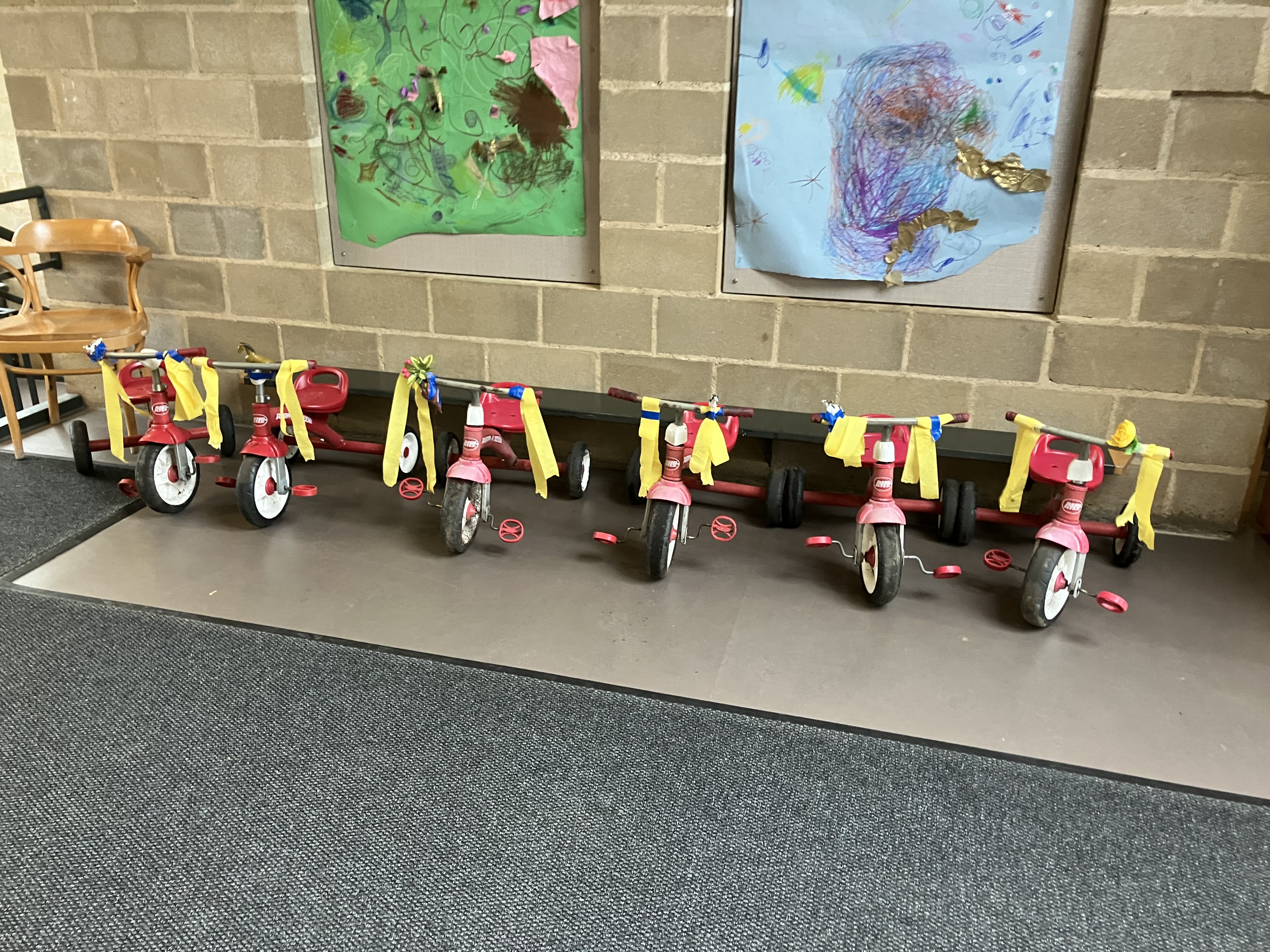
kinder triathlon

what a blast

running,

tricycling,

‘swimming’ in a pool of plastic bubbles with goggles on

everyone did all three events

*no kinder injuries or tears

*(full disclosure: i did fly off of my tricycle at one point

but my boss was kind enough to push

me all the way around the track on it to the finish line)

everyone had so much fun

and that is a win.

“pump your arms and your legs will follow”

– *karen parnell

(this method did not work for me.)

*Karen Parnell is a Personal Trainer, Triathlon Coach and has a degree in Cancer Prevention & Longevity from the Health Sciences Academy. She has been coaching and motivating people to meet their health and fitness goals for for years. Karen is also a Tutor for the British Triathlon Federation and runs a health and fitness centre in  Spain. Prior to pursuing a career in health and fitness Karen held a number of senior roles in global high technology companies and has a honours degree in electronic engineering and an MBA from Aston Business School.


magical capacity.

Standard

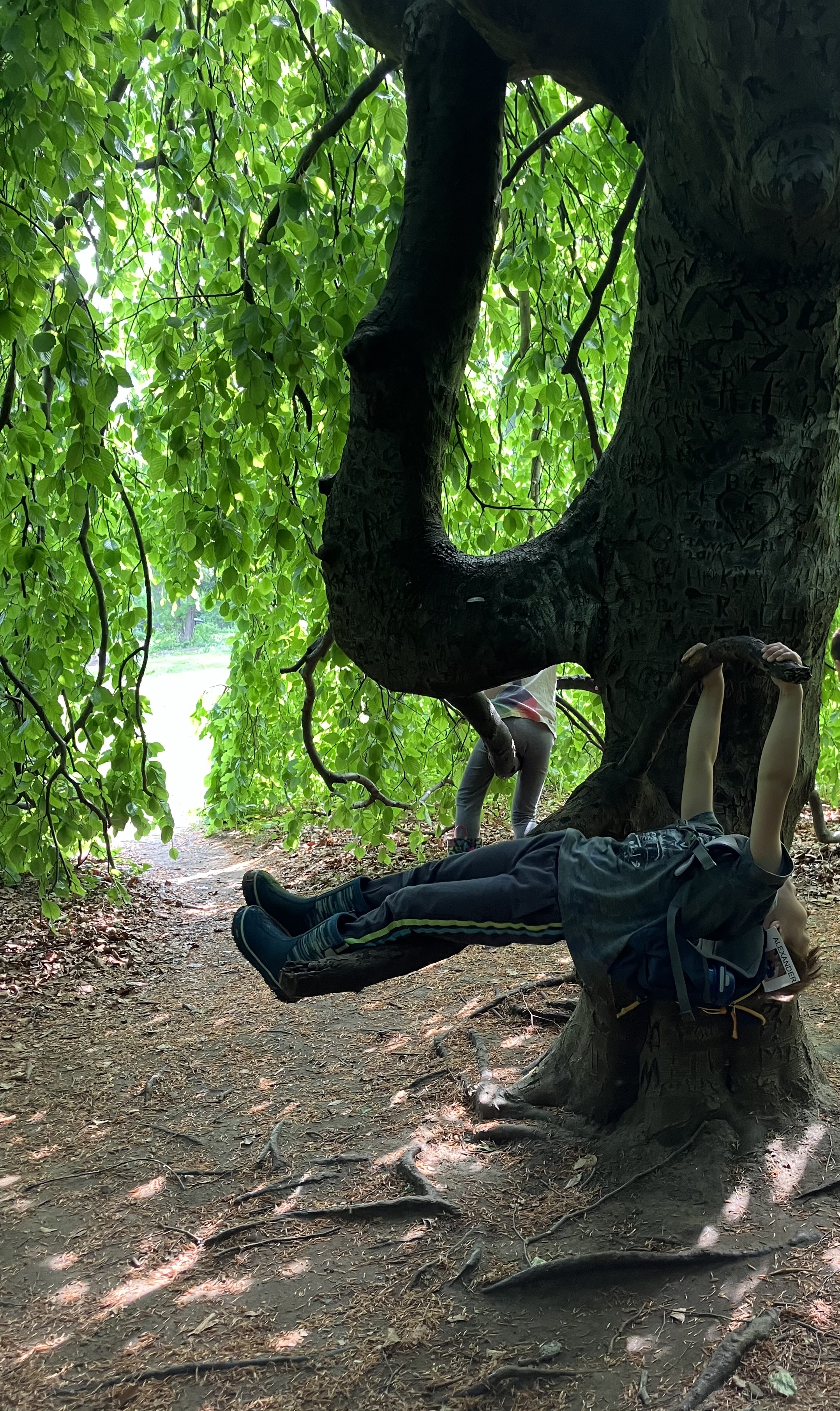
where does the tree end and the child begin?


“as a child, one has that magical capacity to move among the many eras of the earth;

to see the land as an animal does;

to experience the sky from the perspective of a flower or a bee;

to feel the earth quiver and breathe beneath us;

to know a hundred different smells of mud and listen unselfconsciously to the soughing of the trees.”

~valerie andrews

fairy bread and magic tea.

Standard

on may day

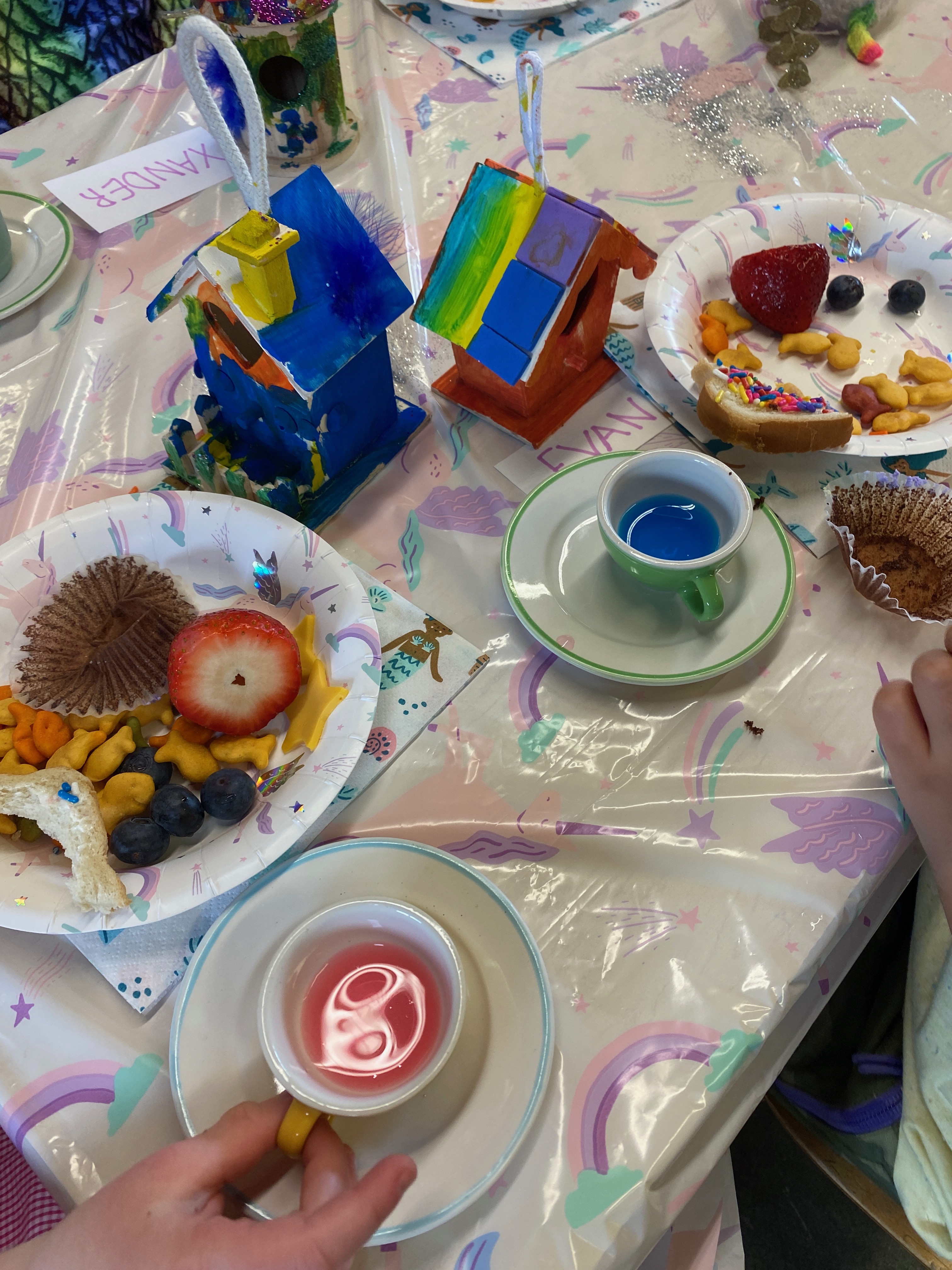
it was fairy tea party day in our classroom

we had dragons, and fairies, and trolls, and  elves,

and everything you can imagine

two of the special party treats

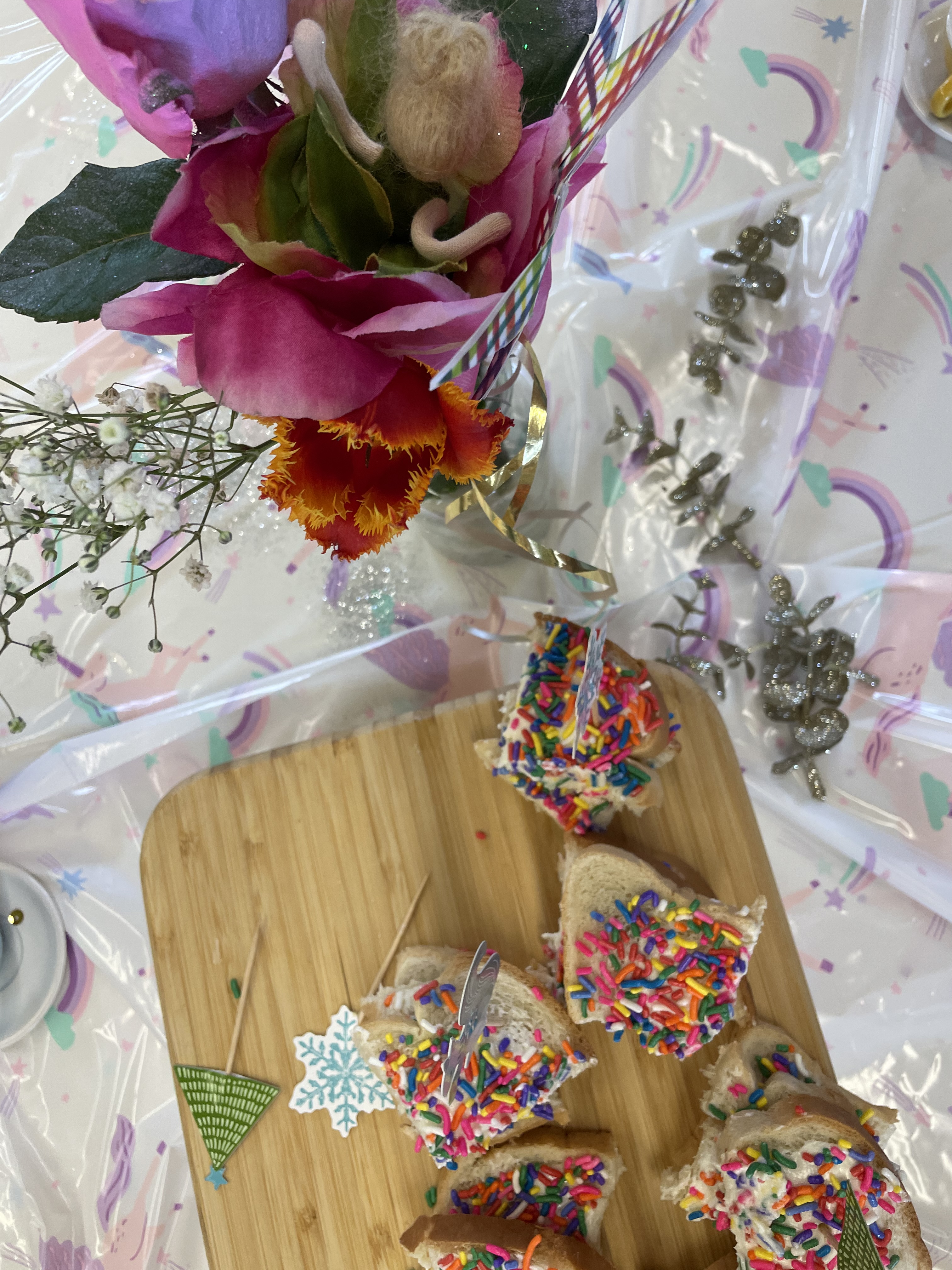
are magic tea and fairy bread.

the magic tea tastes like apple

and changes colors with each new pot poured

and the fairy bread is a sprinkled wonder

what an amazing day we had.

Fairy bread -A rainbow of flavor that harks back to childhood.

(story and recipe)

This mainstay of children’s birthday parties in Australia and New Zealand has but three ingredients: white bread, butter or margarine, and hundreds-and-thousands, which are better known as “sprinkles” in many parts of the world.

To make fairy bread, dump a layer of sprinkles onto a large plate or other flat surface. Take a buttered slice of white bread and place it, buttered side down, onto the sprinkles. Press gently to ensure sprinkles adhere to the butter. Then lift it up, cut the bread diagonally into four triangles, and you have a colorful and child-compatible snack.

Fairy bread can be served with crusts on or off depending on personal preference. Note, however, that the crust provides a handy, butter-and-sprinkle-free spot for your fingers to grip the bread.

The identity of the first person to firmly press sprinkles into white bread is lost to history, but fairy bread was made as far back as at least the 1920s. Unlike simple foods such as toast and cupcakes, though, fairy bread has resisted the modern trend to artisanal-ize. When a food writer suggested using a different kind of sprinkles and “a nice cultured butter,” Australians took a strong, pre-emptive stance against fancier versions of fairy bread.

“That’s the beauty of Fairy Bread,” the editor of a U.K. food section writes of fairy bread’s egalitarian appeal. “Regardless of how much soft focus lighting or Pinterest-friendly table dressing you throw at it, you can’t escape the fact that it’s a piece of soggy bread loaded with strands of refined sugar, designed to be eaten by someone who hasn’t yet mastered chewing with their mouth closed. It’s simple, it’s nostalgic, and the combo of processed carbs, butter, and E numbers is a match made in minimal-effort heaven.”

Need to Know Fairy bread is rarely served in restaurants or cafes. So if you can’t score an invitation to an Australian child’s birthday party, making it yourself is your best bet.

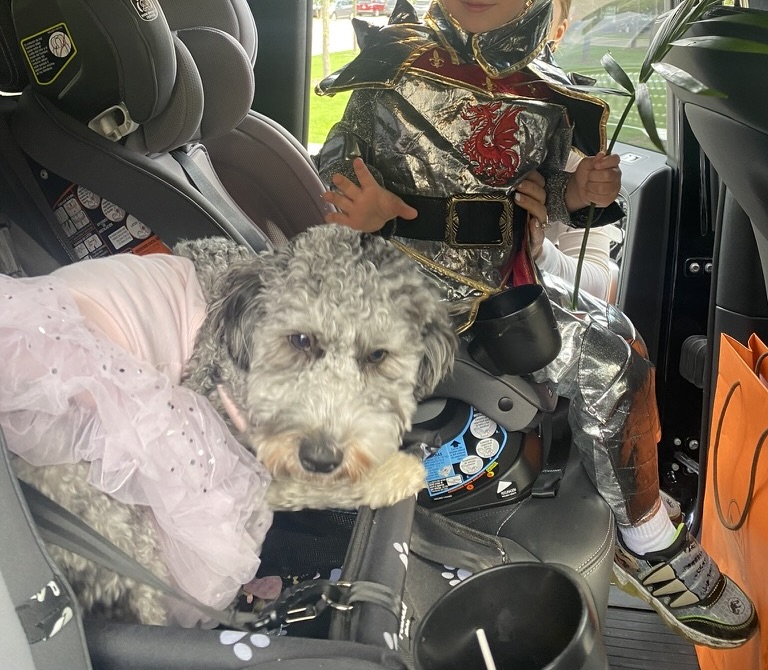
even one of our knight’s dogs dressed up for the big day


“those who don’t believe in magic will never feel it.”

-roald dahl


Recipe source credit:Gastro Obscura 

little by little.

Standard

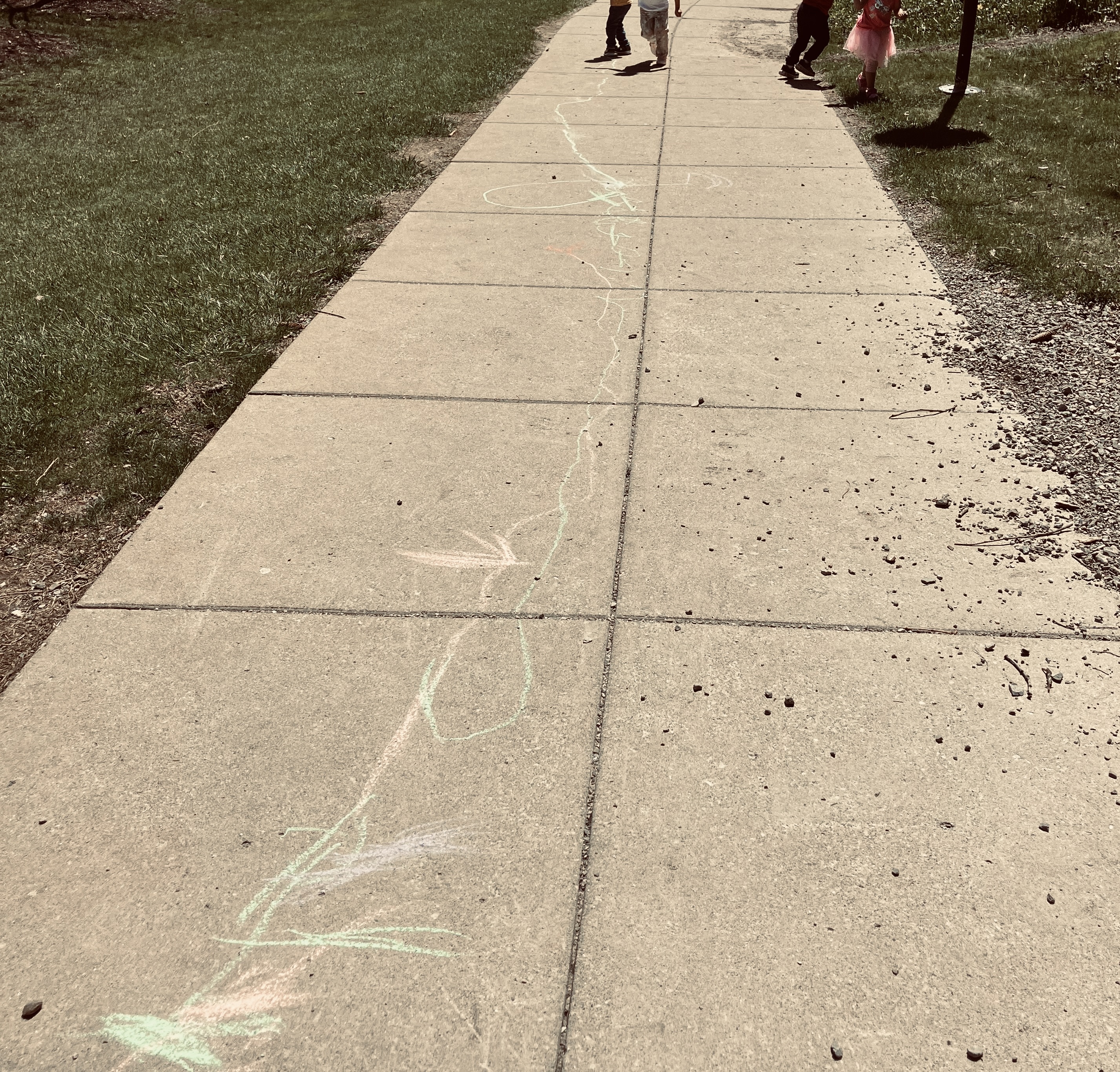
e said he drew the longest road in the world

and then he started walking…


“little by little one travels far.”

-j.r.r. tolkein

small cheer.

Standard
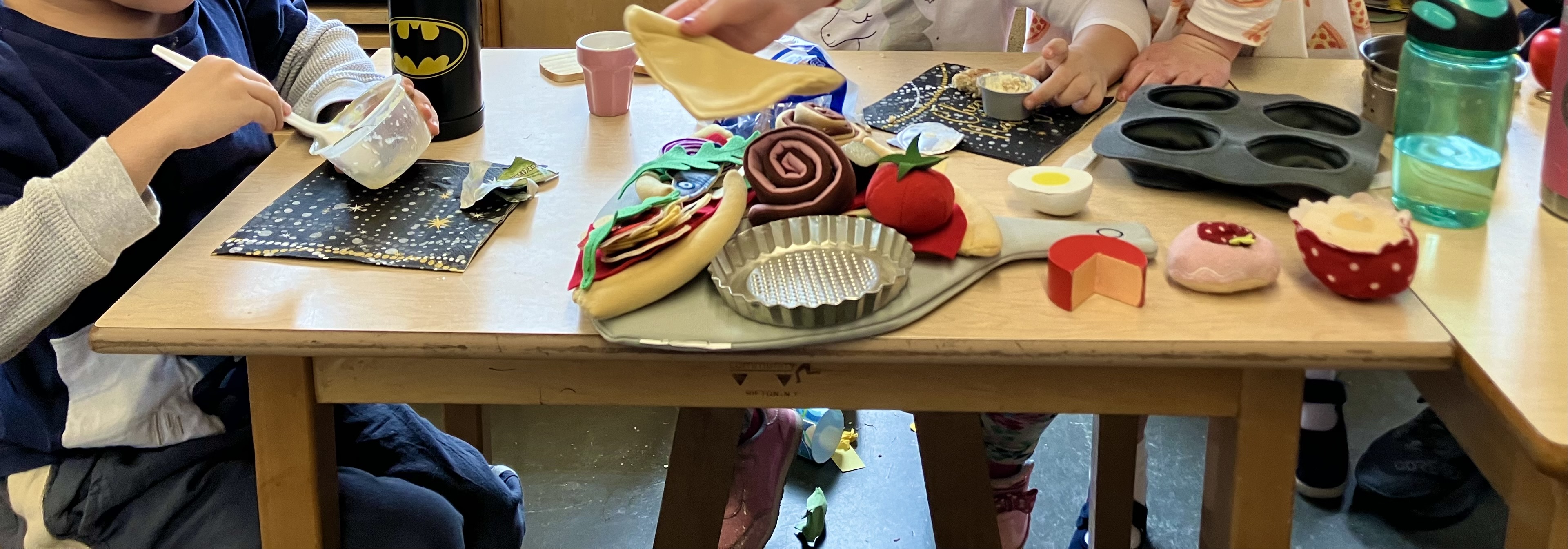
a pop-up restaurant appeared in the cozy corner of our classroom
everyone was welcome and helped in the restaurant after their meal
so many delicious foods
made with care
no one left hungry 
people came and went and shared plates and talked and laughed
it was a feast for the senses.
“small cheer and great welcome makes a merry feast.”
-william shakespeare

can rocks break?

Standard

the kinder have been very interested in learning about rocks lately

they collected them

sorted them

brought in favorites

made a rock museum

painted with them

shared what they knew

still had questions.

one question was-

can rocks break?

now we all know.

“the violets in the mountains have broken the rocks.”

-tennessee williams

kinder-garden.

Standard

jane

today the kinder saw the space where they will create their garden.


“why try to explain miracles to your children when you can have them plant a garden?”

-*janet kilburn phillips

*Janet is a gardener who found that she had to employ a growth mindset when she moved to the United States from England. She had previously been creating English cottage gardens but encountered challenges when she tried to grow them in a drastically different climate and in heavy clay soil. After experimenting with her gardens she created a CD called English Cottage Gardening — American Style. She adapted and persevered and found a new way to succeed at something that she loved.