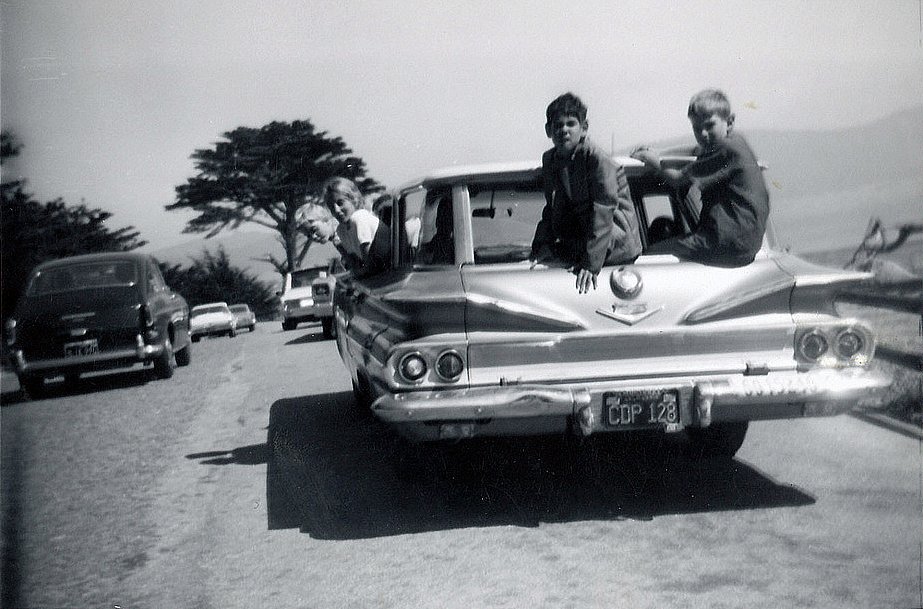
and we are off!
road trip to the north!
and we have stopped.
snacks!
—

—
image credit: vintage and classic cars – 1966
and we are off!
road trip to the north!
and we have stopped.
snacks!
—
—
image credit: vintage and classic cars – 1966
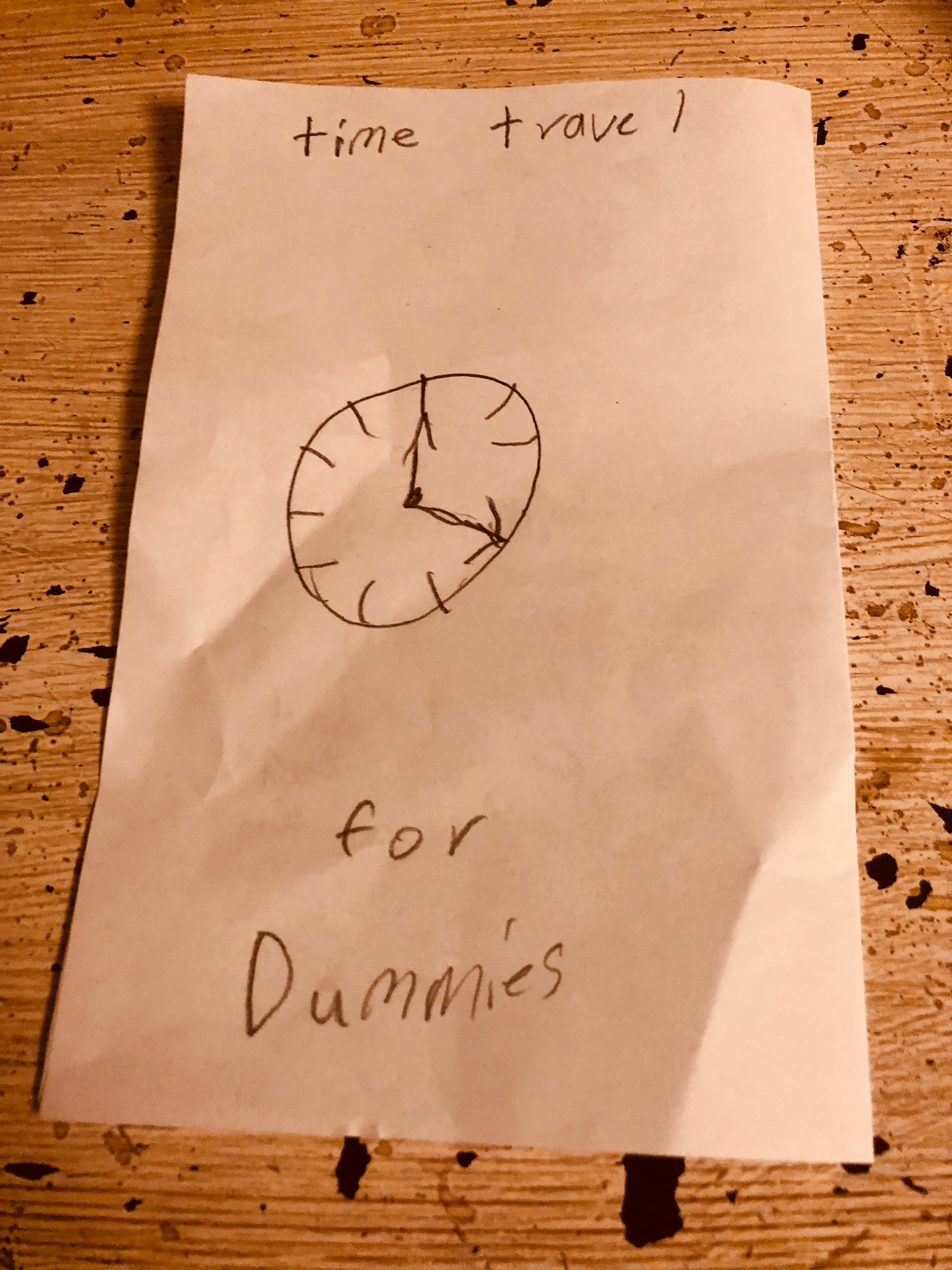
grandie m
shared his formula
for time travel
with me
but has not come up
with a return formula
as of yet.
he even made me my very own copy.
i love the cover
and hopefully
everyone’s copy looks like this.
—
“the truth is, time travel is hard, and people are lazy.”
-margaret person haddix, Redeemed

dear friends, j and b, walk in michigan
getting ready for the big walk.
they leave tomorrow –
i wish them both the best of luck on their journey
and look forward to their tales from along the way
knowing they will return somehow changed forever.

the portuguese way/caminho português
—
The Portuguese Way (Spanish: Camino Portugués, Portuguese: Caminho Português) is the name of the Way of St. James pilgrimage routes starting in Portugal. It begins at Porto or Lisbon. From Porto, pilgrims travel north before entering Spain and passing through Padron on the way to Santiago de Compostela.
The Portuguese way is 227 km long starting in Porto. The way from Porto was historically used by the local populations and by those who arrived in the local ports.
In the contemporary period, most pilgrims are foreigners, and of the total number reaching Galicia between January and October 2017, only 4.27% were Portuguese. Roughly 30,000 pilgrims per year walk this path.

Arrival of queen Elizabeth of Portugal to Santiago de Compostela, after finishing the Portuguese Way around 1325, after the death of her husband, Denis of Portugal.
—
“a path is a prior interpretation
of the best way to traverse a landscape.”
-rebecca solnit, Wanderlust: A History of Walking
—
credits: wikipedia

one of my former students
who i now work with after school
created this travel brochure
complete with her plan for ‘how to get there’
using an innovative method i hadn’t considered
but it makes perfect sense from her perspective.
—
“we learn by taking action and seeing whether it works or not.”
-patrick lencioni
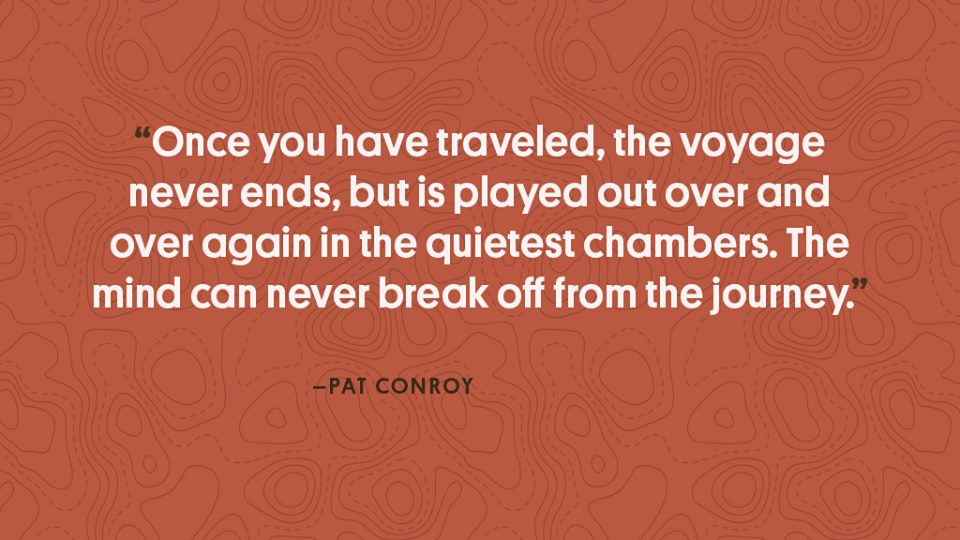
what adventures do you keep coming back to, time and time again?
—
image credit: book riot
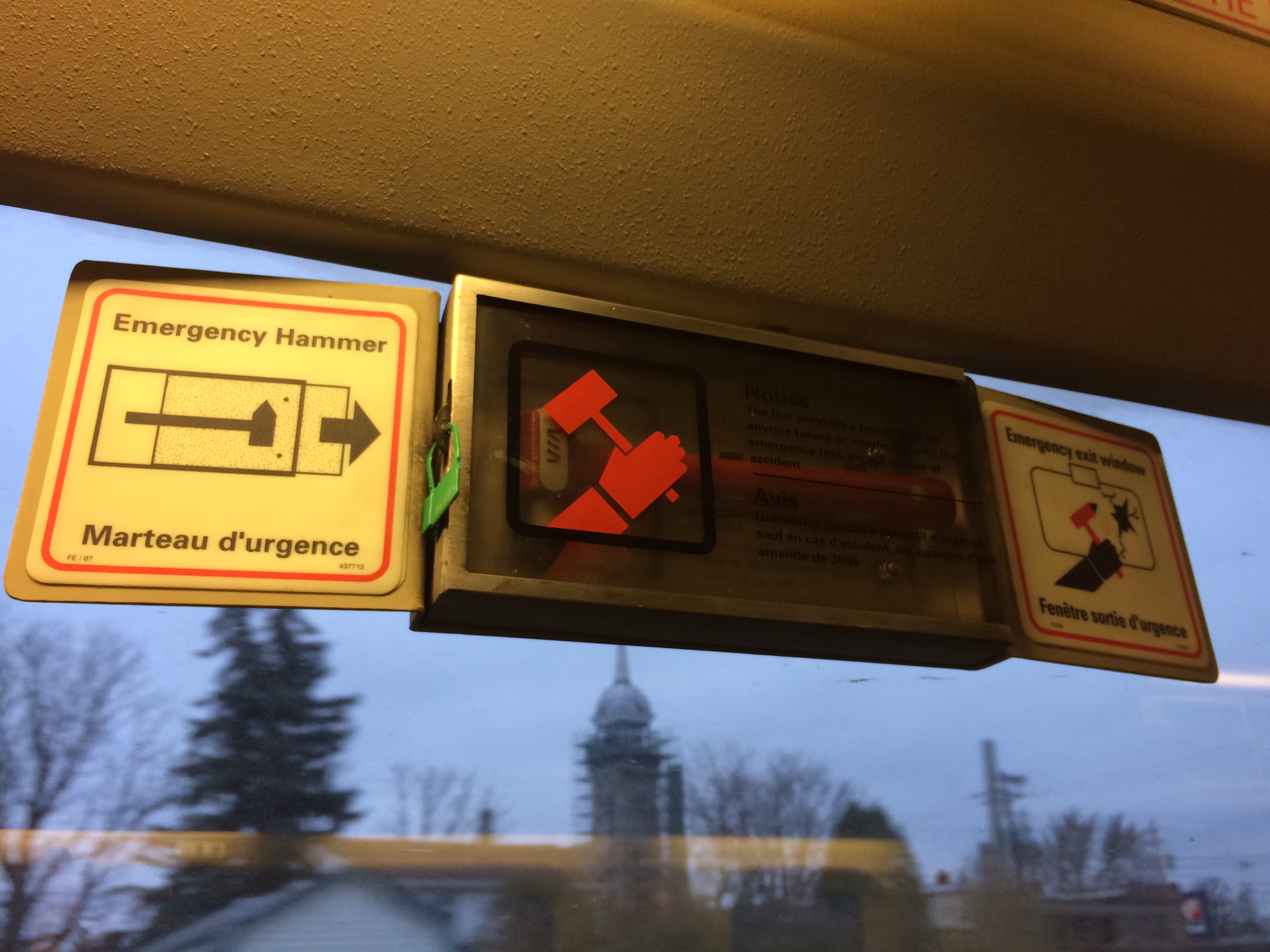
on the via rail trip home
i was in the lucky seat
prepared to wield the mighty hammer
to save us all
on an as-needed basis
just like thor.
if he was a happy, sleepy woman
with a scratchy throat
wrapped up in a cozy scarf
sipping bailey’s and coffee
on a meandering canadian train.
—
‘courage, above all things, is the first quality of a warrior.’
-carl von clausewitz
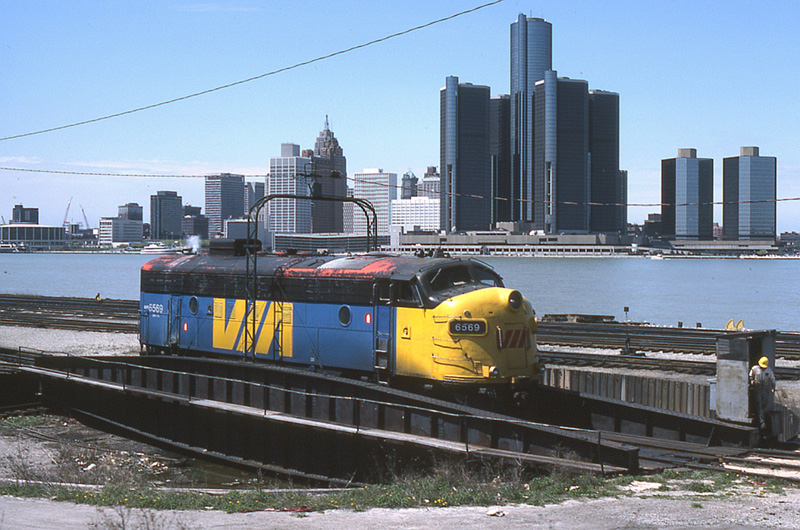
left detroit behind
crossed the river
got on the train for a canadian getaway
looking forward.
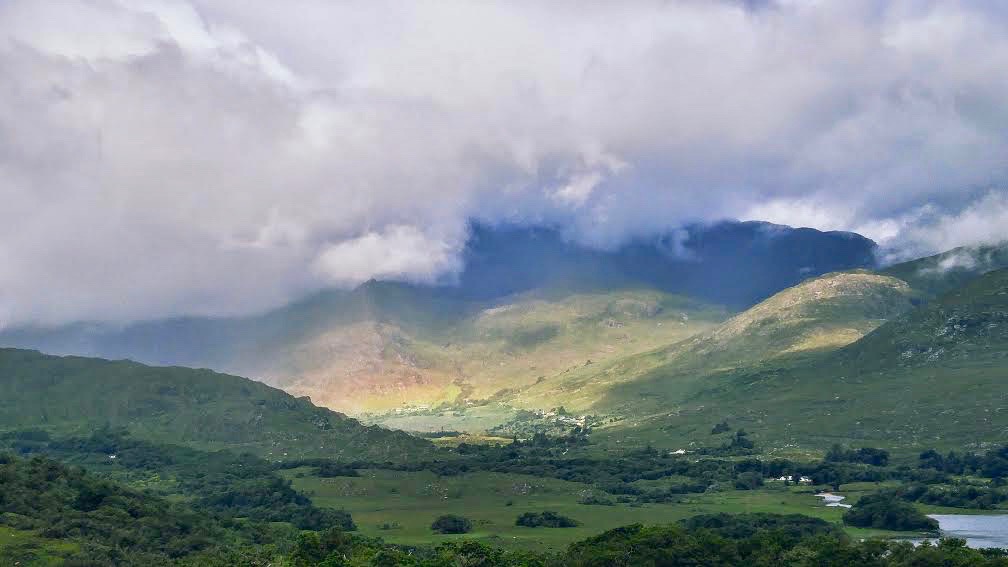 moll’s gap –
last july
on the road from kenmare to killarney in county kerry, ireland
happy st. patrick’s day to all.
—
“to love beauty is to see light.”
-victor hugo
—
photo credit: thanks for the brilliant photo and good company, k. schmidt

in iceland, drawing a map on your mail works just as well as an address
iceland is a magical place, where peace reigns and elves dictate where roads can be built and a mcDonald’s burger can end up in the country’s national museum. it’s also the kind of place where if you don’t know the address where you want your mail to go, you can just draw a map, as condé nast traveler reports.
a tourist looking to mail an envelope to a farm in the village of búðardalur in western iceland didn’t know the proper postal address, so instead, the visitor just drew a sketch of the location. the outside of the letter included pertinent details like the town name, descriptions like “a horse farm with an icelandic/danish couple and 3 kids and a lot of sheep” and the fact that “the danish woman works in a supermarket in búðardalur.” the envelope mapped out local highway routes and bodies of water in relation to the farm. it also included a hefty “takk fyrir!,” icelandic for “thank you.” the letter departed from reykjavik, and by the grace of very patient icelandic postal workers, did end up at its intended destination, the hólar farm and petting zoo. it must be quite the place to earn such dedication from its visitors.
—
* kemst þó hægt fari.
translation: you will reach your destination even though you travel slowly.
english equivalent: we rode slow, but we ride sure.
—
source: Íslands, Landsbókasafn (1980). Árbók. Bókasafnið
—
credits: mentalfloss.com-shaunacy ferro, conde-nast magazine, steina matt (image)

Japan’s Hot Tub Rollercoaster Takes Water Parks to a New Level
A city in Japan is teasing plans of the world’s first spa-themed amusement park.
In a concept video, Beppu City on Japan’s Kyushu island showed off an idea for a new “spamusement park.” The video featured visitors at typical amusement park attractions—a carousel, ferris wheel and roller coaster—but instead of seats for each ride, there were hot tubs.
In the video, visitors entered the rides wearing only a towel—which begs the question: Are visitors to the potential site supposed to walk around in wet towels all day? Also: How does the water stay inside the ride and off electrical equipment? And how are we keeping all these rides clean?
Despite many logistical questions, the spamusement park could become reality.
The mayor of Beppu declared that once the video reached 1 million views (a somewhat low bar in 2016 for a video of people in towels riding roller coasters), the city would begin working on the onsen (hot spring) amusement park. The video has been viewed more than 2 million times since it was uploaded last week and the mayor announced in a statement that work has begun. However, it’s entirely possible that the rides shown in the video will not actually happen.
“We are still discussing safety issues, for example, whether we could actually run hot water inside a roller coaster,” a spokesperson for Beppu’s tourist department told The Japan Times. “But the rides will be something fun.”
Beppu is already an onsen tourist destination—there are more than 2,000 hot springs for visitors to choose from. However the city recently launched an initiative to become the “spa city of the world.” Last year, Beppu welcomed 437,764 foreign tourists.
No completion date for the project has yet been announced.
—
credits: travel and leisure magazine, cailey rizzo, bravo
 I didn't have my glasses on....