last week i joined a small group taking a seasonal cooking lesson
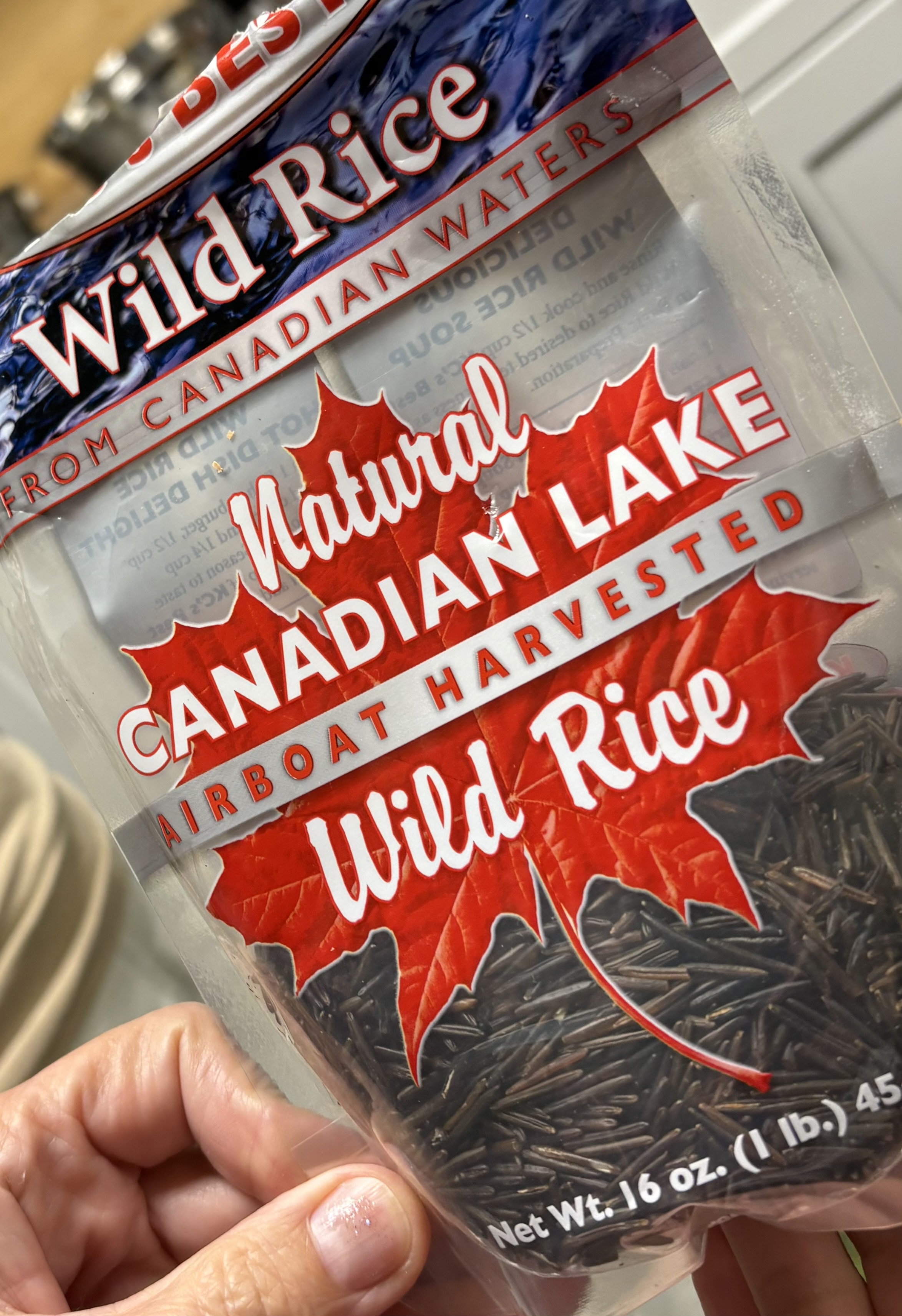
learning to make wild rice soup with fresh veggies, herbs and spices
along with a savory focaccia with herbs, garlic, and olive oil
(some ingredients grown in the park’s gardens)
we began with a lesson on wild rice (manoomin)
which isn’t a rice at all, it’s a grass
from the waters of northern Mnnesota
where the Ojibwe live
where our instructor grew up
very close to the Canadian border
along with a lesson about the traditional harvesting and processing of it:
*(see below)
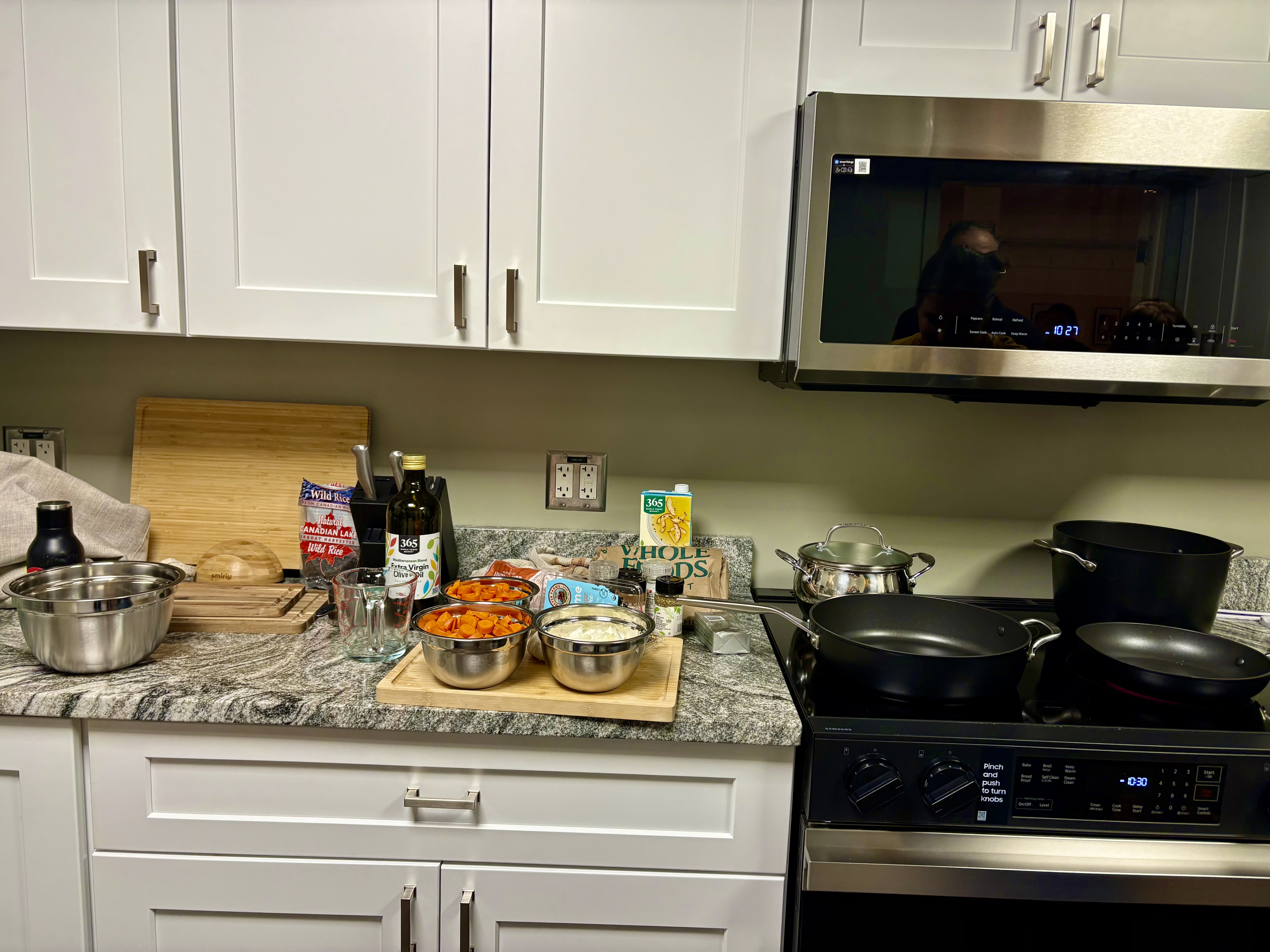
lots of dicing, slicing, measuring, mixing, stirring, tasting, timing,
laughing, questions, comments, coffee
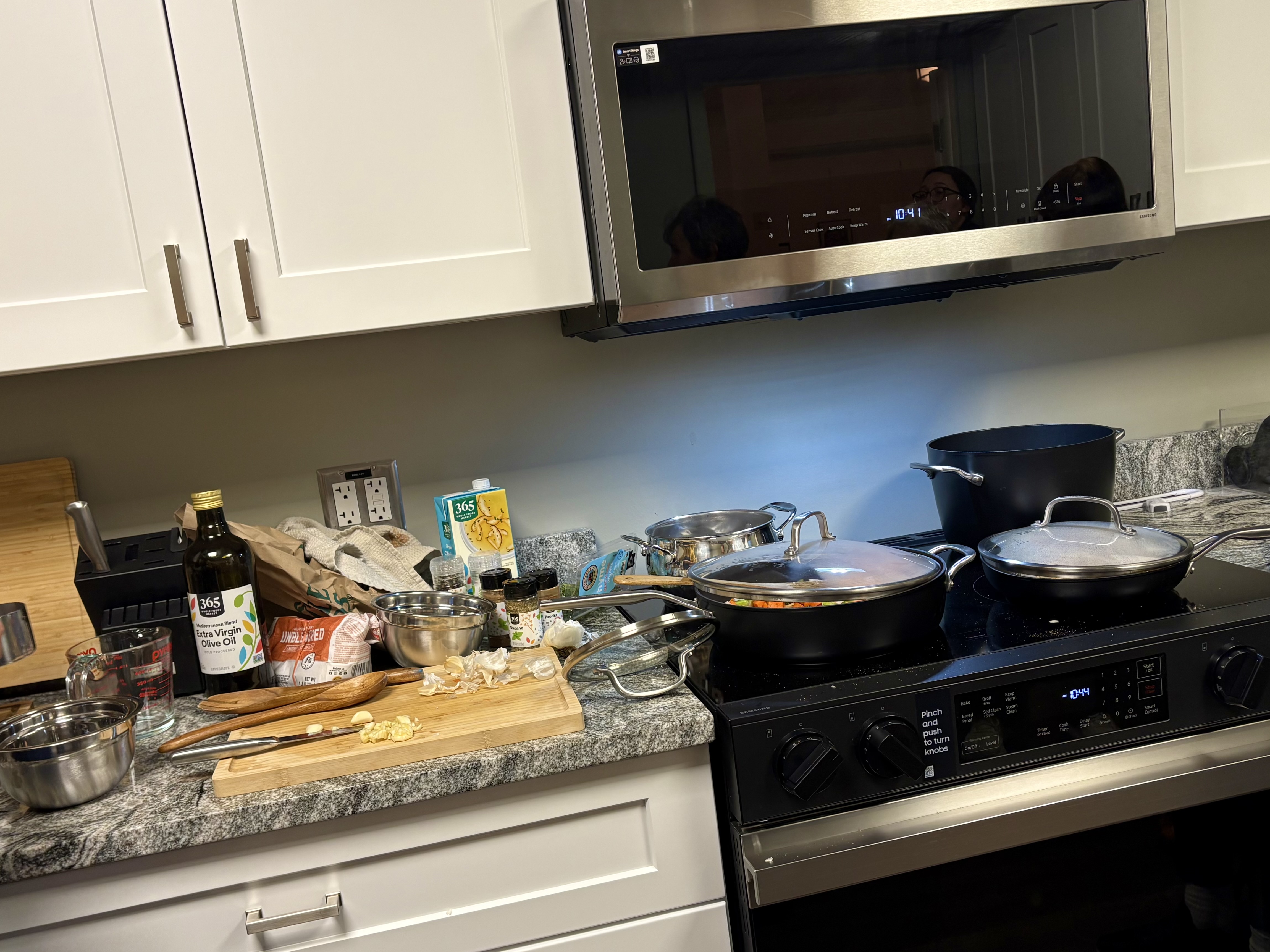
some people chose to be hands on, some to observe
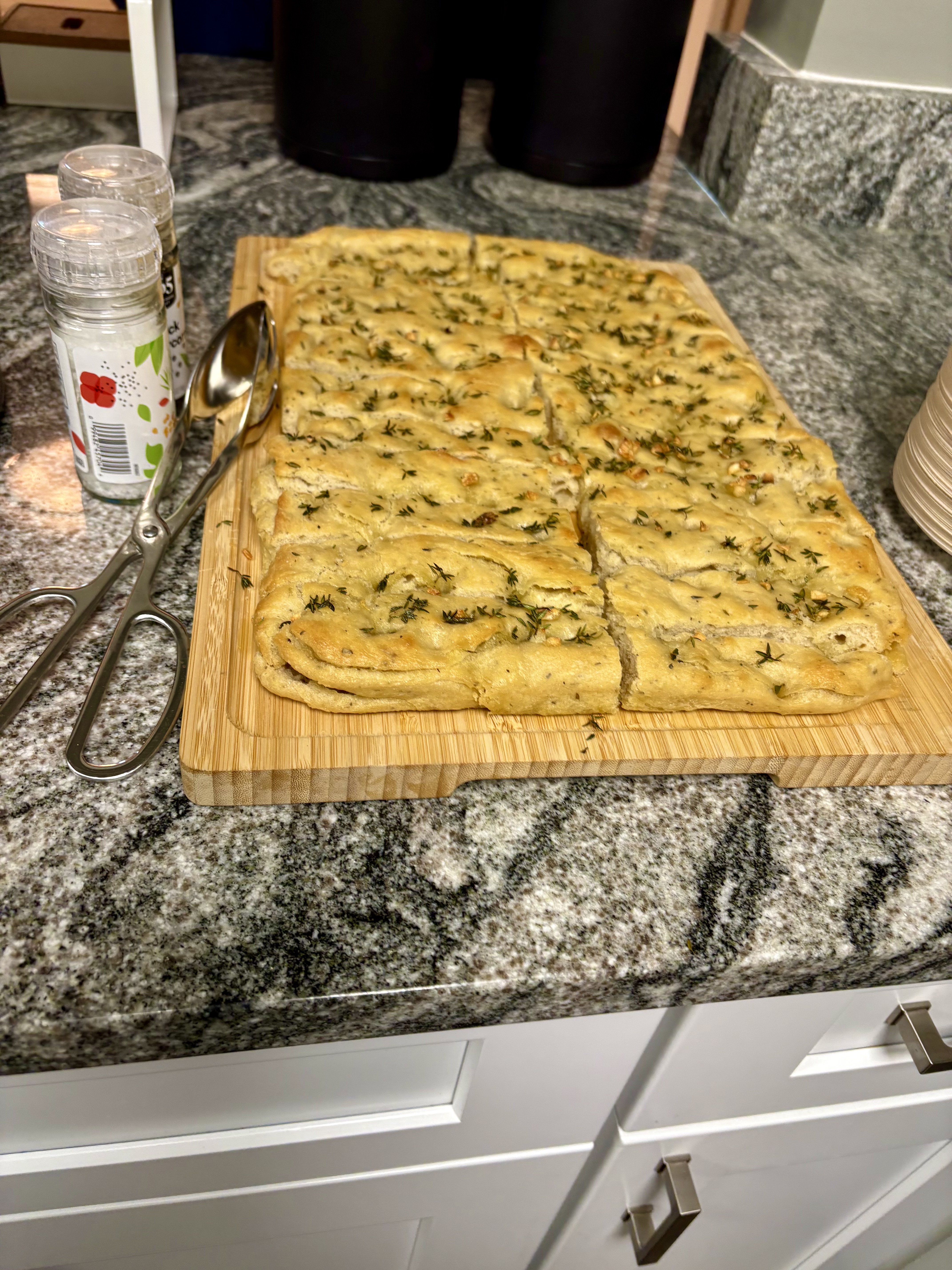
after a couple of hours
the soup bubbled
the bread was golden
we shared our meal
at a long table
where our last lesson
was learning about each other.
—
‘the joy of cooking is that you get to touch it and play with the ingredients and play with them. it’s a craft.’
-stanley tucci, american actor
—
*Traditional Harvesting Steps
- The Team: Two people ride in a canoe. One sits in the stern and gently pushes or steers the boat through the shallow water with a long pole. The other kneels or sits in the bow with two smooth cedar sticks (called knockers or bawa’iganaakoog).
- The Tapping: One stick gently pulls a cluster of stalks over the canoe, while the other stick taps the stalks twice like a heartbeat to dislodge only the ripe kernels.
- The Reseeding: Unripe grains stay on the plant, and many mature seeds fall into the water to replant the next season’s crop.
- Drying (Curing): Spread the freshly harvested “green” rice out in a thin layer in the sun or shade for a day or two to let surface moisture evaporate and prevent mold.
- Parching: Heat the rice in a large metal or cast-iron kettle over an open wood fire. Stir constantly with a wooden paddle so the grains toast evenly, harden the kernel, and make the outer hull brittle.
- Jigging (Threshing): Place the warm, parched rice into a clean pit lined with clean canvas or a wood-lined tub. A person wearing clean moccasins or soft-soled shoes gently dances or treads on the rice to crush and separate the tight hulls from the grain.
- Winnowing: Pour or toss the threshed rice upward into the breeze using a birch bark basket or shallow tray. The wind blows away the lightweight chaff and dust, leaving the clean, dark wild rice behind.
Discover more from I didn't have my glasses on....
Subscribe to get the latest posts sent to your email.


That dish sounds very delicious, Beth 👍
LikeLiked by 1 person
Fascinating information on manoomin. I love getting together and cooking.
LikeLiked by 1 person
i do too, something about it
LikeLiked by 1 person
This sounds like a great thing to learn, and the bread looks delicious.
Best wishes, Pete.
LikeLiked by 1 person
yes to both
LikeLiked by 1 person
It sounds like a wonderful experience–learning, cooking, eating, and bonding!
LikeLiked by 1 person
yes, all good
LikeLiked by 1 person
Ah, traditional ways live on through the ancient ways of cooking, Beth …
LikeLiked by 1 person
yes, it’s great
LikeLiked by 1 person
All I can say is… yum!
LikeLiked by 1 person
Mr Tucci is in fact correct.
LikeLiked by 1 person
absolutely
LikeLiked by 1 person
Interesting
LikeLiked by 1 person
Gorgeous bread! The texture looks phenomenal.
LikeLiked by 1 person
we ate the whole thing )
LikeLike
I remember harvesting some in Northwest with Cree and Ojibwe friends.
LikeLiked by 1 person
how lucky!
LikeLike
Yes!
LikeLike
Love this! I’m saving this one.
LikeLiked by 1 person
i found it fascinating
LikeLiked by 1 person
I’m glad you included the info on the traditional harvesting and preparation methods… I was headed in a different direction upon reading the package, where it says “airboat harvested”!
LikeLiked by 1 person
right, i had no idea
LikeLiked by 1 person
I loved the traditional notes on harvesting you shared at the end.
The bread looks delish.
These events are so much fun as well.
LikeLiked by 1 person
i love that some people still follow the old traditions. taught by the original locals
LikeLiked by 1 person
Yes, this is rare. I once saw a lady and her son, who still bake bread in traditional stone ovens outside. Their bakery is thriving.
LikeLiked by 1 person
That’s beautiful. Years after I was teaching, I went back to a local college to take courses to specialize in early childhood teaching. It was a catholic university, but they were liberal in their approach to things and social justice warriors. I became friendly with a young woman in my class who was a nun from Nigeria. She was going to school to get her degree and go back to Nigeria to teach in her community. When we come to class all of us after a long day of teaching, everyone would share their stories of ups and downs, and one particular day I was shared about something that had happened really not huge but a little bit disappointing. I love to cook of my class and that day we had planned to make bread. We got to the oven at school. It wasn’t working. I went on with my little tale of whoa and she turned to me and said you know where I come from we dig a hole and bake our bread in the dirt. My issue was absolutely nothing. It was a point of privilege and she still used the old ways where she lived because that’s what they had to work with and it was tradition. This immediately shifted my perspective, and I understood that I had nothing to worry about or complain about.
LikeLiked by 1 person
Walk a mile in someone elses shoes… my ma woukd always tell me this when I complained about anything. We are truly blessed in this country in many ways. Though we dont have to travel very far to see how very blessed we are. I know a kid who still uses an icebox as a temporary fridge. Too poor to own a refrigerator. Like you said, it changes our perspective very quickly.
LikeLiked by 1 person
Fascinating. I’ve always loved wild rice. Had no idea how complex the harvesting is. Now I’ll appreciate it even more!
LikeLiked by 1 person
same!
LikeLike
My heart is warmed, my stomach satisfied by just reading this wonderful writing. 💚🩵💕
LikeLiked by 1 person
<3
LikeLike
A technical lesson Beth.
LikeLiked by 1 person
i love that some people still use the old ways
LikeLiked by 1 person
👍🏼👍🏼👍🏼
LikeLike
Interesting and fun, thanks for sharing.
LikeLiked by 1 person
What a fascinating post, Beth. Especially the rice that isn’t rice and the description of harvesting it. I loved that you said the last lesson of the cooking class was getting to know each other. Oh, and I do love wild rice soup. Big hugs.
LikeLiked by 1 person
thanks! yes, she would go with her father to harvest from the time she was a little girl
LikeLiked by 1 person
I knew that wild rice wasn’t actually rice, but the rest of the story, I never knew until now… cool
LikeLiked by 1 person
it was all new to me –
LikeLiked by 1 person
You should write a book about embracing retirement. I’m happy for you, Beth.
LikeLiked by 1 person
you too- it’s given me lots of time to try new things and enjoy the ones i always go back to
LikeLiked by 1 person
I love seeing the wild rice stands in Superior, Wisconsin. Makes sense, since Minnesota is just a few minutes away.
LikeLiked by 1 person
geography math
LikeLiked by 1 person
My favorite kind. Mountains + presidents = Keystone, SD.
LikeLiked by 1 person
Another fun and delicious experience.
LikeLiked by 1 person
This post is like a bowl of soup – warms me from the inside out. And reminds me of one of my favorite podcasts with you about soup!
LikeLiked by 1 person
another soup! my love for soup has not waned )
LikeLike
Wild rice is one of the foods I’d want for my last meal! Maybe just wild rice alone!
LikeLiked by 1 person
It is so good! I remember we used to have it when I was young for special holidays, but it would be mixed in with other rice, very fancy
LikeLiked by 1 person
My mouth’s watering!
LikeLiked by 1 person
It was really good
LikeLiked by 1 person
What a fascinating post. Thank you for sharing, beth.
LikeLiked by 1 person
My pleasure
LikeLiked by 1 person
That sounds and looks delicious, Beth. Cooking and enjoying a meal together is so special and I love that you learned about and used new ingredients too.
LikeLiked by 1 person
What a great event! And who knew it wasn’t rice, but a Minnesota grass? The focaccia looks so good. Of course the best part was learning about each other.
LikeLiked by 1 person
yes!
LikeLiked by 1 person
Pingback: Quisquilious Hot Links – Tacky Raccoons
So interesting, 💝
LikeLiked by 1 person
it was fascinating, i had no idea
LikeLiked by 1 person
Wild rice is a very big deal, especially in northern Minnesota. What an opportunity to learn from a woman who knows, understands, comes from the place of wild rice. I make a chicken wild rice hotdish that is divine.
LikeLiked by 1 person
i love how she told us that she grew up doing this with her dad from the time she was quite young. yes, i learned so much from her, and as soon as she said ‘hotdish’ i remembered you talking about it
LikeLike
Very nice and to be united and do it together is more fun. Good post
LikeLiked by 1 person
Yes, it definitely kicks it up a notch
LikeLiked by 1 person
True Beth 🙏
LikeLiked by 1 person