
driving down the highway
i came upon this truck filled with fun
and wondered where exactly it was headed.
—
“i was sure that somewhere a grandiose carnival
was going on in the sky,
and I was missing it.”
-eve babitz

driving down the highway
i came upon this truck filled with fun
and wondered where exactly it was headed.
—
“i was sure that somewhere a grandiose carnival
was going on in the sky,
and I was missing it.”
-eve babitz

found this sweet surprise
waiting for me in my mailbox
a very old tiny sleigh with a handwritten letter
from a neighbor i’ve never met
who’s lived nearby for over 50 years
she left it for me to add to my fairy garden
when the season is right
she took the trouble to repaint the sleigh
and write me this lovely note
wanting to visit the garden
but too shy to stop by to see it up close
it was such a kind and thoughtful gesture
i wanted to thank her and figured out where she lived
then wrote her a long letter back
to let her know
how much i enjoyed her special gift
and what it meant to me
i really hope that we meet in person in my garden one day.
—
“give what you have. to someone, it may be better than you dare to think.”
― henry wadsworth longfellow
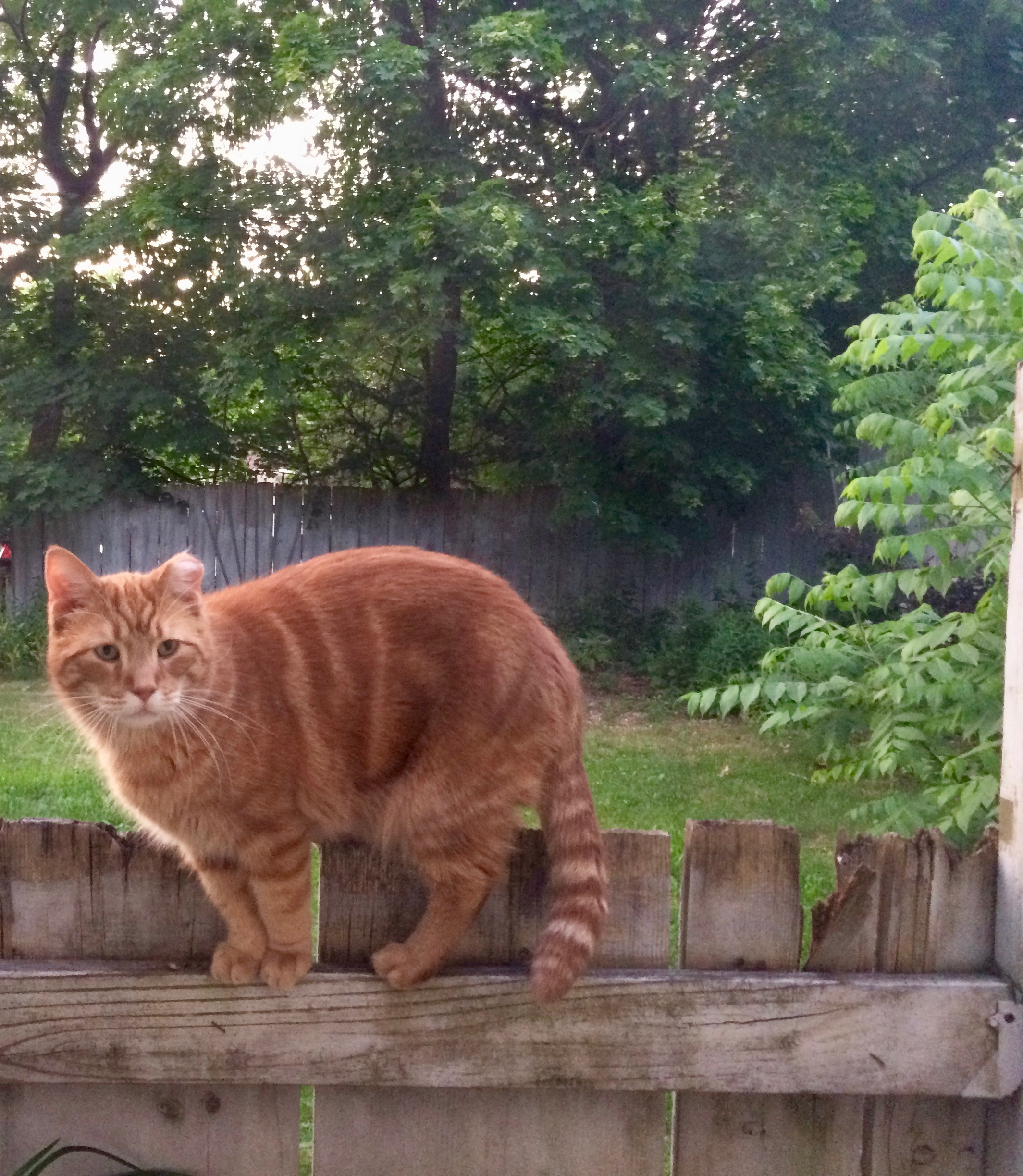
glenn frey the cat not the rocker
agrees with
patti smith the rocker not the cat.
—
“in art and dream may you proceed with abandon.
in life may you proceed with balance and stealth.”
-patti smith
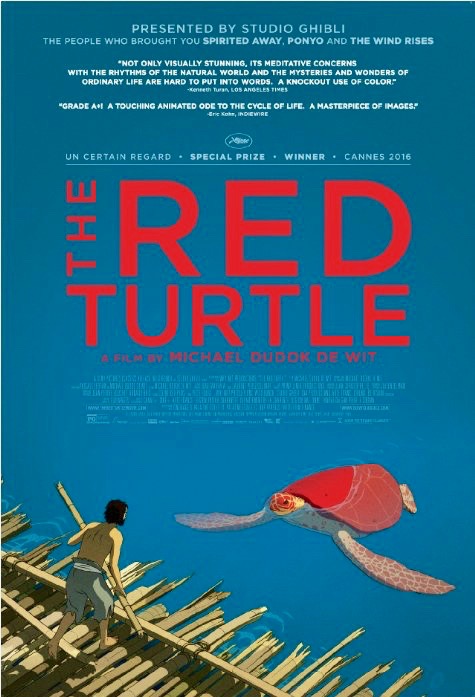
saw this beautiful film yesterday
very moving and mesmerizing
drawn in mostly soft colors
it captures the subtleties of
nature, man, balance, human connections, family,
impermanence, the circles that life takes
very simple lines and images
bamboo, trees, water, sky, people, animals, land
created by three studios in three countries
japan, england, belgium
does not require any translation
as there is no dialogue
except for one word
only lovely music
to take you through this
fairy tale, fantasy, fable, legend
when you get to the end
the quietly powerful and touching final scenes
will draw you in
it was 81 minutes of
pure perfection in every frame.
—
“this film was simple and and elemental.
like a picture book that needs no words.”
– a.o. scott – new york times
—
‘the red turtle’ premiered in the Un Certain Regard section at the 2016 cannes film festival, where it won a grand jury award. the film was also nominated for the best animated feature film for the 89th academy awards.
—
credits: studio ghibli, wild bunch studio, toho studio, sony pictures classics
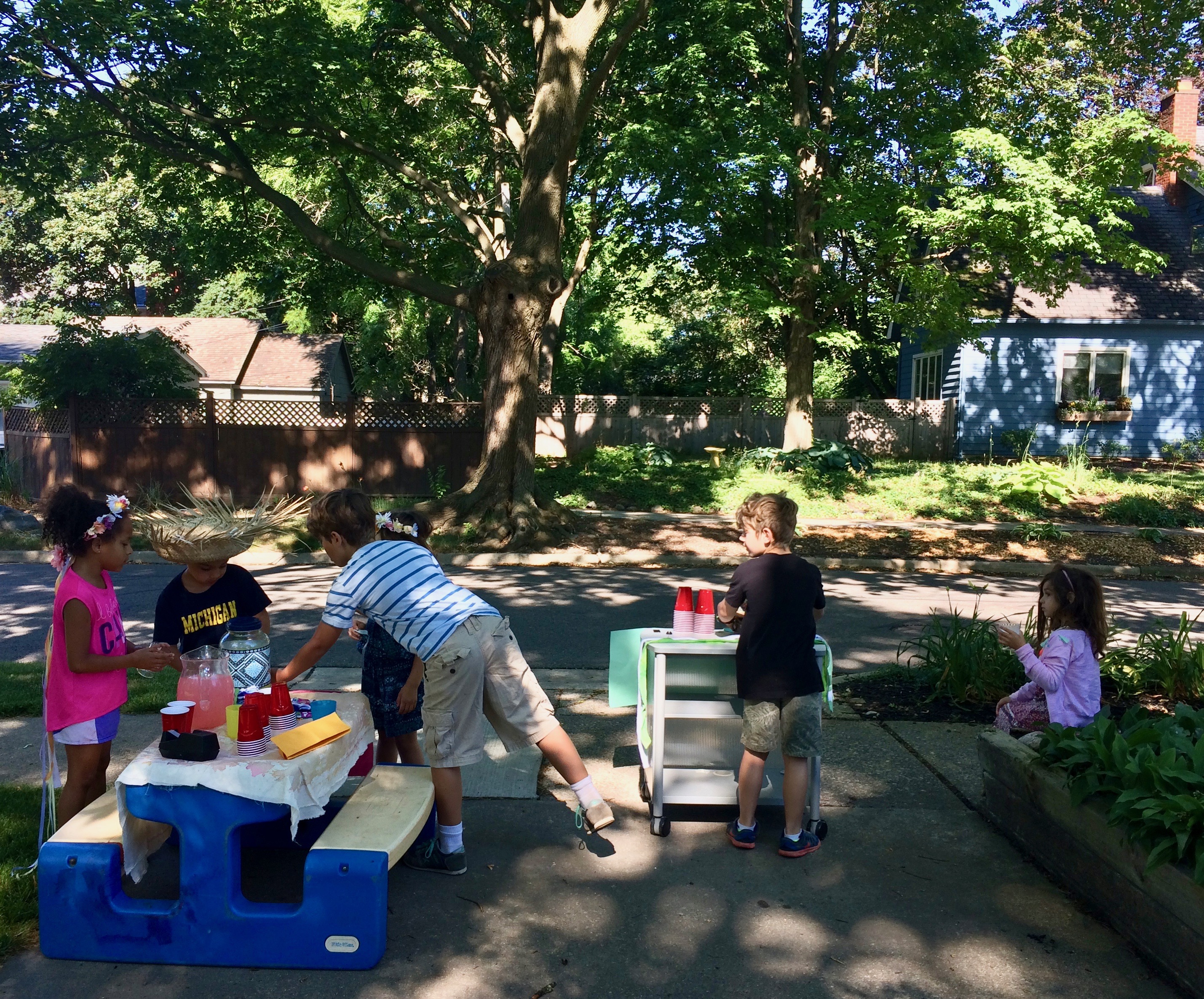
who wouldn’t buy from these six?
not many customers were available
and most who stopped by
had no money on them
so they changed their marketing plan
added music, dance, costumes
even an impromptu wedding
and
after drinking away
much of the merchandise
everyone still made a profit
not bad for a day’s work.
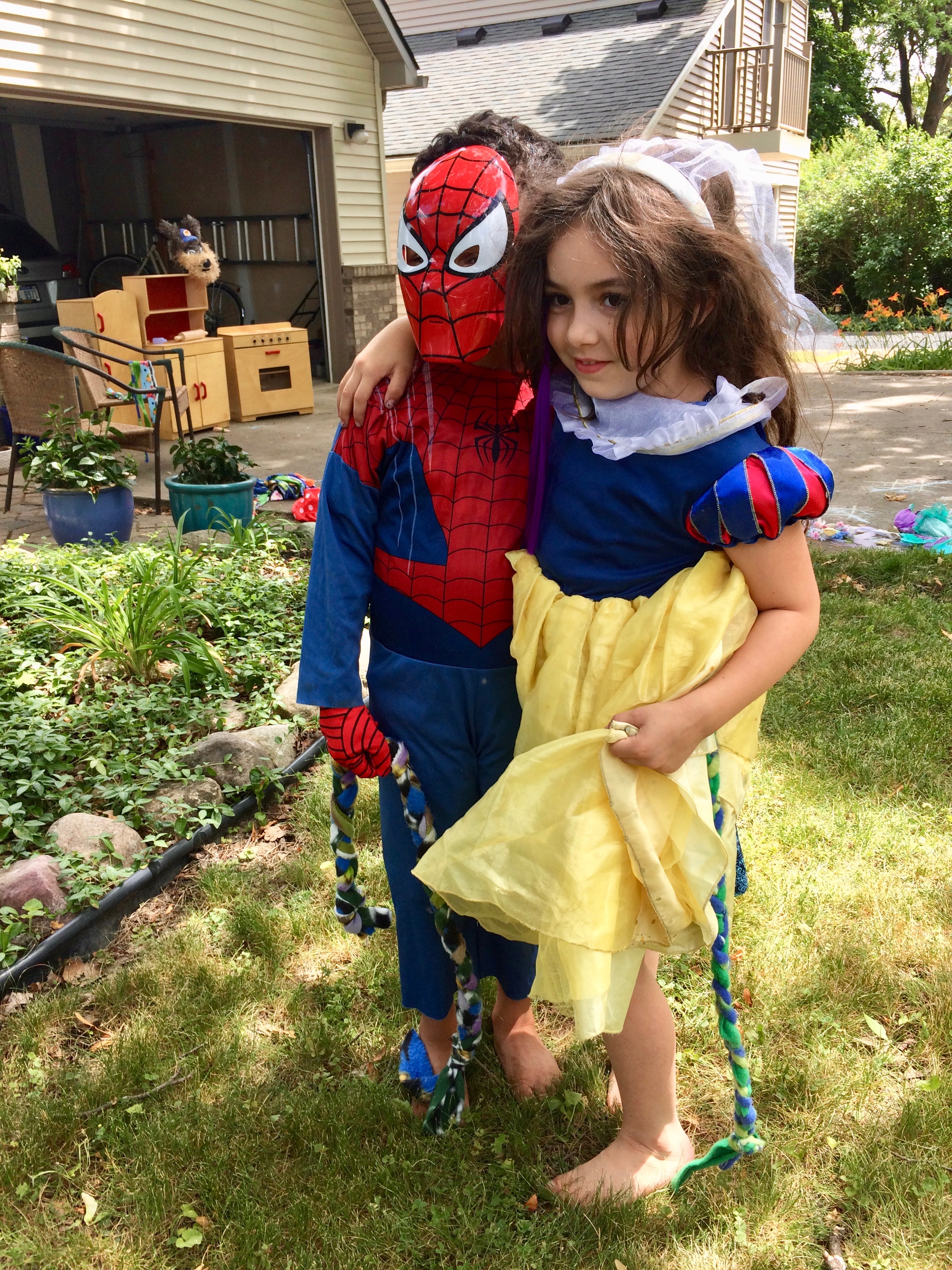
“if life gives you lemons, don’t settle for simply making lemonade – make a glorious scene at a lemonade stand.”
-elizabeth gilbert
my talented and creative friend’s new book –
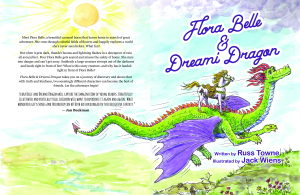
My latest book, Flora Belle and Dreami Dragon is now available on Amazon.com. I’d be grateful if you’d help spread the word. I believe this book will quickly become one of my most popular titles ever. It has a dragon, a carousel horse, adventure, friendship, fantasy, and more. Children and adults are likely to be delighted by it.
With Love,
Russ
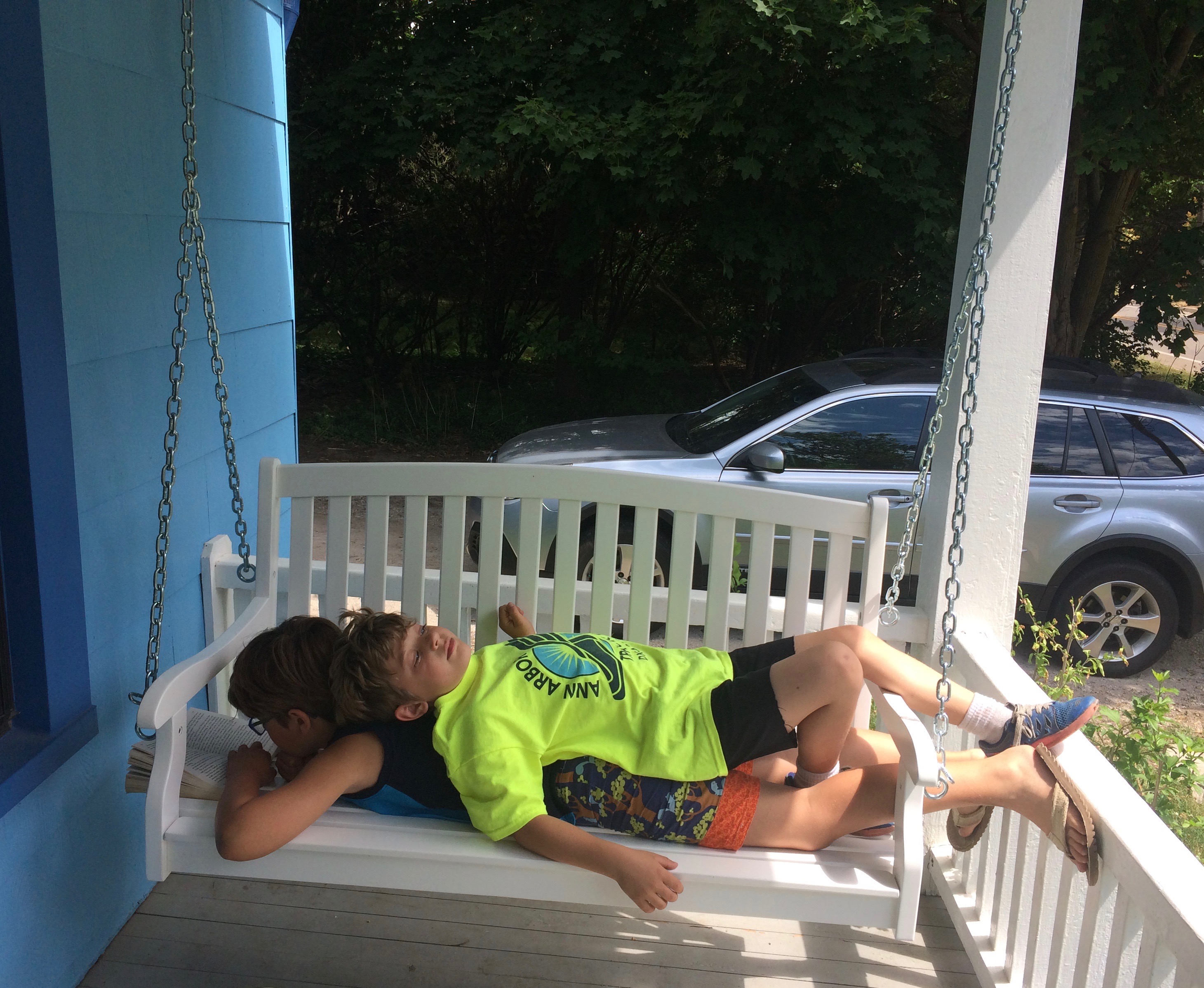
two grandies reap the benefits of more light,
each in their own way.
—
“one benefit of summer was that each day we had more light to read by.”
― jeannette walls, The Glass Castle: A Memoir
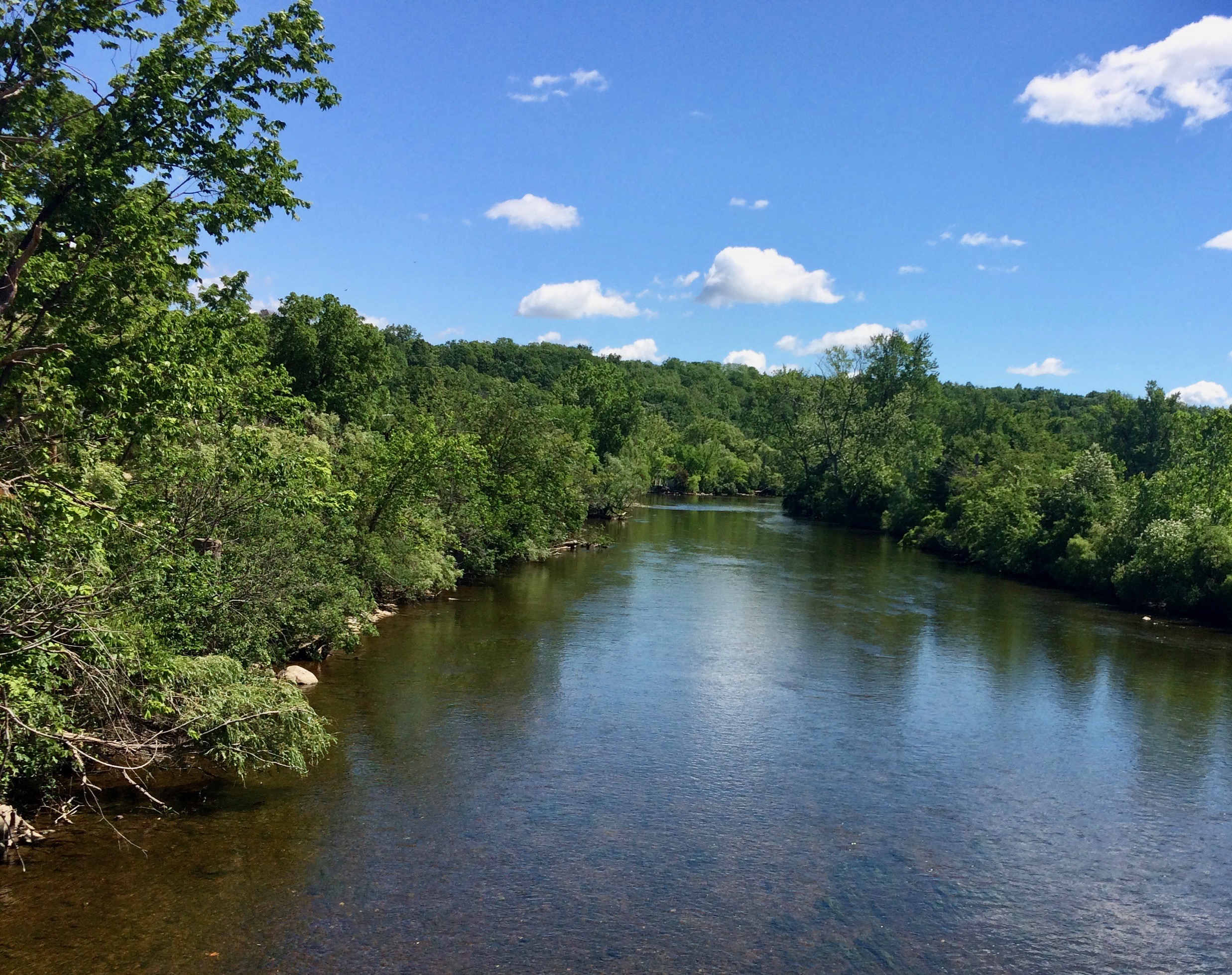
time well-spent on the longest day.
—
“and so with the sunshine and the great bursts of leaves growing on the trees, just as things grow in fast movies, i had that familiar conviction that life was beginning over again with the summer.”
– f. scott fitzgerald – the great gatsby.
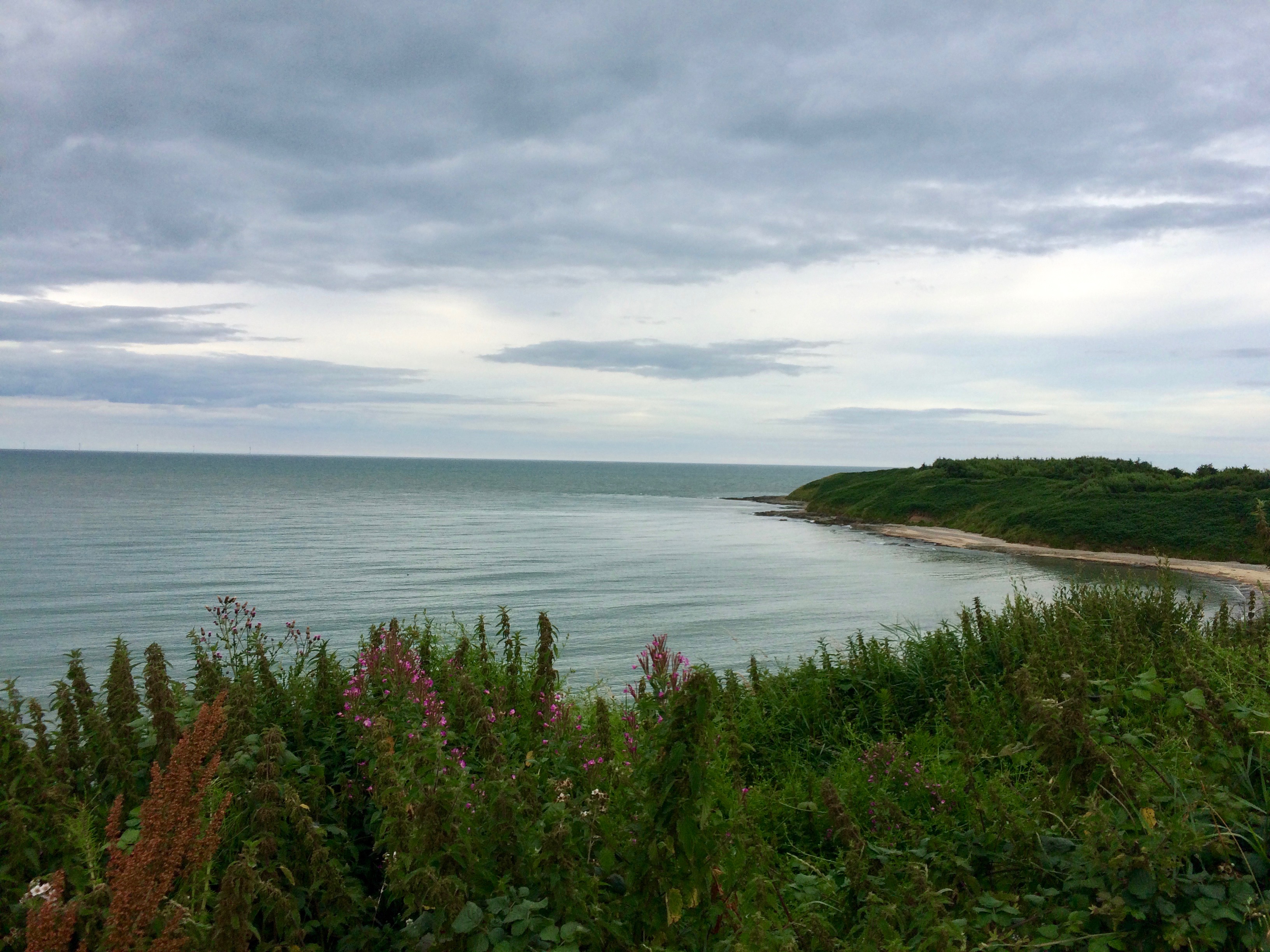
water
Everything on the earth bristled,
the bramble pricked
and the green thread nibbled away,
the petal fell,
falling until the only flower was the falling itself.
Water is another matter,
has no direction but its own bright grace,
runs through all imaginable colors,
takes limpid lessons from stone,
and in those functionings plays out
the unrealized ambitions of the foam.
Pablo Neruda
—
killarney, ireland

when at the main detroit public library
climb up the stairs and step out of the doors
to the loggia outside
look up to the ceiling arches to see
the 7 beautiful mosiacs
inspired by william shakespeare’s
“as you like it”
the 7 stages of man
with thousands of tiny glazed tiles
created by tiny hands at pewabic pottery
after reading the chart below
i believe that i find myself in the 5th stage – justice,
working my way toward the 7th stage – decrepitude.

“we know what we are, but know not what we may be.”
-william shakespeare


