
one of my daughters
gave me
a small bunch of peonies
when suddenly
one bloomed
making a very grand entrance.
—
“a flower does not use words to announce its arrival to the world; it just blooms.”
― m
one of my daughters
gave me
a small bunch of peonies
when suddenly
one bloomed
making a very grand entrance.
—
“a flower does not use words to announce its arrival to the world; it just blooms.”
― m
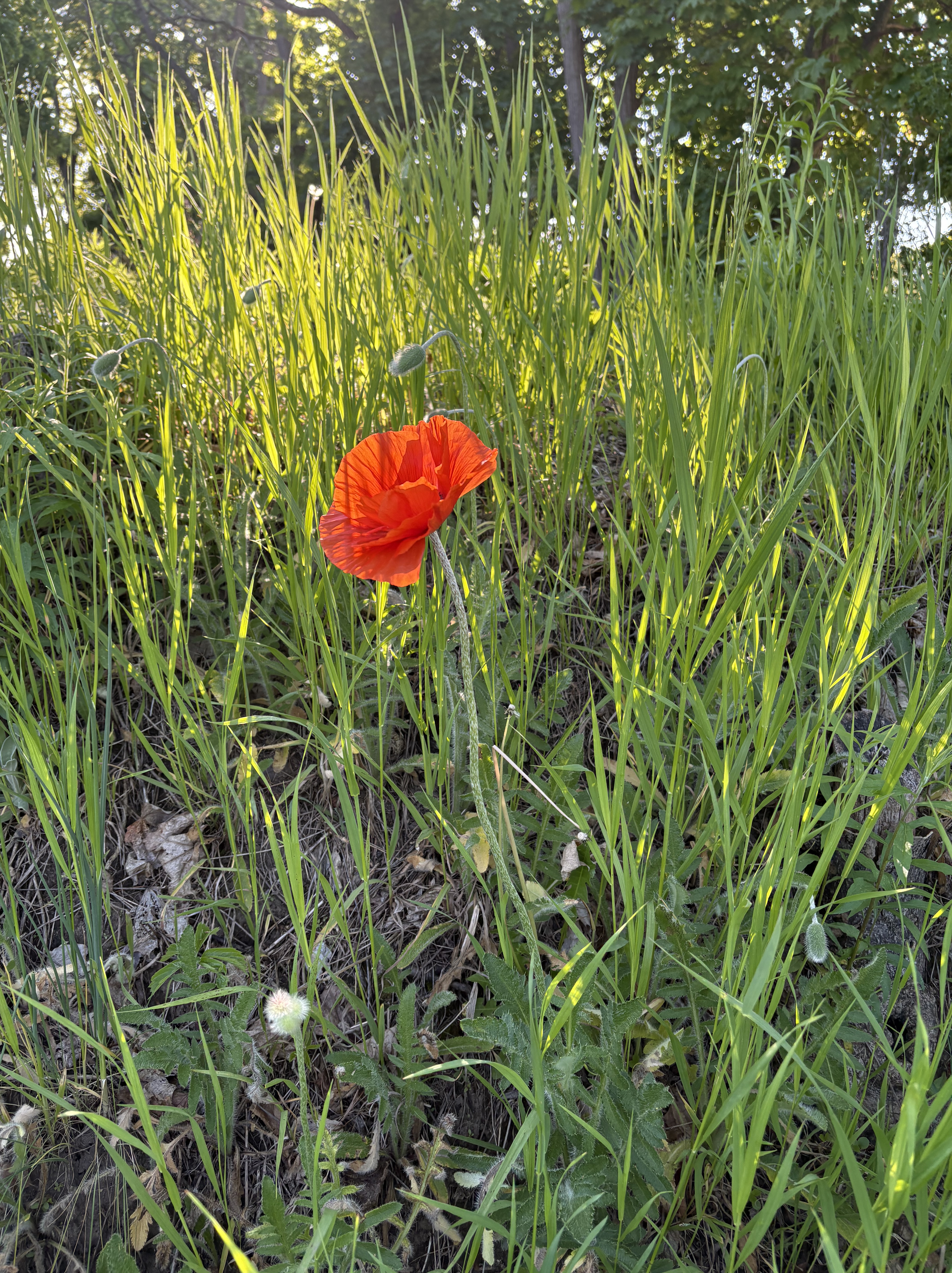
morning, out walking, seeing the sun hit just right, on this poppy
—
‘of all of the wonderful things in the wonderful universe,
nothing seems to me more surprising
than the planting of a seed in the blank earth and the result thereof.
take that poppy seed, for instance;
it lies in your palm, the merest atom of matter,
hardly visible, a speck, a pin’s point in bulk,
but within it is imprisoned a spirit of beauty ineffable,
which will break its bonds
and emerge from the dark ground
and blossom in a splendor so dazzling
as to baffle all powers of description. ‘
*Celia Thaxter
*Celia Thaxter,( 1835 – 1894) was an American writer of poetry and stories. For most of her life, she lived on the Isles of Shoales, a group of islands off the coasts of New Hampshire and Maine.
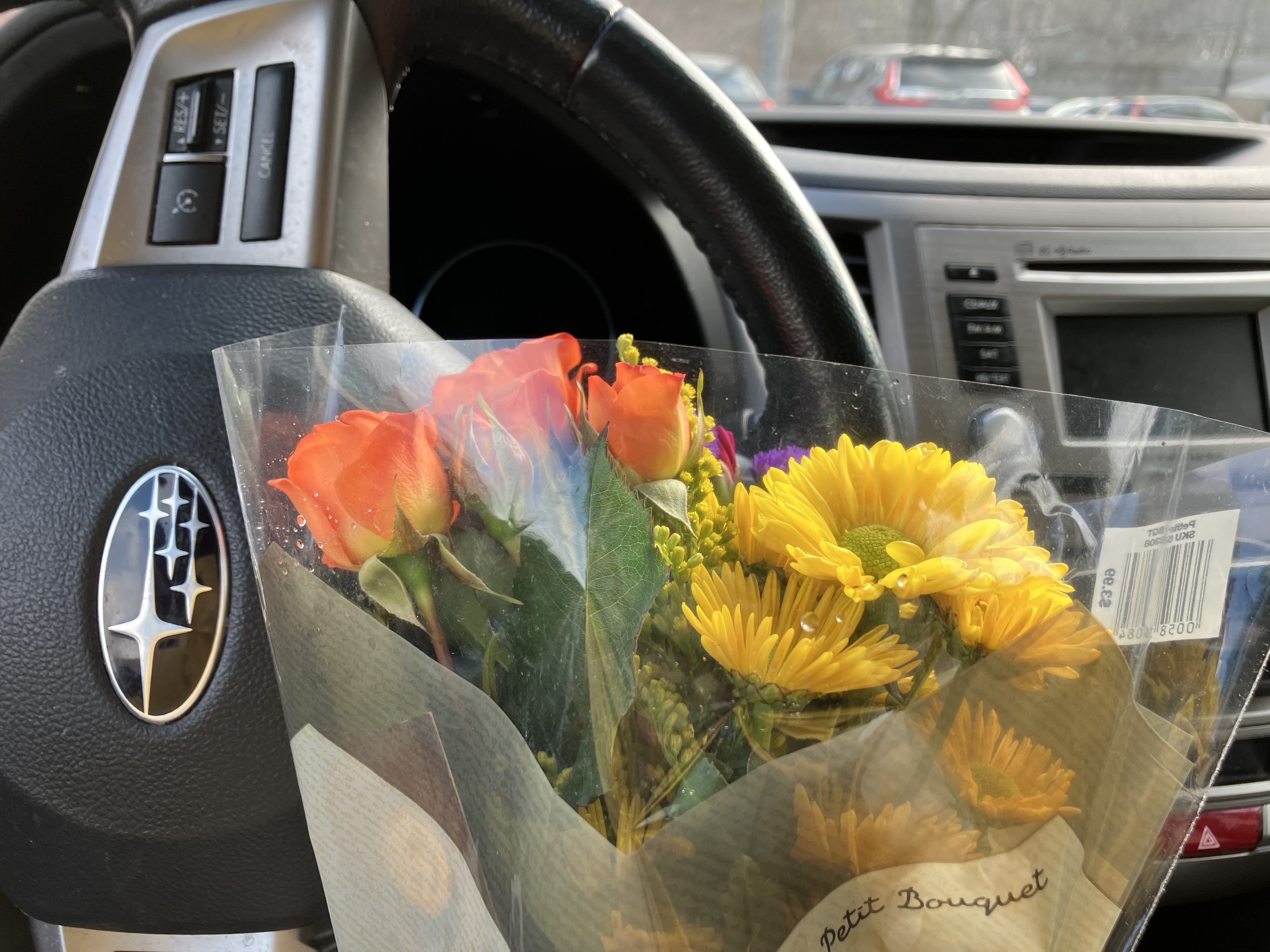
a delightful surprise
getting back into the car
thinking of my next stop
a gentle knock on my window
opened to hear a smiling stranger say,
‘i just wanted to give these to you, have a beautiful day.’
holding this lovely little bouquet
making my way back into the day
made all the sweeter with this gift.
—
“happiness held is the seed; happiness shared is the flower.”
– john arrigan
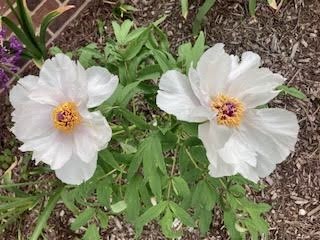
after 3 years
my little stick
left untouched
given time and space
has grown into
a baby peony tree
well worth the wait
for its very first bloom.
—
“in early june, the world of leaf and blade and flowers explodes, and every sunset is different.”
-john steinbeck
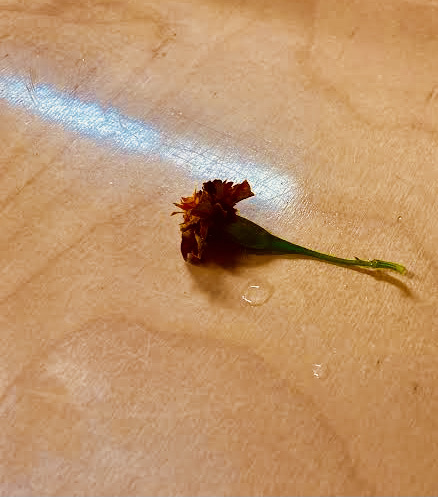
carried from home to school
clutched in chubby hand
tiny simple gift
brings precious beauty
to a teacher’s heart.
—
“sometimes, said pooh, the smallest things take up the most room in your heart.”
-a.a. milne – winnie the pooh
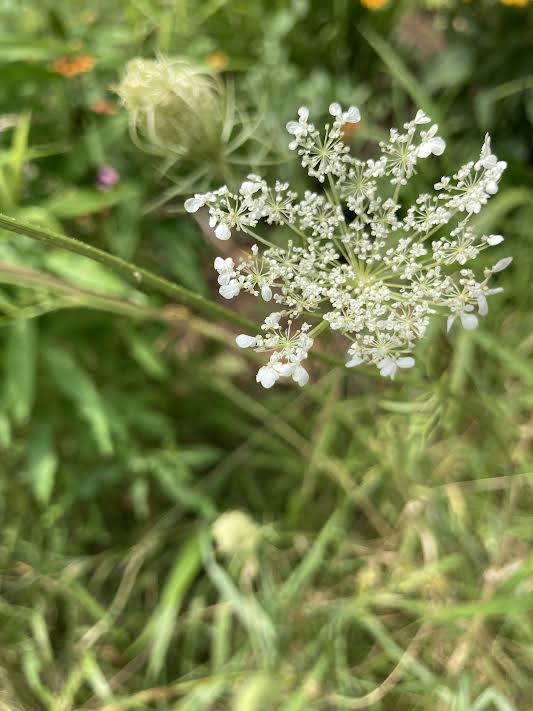
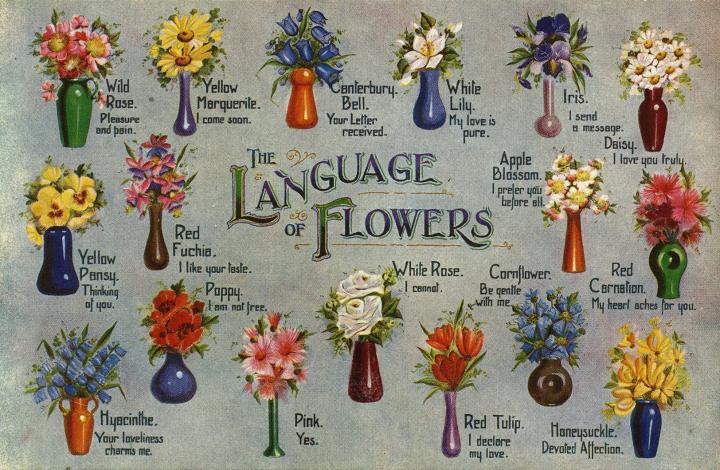
what is your favorite flower?
do you know what it’s saying?
THE HISTORY OF FLOWER MEANINGS – The Language of Flowers
The symbolic language of flowers has been recognized for centuries in many countries throughout Europe and Asia. They even play a large role in William Shakespeare’s works. Mythologies, folklore, sonnets, and plays of the ancient Greeks, Romans, Egyptians, and Chinese are peppered with flower and plant symbolism—and for good reason. Nearly every sentiment imaginable can be expressed with flowers. The orange blossom, for instance, means chastity, purity, and loveliness, while the red chrysanthemum means “I love you.”
FLOWERY LANGUAGE OF THE VICTORIAN ERA
Learning the special symbolism of flowers became a popular pastime during the 1800s. Nearly all Victorian homes had, alongside the Bible, guidebooks for deciphering the “language,” although definitions shifted depending on the source.
In the Victorian era, flowers were primarily used to deliver messages that couldn’t be spoken aloud. In a sort of silent dialogue, flowers could be used to answer “yes” or “no” questions. A “yes” answer came in the form of flowers handed over with the right hand; if the left hand was used, the answer was “no.”
Plants could also express aversive feelings, such as the “conceit” of pomegranate or the “bitterness” of aloe. Similarly, if given a rose declaring “devotion” or an apple blossom showing “preference,” one might return to the suitor a yellow carnation to express “disdain.”
How flowers were presented and in what condition were important. If the flowers were given upside down, then the idea being conveyed was the opposite of what was traditionally meant. How the ribbon was tied said something, too: Tied to the left, the flowers’ symbolism applied to the giver, whereas tied to the right, the sentiment was in reference to the recipient. And, of course, a wilted bouquet delivered an obvious message!
More examples of plants and their associated human qualities during the Victorian era include bluebells and kindness, peonies and bashfulness, rosemary and remembrance, and tulips and passion. The meanings and traditions associated with flowers have certainly changed over time, and different cultures assign varying ideas to the same species, but the fascination with “perfumed words” persists just the same.
—
There is a language, little known,
Lovers claim it as their own.
Its symbols smile upon the land,
Wrought by nature’s wondrous hand;
And in their silent beauty speak,
Of life and joy, to those who seek
For Love Divine and sunny hours
In the language of the flowers.
–The Language of Flowers, London, 1875
—
text credits: Old Farmer’s Almanac, Catherine Boeckmann
art credit: Illustrated postcard. Printed in England/The Regent Publishing Co Ltd.-Dumbarton Oaks Archives

*”tulips are the only flowers that continue to grow, up to an inch or more, after they’re cut.”
-sarah jio
i find it fascinating that they refuse to surrender so easily
even defiantly growing longer
and,
there’s science.
—
*Tulip stems do continue to lengthen once they’re snipped. That’s because the cells in their stems are particularly responsive to the plant hormone auxin, which causes them to elongate. Auxin also influences phototropism — the tendency of plants to grow toward light. – google
—
art credit: watercolor by vadim

flower and child
both in bud
soon to blossom.
—
“so much is in bud.”
-denise levertov
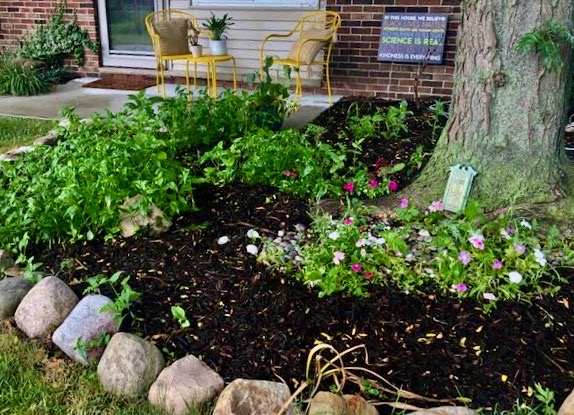
imagine my surprise
when coming home
noticing the landscapers
had mulched and manured and cleaned
my garden
but in doing so
had removed my garden vision
i’ve been nurturing for a while
a huge mix of wildflower seeds
a naturalized garden
most on the cusp of blooming
it was full and lush and green and tall with stems
so full of potential
the surprise beauty of new flowers
yet to be discovered
i’m sure they just saw weeds
were trying to help me by ‘cleaning it up’
leaving only what they recognized as flowers
i so appreciate all of their work
it’s clear we don’t share the same vision.
—
“man is the only critter who feels the need to label things as flowers or weeds.”
~author unknown
 I didn't have my glasses on....