The Aesthetics of Joy”: Designer Explains 10 Ways Our Surroundings Can Positively Influence Emotions

Walk into designer Ingrid Fetell Lee’s home in East Hampton, New York, and you may find yourself feeling lighter than you did a few minutes earlier. That’s because Lee has dedicated her career to exploring what she calls “the aesthetics of joy,” and her living space represents that work.
Lee first became interested in the emotions that certain colors, shapes, and other physical attributes evoke while earning her master’s in industrial design at the Pratt Institute — specifically, after presenting her first year-end review to faculty in 2008.
Sharing the story in a 2018 TED Talk, Lee describes hoping that the professors would recognize the effort she had put in to making her designs ergonomical, sustainable, and practical. “And I’m starting to get really nervous, because for a long time, no one says anything,” she recounted. “It’s just completely silent. And then one of the professors starts to speak, and he says, ‘Your work gives me a feeling of joy.’”
Surprised and a bit bewildered by the comment, Lee decided to investigate just why her work elicited the feeling of joy. She made the topic her thesis, spending an entire year studying it, and starting a blog to share her thoughts and findings. Nearly a decade later, she published Joyful: The Surprising Power of Ordinary Things to Create Extraordinary Happiness, and today, she teaches people how to adjust their environments to lead happier, healthier lives.
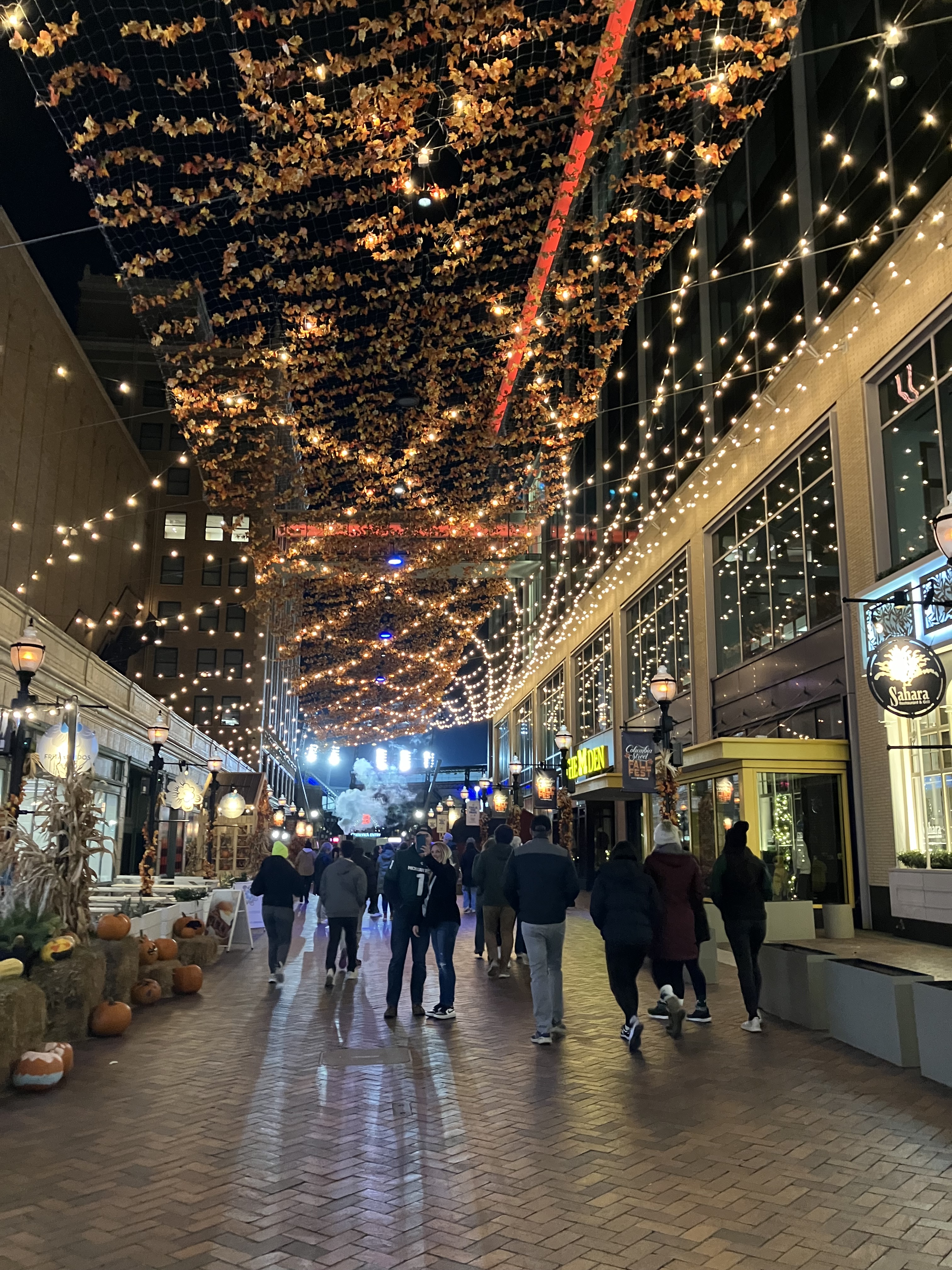
Lee’s research led her to identify 10 aesthetics of joy: energy, abundance, freedom, harmony, play, surprise, transcendence, magic, celebration, and renewal. Each is defined by a number of other attributes. Energy, for example, is derived from the use of color and light. In her book, Lee points out that research has shown that increasing exposure to sunlight is associated with reduced blood pressure and improved mood, alertness, and productivity.
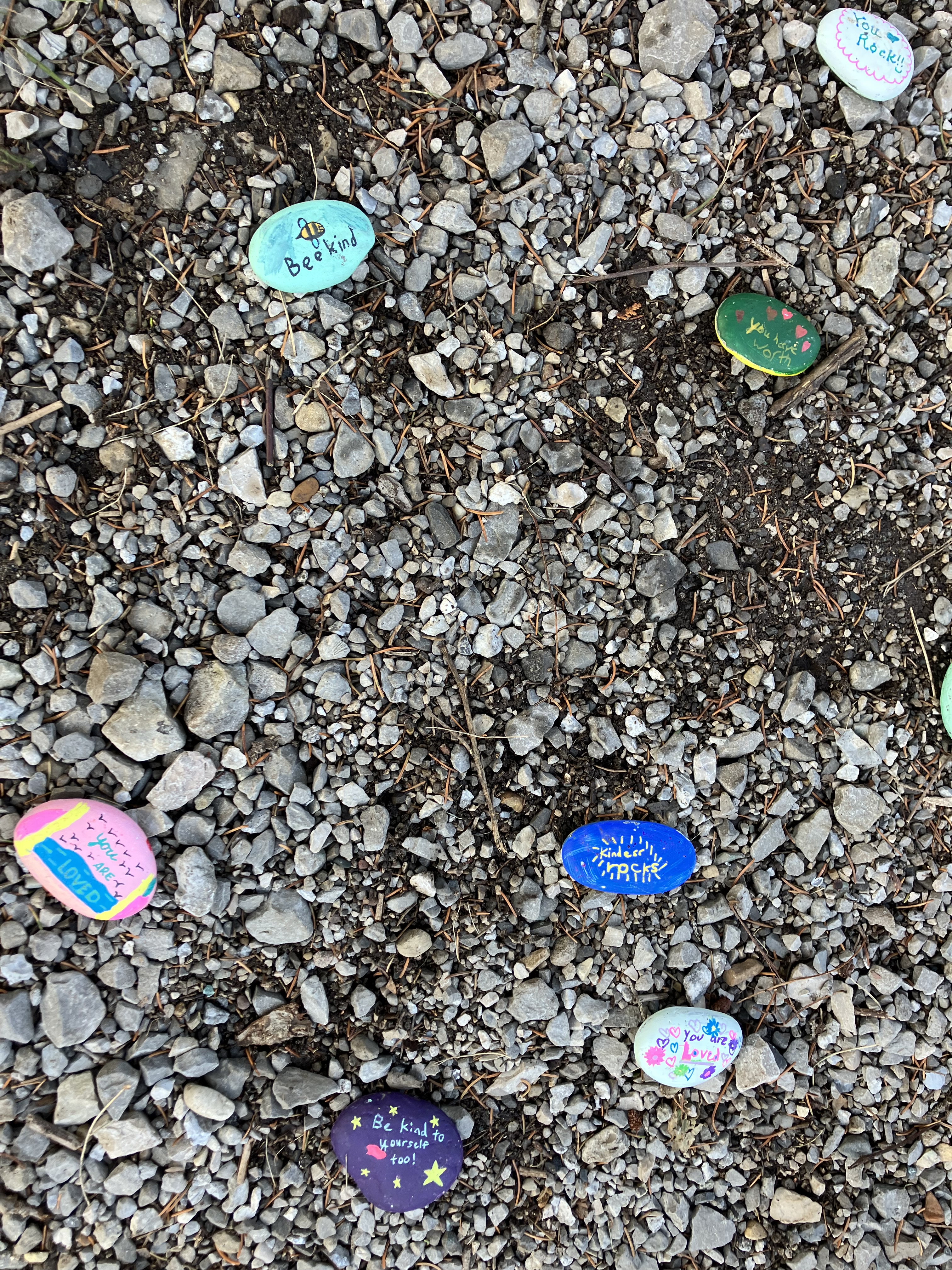
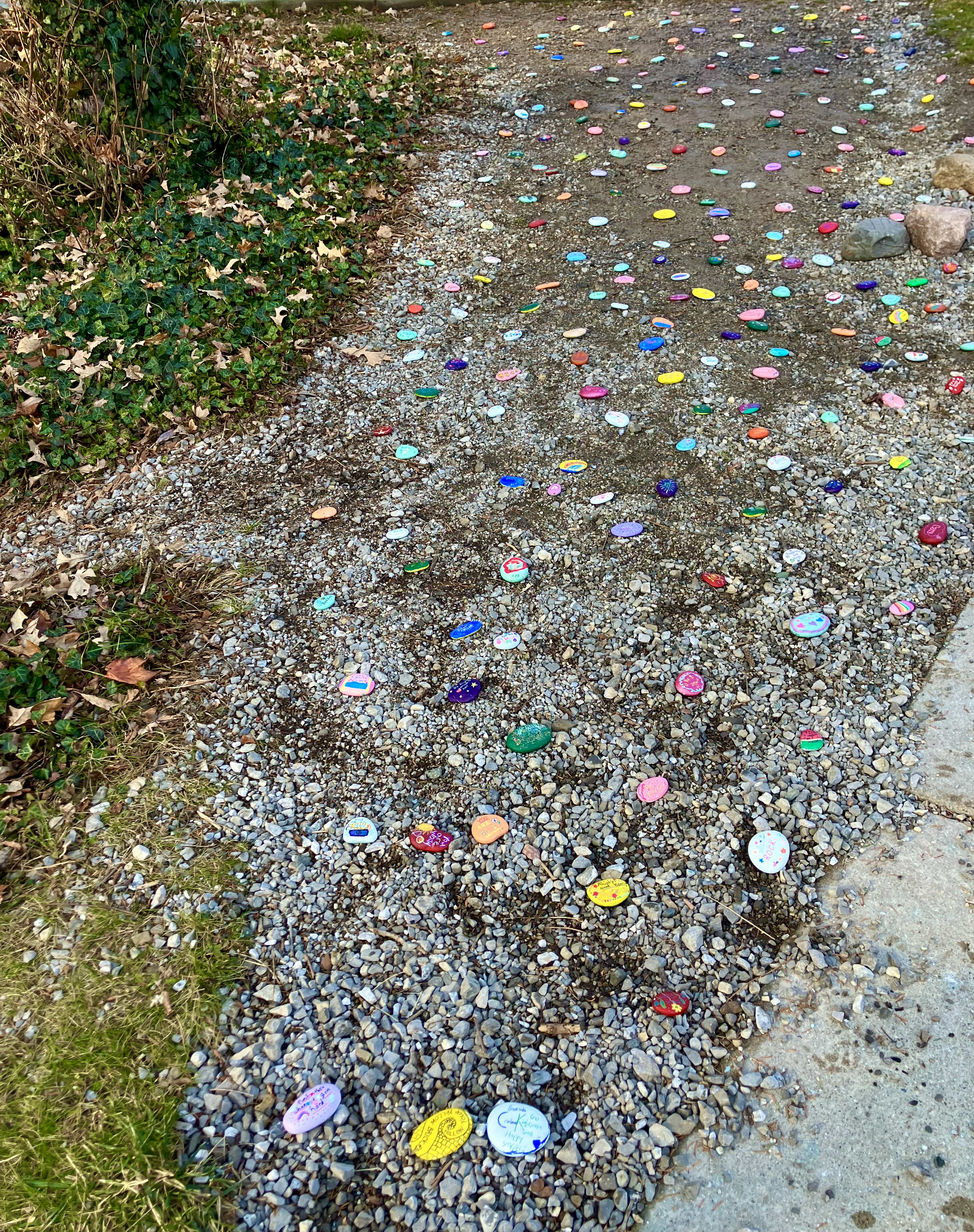
Harmony as an aesthetic is represented by symmetry, flow, and a sense of order, while play incorporates circles, spheres, and bubbly forms. Abundance involves lush textures and layers; freedom comes from nature, wildness, and open spaces; and celebration incorporates synchrony, sparkle, and bursting shapes.
Different people connect to different aesthetics, and all 10 aren’t meant to be incorporated into one room or living space. “The aesthetics of joy are a lens for decor, but they’re also a lens for viewing the world,” Lee explained. “And what I think can be really helpful, before you even do anything in your home, is to start to practice.”
She recommends treating the aesthetics like a scavenger hunt as you go about your day-to-day, whether you’re walking around your neighborhood, staying in a hotel on vacation, or visiting a friend’s house.
“I call it ‘joyspotting’ You just start to notice what aesthetics are in a place,” she said, adding that when you find yourself somewhere that makes you feel good, you should try asking yourself why it does. “The first step is just starting to understand which aesthetics you find yourself gravitating toward over and over again. Is it the wide open spaces of freedom and the natural textures in the plants? Or is it a sense of abundance where you find yourself really drawn to layers and textures and different textiles and polka dots and a sense of sensory abundance?
The idea of enotional design, or designing for emotions, can not only transform individual residences, but also public spaces, like schools, hospitals, and housing projects. Lee points out that for years, people have advocated for — and seen results from — changing how those types of environments look, but the science behind it was formerly scattered across various disciplines. Her book compiles much of that research into one guide.
“I think it was helpful to have a body of research for the first time that demonstrates that this is real and meaningful and valuable,” she said. Though the idea hasn’t been totally embraced by the mainstream yet, it may have the potential to positively inform public policy in the future.
—
“find out where joy resides, and give it a voice far beyond singing.
for to miss the joy is to miss all.”
-robert lewis stevenson