Tag Archives: museums

‘i am a museum of everything i’ve ever loved.’ – author unknown

Standard

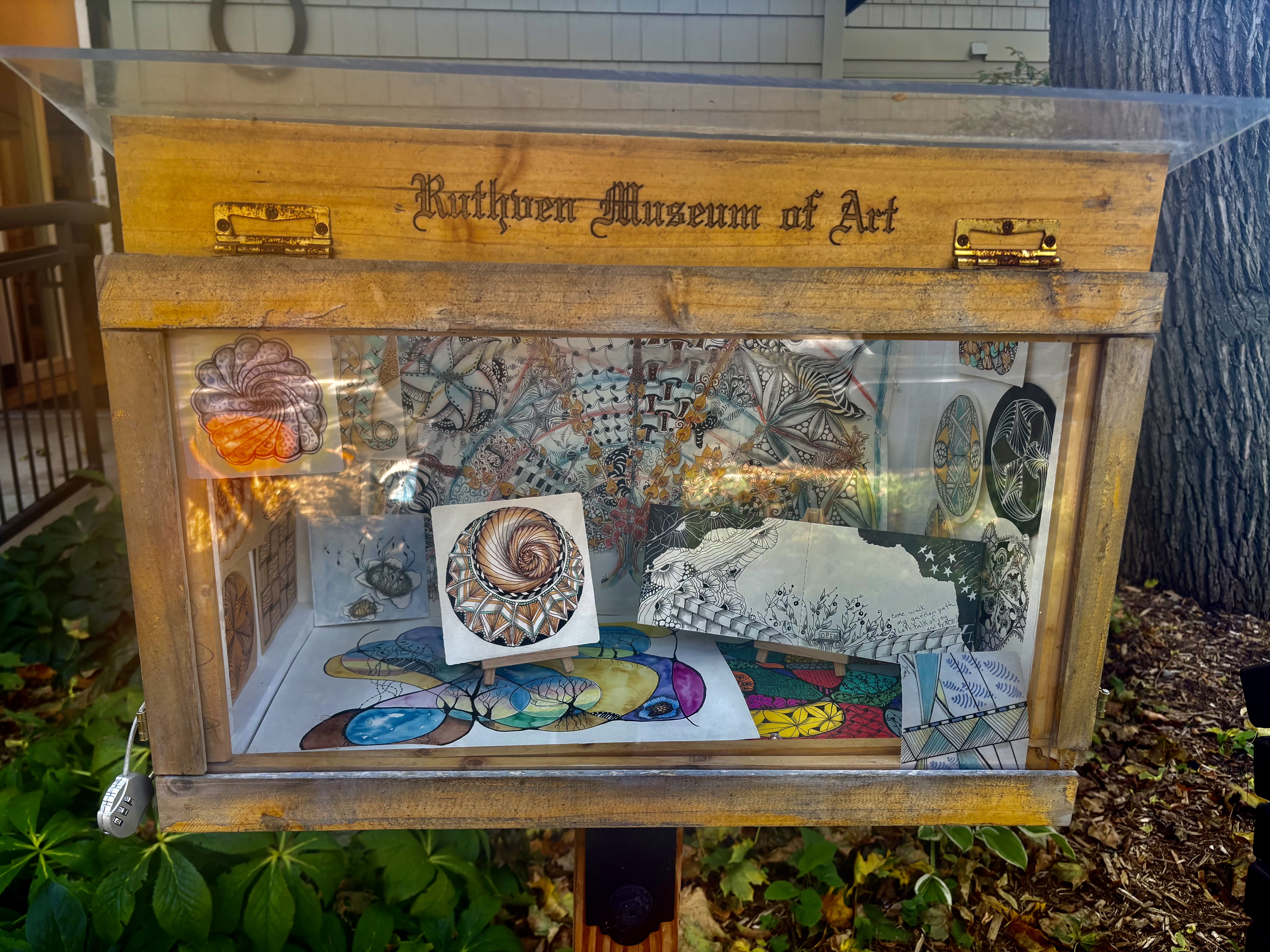
what a wonderful tiny museum

dedicated to the man

who ran all the big museums

—

Alexander Grant Ruthven (1882–1971) was a prominent zoologist, herpetologist, and the 7th President of the University of Michigan, serving for 22 years from 1929 until his retirement in 1951.

He earned his Ph.D. in zoology from the university in 1906, specializing in herpetology and became the chairman of the Zoology Department. He founded a new U.S. school of herpetology and described 16 new reptile species. Before becoming president he served as Director of University Museums (Museum of Natural History, and the Museums of Anthropology, Zoology, and Paleontology) and led many research and scientific expeditions. As president, he guided the university through the Great Depression and World War II. Upon retirement, he wanted to be called “Sandy,” live a relaxing life, and moved to northern Michigan. His name is preserved on campus buildings and institutions, and an Ann Arbor city park.


—

‘how does one measure the success of a museum?’

– J. Paul Getty

—

Tiny Ruthven Museum of Art, Burns Park, Ann Arbor, USA, October, 2026


—

Source credits: Ann Arbor News, 1951, Wiki
smithsonian.

Standard

Happy Birthday, Smithsonian!

The Smithsonian was officially created on August 10, 1846,

and one of the first things on the to-do list was constructing a building.

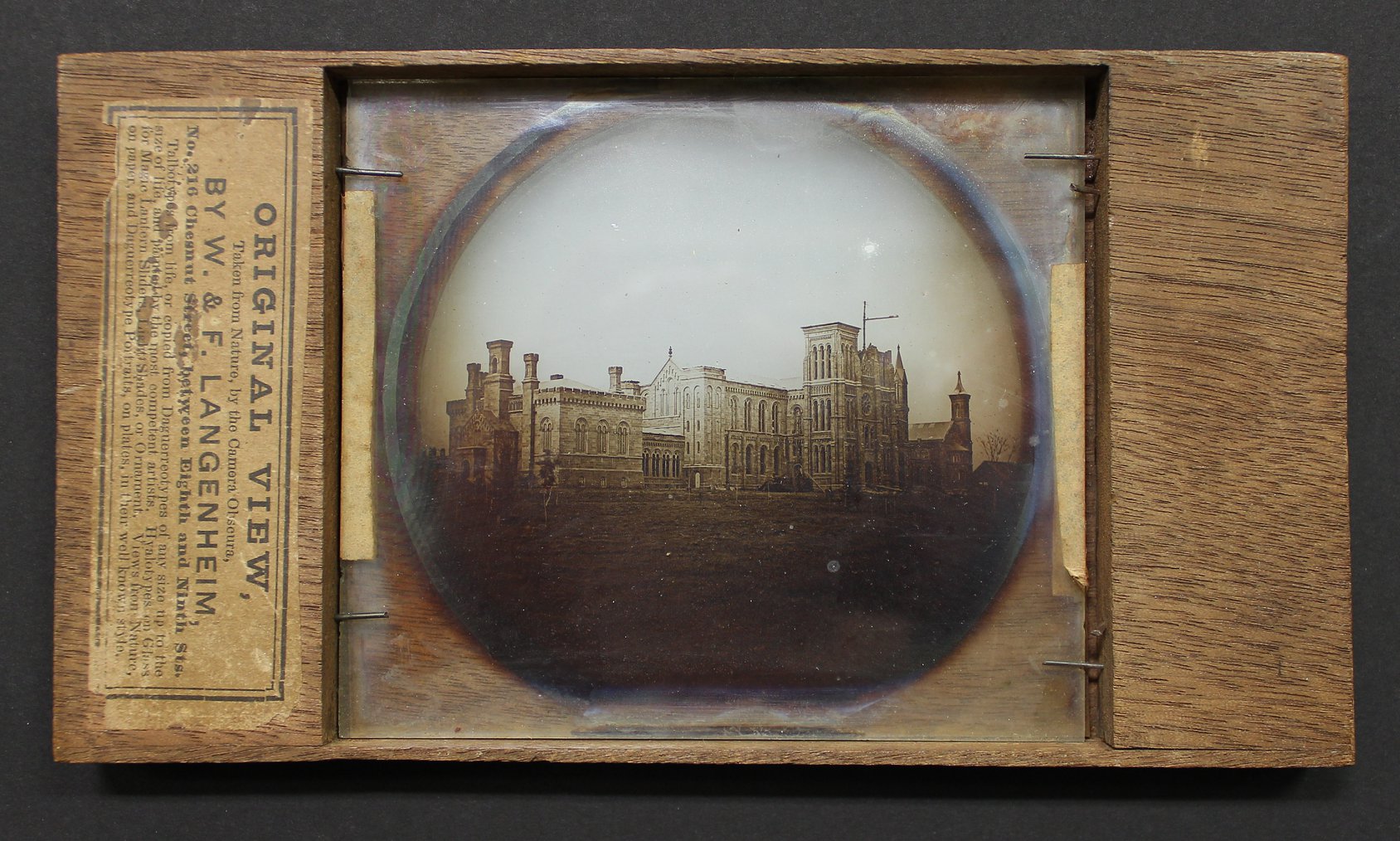
The 1850 glass lantern slide above

is the earliest-known photo of the Smithsonian Institution Building,

known as the Castle, and the only image of it under construction.

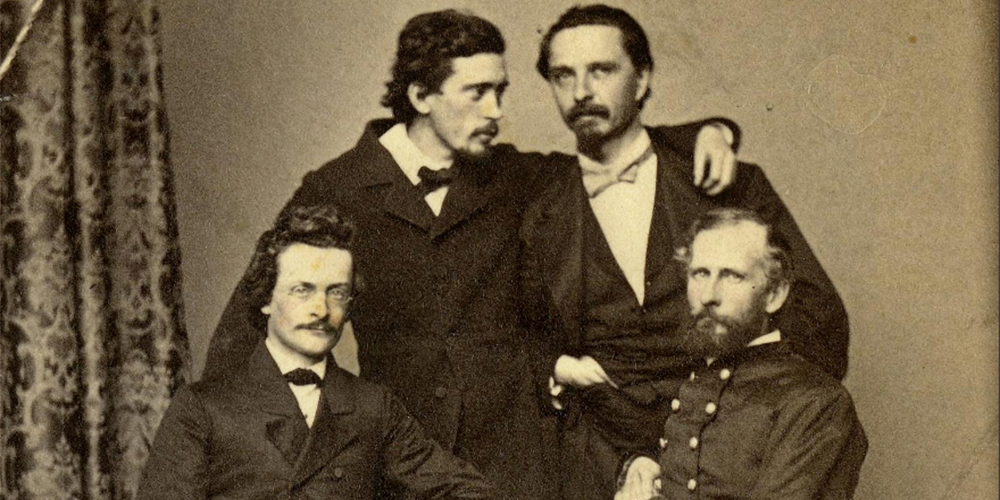
Smithsonian Explorers, c. 1862-63, Smithsonian Institution Archives

From the enchanting to the eccentric, the Smithsonian has an extremely rich past. There was even a group of rowdy scientists who used to live in the Smithsonian Castle. In 1857, a zoologist named William Stimpson formed a club of young naturalists aiming to build the Smithsonian’s collection. Their meetings were held in the Smithsonian Castle, and many of the members lived there.

Stimpson named the group the Megatherium Club, after the giant extinct sloth that once roamed South America. Over the years, the club developed somewhat of a rambunctious reputation among neighbors (they were known to drink beer late at night, and had sack races down the Castle halls). They called themselves “great beasts,” much like the sloth that they named themselves after.

Despite their mischief, these men were a dedicated group of naturalists, and we owe them a great deal for contribution their descriptions, classifications and specimens to American science, the Smithsonian, and many other institutions in the U.S.


—

“science doesn’t have all the answers,

but it is good at spotting the important questions

when they are camouflaged against a background of common sense.”

-richard dawkins


—

 credits: smithsonian museums, smithsonian institution archives, smithsonian magazine