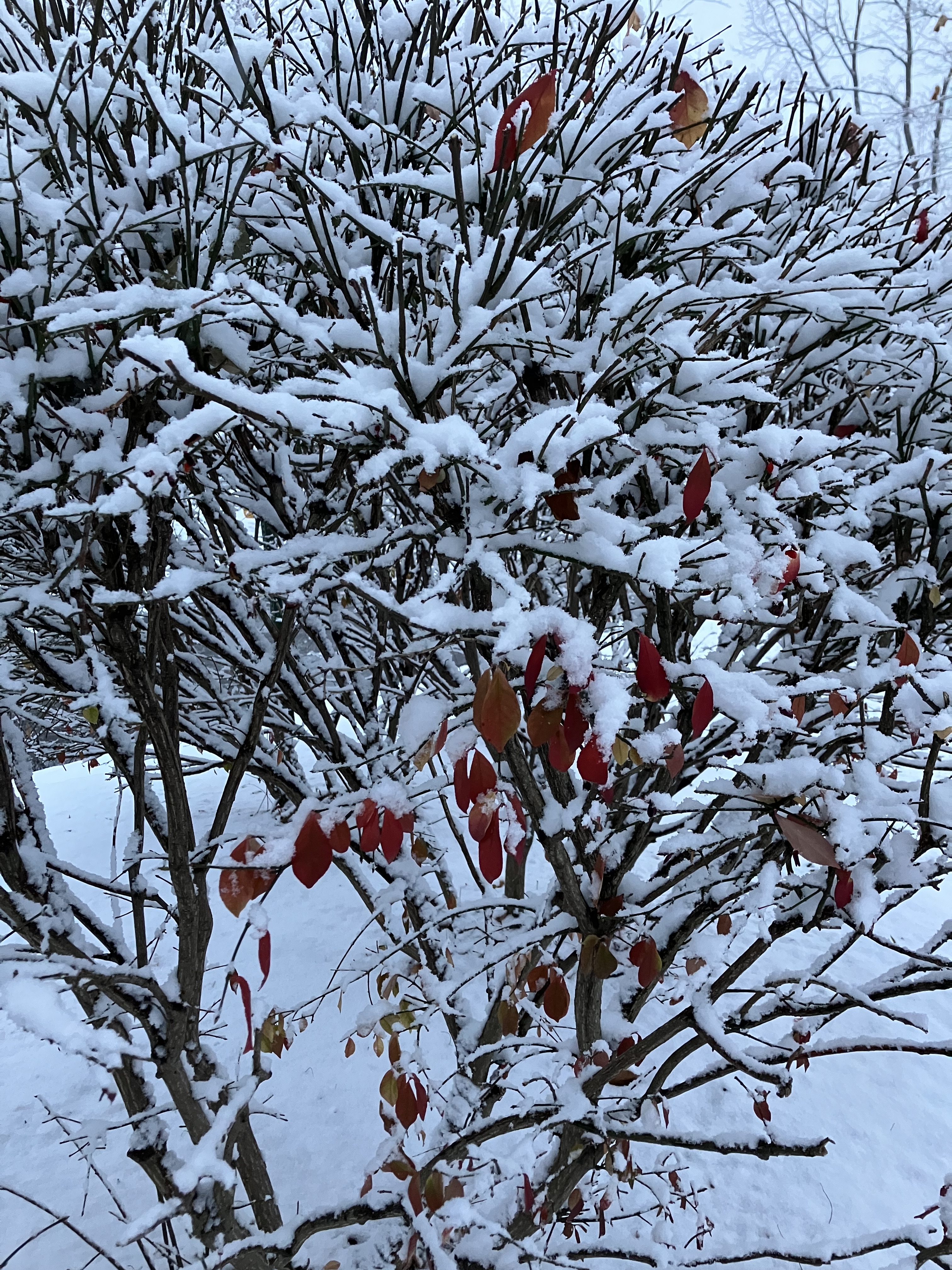
here comes the snow, tiptoeing in –
the beginning of a very long season ahead
—
“the beginning is always today.”
-mary shelly, author of frankenstein
here comes the snow, tiptoeing in –
the beginning of a very long season ahead
—
“the beginning is always today.”
-mary shelly, author of frankenstein
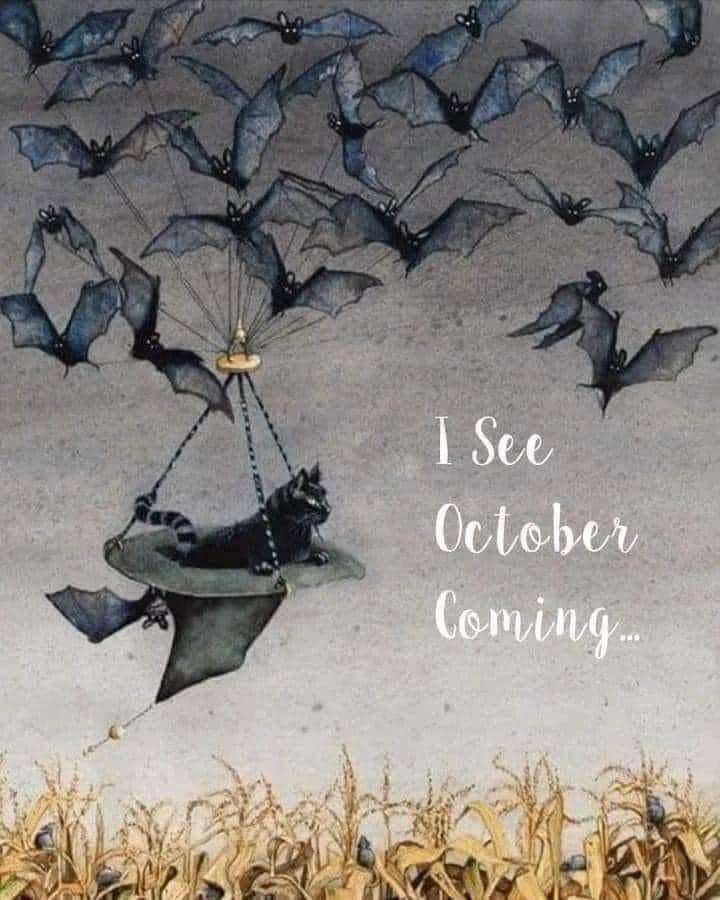
september has just flown by
—
“october is a symphony of permanence and change.”
-bonaro w. overstreet
—
image credit: pinterest

walking in sedona in the early morning on the first day of autumn
—
“and all the lives we ever lived, and all the lives to be, are full of trees and changing leaves…”
-virginia woolf, to the schoolhouse
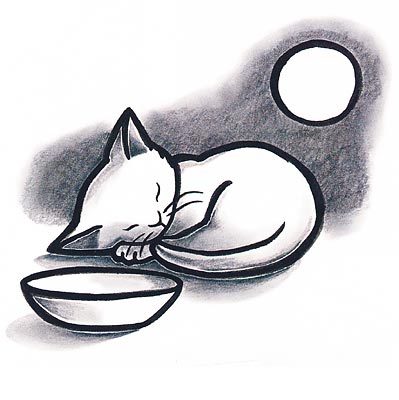
“that august time it was delight. to watch the red moons wane to white.”
-algernon charles swinburne
—
image credit: *kevin henkes, ‘kitten’s first full moon’
*one of my fav authors/illustrators of children’s books

exploring saginaw forest
—
“july is a blind date with summer.”
*-hal borland
*Harold “Hal” Glen Borland was an American writer, journalist and naturalist. In addition to writing many non-fiction and fiction books about the outdoors, he was a staff writer and editorialist for The New York Times
1900 – 1978
—
summer 2023, ann arbor, michigan, usa

Midsummer or Estival Solstice is the 1st day of summer when the sun reaches the highest point in the sky.
The term solstice is derived from the Latin words Sol (sun) and Sistere (to stand still) because the sun’s position at noon does not appear to change much during the solstice and the surrounding days, unlike at other times where the Earth’s tilt causes the sun’s path to rise and fall from one day to the next.
—
“this is the solstice,
the still point of the sun, its cusp and midnight,
the year’s threshold and unlocking,
where the past lets go of and becomes the future;
the place of caught breath, the door of a vanished house left ajar…”
― margaret atwood
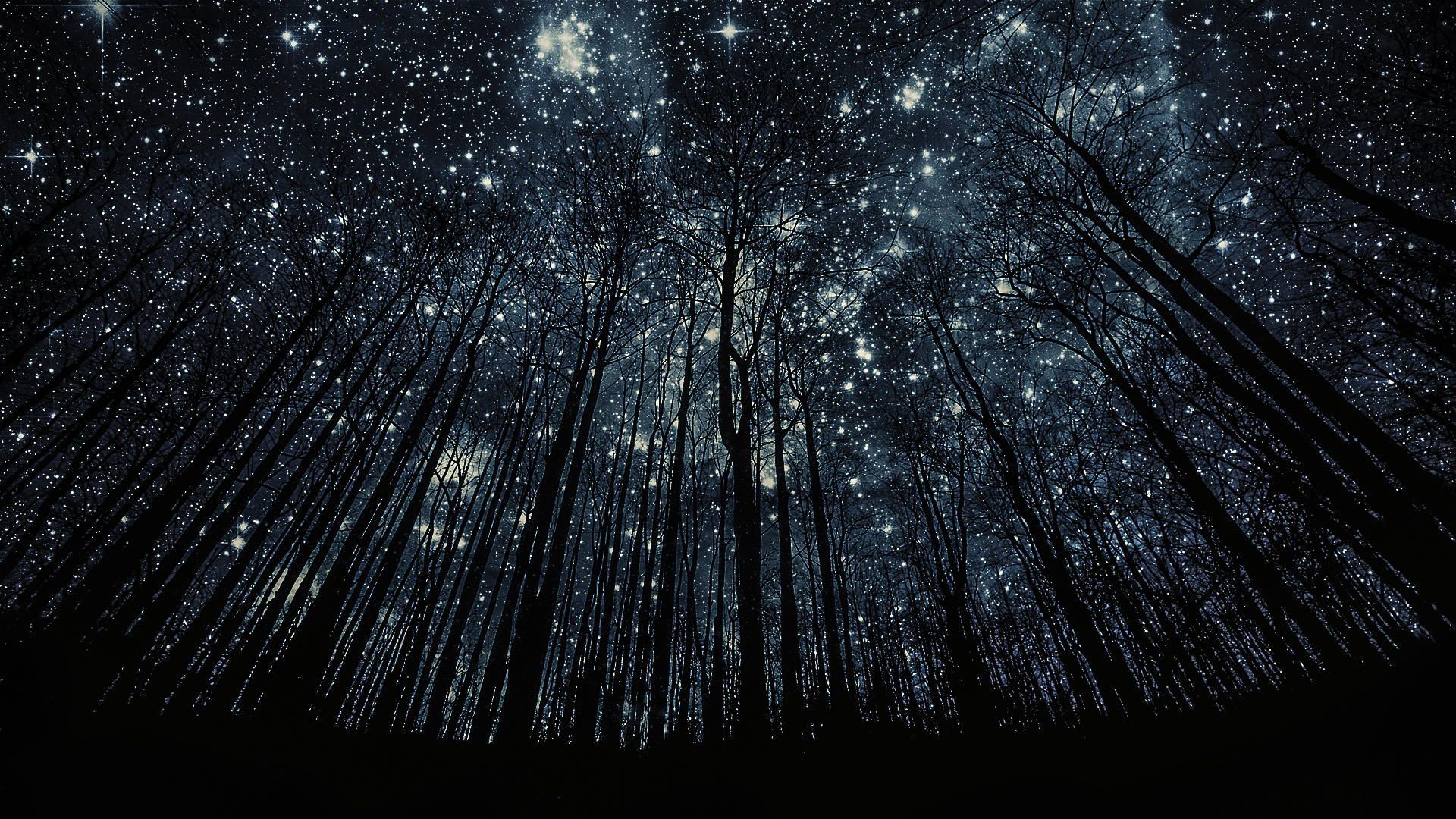
and yet again
we find ourselves caught up
in the dance
of ‘daylight savings time’
as we
readjust once more
are we early
are we late
are we on time
whose time are we on
no one is quite sure.
—
“the trouble is, you think you have time.”
-buddha
—
image credit: ‘silhouettes’ by harry finder
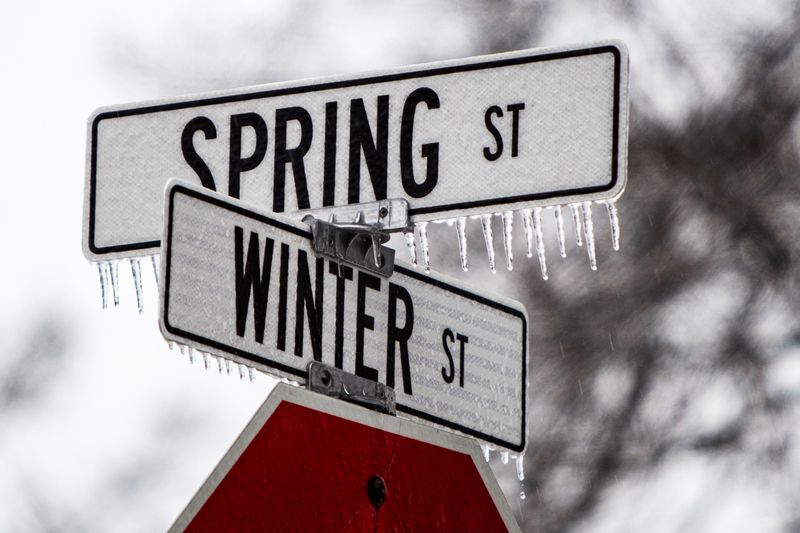
march arrives and mother nature sits undecided
—
“the seasons change their manner,
as the year had found some months asleep and leapt them over.”
-william shakespeare
—
ann arbor, mi, usa – march 2023 – mlive photo credit
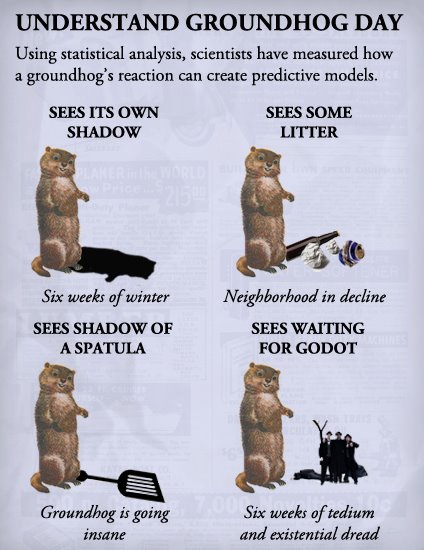
happy groundhog day – at last it all makes sense!
—
image credit: quotesgram
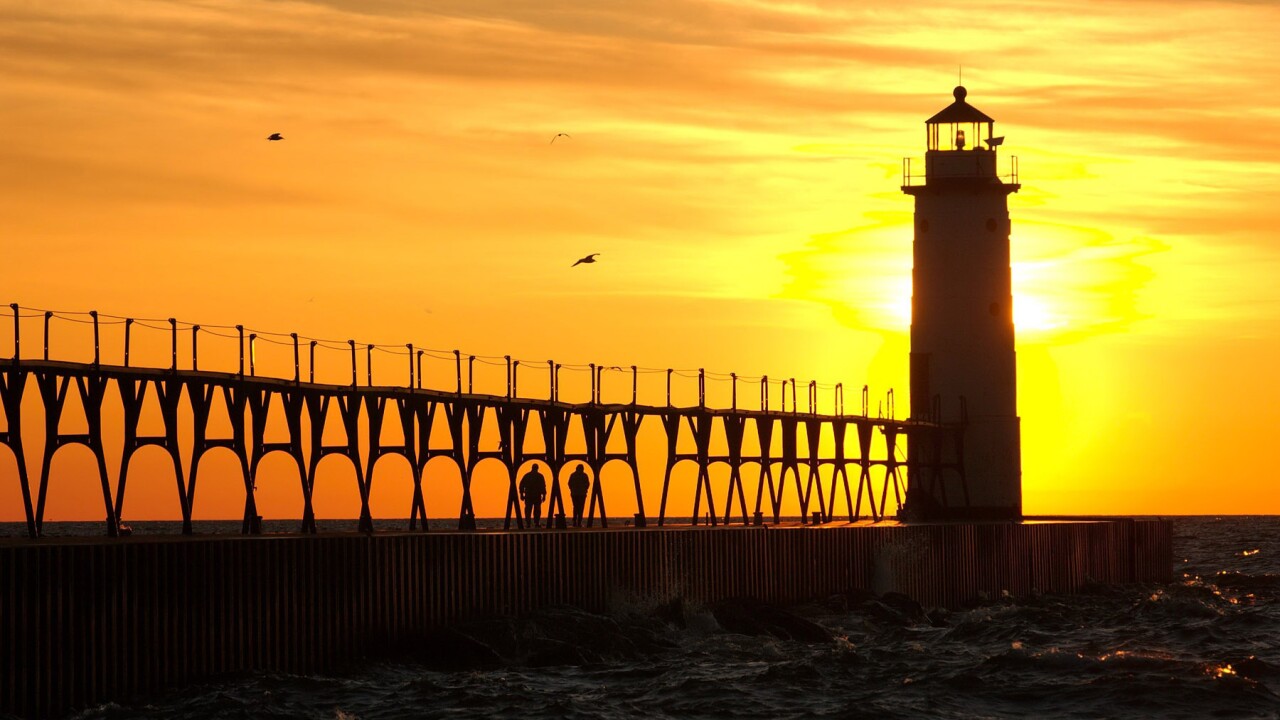
north manistee, michigan lighthouse pier
As days drag on and the sun still sets relatively early, you may be left wondering are the days truly getting longer? The short answer is, yes. But only by a few minutes. Each day in January we average an extra 2 minutes from the day prior.
By the end of February, we can expect an additional two hours and 30 minutes. February 28’s sunrise is at 7:20 A.M. And the sunset is at 6:30 P.M. The first 6 o’clock sunset of the year arrives on February 5.
As we ease closer to our longest day, June 21, we’ll gain an additional 6 hours and 41 minutes of daylight. The longest day of the year, the summer solstice on June 21, is 15 hours and 21 minutes long.
We’re on our way!
—
“run for daylight.”
-vince lombardi
—
credits: wxyz-tv detroit, isabella hulsizer, photo: john l. russell
 I didn't have my glasses on....