Monthly Archives: August 2018

mixing it up.

Standard

something tells me that

perhaps the wrong cat

drank the rescue remedy calming drops

from the water bowl.

one is facedown in a bowl of seashells

while the other, (my intended target)

is busy outside

standing up on two feet

looking in at me through the window

and meowing loudly.

“mixing one’s wines may be a mistake, but old and new wisdom mix admirably.”

-bertolt brecht

what say you?

Image

midnight.

Standard

floating on the lake at midnight in the quiet air


“there is a budding tomorrow in midnight.”

– john keats


irish hills, michigan, usa – summer 2018

fine.

Standard

i’ll have to take her/his word for it.

(the quote below is more my approach to fine.)

‘Imperfection is fine.”

-anna wintour

soul.

Standard

aretha performs ‘spirit in the dark’ at the fillmore west – 1971

motown and the whole world will miss you.

walk on.

Standard

dear friends, j and b, walk in michigan

getting ready for the big walk.

they leave tomorrow –

i wish them both the best of luck on their journey

 and look forward to their tales from along the way

knowing they will return somehow changed forever.

the portuguese way/caminho português

The Portuguese Way (Spanish: Camino Portugués, Portuguese: Caminho Português) is the name of the Way of St. James pilgrimage routes starting in Portugal. It begins at Porto or Lisbon. From Porto, pilgrims travel north before entering Spain and passing through Padron on the way to Santiago de Compostela.

The Portuguese way is 227 km long starting in Porto. The way from Porto was historically used by the local populations and by those who arrived in the local ports.

In the contemporary period, most pilgrims are foreigners, and of the total number reaching Galicia between January and October  2017, only 4.27% were Portuguese. Roughly 30,000 pilgrims per year walk this path.

Arrival of queen Elizabeth of Portugal to Santiago de Compostela, after finishing the Portuguese Way around 1325, after the death of her husband, Denis of Portugal.


“a path is a prior interpretation

of the best way to traverse a landscape.” 

 -rebecca solnit, Wanderlust: A History of Walking


credits: wikipedia

how hot is it?

Standard

my candle quietly answers the question. 


“what dreadful hot weather we have!

it keeps me in a continual state of inelegance.”

-jane austen


bogo.

Standard

looks like it’s buy one, get one free day.

i’ll take two. 

“i have enough money to last me the rest of my life unless I buy something.”

-jackie mason 

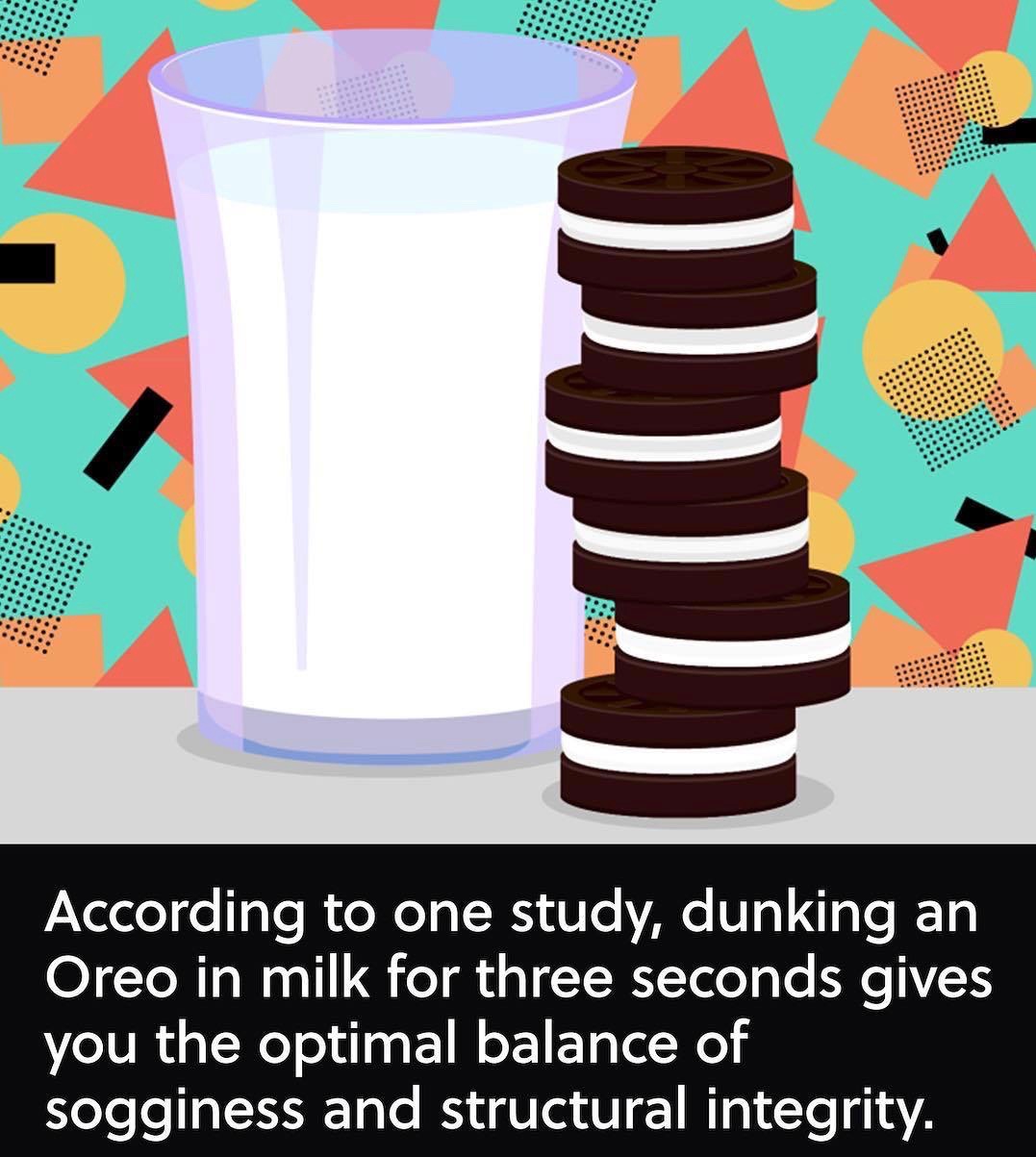
the math and science of oreos.

Standard

“researchers in the u.k. have developed

a vegetable called ‘super broccoli’

designed to fight heart disease.

not to be outdone,

researchers in america have developed

a way to stuff an oreo inside of another oreo.”

-jimmy fallon


smithsonian.

Standard

Happy Birthday, Smithsonian!

The Smithsonian was officially created on August 10, 1846,

and one of the first things on the to-do list was constructing a building.

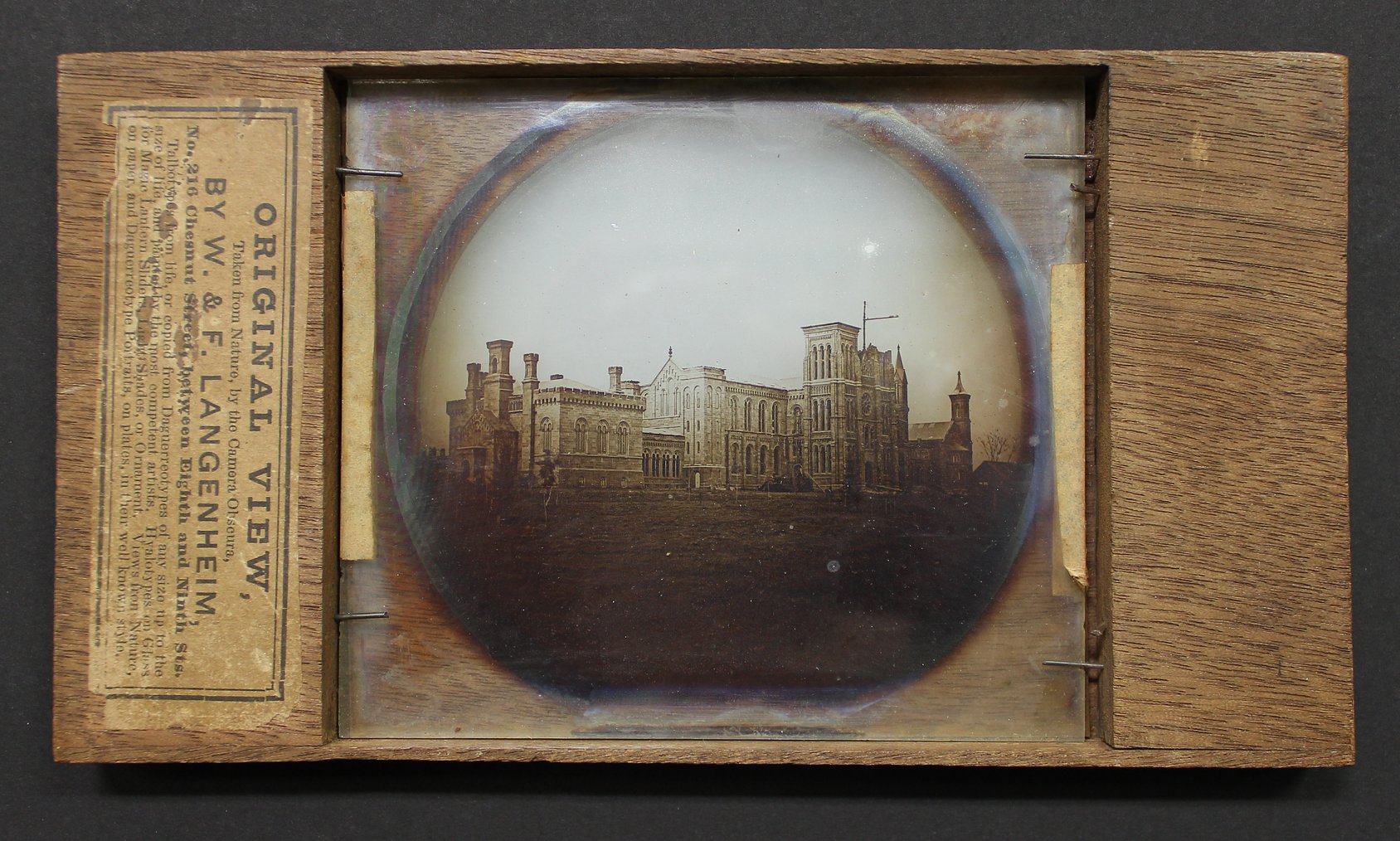
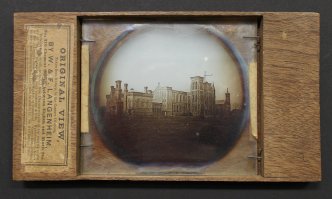
The 1850 glass lantern slide above

is the earliest-known photo of the Smithsonian Institution Building,

known as the Castle, and the only image of it under construction.
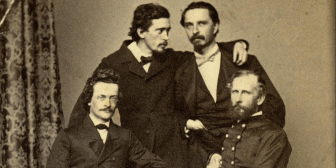
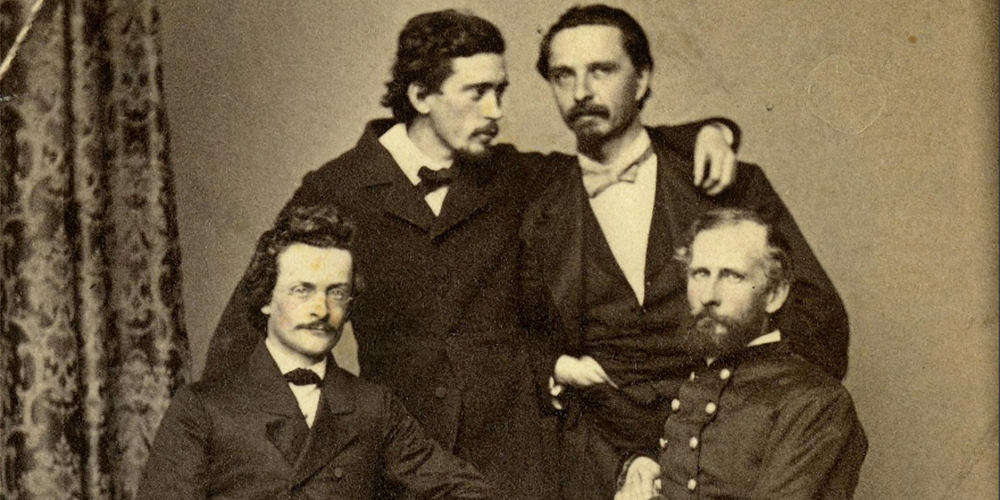
Smithsonian Explorers, c. 1862-63, Smithsonian Institution Archives

From the enchanting to the eccentric, the Smithsonian has an extremely rich past. There was even a group of rowdy scientists who used to live in the Smithsonian Castle. In 1857, a zoologist named William Stimpson formed a club of young naturalists aiming to build the Smithsonian’s collection. Their meetings were held in the Smithsonian Castle, and many of the members lived there.

Stimpson named the group the Megatherium Club, after the giant extinct sloth that once roamed South America. Over the years, the club developed somewhat of a rambunctious reputation among neighbors (they were known to drink beer late at night, and had sack races down the Castle halls). They called themselves “great beasts,” much like the sloth that they named themselves after.

Despite their mischief, these men were a dedicated group of naturalists, and we owe them a great deal for contribution their descriptions, classifications and specimens to American science, the Smithsonian, and many other institutions in the U.S.


“science doesn’t have all the answers,

but it is good at spotting the important questions

when they are camouflaged against a background of common sense.”

-richard dawkins


 credits: smithsonian museums, smithsonian institution archives, smithsonian magazine