

—
grawlix | noun |
a series of typographical symbols (such as $#!) used in text as a replacement for profanity
– thank you to the Merriam-Webster Dictionary

—

when approaching a yellow light
i generally slow down and stop
but during those situations when it’s unsafe to stop
it’s safer to speed up and drive through
i recently noticed
that when accelerating under the light
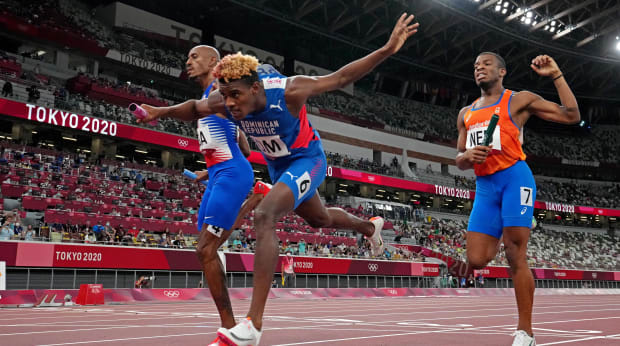
i lean into it, with my head forward
i’m not exactly sure how or why i started doing this
it’s as if i was crossing a finish line in an very important race
and i just needed that extra few inches.
is it just me?
am i drafting the wind?
is it making my car accelerate faster?
is it my defense when i get pulled over?
“officer, my head was over the line when the light changed, you can check your dashcam to confirm.”
—
image credits: department of motor vehicles, sports illustrated – tokyo olympics
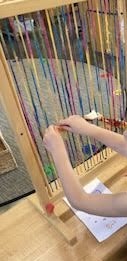
we are learning and doing so many new things:
how to weave

how to be very gentle with a rescue mini pony
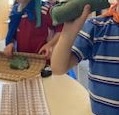
how to make veggie sushi
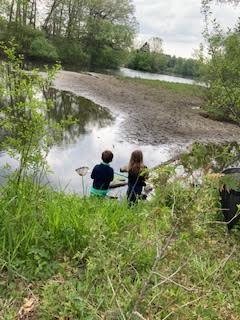
how to catch frogs
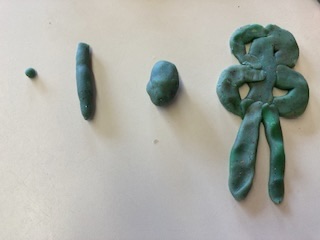
how to create the life cycle of a butterfly
and tomorrow, anything is possible…
—
“curiosity for children is but an appetite for knowledge.”
-john locke

in the last 15 minutes of my weights/strength class
a hybrid mix of
people in the gym
and
people at home
someone felt compelled
to become the new center of attention
by jumping on the equipment
right behind the trainer
who was teaching live
she did not appear to be thrilled
with his spontaneous performance
but i did workout my abs with such a good laugh.
—
“i don’t like to be center of attention, except for when I want to be the center of attention.”
-trisha paytas


“Thank you for being so passionate and proactive about your community!” the response letter states. “When you’re old enough, you should consider working for the city to continue making it a great place to live. Sincerely, City Sidewalk Repair Program.”
Dahlia, the daughter of Kelly and Matt, said in her note to the ‘Sidewalk People” last week that she was devastated when she saw the slab was marked for replacement.
“You see, the heart is not just a heart,” she wrote. “Ever since I was little, I said hi to the heart. Don’t you see how much it means to me? Every time I pass the heart, I say hi and it brings me joy.”
Anyone else who wants to say hi to the heart now can find it along the east side of Seventh Street across from Waterworks Park between Murray Court and Washington Street.
—
“kind words do not cost much, yet they accomplish much.”
-blaise pascal
—
source credit: ryan stanton, mlive, ann arbor news
“Dear Sidewalk People.”
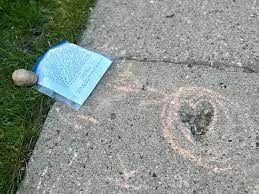
That’s how 9-year-old Dahlia started her handwritten note placed under a rock along a city sidewalk hoping to get the attention of Ann Arbor’s crews slated to replace the slab she holds dear due to a distinctive feature.
This sidewalk has a heart.
“There is a heart in this block, and as me and my mom were walking home from school, we saw that there was an ‘R’ on the block that the heart is on,” reads the girl’s note, placed next to where she made a heart-shaped chalk outline around a small cavity in the slab the city has marked with an R to replace.
“You see, the heart is not just a heart,” wrote Dahlia, “Ever since I was little, I said hi to the heart. Don’t you see how much it means to me? Every time I pass the heart, I say hi and it brings me joy.”
Her father confirmed his daughter indeed says “hi, heart” every time she passes it. When she heard the city was going to replace the slab with the heart, Dahlia said she was devastated and cried.
“So can you please leave it or at least cut around the heart, for me to pick up on my way to school,” she wrote, ending her note by thanking the city’s repair crews for their work to keep sidewalks safe and encouraging them to give her note an extra read so it makes sense.
A spokesperson for the city’s public services unit did not have an immediate response on whether the sidewalk slab could be saved or whether the heart-shaped part could be salvaged for Dahlia to take.
While Dahlia really wanted to keep the heart sidewalk, her father said the family understands the need to fix it so people don’t trip and has talked with her about it.
“We compared it to the Halloween pumpkin she really loved and wanted to keep,” he said. “We told her we could keep it, but we could watch how when a pumpkin dies it helps nature by becoming part of something new.”
In that case, they put the pumpkin in their garden and Dahlia visited it every day and watched it decay, and in the spring she watched as flowers sprung up. She got to see her pumpkin again in the form of flowers.
As for her well-crafted sidewalk note, her father said while only 9, Dahlia is an amazing writer and gives him and his wife daily gems of wisdom worthy of the wisest, aged writers.

“sometimes the people who walk softly make the deepest impressions…”
-nitya prakash
—
source credit: ryan stanton, mlive, ann arbor
when coming home
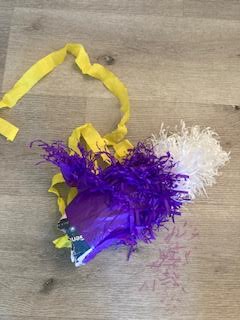
not only did i find the pinata’s footprint
but also the foot.
this has all the makings of an organized hit
it’s a working crime scene at the moment.
—
Jefe : I have put many beautiful pinatas in the storeroom, each of them filled with little surprises.
El Guapo : Many pinatas?
Jefe : Oh yes, many!
El Guapo : Would you say I have a plethora of pinatas?
Jefe : A what?
El Guapo : A *plethora*.
Jefe : Oh yes, you have a plethora.
-From the 1986 film, The Three Amigos:

for the second time
we tried to surprise
a dear friend
to celebrate her milestone birthday
and round two came very close to not happening
when life circumstances intervened
just a few hours before.
we quickly began planning
what our third attempt would look like
when she turned the tables
and surprised all of us
by showing up
at the appointed hour.
—
“new friends may be poems but old friends are alphabets.
do not forget alphabets, because you will need them to read the poems.”
*author: not shakespeare
*this is another one of those quotes that seems to have come up someplace and wandered around a bit until someone put “shakespeare once said…” in front of it and it stuck.

the photo on the left illustrates my reaction
when running into someone that i’ve met before
and its awkward because i cannot, for the life of me
remember their name
and i just have to say
“great to see you again’
and if i ever have to introduce them to someone else
i just have to introduce the person with me instead
hoping they’ll pick up the cue and respond with their own name.
for 3 years i called one of my old neighbors ‘phil’
until another neighbor said
“i don’t know who you’re talking about, do you mean, al?”
“yes, as a matter of fact, i think i do.”
—
my new perfect word of the day –
‘tartle’ (verb, scots)
(to hesitate while introducing or meeting someone because you have forgotten their name)
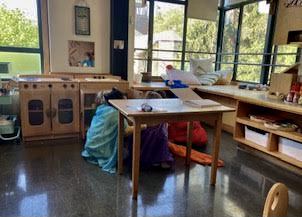
a rare sighting
of the superheroes
holding a secret summit meeting
sharing brave case stories, making plans, and at the ready to help their classmates.
shhhhh…
—
“you are not too small. no one is ever too small to offer help.”
― e

