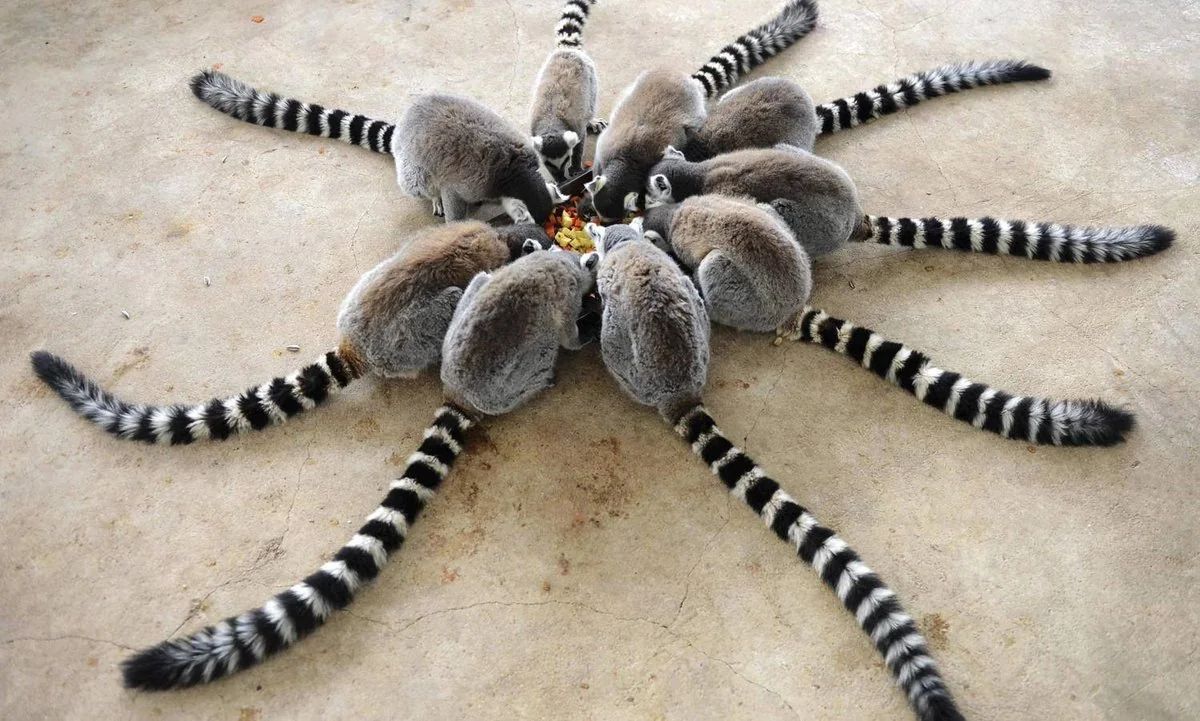
A group of lemurs is called a conspiracy. Lemurs are social animals and live in mini communities of around 10-25 members. As a result of this, they often work together, or ‘conspire’ to outwit predators using a technique called ‘mobbing’.
A wildlife hospital just solved a hilarious case of mistaken identity.
On Thursday, a woman brought in a baby hedgehog to the Lower Moss Nature Reserve and Wildlife Hospital in Cheshire, England — only to be told it wasn’t an animal in need, but a beanie hat pop-pom.
The caring woman had picked up the ‘hedgehog’ from the side of the road after she noticed it “hadn’t moved or pooped all night,” reported U.K. newspaper The Independent.
“From a distance, you take it at face value. She didn’t handle it at all — she scooped it in a box with some cat food and left it alone in a warm, dark place,” veterinarian Janet Kotze, told the paper.
“She did everything so well. She barely peeked at it because she didn’t want to stress it out.”
Kotze described the woman who made the rescue as having “well-meaning” intentions. She said she knew immediately when presented with the box containing the ‘hedgehog’ what it actually was.
“It was pretty obvious to us but I can also see how she was mistaken,” she recalled. “She said, ‘You’re joking! Oh my goodness, how did I do that?’ ”
“She was so concentrated on doing the right thing. She was concerned it hadn’t moved or even pooed — that would be spooky if it had,” Kotze added.
A real-life hedgehog
The wildlife hospital wrote of the rescue attempt on Facebook, “Our hearts melted as a kind soul thought she was rescuing a baby hedgehog,” as they jokingly nicknamed the pop-pom ‘hoglet.’
Despite the mistake, the reserve shared that the “adorable” new visitor “still got all the love, complete with some cozy TLC.”
“Remember, kindness knows no bounds, even when it’s to a faux furry friend! 🐾,” the wildlife hospital added while highlighting the importance of rescuing hedgehogs in vulnerable situations.
“Please remember, if you spot a hedgehog out during the day, it’s a sign something’s not right. Pop them in a box with a warm source and seek help from your local vets. Let’s keep our prickly friends safe!”
—
“he was so benevolent, so merciful a man that, in his mistaken passion, he
would have held an umbrella over a duck in a shower of rain.”
-douglas william jerrold
—
p.s. confession: this could have easily been me. especially if i didn’t have my glasses on.
—
source credits: escher walcott, people, the independent, kennedy news media photo,
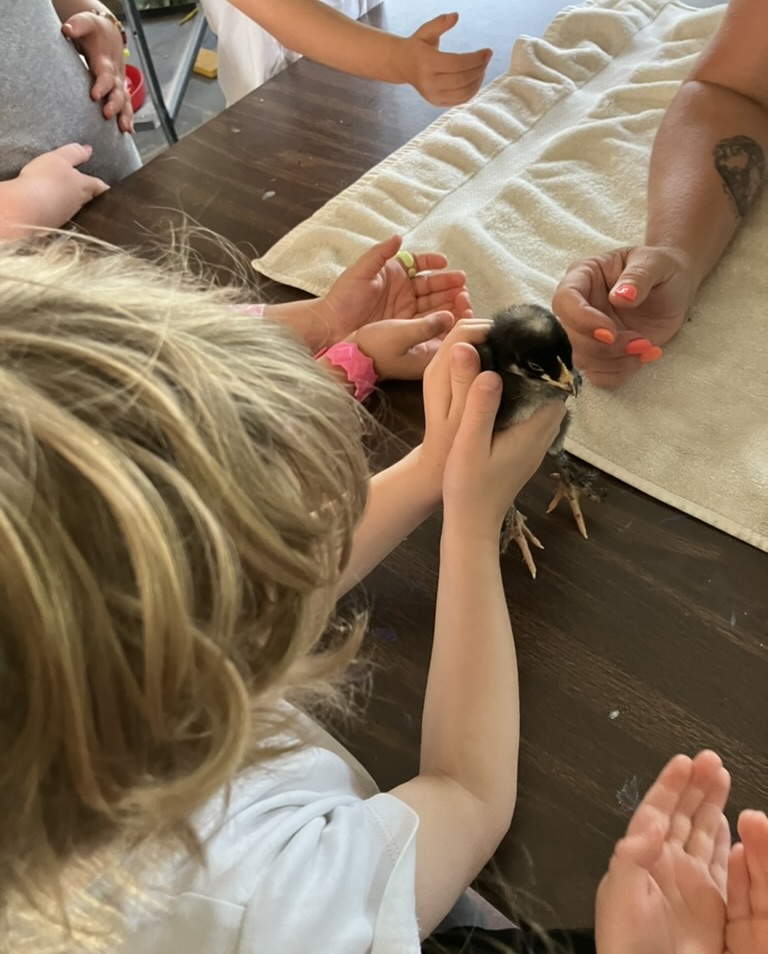
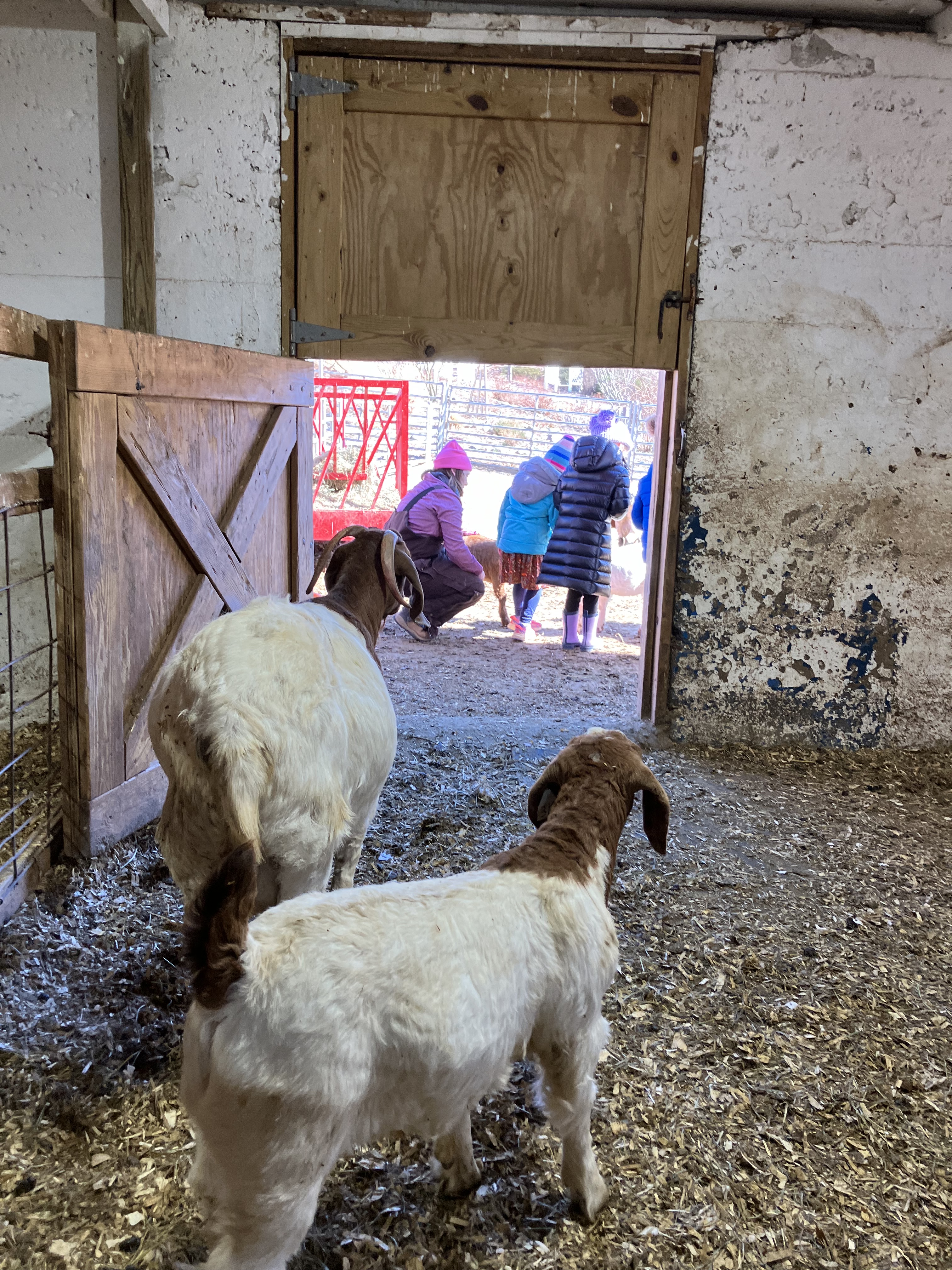
where are those kids going and what are they up to?
—
today we went back to the farm
to see how it has changed since our fall visit
there were no leaves
there were no pumpkins
there were lots of new babies
there was not a lot of green
but the animals were as sweet as ever
and that never changes.
—
‘to teach children that animals have certain rights
creates in their minds a respect and regard for life.’
*-caroline earle white
*Caroline Earle White founded the first animal shelter in the United States in 1869. Born on September 28, 1833 in Philadelphia, Penn., White became an influential figure not only in animal welfare, but also fought for women’s suffrage and equality. White and a group of 30 women activists created the Women’s Pennsylvania Society for the Prevention of Cruelty to Animals (WPSPCA), America’s first official animal shelter. Later known as the Women’s Humane Society, the organization pioneered programs that helped save homeless animals and employed animal cruelty officers to prevent and punish animal abuse. The organization still operates today as the Women’s Animal Center.
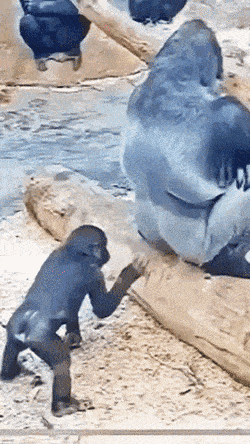
Joking around is a key element of human interaction — one that starts emerging in babies as young as 8 months old, before they can even speak. Now, a new study is suggesting that the human instinct to play goes further back than previously thought.
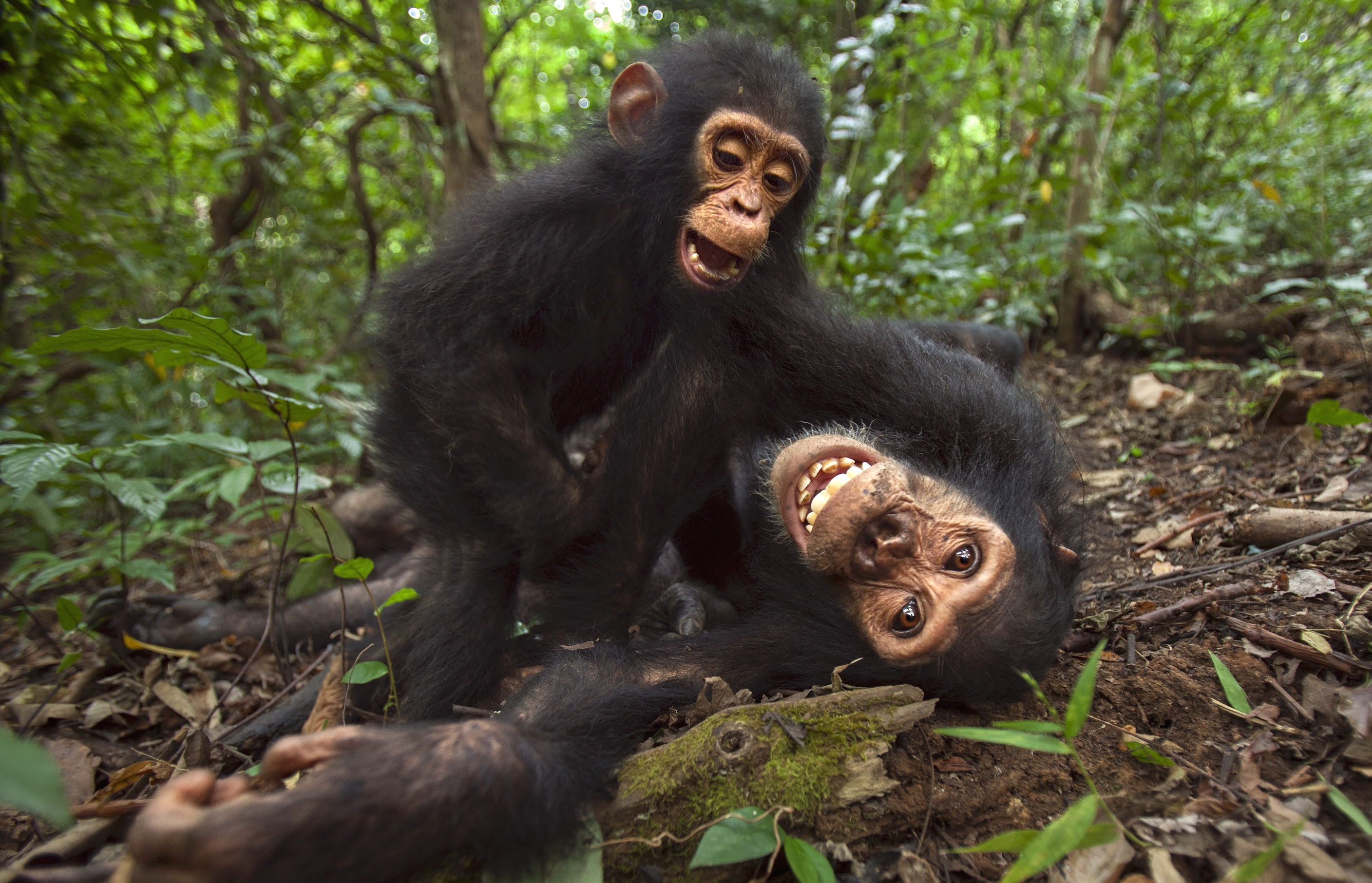
An international team of cognitive biologists and primatologists documented playful teasing in the four species of great apes: orangutans, chimpanzees, bonobos, and gorillas. They identified 18 distinct teasing behaviors, indicating that “the prerequisites for humor evolved in the human lineage at least 13 million years ago,” per a press release.
“Similar to teasing in children, ape playful teasing involves one-sided provocation, response waiting in which the teaser looks toward the target’s face directly after a teasing action, repetition, and elements of surprise,” explained lead author Isabelle Laumer.
The concept of playful primates isn’t new — Jane Goodall previously documented such behavior — but this is the first study to systematically analyze it. “We hope that our study will inspire other researchers to study playful teasing in more species in order to better understand the evolution of this multifaceted behavior,” Laumer said.
—
“the very essence of playfulness is an openness to anything that may happen,
the feeling that whatever happens, it’s okay…
you’re either free to play, or you’re not.”
-john cleese
—
source credits: Proceedings of the Royal Society, Laumer, Winkler, Rossano, Cartmill
peanut on the farm – rip, old girl and world champion
Peanut, the world’s oldest chicken, dead at twenty-one: The Chelsea, Michigan clucker, certified as the oldest living chicken by Guinness last January at age twenty, died of natural causes on Christmas morning, according to its owner, Marsi Parker Darwin of the no-kill farm Darwin’s Eden. In an article last year, Darwin credited her neighbor, Todd Gillihan, with bringing global attention to the hen she rescued from a cold, abandoned egg. He “pestered me,” she said, to go for the world record, resulting in coverage in publications as far flung and prestigious as the Smithsonian Magazine’s website, Washington Post, and the Times of London. A retired librarian, Darwin authored a picture book, “My Girl Peanut & Me,” which is available for on the Darwin’s Eden site.
—
“if i hadn’t started painting, i would have raised chickens.”
-grandma moses
—
source credits: ann arbor news, smithsonian.com, ann arbor observer