Category Archives: helping
superheroes.
under the rainbow.
my classroom is chock full of
multi-age kinder (3s-young 5s)
who stay with us for two years.
one of the very best things
is watching the older kinder
who were the younger kinder
just one year before
as they quite naturally and organically grow
to become the leaders/teachers/helpers/mentors
to the new group of younger kinder
who were at home
just one year before.
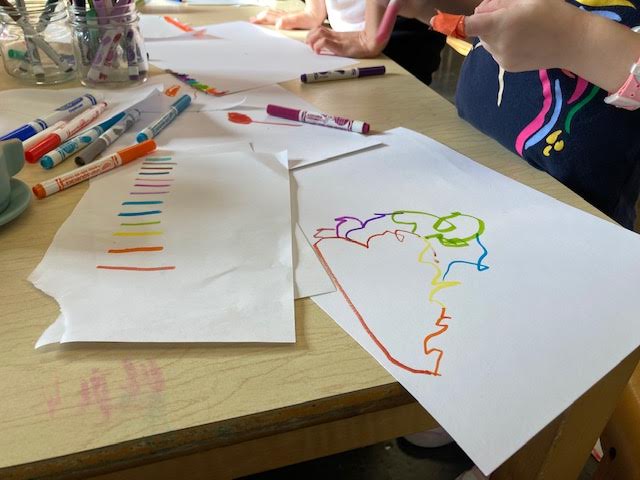
what a joy it was to watch someone older
spend a very long time
finding all the special markers she needed
to create an easy to see linear rainbow
for someone younger
who wanted to create
her very own rainbow picture
in her very own style
using all the special colors.
judging by their faces
when she finished her very own rainbow
they were both equally proud of the results.
—
“nine tenths of education is encouragement.”
-anatole france
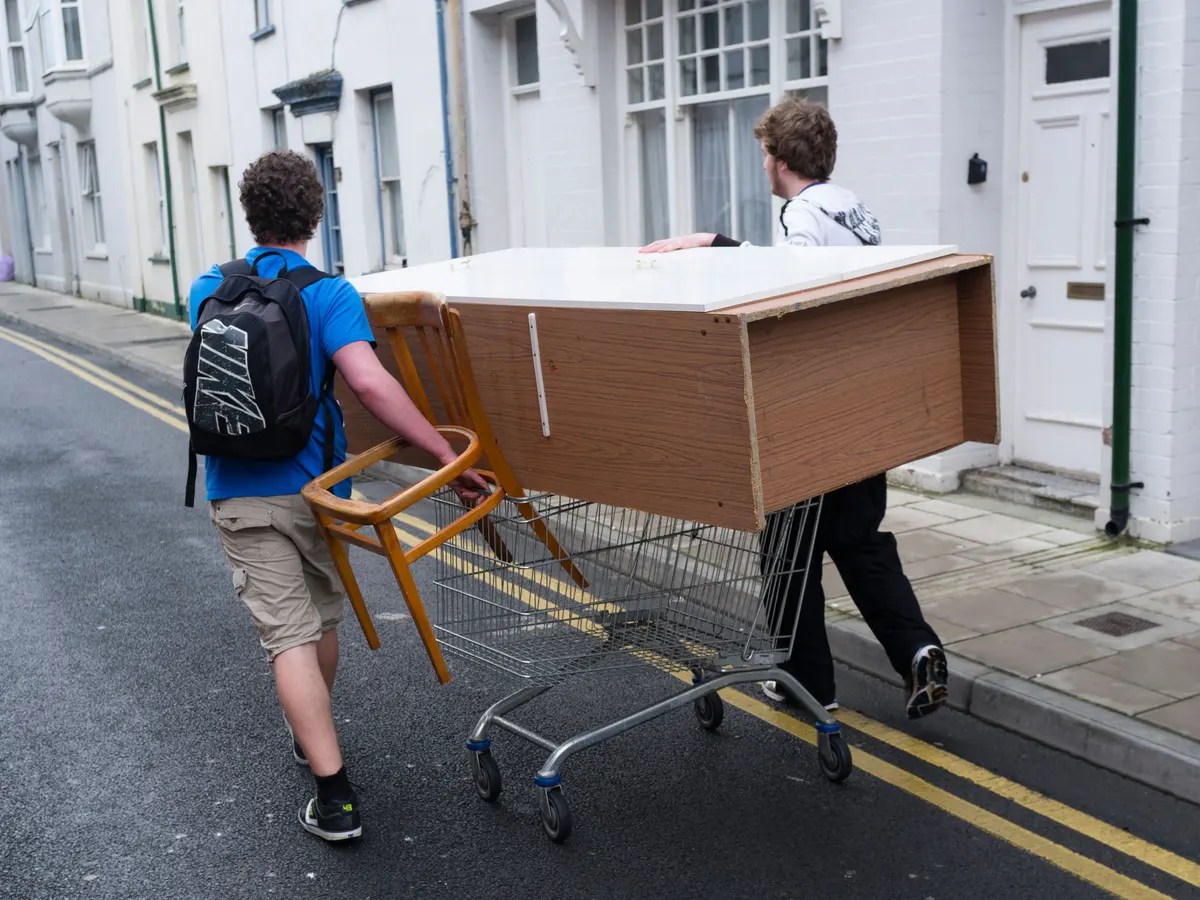
life with shopping carts.
in talking with my grandson
about the reason shopping carts are found all over
i told him to think about where he sees them and why that might be
i told him to consider the fact that they are often found
where there are people without transportation or without disposable income
who may have to walk a long distance, have a disability, or take public transportation to get home
most with challenging life circumstances
i told him about
when i moved to family housing here for grad school
with no money, but still one of my favorite times of my life
everyone in debt, in grad school, with families, with limited income
most did not have cars and could not afford taxis
i saw that shopping carts were all around us
quickly noticed why.
families used them for everything
to move in and out, to move their children, to move their laundry to the common area
to move things to our monthly swap meets, to carry food, to carry things to their car, and on and on…
my youngest daughter lived with me
for a few months before heading off to her university
before long, we were using them
they had come from the local grocery store
when people would walk home with food for their families
the carts would stay to be used in the community
the grocery store would send a truck once a week
to round them up and take them back to the store
and the next week they would be back
it seemed to be an unwritten understanding
i came to love the custom and used them many times for every imaginable purpose
understanding why they were so helpful and important to the community.
everyone was just trying to find a way to live their life
to get things done that needed doing
while making the best of their circumstances.
“do what you can with what you have, where you are.”
-theodore ‘teddy’ roosevelt – 26th president of the united states
printing money.
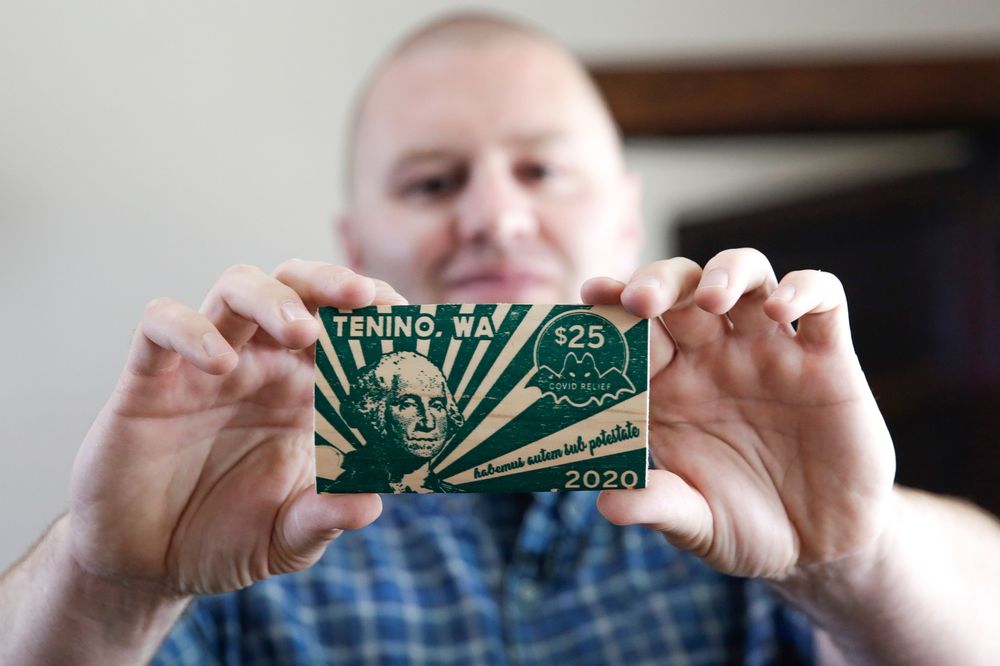
Take the Wooden Money
During the darkest days of the Great Depression, the logging city of Tenino, Washington, created a complimentary wooden currency to help locals survive the economic crisis. Now, almost 90 years later, the town is once again “printing money” on postcard-sized sheets of maple to help locals suffering from financial hardship. Pegged at the rate of real U.S. dollars, the currency can be spent everywhere from grocery stores to gas stations and child care centers, whose owners can later exchange them.
“It worked perfectly,” says Tenino’s mayor Wayne Fournier, who offers residents who demonstrate they are experiencing economic difficulties caused by the pandemic a stipend of up to $300 a month in wooden dollars. These currencies aren’t actual replacements of real money. They are complementary currencies — a broad term for a galaxy of local alternatives to national currencies.
According to research published in Papers in Political Economy in 2018, 3,500 – 4,500 such systems have been recorded in more than 50 countries across the world. Typically they are a localized currency that can only be exchanged among people and businesses within a region, town, or even a single neighborhood. Many are membership programs limited to those who have signed up; they typically work in conjunction with, rather than replacing, the official national currency.
They take many different forms. Relatively few are based on paper money; many are purely digital or exchanged via smart cards. Their goals can span multiple economic, social, and environmental objectives. Some aim to protect local independent businesses. Some promote more equal and sustainable visions of society. Others have been founded in response to economic crises when traditional financial systems have ground to a halt. As the coronavirus pandemic brings on a wave of social and economic tumult, all three challenges appear to be in play at once.
In Tenino, which has a population of less than 2,000, the wooden money is printed using an antique 1890 Chandler & Price letterpress. Since the launch in May, cities from Arizona to Montana and California have been in contact with Tenino for advice about starting their own local currencies.
“We have no idea what is going to happen next in 2020,” adds Fournier. “But cities like ours need to come up with niche ways to be sustainable without relying on the larger world.”
—
“sharing money is what gives it its value.”
-elvis presley
—
credits: story – Bloomberg City Lab, Peter Young. photo – Jason Redmons, AFP
a single source.
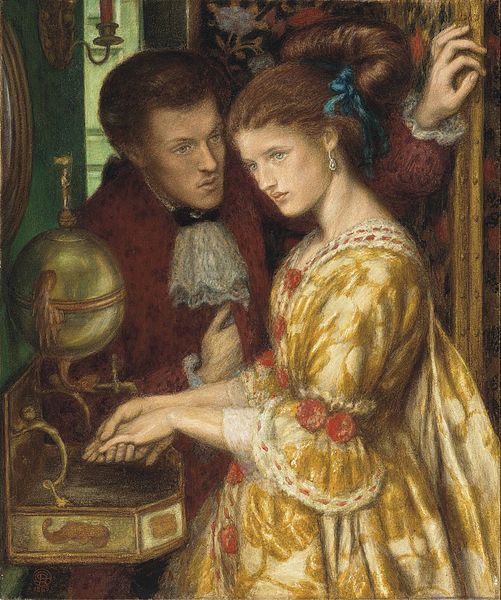
Dante Gabriel Rossetti – Washing Hands
—
today the detroit institute of arts
did their part to keep people safe and to aid in their healing.
art helps people in so many unexpected ways
and seems to naturally have that power.
—
‘Just as surgeons need to keep a sterile environment for the health of their patients, the DIA’s conservation, collections management, and curatorial teams often use protective equipment to preserve the health of the museum’s artworks. Today, we gathered up those materials — including Tyvek suits, swabs, masks, P95 mask cartridges, wiping cloths and 3,000 nitrile gloves — and delivered them to local hospitals.’ – dia
![]()
—
“at the deepest level.
the creative process and the healing process arise from a single source.
when you are an artist,
you are a healer;
a wordless trust of the same mystery
is the foundation of your work and your integrity.”
– dr. rachel naomi remen