Category Archives: history

of books and brews.

Standard

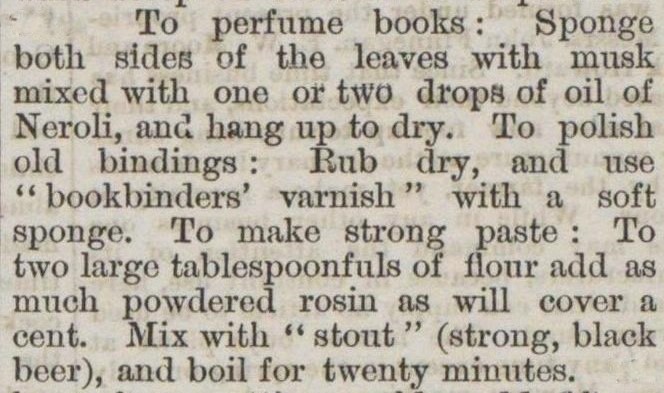
Ann Arbor Book History: “Hold my beer,” 1875.

The Michigan Argus revealed tricks of the trade for preserving books,

one of which involved beer.

Books and brews have always made a great combination .

(note: the closest i’ve come to this is when spilling a beer on a book

and unsure if it actually helped to preserve it)


“books and beer are the best and worst defense.”

-sherman alexie

credits: ann arbor district library, ann arbor book society, the michigan argus

gichi-gami.

Standard

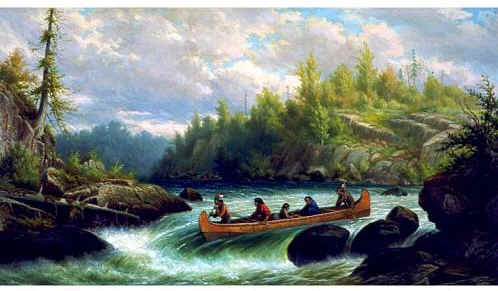
Ojibwe entering the gichi-gami

(artist unknown)

In honor of Indigenous Peoples Day

City of Ann Arbor Land Acknowledgment: 

Equity and justice are at the center of our city’s critical principles. In that light, we’d like to take a moment to honor the geographic and historic space we share. We acknowledge that the land the City of Ann Arbor occupies is the ancestral, traditional, and contemporary lands of the Anishinaabeg – (including Odawa, Ojibwe and Boodewadomi) and Wyandot peoples. We further acknowledge that our City stands, like almost all property in the United States, on lands obtained, generally in unconscionable ways, from indigenous peoples. The taking of this land was formalized by the Treaty of Detroit in 1807. Knowing where we live, work, study, and recreate does not change the past, but a thorough understanding of the ongoing consequences of this past can empower us in our work to create a future that supports human flourishing and justice for all individuals.

 Lake Michigan is named after the Ojibwe word “mishigami” which means “large water” or “large lake.”

Also known as Michigamme/”mishigamaa” meaning “great water“, also etymology for state of Michigan.

The Great Lakes were called  “gichi-gami” (from Ojibwe gichi “big, large, great”; gami “water, lake, sea”).

“man belongs to the earth, the earth does not belong to man.”

-ojibwe saying


credits: project.geo.msu.ed, city of ann arbor, ann arbor public libraries

“well, i didn’t vote for you.” – peasant to king arthur (monty python and the holy grail)

Standard

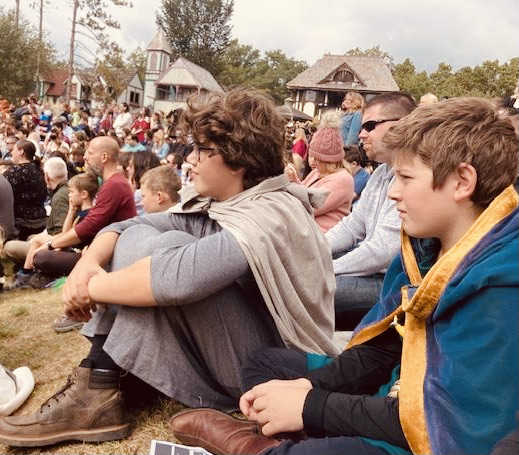
an adventurous visit to the michigan renaissance festival

way back when

in days of yore

i took my daughters

to this very shire

 all of us dressed up

now my grandsons

have picked up where we left off

 as brave knights

“look, it’s my duty as a knight to sample as much peril as I can.”

– Sir Galahad (Holy Grail)

people enjoying the day

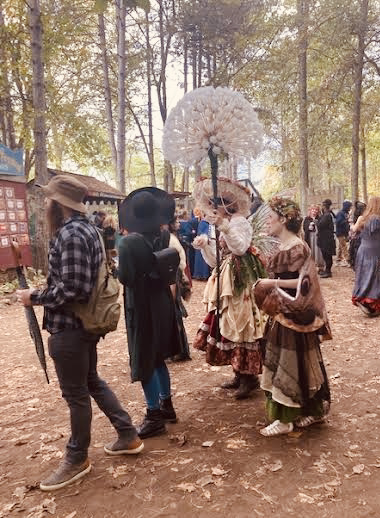
being whoever they imagine themselves to be

villagers from far and wide are all welcomed here

no matter their dress or look or form

 and what could be better than spying a kilted warrior brave enough to pick up his own hot latte?

“live every day as if it’s a festival. turn your life into a celebration.”

-shri radhe maa

creature comfort.

Standard

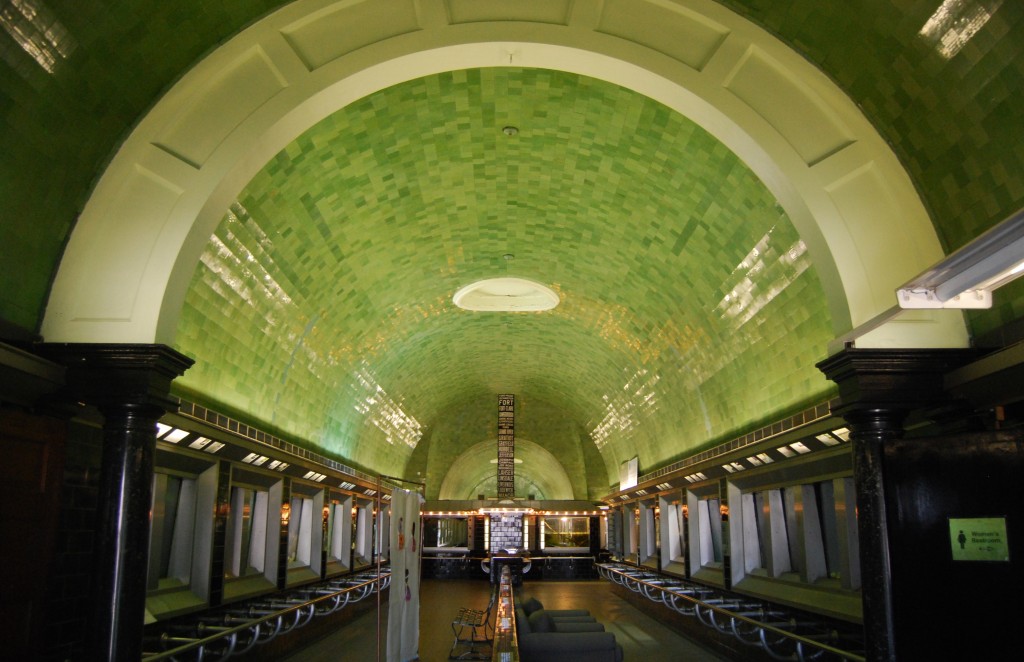
one of the many beautiful and curious creatures at the belle isle aquarium

The Belle Isle Aquarium was designed by famed Detroit architect, Albert Kahn, and opened in August, 1904. It is the oldest aquarium in the country and has served the Detroit community as a beloved attraction for generations. In 2005, the city of Detroit announced that the Aquarium was to be closed due to lean economic times for the city. The building remained closed to the public until the Belle Isle Conservancy reopened it on September 15, 2012. Since its reopening, the aquarium has exploded in popularity, evident by the attendance numbers that have soared over the course of the last decade. “Momentum” is truly the best term for what is happening in this historic building. A work-in-progress, the aquarium continues to grow and flourish as new exhibits and fish are added, tanks are restored, and history is preserved for generations to come.

“the universe is full of the lives of perfect creatures.”

-konstantin tsiokovsky 

first one.

Standard

just got my license plate renewal notice in the mail

wish i could get this one.

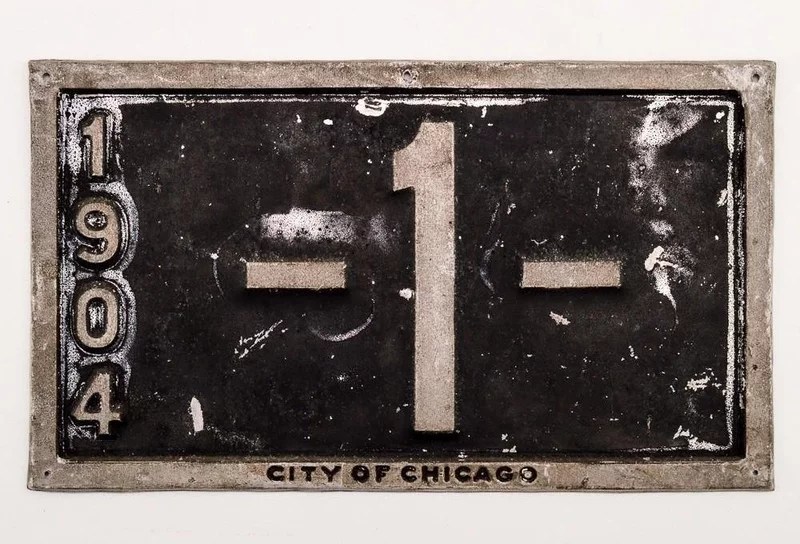
A rare, first-of-its kind Chicago license plate, ‘the holy grail’ is up for auction

A black-and-white aluminum plate stamped with just the single numeral “1” gives bidders a chance to earn a piece of automotive history. The plate was made in 1904, the first year that Chicago made metal license plates, and the only year the city made plates from thin, stamped aluminum.

“Only a handful of these were made,” said Mike Donley of Donley Auctions. “And it’s number 1. It doesn’t get any lower than that.”

Before Illinois began making statewide license plates, Chicago issued its own plates between 1903 and 1907, Donley said. From that era, auctioneers said, those made in 1904 are the rarest. For the next few years that followed, the flimsy and damage-prone aluminum plates were replaced with heavy-duty solid brass. Even more rare, this plate is graded “VG,” or very good condition.

This particular plate was issued to prominent Chicago lawyer and art collector Arthur Jerome Eddy, who in 1900 became the first person in Chicago to receive a license badge for a motor vehicle. Before plates were distributed, license badges, meant to go on drivers’ coats, were issued to drivers as a way to tax city residents for funding road projects, Donley said.

Eddy was an early adopter of automobiles, Donley said. He set an auto distance record in 1901 by driving 2,900 miles from Chicago to Boston and back over two months, The New York Times reported. He even published a book about it the following year — one of several he authored — titled Two Thousand Miles On An Automobile.

Eddy also helped found the Chicago Motor Club in 1902, to advocate for driver rights and promote safe vehicles and roads. That club has since evolved into the American Automobile Association (AAA). He’s also credited with putting Chicago on the map of the modern art world, according to auctioneers, by drawing interest to the Art Institute of Chicago.

More recently, this plate belonged to Lee Hartung, a well-known collector of motor vehicles, who died in 2011. Much of his personal collection was auctioned off years ago but, when his partner was preparing to sell their house, she found a stash of more auto memorabilia — including the No.1 plate.

Donley estimated the plate will sell for around $4,000 to $6,000 at the auction, which ends today. But the intrigue it has garnered could hike up the bids. The auctioneer took the plate to a license plate show over the weekend, where he said the item attracted collectors from out of state to see the plate and gauge its authenticity. “There’s a lot of interest in this,” Donley said.

as close as i can come, is owning this foam fan finger


“you have to be odd to be number one.”

-dr. seuss


credits: emma bowman, npr, donley auctions, new york times, cpr news

on the water.

Standard

beautiful and  enlightening experience

kayaking through detroit’s canals

that i never knew existed

with detroit river sports

then paddling into the detroit river

bounded on either side by the united states and canada

learning history and tales of

bootlegging, river islands, mansions, auto barons, inventors, and boatmen

finishing with a lovely relaxed dinner

canal side

at coriander kitchen and farm

fresh farm to table fare

all in the heart of the city.

“if there is magic on this planet, it is contained in water.”

-loren eiseley

“if you see me, cry.”

Standard

Hunger Stone :

Recent droughts in Europe once again made visible the “Hunger Stones” in some Czech and German rivers.

These stones were used to mark desperately low river levels that would forecast famines.

This one, in the Elbe river, is from 1616 and says: “If you see me, cry.”

“when the well is dry, we will know the worth of water.”

-benjamin franklin


credits: history review

the french connection.

Standard

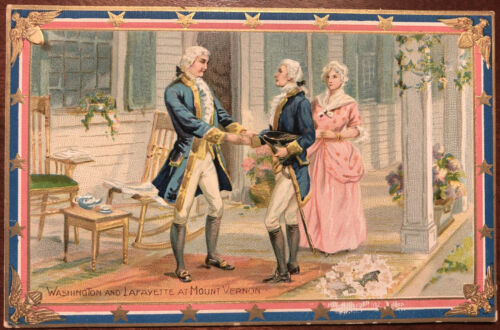
Washington and Lafayette at Mt. Vernon


In honor of the anniversary of Bastille Day-

 The Marquis de Lafayette, 19, arrived in the new world to join America’s revolutionary cause in 1777. Right off the bat, he made a powerful friend: George Washington instantly took a liking to the Frenchman and within a month, Lafayette had effectively become the general’s adopted son. Their affection was mutual; when the younger man had a son of his own in 1779, he named him Georges Washington de Lafayette.

The day after the storming of the Bastille, the Marquis de Lafayette became the commander of the Paris National Guard. In the aftermath of the Bastille siege, he was given the key to the building. As a thank-you—and to symbolize the new revolution—Lafayette sent it to Washington’s Mount Vernon home, where the relic still resides today.

“Rien.”

(nothing)

-Diary entry of Louis XVI on Bastille Day


Bonne fête nationale! 


Source credits: Mark Mancini, Mental Floss, Google Images

do-nut know how i missed it!

Standard


yesterday was national donut day and somehow i missed it

but i’ll be sure to make up for it today!

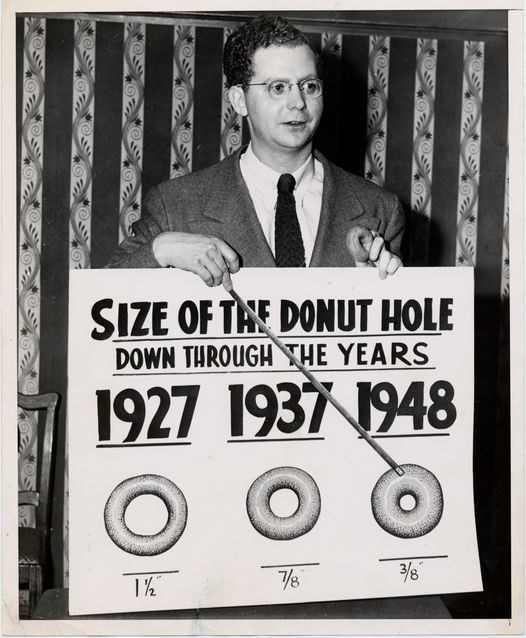
Keeping it highly academic on the day after National Donut Day. The photo above is from the Sally L. Steinberg Collection of Doughnut Ephemera (that’s its real name) in the Smithsonian National Museum of American HIstory’s Archives Center.

Steinberg describes herself as the “doughnut princess”— her grandfather Adolph Levitt was America’s original “doughnut king.” He developed the automatic doughnut-making machine, opened the first retail doughnut chain in the country and founded the modern American doughnut industry.

She gathered this collection while researching a 1987 book on the history of the doughnut, (not surprisingly  called:”The Donut Book.”)

Why, you ask after looking at the decreasing size of the hole trend in the photo, is the hole not totally gone? Somewhere in the 80’s, the trend of the hole shrinking stopped and the outer rim began collapsing inwards, getting sweeter as it diminished. This became known as the “supernova” era of donuts and continues today.


Sources: Smithsonian Museums, Sally Levitt Steinberg, The Donut Book , Storey Publishing

what in the sam hill?

Standard

sam hill had a way with words

and is famous for more than one reason

sam hill drive is located in marshall, michigan


“being famous has its benefits, but fame isn’t one of them.”

-larry wall