happy easter and peace to all
—
kindness has no religion. it is like an open sky.
– amit ray
—
credits: fiona gill fiber artists and yarn spinners, ‘amid the cornflowers,’ the magic onions
happy easter and peace to all
—
kindness has no religion. it is like an open sky.
– amit ray
—
credits: fiona gill fiber artists and yarn spinners, ‘amid the cornflowers,’ the magic onions

whipple-scrumptious fudgemallow delight
it’s almost easter – a great time to make wonka’s whipple-scrumptious fudgemallow delight with the chiddlers then?!
—
how to make a truly whipple-scrumptious sauce
for your ice cream sundae:
you will need:
an adult to help you
a saucepan
a large bowl of your favourite ice cream ready in the fridge
60g dark chocolate
1 cadbury’s crunchie or similar chocolate bar
60g butter
80g dark brown sugar
150ml double cream
8 marsmallows
what you need to do:
break the chocolate and the crunchie into large chunks
and set to one side.
in a saucepan, over a low heat, melt together
the butter, sugar and cream.
stir until all the sugar is dissolved.
turn the heat up and continue stirring for 10 minutes.
be careful, as it gets very hot and can splutter.
use a very long wooden spoon or a tall adult with a long arm.
turn the heat down again.
get your bowl of ice-cream from the fridge.
put the marshmallows, chocolate and crunchie into the saucepan,
stir around once and pour over your ice-cream.
—
“‘Wonka’s Whipple-Scrumptious Fudgemallow Delight!'” cried Grandpa George. ‘It’s the best of them all! You’ll just love it!'” – From Charlie and the Chocolate Factory – roald dahl
—
credits:
roalddahl.com

—
image credit: purpleclover.com
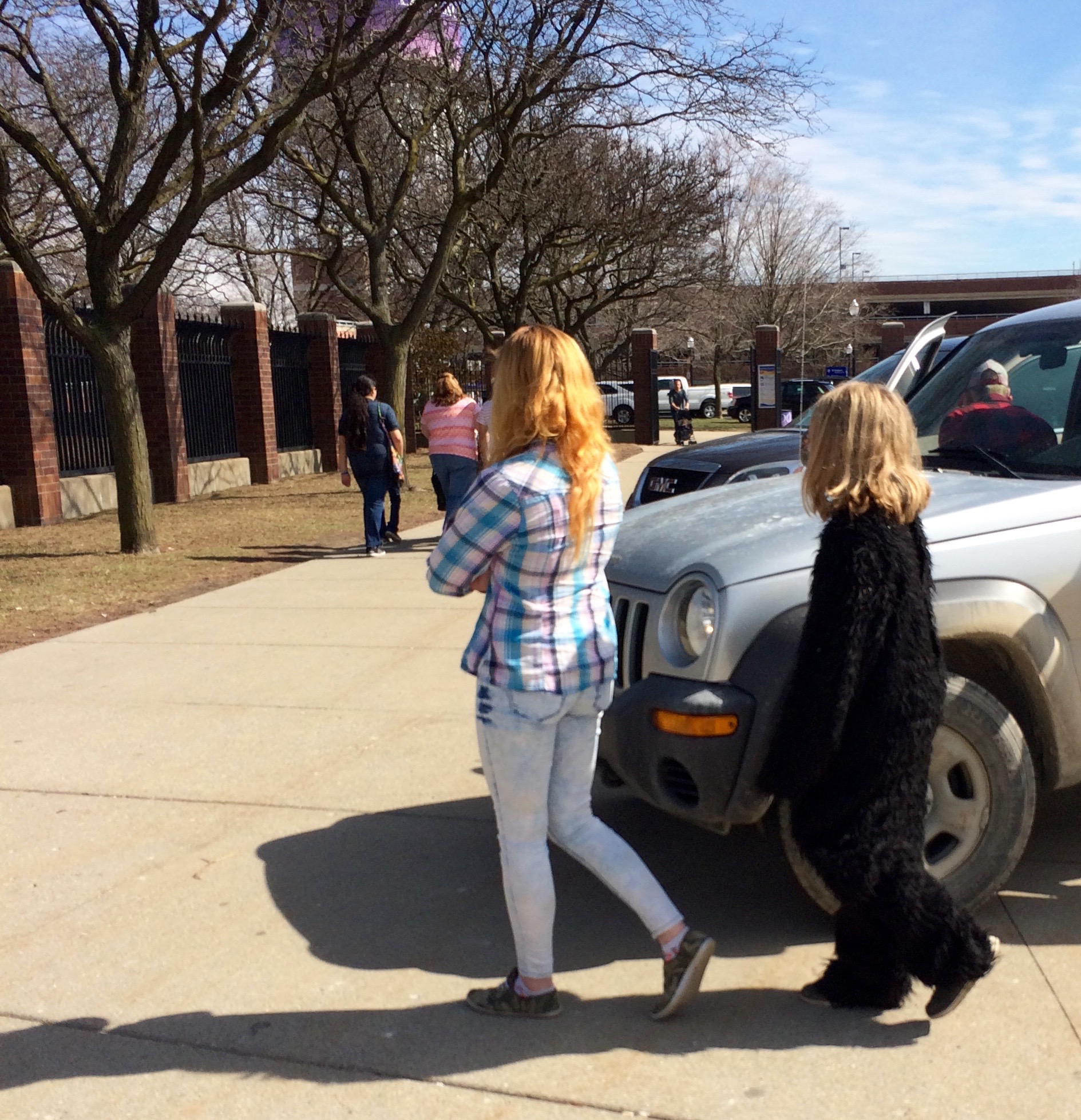
fellow zoo visitor
gets into character
for the big day
and
i have to say
i was impressed.
—
i like to think of myself as a character actor,
though there’s some redundancy in that.
– jeff bridges

Bob Ebeling with his daughter Kathy and his wife, Darlene.
Bob Ebeling spent a third of his life consumed with guilt about the explosion of the space shuttle Challenger. But at the end of his life, his family says, he was finally able to find peace.
“It was as if he got permission from the world,” says his daughter Leslie Ebeling Serna. “He was able to let that part of his life go.”
Ebeling died Monday at age 89 at in Brigham City, Utah, after a long illness, according to his daughter Kathy Ebeling.
Hundreds of NPR readers and listeners helped Ebeling overcome persistent guilt in the weeks before his death. They sent supportive e-mails and letters after the January story marking the 30th anniversary of the Challenger tragedy.
Ebeling was one of five booster rocket engineers at NASA contractor Morton Thiokol who tried to stop the 1986 Challenger launch. They worried that cold temperatures overnight — the forecast said 18 degrees — would stiffen the rubber o-ring seals that prevent burning rocket fuel from leaking out of booster joints.
“We all knew if the seals failed, the shuttle would blow up,” said engineer Roger Boisjoly in a 1986 interview with NPR’s Daniel Zwerdling.
Ebeling was the first to sound the alarm the morning before the Challenger launch. He called his boss, Allan McDonald, who was Thiokol’s representative at the Kennedy Space Center in Florida.
McDonald phoned Ebeling recently after hearing the NPR story.
“If you hadn’t called me,” McDonald told Ebeling, “they were in such a ‘go’ mode, we’d have never been able to stop it.”
Three decades ago, McDonald organized a teleconference with NASA officials, Thiokol executives and the worried engineers.
Ebeling helped assemble the data that demonstrated the risk. Boisjoly argued for a launch delay. At first, the Thiokol executives agreed and said they wouldn’t approve the launch.
“My God, Thiokol,” responded Lawrence Mulloy of NASA’s Marshall Spaceflight Center. “When do you want me to launch? Next April?”
Despite hours of argument and reams of data, the Thiokol executives relented. McDonald says the data was absolutely clear but politics and pressure interfered.
Ebeling blamed himself for failing to convince Thiokol executives and NASA to wait for warmer weather.
“I think that was one of the mistakes God made,” Ebeling told me in January. “He shouldn’t have picked me for that job.”
The morning of the launch, a distraught Ebeling drove to Thiokol’s remote Utah complex with his daughter.
“He said, ‘The Challenger’s going to blow up. Everyone’s going to die,'” Serna recalls. “And he was beating his fist on the dashboard. He was frantic.”
Serna, Ebeling and Boisjoly sat together in a crowded conference room as live video of the launch appeared on a large projection screen. When Challenger exploded, Serna says, “I could feel [Ebeling] trembling. And then he wept — loudly. And then Roger started crying.”
Three weeks later, I sat with Ebeling at his kitchen table, tears and anger punctuating his words. He didn’t want to be recorded or named at the time. Both he and Boisjoly, who died in 2012, became NPR’s anonymous sources in the first detailed account of the effort to keep Challenger grounded.
“That’s my engineering background coming out,” Ebeling explained three decades later. “Somebody should tell … the truth.”
Ebeling retired soon after the Challenger disaster. He used his engineering expertise and what he proudly called his love of ducks to help restore a bird refuge near his home, which was damaged by floodwater from the Great Salt Lake. In 1990, President George H. W. Bush presented Ebeling with the Theodore Roosevelt Conservation Award.
Ebeling continued to volunteer at the refuge for 22 years and was named the Volunteer of the Year for the National Wildlife Refuge system in 2013.
But that work didn’t diminish lingering pain and guilt. God “picked a loser,” Ebeling said in January, thinking back to his role in the Challenger launch.
Then Ebeling heard from hundreds of NPR readers and listeners, who responded to the January story.
“God didn’t pick a loser. He picked Bob Ebeling,” said Jim Sides, a utilities engineer in North Carolina.
“Bob Ebeling did his job that night,” Sides continued. “He did the right thing and that does not make him a loser. That makes him a winner.”
Ebeling also heard from two of the people who had overruled the engineers back in 1986. Former Thiokol executive Robert Lund and former NASA official George Hardy told him that Challenger was not his burden to bear.
And NASA sent a statement, saying that the deaths of the seven Challenger astronauts served to remind the space agency “to remain vigilant and to listen to those like Mr. Ebeling who have the courage to speak up…”
The burden began to lift even as Ebeling’s health declined. A few weeks before his death, he thanked those who reached out to him.
“You helped bring my worrisome mind to ease,” Ebeling said. “You have to have an end to everything.”
Bob Ebeling is survived by his wife Darlene and 35 descendants spanning four generations, including a grandson studying engineering and granddaughter Ivy Lippard. Lippard joined NPR readers and listeners in posting a message about her grandfather on the website.
Lippard described Ebeling as a man “full of integrity” with a “legacy of compassion.”
“It’s an honor,” she wrote, “to be able to pass down his legacy.”
—
credits: npr radio
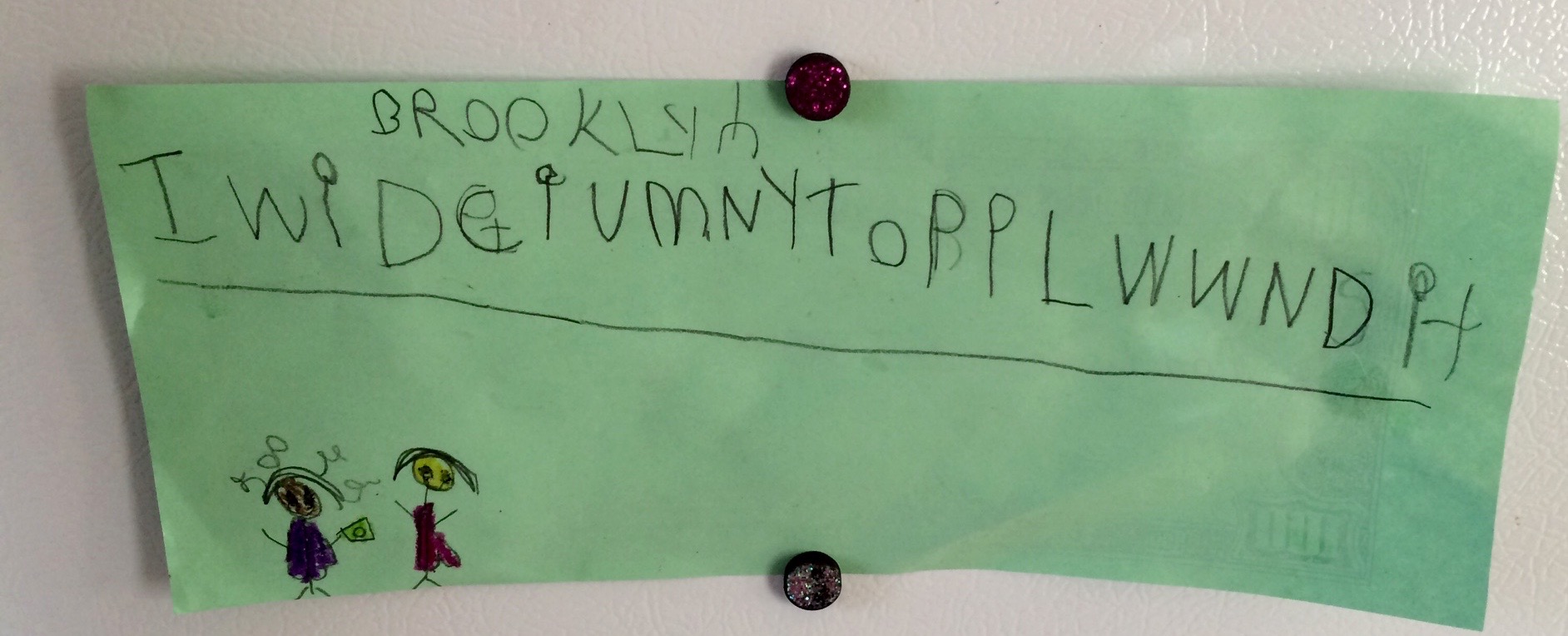
“i would give money to people who need it”
(grandie b’s answer when asked what she would do if someone gave her $100)
—
kindness in words creates confidence.
kindness in thinking creates profoundness.
kindness in giving creates love.
-lao tzu
 “mel comes over at least five or six nights a week.
it’s over 60 years now, we’ve been friends.
we watch television
looking for good movies or television shows that we like.”
–carl reiner, who turned 94 yesterday
—
a friend is what the heart needs all the time. – henry van dyke
—
credit: purpleclover.com

spring is when you feel like whistling even with a shoe full of slush.
– doug larson
—
image credit: redbubble.com

the palais idéal in hauterives, france is a unique structure. it is made entirely out of stones that postman, ferdinand cheval collected on his mail route.
one night, cheval dreamed about building a palace. he thought nothing of this dream for years, until one day in the spring of 1879, when his foot caught on an unusual-looking rock during his postal route. the rock was so fascinating to cheval that he took it home to admire it. it also gave him an idea.
for the next 33 years, cheval continued picking up more stones during his postal route, first putting them in his pockets, then graduating to a basket, and finally using a wheelbarrow. each one of the stones was hand-selected by cheval to play a part in the construction of his dream palace.
for more than three decades, cheval spent his nights building his home by the light of an oil lamp, and his days delivering the mail. he completed work on the palace in 1912.
today, the palace is a protected landmark and is open to visitors. though cheval wished to be buried in his palace when he died, this was illegal at the time, so he spent an additional eight years building a mausoleum for himself in the town cemetery. he finished just in time, too; cheval passed away on august 19, 1924, approximately one year after completing the mausoleum, which remains his final resting place.
—
whenever we witness art in a building,
we are aware of an energy contained by it.
– arthur erickson
—
credits: jenny morrill, mental floss uk
 I didn't have my glasses on....