
“i simply do not distinguish between work and play.”
-mary oliver
—
r.i.p. mary oliver, one of my favorite poets – i agree.
—
image credit: alice boughton,
Teachers and kindergarten students
Warm-toned Gelatin Silver Print unmounted 1910 USA
“i simply do not distinguish between work and play.”
-mary oliver
—
r.i.p. mary oliver, one of my favorite poets – i agree.
—
image credit: alice boughton,
Teachers and kindergarten students
Warm-toned Gelatin Silver Print unmounted 1910 USA
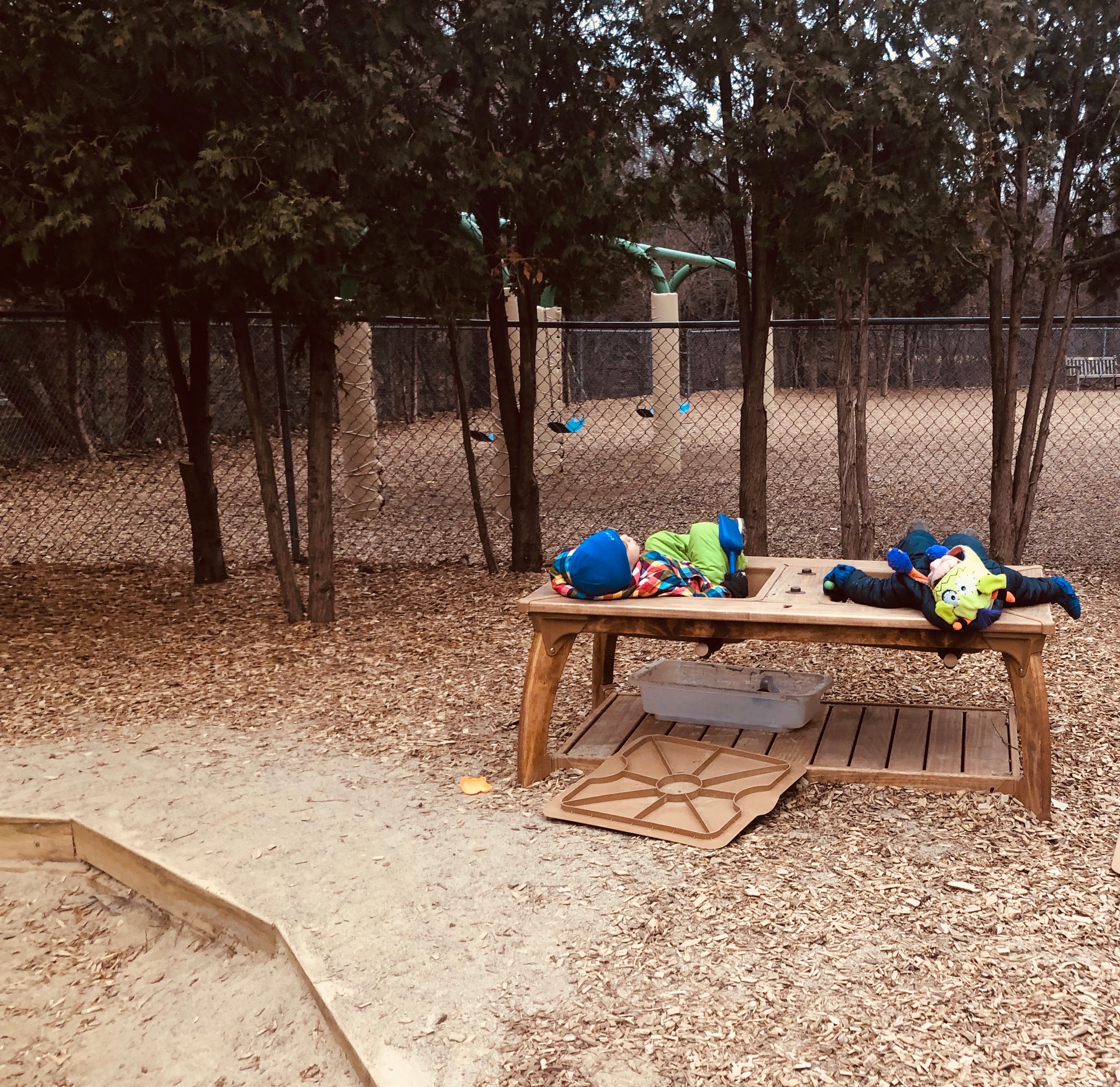
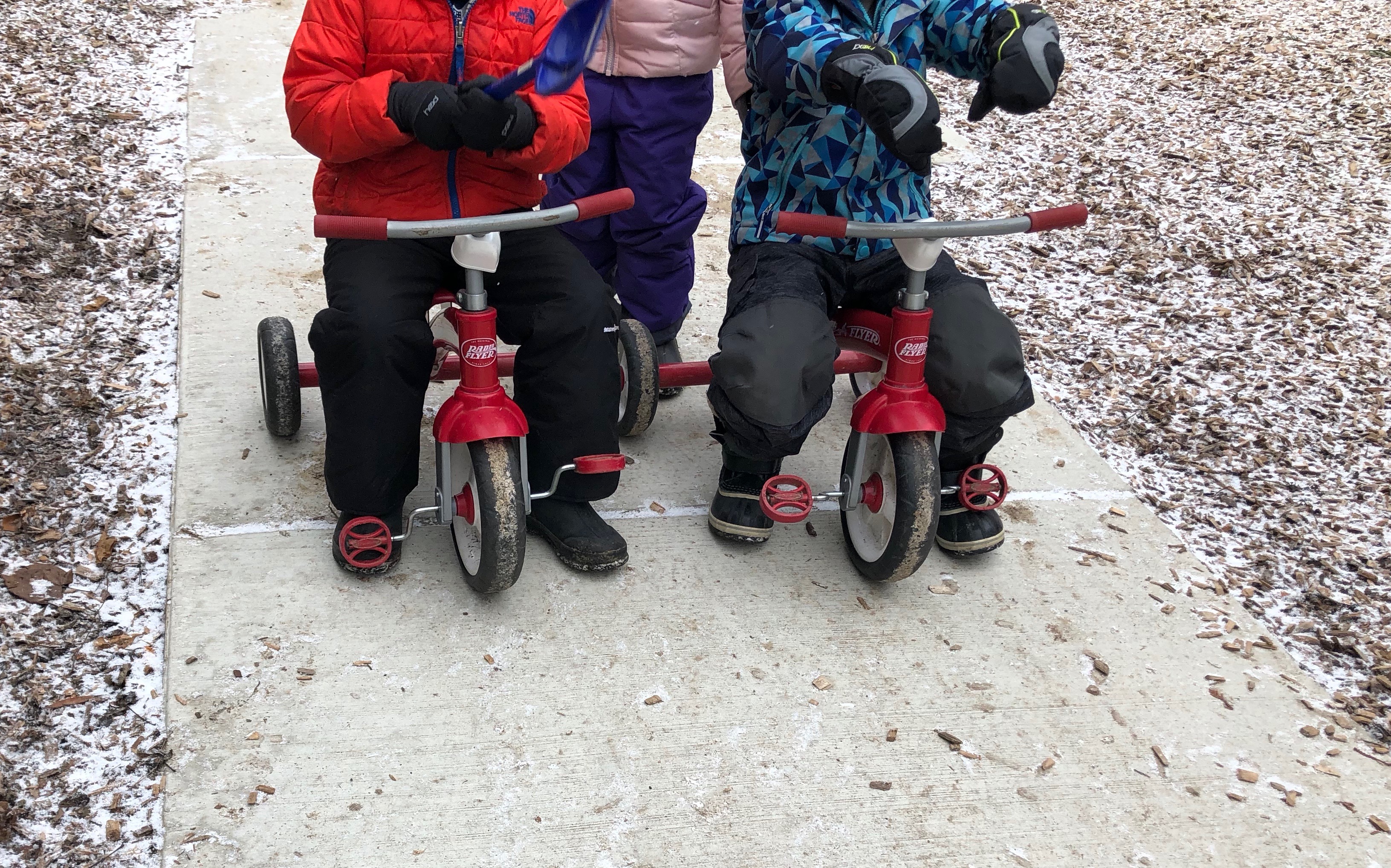
friends take a break from recess
in the empty water table
while still waiting for some snow.
recess can be so exhausting.
—
“you never get tired unless you stop and take time for it.”
-bob hope

one of these is not like the others….
kinder uses
‘the firefighter plan ahead and use less steps approach’
to getting winter clothes on
quickly and with less chaos
brilliant.
—
“invention,
it must be humbly admitted,
does not consist in creating out of void,
but out of chaos.”
-mary shelley
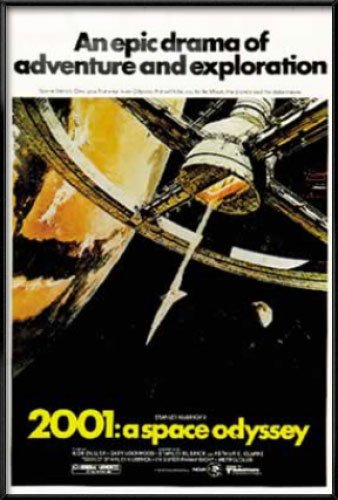
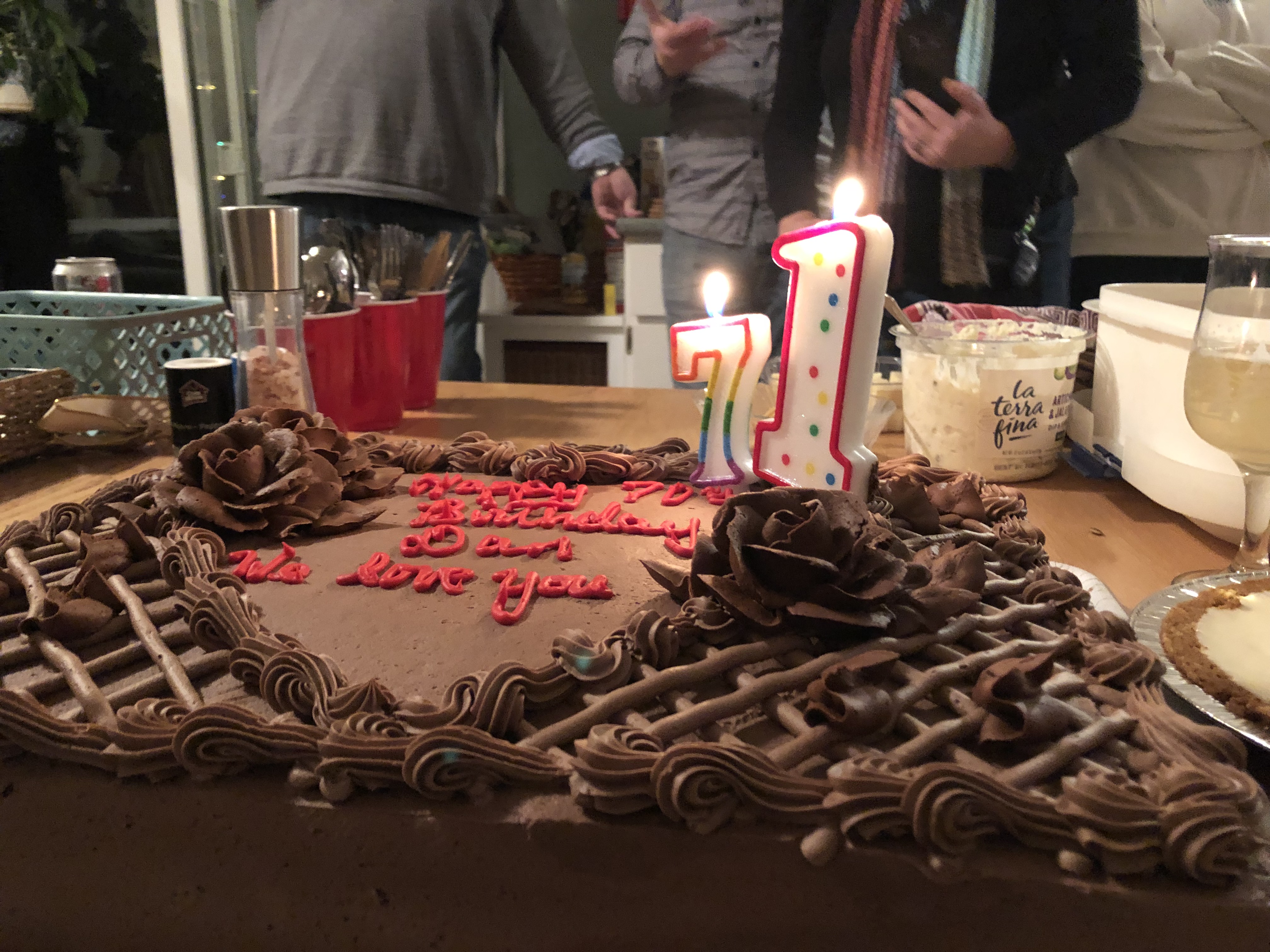
what began as post #1 in may of 2012
has led to post #2001 today.
thank you to all who
view, read, comment, chat, post, and share.
i appreciate each and every one of you
even in those far away countries
where i may have only 1 loyal reader
you have all offered me
great support
much food for thought
inspiration
and most of all
wonderful human connections.
here’s to the next 2001.
—
“i think statistics go in one ear and out the other.
all of us respond to stories more than numbers.”
-koren zailckas
—
image credit: metro goldwyn mayer, media.com

—
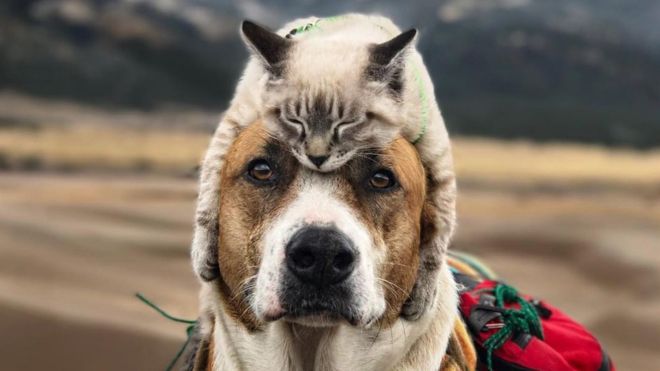
animal image credit: bbc news, cynthia bennett
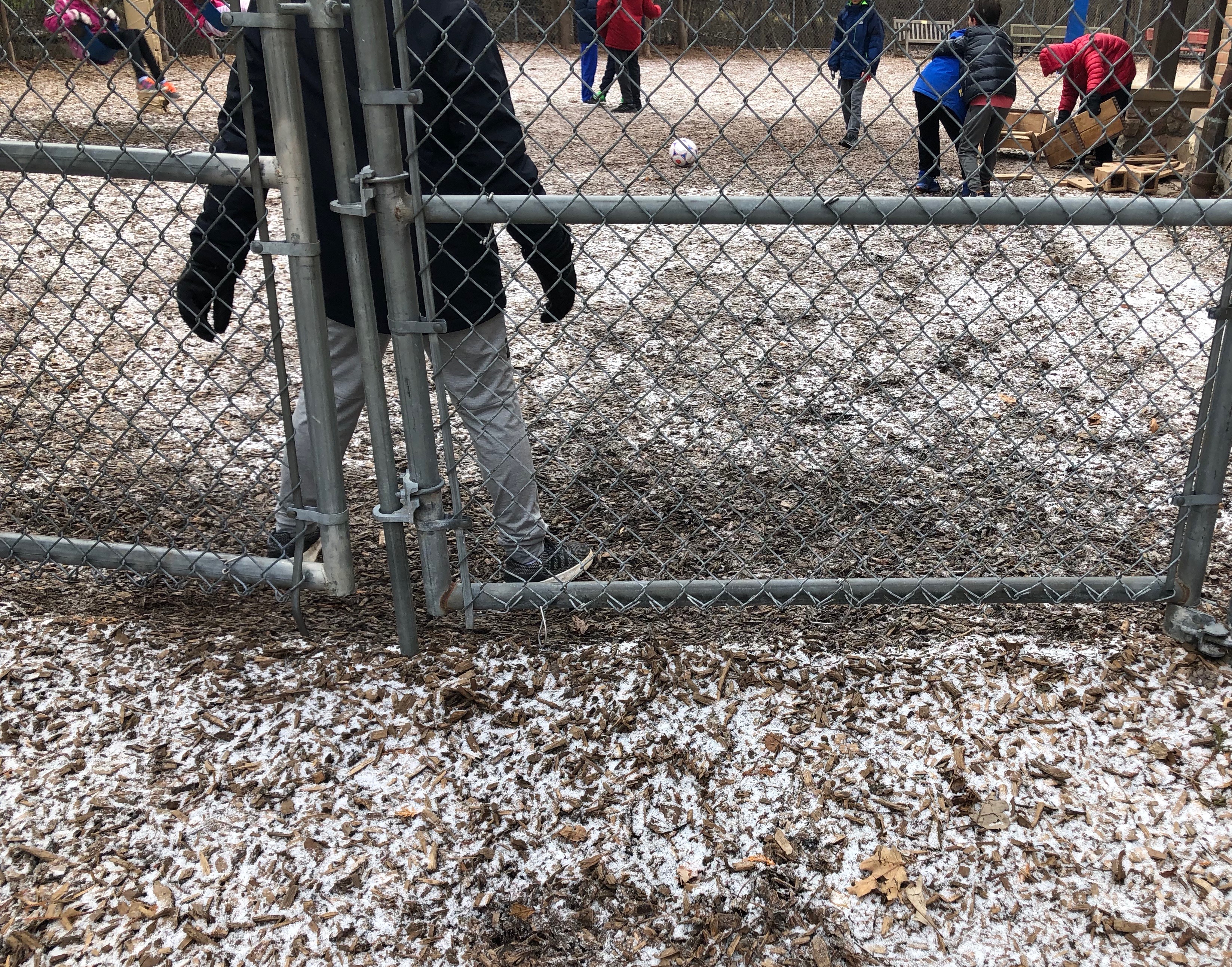
while the kinders
happily watch and cheer them on
from their side
of the playground fence
the big kids play soccer
on their side of the fence
made happier by
the enthusiastic audience.
“throw your heart over the fence and the rest will follow.”
-norman vincent peale
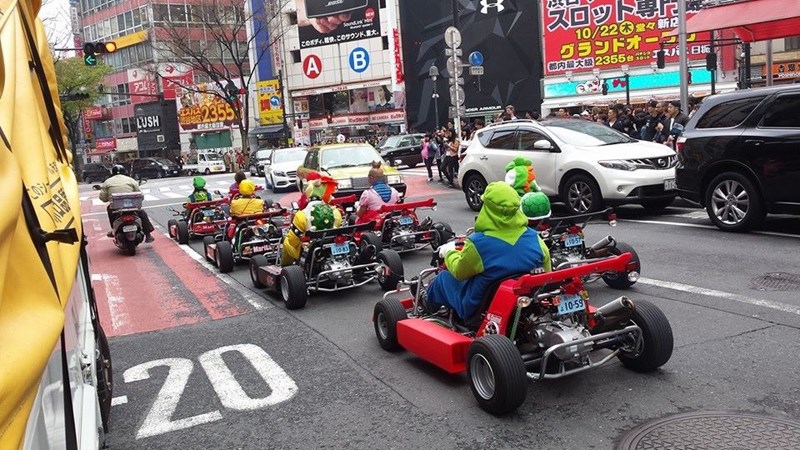
commuting
to and from school each day
is always a bit of an adventure/misadventure
depending upon one’s perspective.
it’s not unusual for me
to get a hands-free text or call
from one of my teaching partners
in response to something going on in the road ahead:
an animal crossing, tire blowout, accident, truck spill, something on fire,
weather delays, political motorcade, funeral procession,
waving mascots, emergency vehicles, pop-up detours, construction,
or that old standby:
unusually heavy traffic due to the no-reason reason.
at this point
i turn up my music or book.
whoever happens to arrive first
will let our office know that the other
may be on time,
or
10 minutes late,
or
will arrive at a yet to be determined time before school lets out for the day.
fortunately we work with a very understanding administration.
the only thing i’ve learned to expect
is that
with each curve of the road
there is the very real possibility of a new surprise.
—
“all you need is the plan, the road map, and the courage to press on to your destination.”
– earl nightingale
—
image credit: tokyoweekender
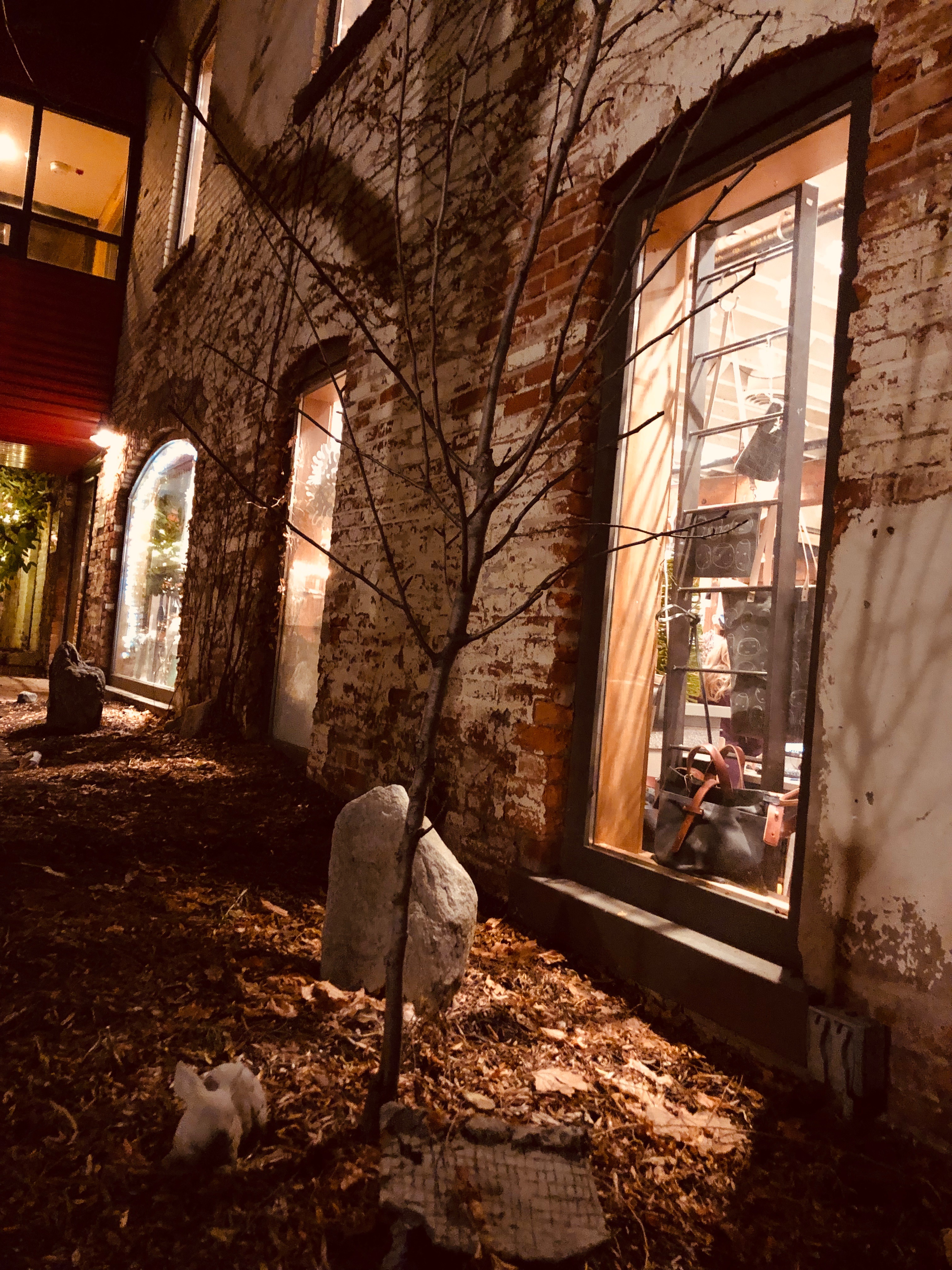
bare tree at rest in early winter.
—
“people don’t remember each tree in a park
but all of us benefit from the trees.
and in a way, artists are like trees in a park.”
-yoko ono
—
kerrytown courtyard, ann arbor, mi, usa

