
is this a carb or carb-free on food pyramid?
so are they anti or pro pasta?
“isn’t life a collection of weird quizzes with no answers to half the questions?”
-pawan mishra, author, screenwriter, director
—
photo credit: google images
is this a carb or carb-free on food pyramid?
so are they anti or pro pasta?
“isn’t life a collection of weird quizzes with no answers to half the questions?”
-pawan mishra, author, screenwriter, director
—
photo credit: google images
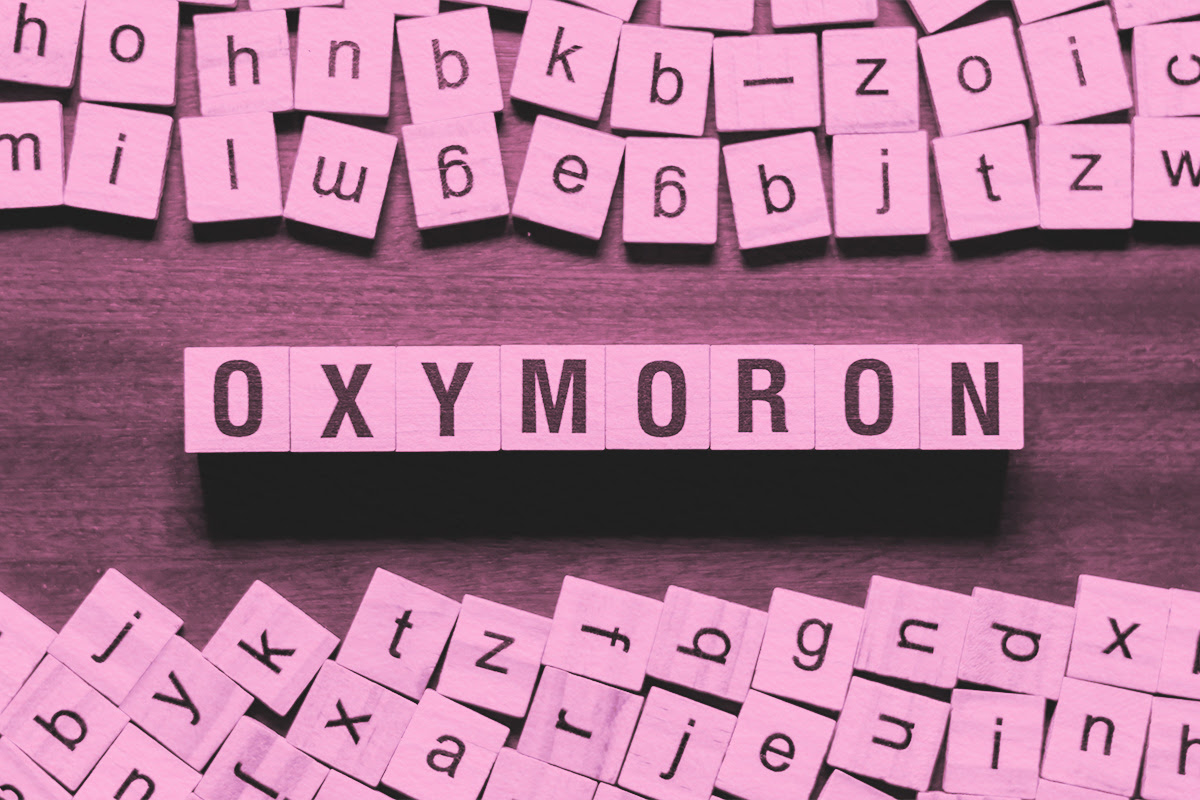
why is ‘oxymoron’ an oxymoron?”
Much like “deafening silence” and “jumbo shrimp,” the word “oxymoron” is a bit of an oxymoron in itself.
The word “oxymoron” may sound like an insult or maybe a cleaning product, but it’s neither. It’s the name for a figure of speech where contradictory terms appear together (e.g., “minor crisis,” “small crowd,” “bittersweet”). But the word “oxymoron” also falls into that category, as it’s derived from ancient Greek words that contradict each other.
“Oxymoron” comes from the Greek oxumōron,which combines oxus (meaning “sharp”) and mōros (“foolish”). Calling something both sharp and foolish comes across as, well, oxymoronic, thus making the word “oxymoron” a perfect example of what it describes.
But being a walking contradiction never stopped the word from becoming a part of our collective vernacular. According to the Oxford English Dictionary, it became popular in the mid-17th century, with people using it to rhetorically emphasize blatantly contradictory phrases. While you may be tempted to call someone an oxymoron as a personal descriptor, doing so wouldn’t be by the book. Instead, the term is best reserved for incongruous sets of words.
—
just when i thought I had a handle on this…..
what is your favorite oxymoron?
my personal favorite is:
‘definite maybe.’
—
‘i’m not going to say i told you so, but i did.’
-nouriel roubini
—
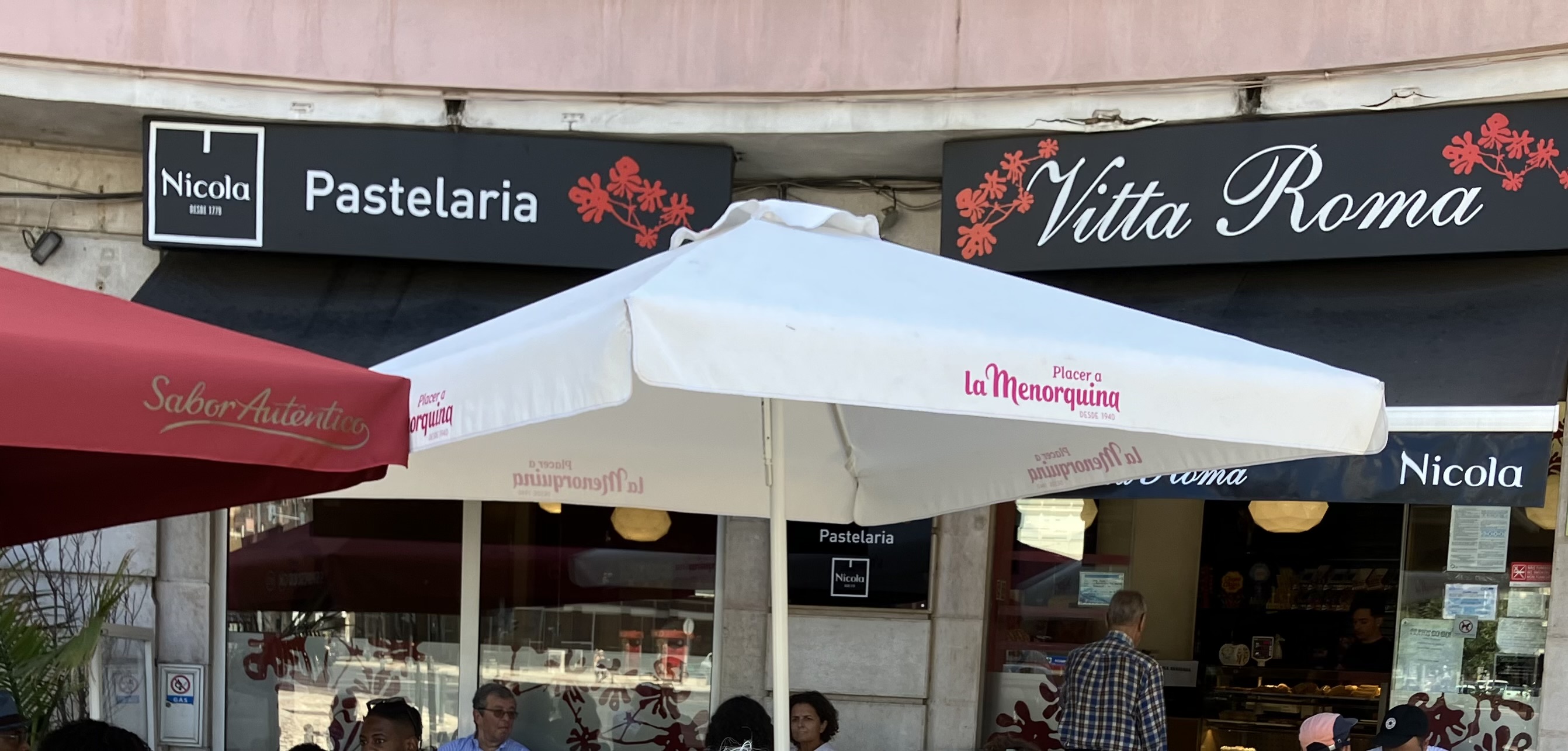 vitta roma cafe
in a neighborhood north of lisboa
lovely outdoor seating
with lots of interesting local people
stopping in
part of their daily routine
we sat outdoors
when asked about food options
our waiter
offered us two choices
a toasted cheese sandwich
or
a ham and cheese toasted sandwich
and all kinds of delicious coffee options
when we finished and went in to pay
we discovered a lovely fresh menu
and beautiful bakery
which an indoor staff member
said was delicioso
(easily translatable to wonderfully good)
perhaps we asked for the special ‘toasted menu’?
we continued exploring
finding our way around
more charming cafes and shops and tiny outdoor bars
had the best fresh mojito i’ve ever had
at a small outdoor bar
where ‘buttered toast’ was an appetizer option
(again, the toast!)
friendly people
lots of languages
places of origin
where language is not a barrier
we meet in the middle
split the difference
come to a mutual understanding.
—
“americans who travel abroad for the first time are often shocked to discover that,
despite all the progress that has been made in the last 30 years,
many foreign people still speak in foreign languages.”
-dave barry

a couple of weeks ago
i decided to finally learn italian
something i’ve wanted to do for a long time
half of my family hertiage is italian
though few of us know more than a minimum of words
i find it to be such a poetic language
musical and pleasant to the senses.
one day i hope to visit italia
and even use some of what i’ve learned.
so here i am
at the top of my game
for a couple of short minutes
in my online duo lingo class
not the most thorough or intense course
often like a game show format
but non-judgmental
a good beginning
and i’m learning some things.
i am now at the point where
if anyone would like to order
a croissant, a coffee, even with cream.
in italian
i am ready and happy to help.
even though i’ve begun italian
i still carry
some crumbs of french from way back:
‘je suis fatigue.’
(i am tired) – use as needed
21 years of pre-k spanish:
‘hola! hay una pinata?’
(hi, is there a pinata?) – also as needed
a lifetime of english, still in process:
(‘what the heck is going on?’) – again as needed, and used often
i will soon be heading to portugal
where none of these languages are spoken
but
the more i learn, the more i know, and the more i know, the more i can,
just kind of mash them all together
use my hands a lot
smile
try to do my best to communicate.
all while hopefully
not offending anyone,
getting engaged,
eating any weird meat products,
or adopting a child who i would have to clear through customs.
‘sliante!’ – (cheers!) to all of you-
because the other side of my family are irish
and this may well be the only word any of us knows of it.
—
‘learning another language is not only learning different words for the same things,
but learning another way to think about things.’
– flora lewis
—
.When thinking in another language, it really changes the way you think,
partly due to the way the language works and partly grasping the culture.
If you go into an italian restaurant and order spaghetto, chances are you’ll leave hungry. That’s because “spaghetto” refers to just a lone pasta strand; it’s the singular form of the plural “spaghetti.” Other beloved Italian foods share this same disinction— one cannoli is a “cannolo,” and it’s a single cheese-filled “raviolo” or “panino” sandwich. Italian language rules state that a word ending in -i means it’s plural, whereas an -o or -a suffix, denotes singularity. As for the term for the beloved pasta dish itself, “spaghetti” was inspired by the Italian word ‘spago,’ which means “twine” or “string.”
i highly doubt that i will ever be using this term, as i would have to order many spaghetto to be happy, so it’s back to spaghetti for me.
—
“everything you see i owe to spaghetti.”
-sophia loren
—
credits: interesting facts, google image
when speaking to someone with an accent
i accidentally/empathetically pick it up
without even realizing it
maybe kind of trying to meet them halfway
but it doesn’t sound like the real accent
i find myself kind of stuck in an in-between zone.
when i was in austraila
many people guessed that i was canadian
my accent had become a mashup
of american english blended with an aussie-ish sound and a bit of slang thrown in.
people have told me for years
when i answer my phone
that i have a lilting accent
with some sort of an undefined european sound to it
‘allo…’
they are sometimes taken aback for a minute
‘is this beth?’
‘oui, why do you ask?’
—
“i subconsciously mimic whomever I’m talking to,
so I’ve been mistaken for a canadian, a south american, and somebody from the west country.”
-chloe pirrie, scottish actress
—
photo credit: ruby lane
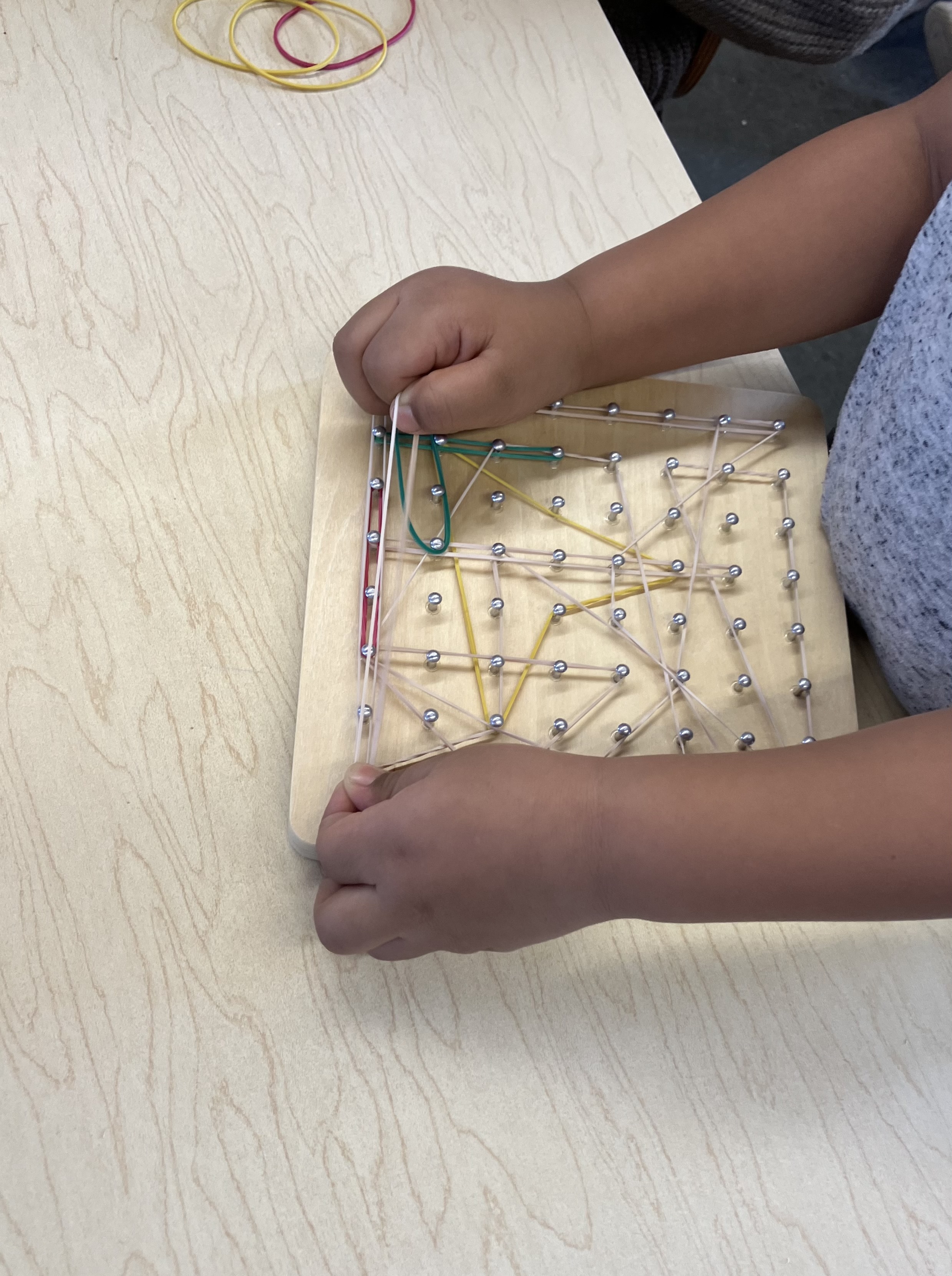
“look, i made a map! and it goes right to my house!”
—
‘the most expressive part of the body when it comes to art.
for a child, their hands often become their voice.’
-the art of creativity
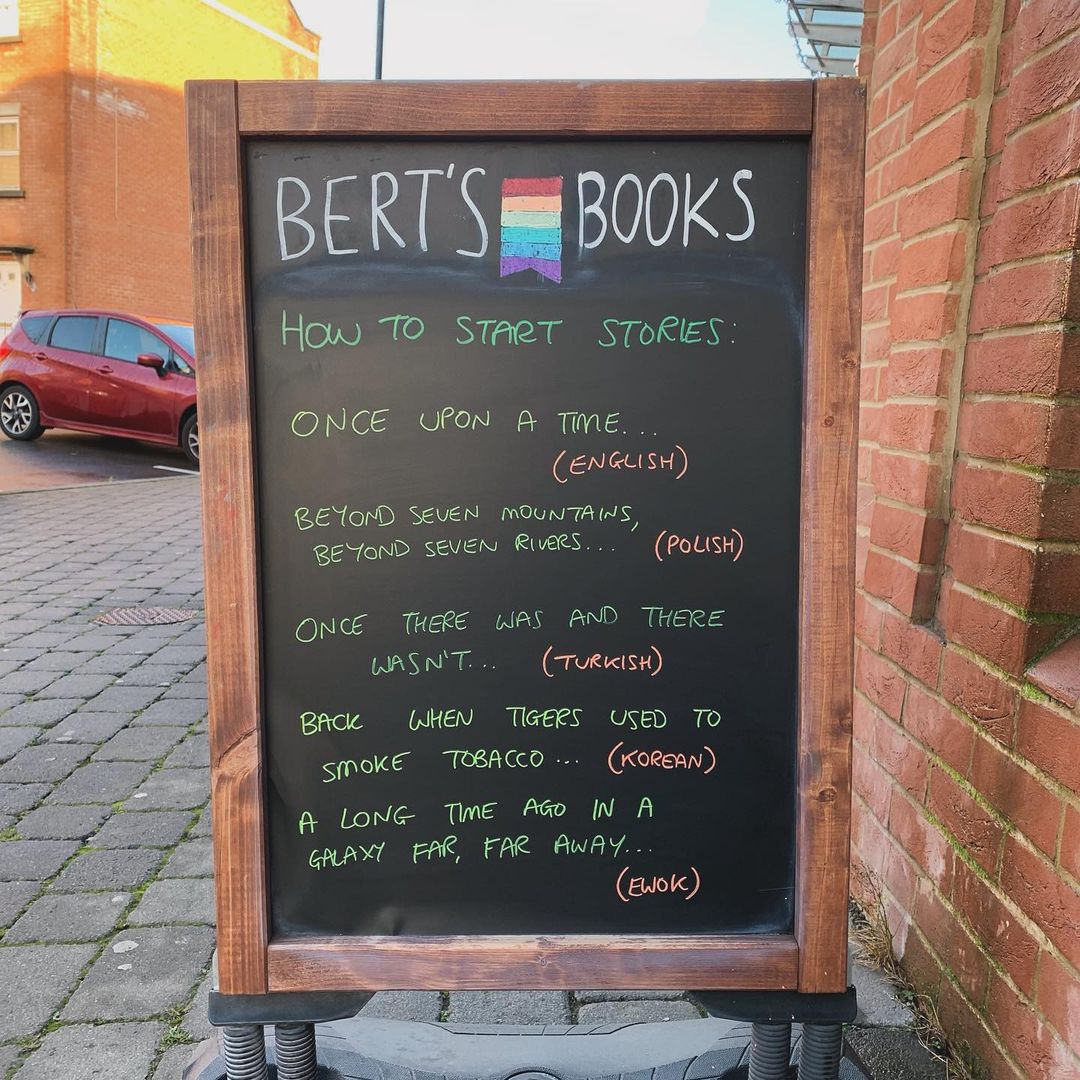
how interesting to see how different cultures/languages might start their books. the last one is pure fun.
how do stories start in your culture/language?
—
how some have responded:
Hungarian tales mix a lot of them, but my favourite is like: “Once upon a time, where it wasn’t, far beyond the glass mountain, where the short-tailed piglet roams, there lived a(n)….”
My mother used to say “When Donkeys wore high hats and Hyde Park was a flower pot “
Romanian : “There was once, as if never, because if it weren’t, the story wouldn’t be told”
—
“we are the storytelling animal. “
-salman rushdie
—
source credits: StoreyBook reviews, erma bombeck writers workshop
小草休扈 请勿扛搅
inaccurate translation:
DO NOT DISTURB. / TINY GRASS IS DREAMING.
while the image of blades of grass sleeping soundly is undeniably adorable,
the chinese public lawn sign posted near the grass was actually meant to read,
accurate translation:
GRASS IS RESTING. DO NOT DISTURB.
i personally prefer the first.
—
—
photo credit: university animal clinic
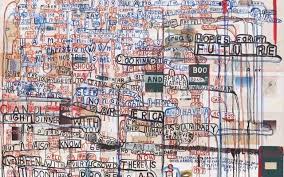
artist: graham gillmore, ploy.
now this is a holiday made for me! i love words of all kinds and am a proud word nerd.
We celebrate National Word Nerd Day on January 9, (missed it by one day), by enthusing about our favorite words and the importance of language in our culture. Whether you always know what to say, or you often end up with your foot in your mouth, words are essential to our success and progress. National Word Nerd Day gives us the chance to learn some new words, use some old ones, and maybe even borrow them from someone else!
Humans have communicated since we first walked on Earth, though our early language was nowhere near as complex as the systems of words we use today. Once, our basic vocabulary range was no different from that of great apes, but as we advanced, so did our language.
With developments in our lifestyle, we needed to be able to name things, communicate ideas, and express ourselves to aid our advancement. Words and language became increasingly important, yet it took many centuries until they were considered important enough to document.
During the medieval period, the written word was considered a luxury, with only the rich or the anointed able to read and write in a sophisticated way. As such, the majority was only able to enjoy words through oral storytelling. Shakespeare and other great wordsmiths used their love of words to delight audiences in the theatres, even inventing words for use in their work.
But by the mid-18th century, reading and writing were more widely taught and accessible to a greater range of people. It became necessary to produce a comprehensive list of words and their meanings in the English language, a task embarked upon by Dr. Samuel Johnson, who was paid the sum of 1,500 guineas (approximately $325,000 in today’s money) for its completion. After seven years of toil, his dictionary was published in 1755 and is still widely regarded as one of the most influential texts of the English language.
Today, we celebrate National Word Nerd Day to mark the importance of words in our history and civilization, giving us an excuse to geek out on our favorites!
 I didn't have my glasses on....