
these busy scarecrows also work part time as my grandies.
—
“though it has no thought of keeping watch, it’s not for naught that the scarecrow stands in the corn field.”
– Dōgen, Japanese Buddhist – Kamakura period (1192–1333),
these busy scarecrows also work part time as my grandies.
—
“though it has no thought of keeping watch, it’s not for naught that the scarecrow stands in the corn field.”
– Dōgen, Japanese Buddhist – Kamakura period (1192–1333),
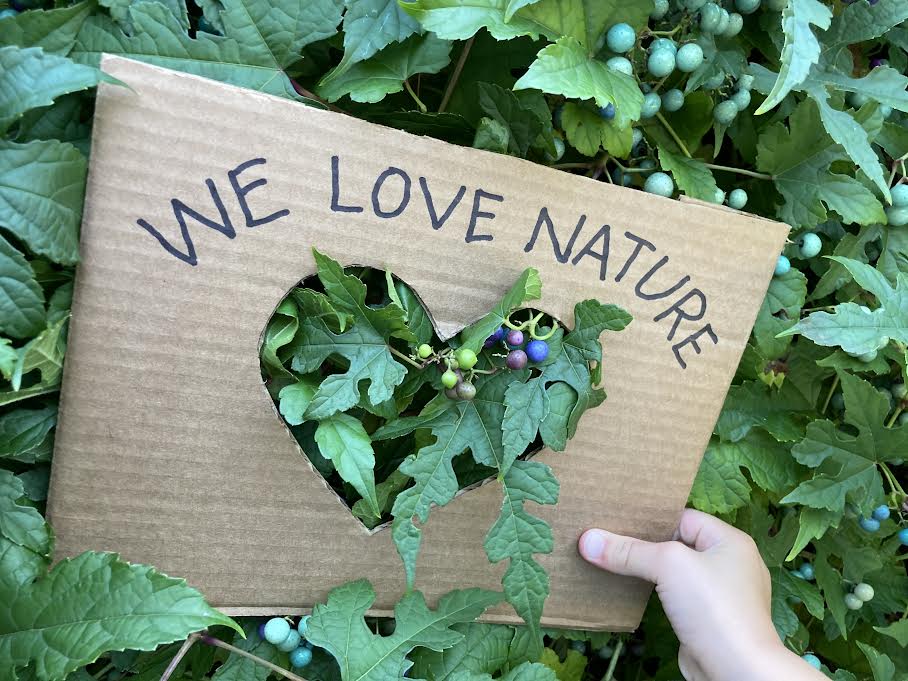
kinder frame the natural beauty found around them

“if you truly love nature, you will find beauty everywhere.”
-laura ingalls wilder
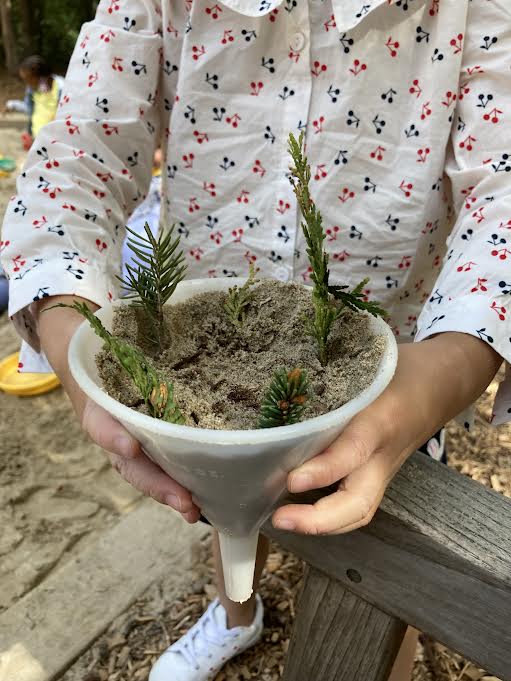
a fine and special treat shared
as we begin our adventure together
homemade foraged ice cream
—
“to see a world in a grain of sand and heaven in a wild flower –
hold infinity in the palm of your hand and eternity in an hour.’
-william blake
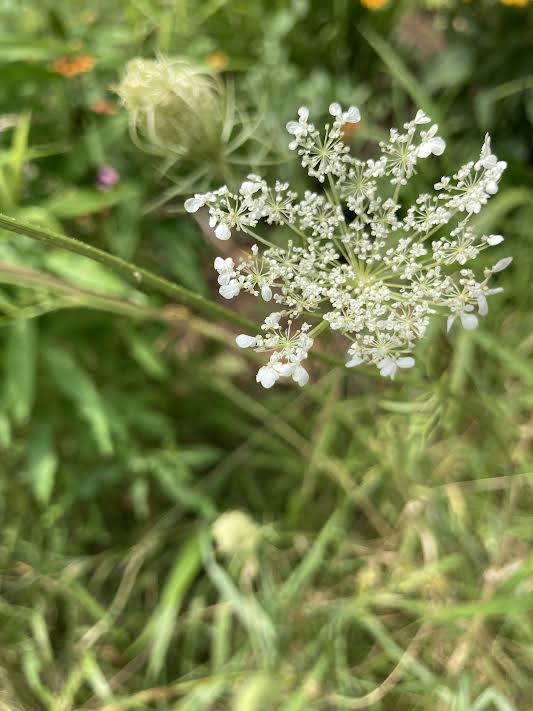
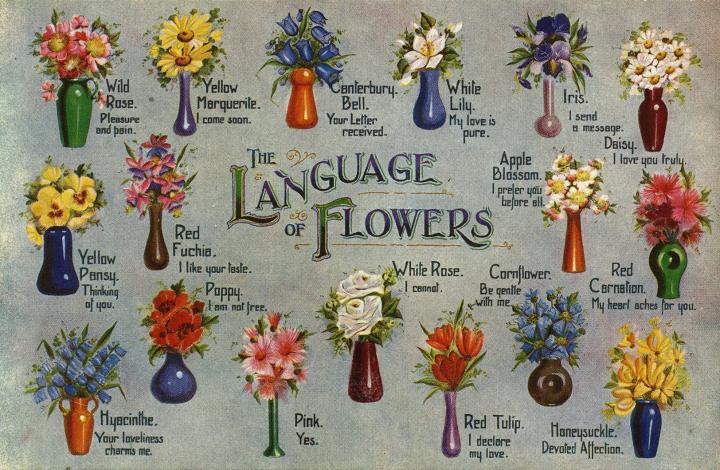
what is your favorite flower?
do you know what it’s saying?
THE HISTORY OF FLOWER MEANINGS – The Language of Flowers
The symbolic language of flowers has been recognized for centuries in many countries throughout Europe and Asia. They even play a large role in William Shakespeare’s works. Mythologies, folklore, sonnets, and plays of the ancient Greeks, Romans, Egyptians, and Chinese are peppered with flower and plant symbolism—and for good reason. Nearly every sentiment imaginable can be expressed with flowers. The orange blossom, for instance, means chastity, purity, and loveliness, while the red chrysanthemum means “I love you.”
FLOWERY LANGUAGE OF THE VICTORIAN ERA
Learning the special symbolism of flowers became a popular pastime during the 1800s. Nearly all Victorian homes had, alongside the Bible, guidebooks for deciphering the “language,” although definitions shifted depending on the source.
In the Victorian era, flowers were primarily used to deliver messages that couldn’t be spoken aloud. In a sort of silent dialogue, flowers could be used to answer “yes” or “no” questions. A “yes” answer came in the form of flowers handed over with the right hand; if the left hand was used, the answer was “no.”
Plants could also express aversive feelings, such as the “conceit” of pomegranate or the “bitterness” of aloe. Similarly, if given a rose declaring “devotion” or an apple blossom showing “preference,” one might return to the suitor a yellow carnation to express “disdain.”
How flowers were presented and in what condition were important. If the flowers were given upside down, then the idea being conveyed was the opposite of what was traditionally meant. How the ribbon was tied said something, too: Tied to the left, the flowers’ symbolism applied to the giver, whereas tied to the right, the sentiment was in reference to the recipient. And, of course, a wilted bouquet delivered an obvious message!
More examples of plants and their associated human qualities during the Victorian era include bluebells and kindness, peonies and bashfulness, rosemary and remembrance, and tulips and passion. The meanings and traditions associated with flowers have certainly changed over time, and different cultures assign varying ideas to the same species, but the fascination with “perfumed words” persists just the same.
—
There is a language, little known,
Lovers claim it as their own.
Its symbols smile upon the land,
Wrought by nature’s wondrous hand;
And in their silent beauty speak,
Of life and joy, to those who seek
For Love Divine and sunny hours
In the language of the flowers.
–The Language of Flowers, London, 1875
—
text credits: Old Farmer’s Almanac, Catherine Boeckmann
art credit: Illustrated postcard. Printed in England/The Regent Publishing Co Ltd.-Dumbarton Oaks Archives

listen….
Silent tree activity, like photosynthesis and the absorption and evaporation of water, produces a small voltage in the leaves. In a bid to encourage people to think more carefully about their local tree canopy, sound designer and musician Skooby Laposky has found a way to convert that tree activity into music.
By connecting a solar-powered sensor to the leaves of three local trees in Cambridge, Massachusetts, Laposky was able to measure the micro voltage of all that invisible tree activity, assign a key and note range to the changes in that electric activity, and essentially turn the tree’s everyday biological processes into an ethereal piece of ambient music.
You can check out the tree music yourself by listening to the Hidden Life Radio—Laposky’s art project—which aims to increase awareness of trees in Cambridge, Massachusetts, and the city’s disappearing canopy by creating a musical “voice” for the trees.
The project features the musical sounds of three Cambridge trees: a honey locust, a red oak, and an 80-year-old copper beech tree, all located outside the Cambridge Public Library. Each tree has a solar-powered biodata sonification kit installed on one of its branches that measures the tree’s hidden activities and translates it into music.
According to WBUR, between 2009 and 2014, Cambridge was losing about 16.4 acres of canopy annually, which is a huge loss considering that tree canopies are crucial to cities, cooling them down during the summer, reducing air pollutino, sucking up carbon, and providing mental health benefits.
Laposky hopes that people will tune into Hidden Life Radio and spend time listening to the trees whose music occurs in real-time and is affected by the weather. Some days they might be silent, especially when it hasn’t rained for several days and they’re dehydrated. The project will end in November, when the leaves will drop — a “natural cycle for the project to end,” Laposky says, “when there aren’t any leaves to connect to anymore.”
—
“in a cool solitude of trees
where leaves and birds a music spin,
mind that was weary is at ease,
new rhythms in the soul begin.”
-william kean seymour
—
source credits: Kristin Toussaint, The Optimist Daily, WBUR Radio

now this is what i call a room with a view.
—
“when you chop wood, chips fly”
-nikolai yezhov
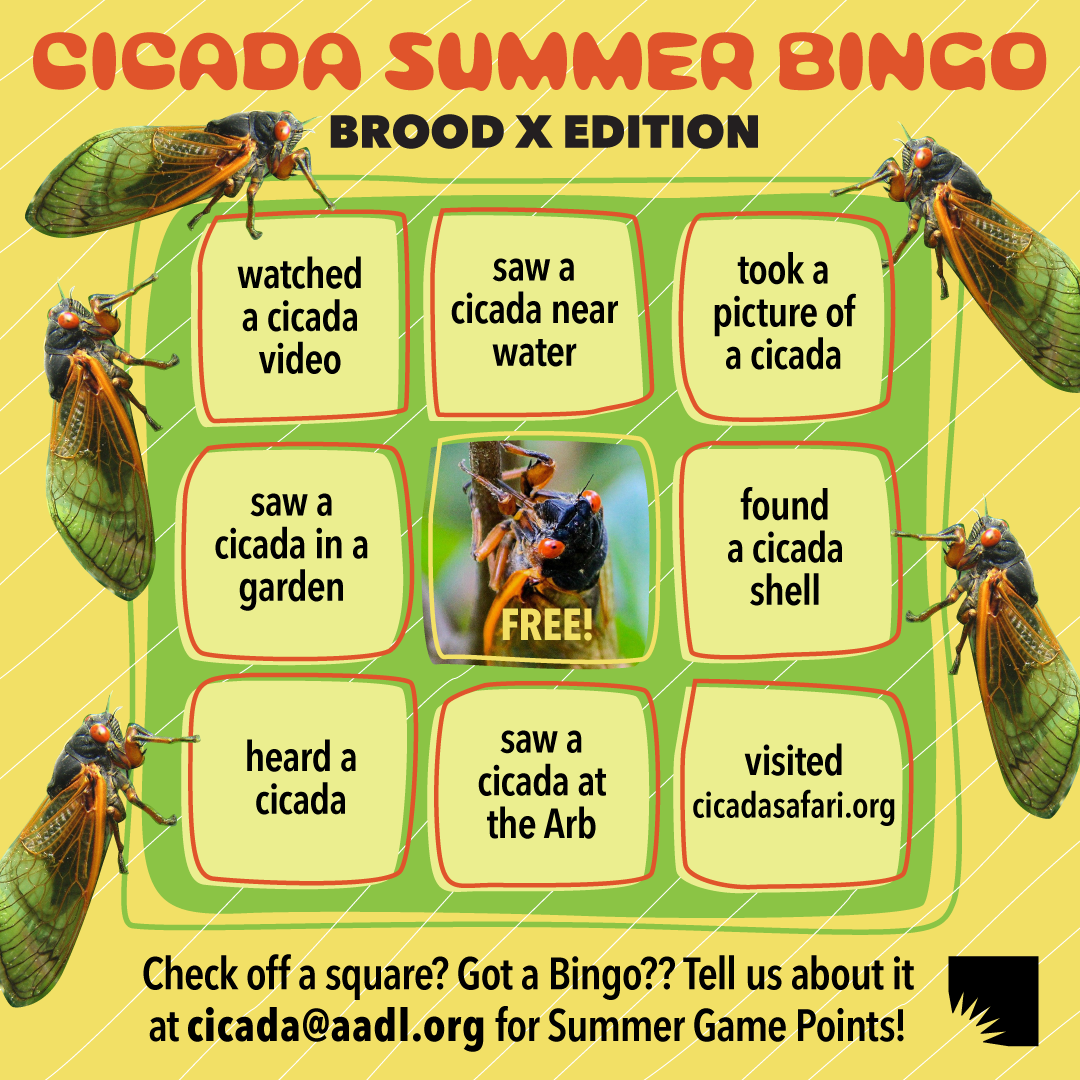
it’s been 17 years and they’re back!
they been sitting around underground
patiently waiting
for a dramatic return
no reason to stress
instead
our library has created a city-wide bingo game in their honor
what could be more fun?
and i’ve already got my free spot filled.
—
Cicada Summer
Brood X has ARRIV- er, EMERGED from the depths to see YOU!!!!
But have YOU seen THEM? HEARD them?? READ ABOUT THEM??? FOUND THEIR SHELLS????
If you have, you may have one or more boxes checked off on our CICADA SUMMER BINGO!!!
From your friends at the Ann Arbor Public Libraries
—
“i work even in the middle of the day, in the full sunshine, and i enjoy it like a cicada.”
-vincent van gogh
—
source and photo credits: ann arbor district library, cicada@aadl.org
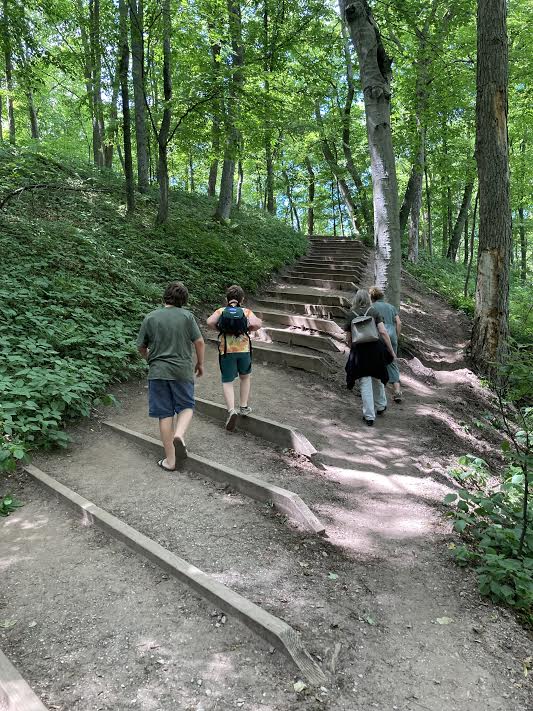
“there are no shortcuts to any place worth going”
-beverly sills
—
empire bluffs trail, empire, michigan, usa – june 2021

“tis distance lends enchantment to the view, and robes the mountain in its azure hue”
– thomas campbell (scottish poet)
—
lake michigan, empire, michigan, usa – june 2021
 I didn't have my glasses on....