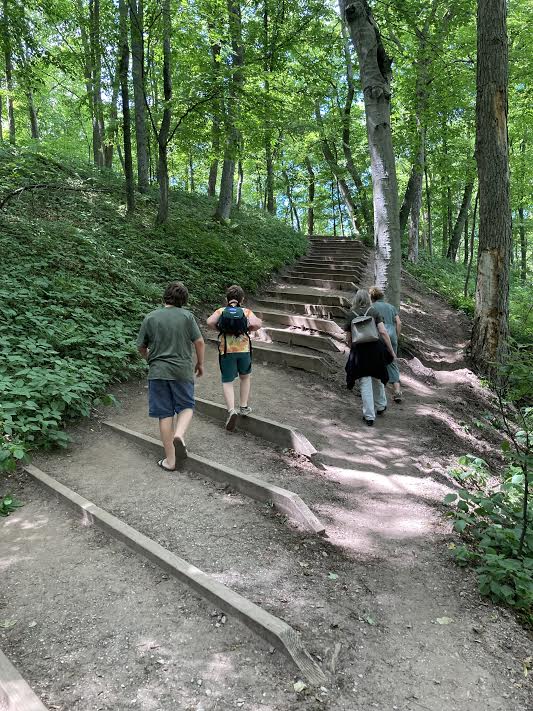
“there are no shortcuts to any place worth going”
-beverly sills
—
empire bluffs trail, empire, michigan, usa – june 2021
“there are no shortcuts to any place worth going”
-beverly sills
—
empire bluffs trail, empire, michigan, usa – june 2021

“tis distance lends enchantment to the view, and robes the mountain in its azure hue”
– thomas campbell (scottish poet)
—
lake michigan, empire, michigan, usa – june 2021
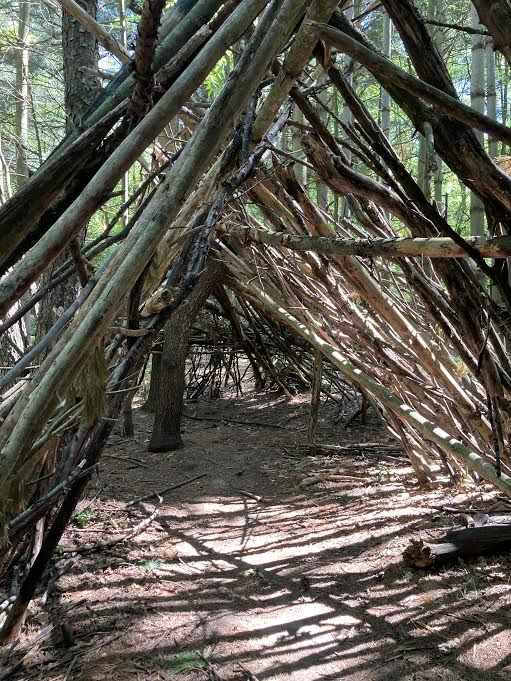 a warm welcome from mother nature
walking with
2 grands
through
1 park
1 forest
finding
3 sister lakes
mother nature
and
forest daddy
a family affair.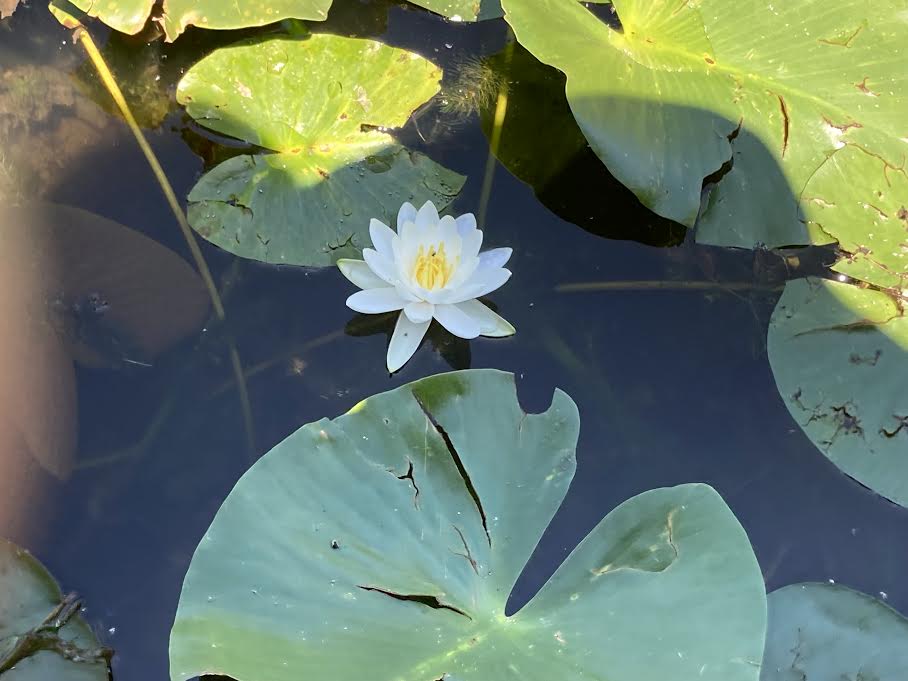
3rd sister lake
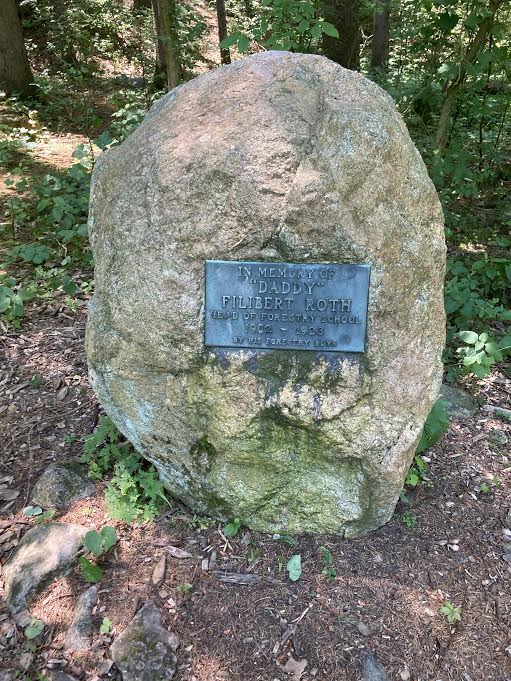
“In memory of “Daddy” Filbert Roth
Head of Forestry School (UM)
1902-1923
By his Forestry Boys
—
“nature is a serenade for souls willing to hear.”
-saba k.
—
Dolph Park, Saginaw Forest, 3 Sister Lakes – Ann Arbor, MI, USA
June 2021
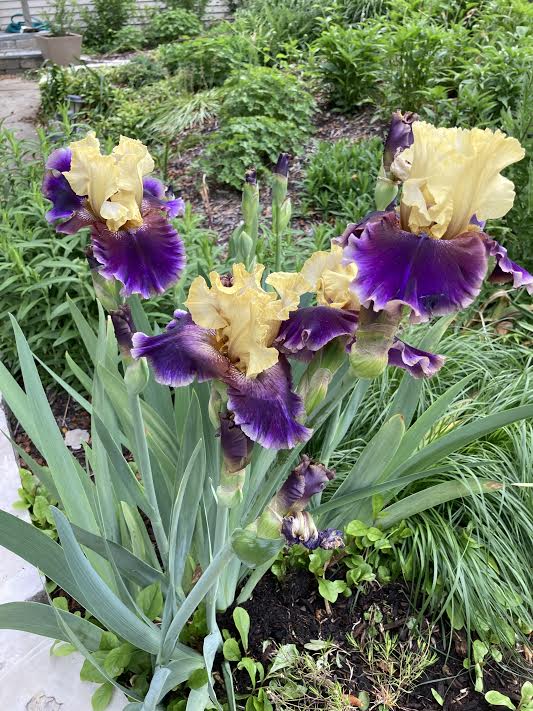
on an almost summer stroll.
—
“for a strolling damsel a doubtful reputation bears.”
johann woflgang von goethe

yeti and olive – one waves hello, one nods goodbye
—
“nature is forever arriving and forever departing, forever approaching, forever vanishing;
but in their vanishings there seems to be ever the waving of a hand,
in all her partings a promise of meeting farther along the road.”
-richard le gallienne – english poet
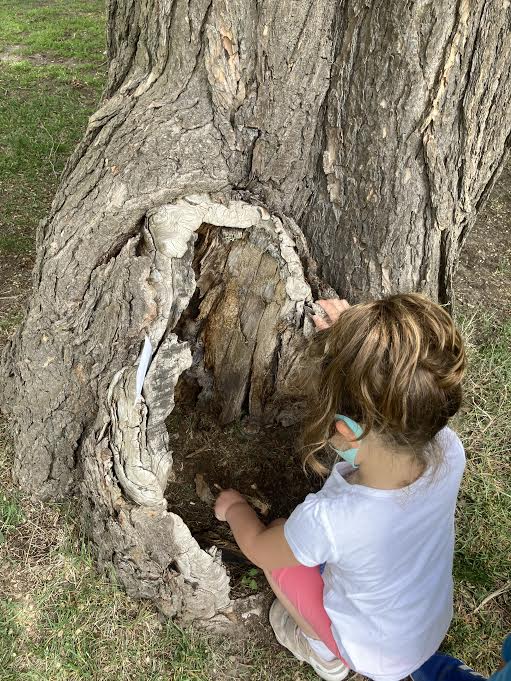
another delightful discovery
—
“nature was here a series of wonders, and a fund of delight.”
-daniel boone
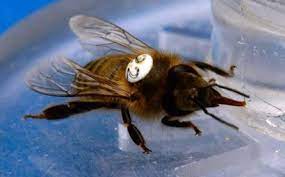
Bees Love Caffeine, Too
Even the busiest bees need a little pick-me-up in the morning. A study by researchers at the University of Sussex finds that bees love a little caffeine, and prefer nectar that gives them a little extra buzz.
The paper, published in the journal Current Biology tested bees’ preferences for caffeinated nectar and an equal-quality but non-caffeinated alternative. As many as 55 percent of plants have low concentrations of caffeine in their nectar, and previous research has found that caffeinated nectar can increase bees’ memory of a flower’s scent.
When presented with a pair of sugary nectars in the lab, one with caffeine and one without, bees foraged for food more when they ate the caffeinated nectar, and directed their fellow bees to that food source more often. They directed other bees to the caffeinated nectar four times more than when they had eaten non-caffeinated nectar, and would return to the source of caffeine even after that feeder had run dry. After eating caffeinated nectar, they were less likely to seek out other sources of food. In short, they got sort of addicted.
Plants “may be tricking the honey bee by securing loyal and faithful foraging and recruitment behaviors, perhaps without providing the best quality forage,” University of Sussex researcher Margaret Couvillon explains. The bees get tricked into thinking the caffeinated nectar is a higher quality food source than it really is, and aren’t too interested in diversifying their nectar sources.
—
celebrate the bees
today on world bee day
and every day
—
“if we die, we’re taking you with us.”
-The Bees
—
credits: mental floss, shaunacy ferro, entomology today

after hiking to the secret climbing tree
mother nature designed
only for kids
we enter under the canopy of emerald leaves
to find the magic inside.
—
“wood is only one-syllable word, but behind it lies a world full of beauty and wonder.”
-theodor heuss
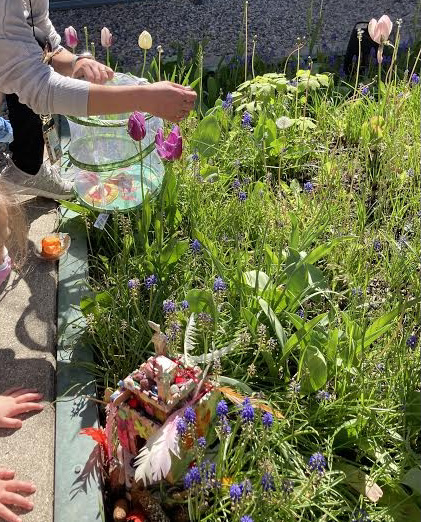
after one final close look
at the butterflies we raised
it’s time to release them back into nature
where they quickly find their wings.
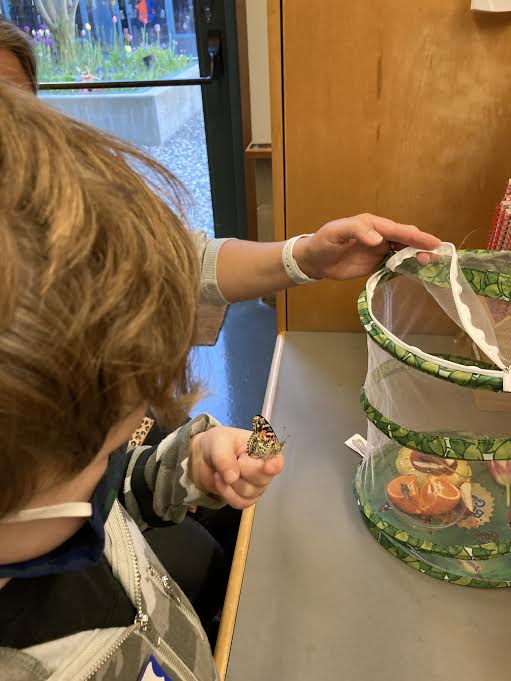
“the butterfly counts not months but moments, and has time enough.”
-rabindranath tagore
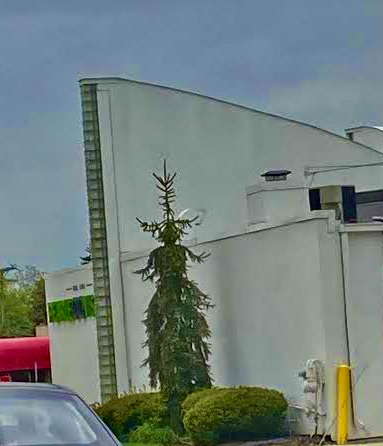
drove by
this lovely tree
dressed in all of it’s finest adornments
dancing to the wind.
—
“no matter how mighty and strong a tree is,
it will always dance to the tune of the wind.”
-okelola olamigoke

