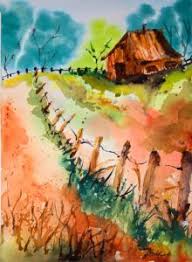
on labor day.
—
“take rest. a field that has rested gives a bountiful crop.”
— ovid
—
art credit: whispers of the countryside, david dockery, watercolor
on labor day.
—
“take rest. a field that has rested gives a bountiful crop.”
— ovid
—
art credit: whispers of the countryside, david dockery, watercolor

not me, but a cat supermodel, also choosing a day of rest
wonderful new experiences
being on the other side
at the polls yesterday
good people to work with
city support and check-ins
lots of young people, people who came in the rain, motivated, informed
asking to vote
trouble shooting
problems resolved without issue
good dress rehearsal
for the big show in november
i learned so very much
from 6am to 10pm.
today, we rest.
—
“in retirement, i look for days off from my days off.”
– mason coole
—
image credit: google images
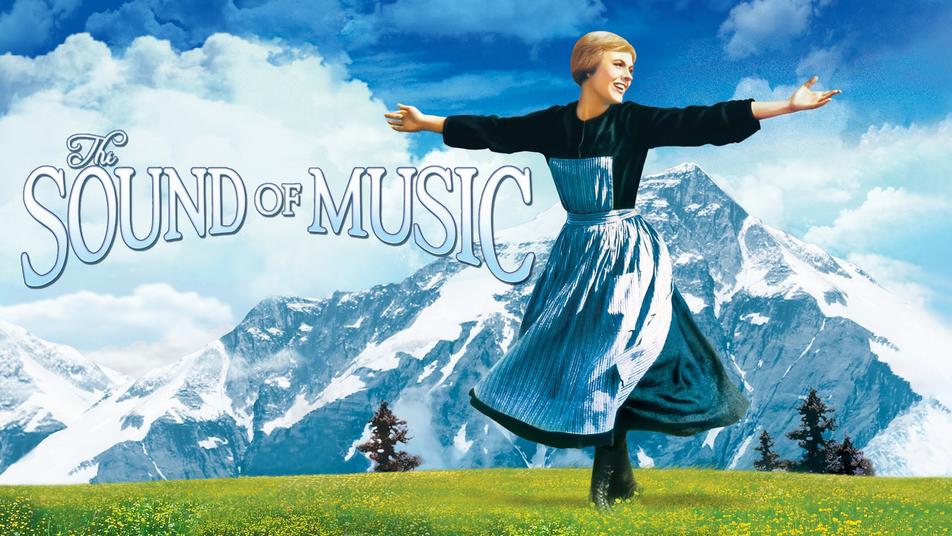
so off i go today
to the convent
where i’ll stay and meet up with
my sister and my aunt who is a sister
relax, talk, walk, meditate, share meals, laugh, cry, remember, tell stories
see her sacred and important places
shared spaces
if i was a nun
i imagine myself
singing and running through the hills
like sister maria in the alps
but i think this spring break
slow and easy
may be exactly perfect
a time of rest and renewal.
—
“get thee to a nunnery, go.”
– hamlet to ophelia (written by william shakespeare)
—
photo credit: 20th century-fox studios, the sound of music, 1965
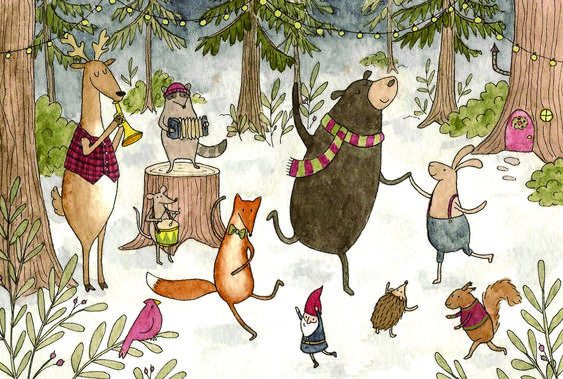
i’m on winter break
and i’d say that i’m most like
the accordian-playing raccoon on the tree stump
or
the twirling hedgehog in a forest-rave mindset.
and
later someone sleeping behind that tiny red tree door.
—
“the christmas season is upon us – a time for reading, dancing and all joyous festivities!”
credits: artwork by Eelen burch.
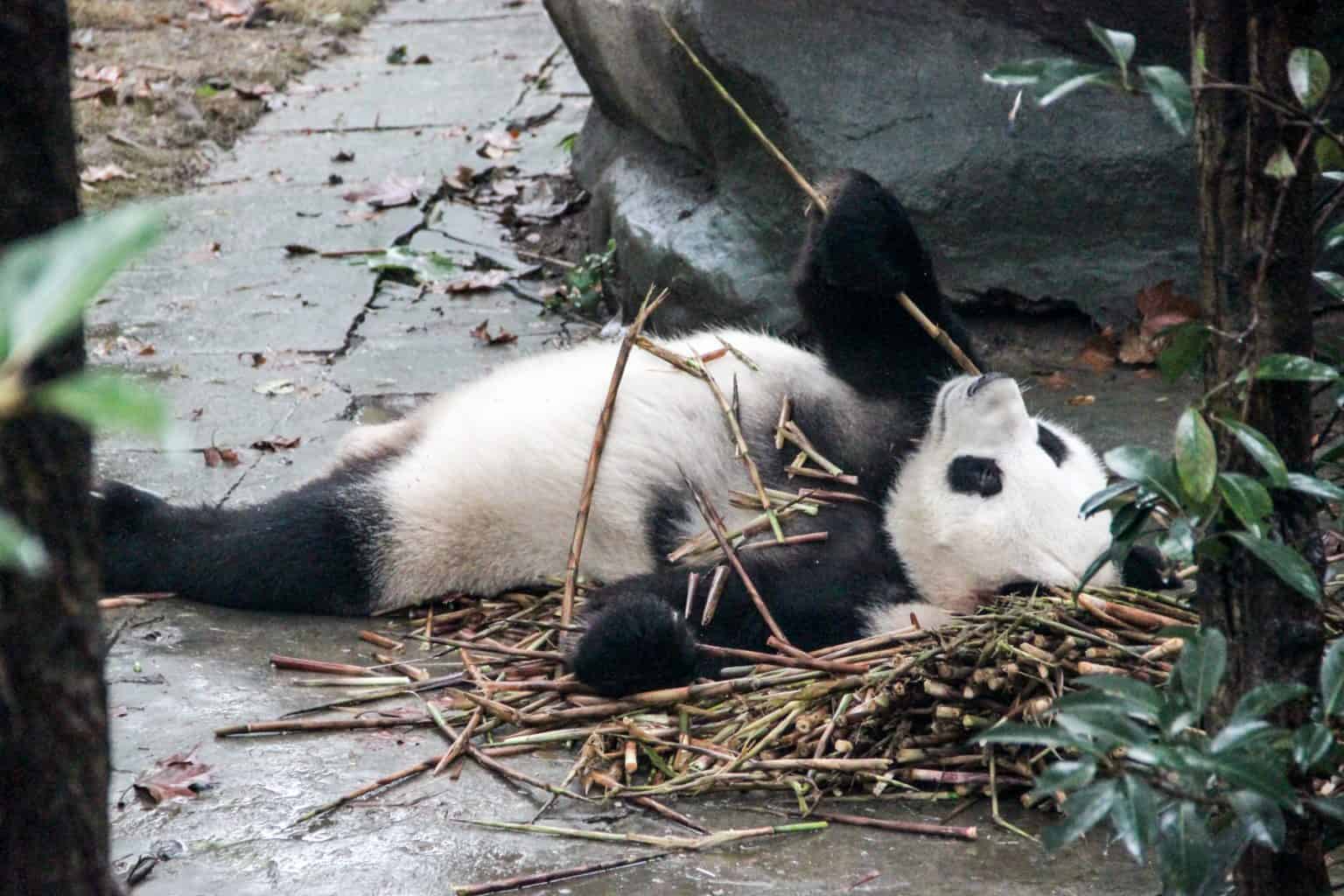
lounging with leftovers
(this is not me, but we share a similar attitude and approach to the day after)
—
“rest and be thankful.”
-william wordsworth
—
image credit: borders of adventure, china

“i would maintain that thanks are the highest form of thought, and that gratitude is happiness doubled by wonder.”
-gilbert k. chesterton
—
art credit: karen davis, by frost and candlelight

(not me, but how we will both be spending the day. and i really like her blanket.)
blankets, soup, juice, meds, rest, repeat.
—
“i shall not die of a cold. i shall die of having lived.”
-willa cather
—
image credit: pinterest
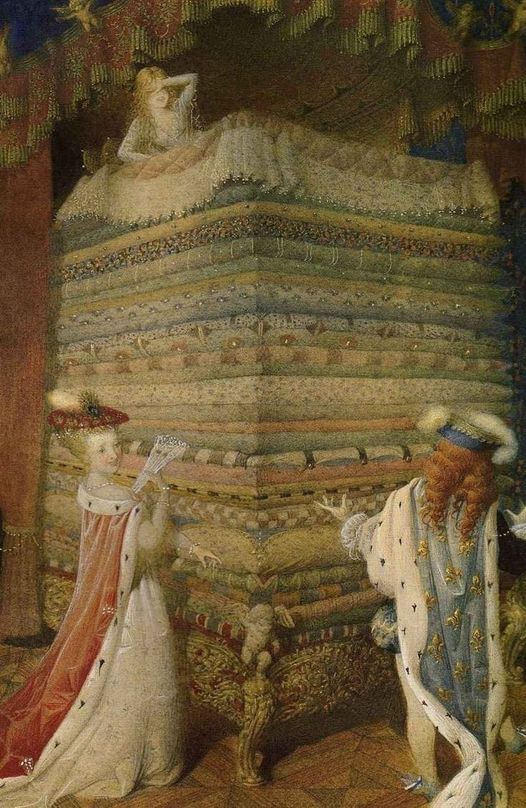
not a painting of me, but i’m kind of jealous of the princess’s bed.
(except for the annoying vegetable keeping her awake )
—
restful gentle dreams
soft, fluffy, feathery, warm
in my sleeping nest.
—
*La Principessa sul pisello/The Princess on the Pea
art credit: Gennadin Spirin
story credit: Hans Christian Anderson
—
‘o sleep, o gentle sleep,’ i thought gratefully, ‘nature’s soft nurse!’
-elizabeth kenny
—
*”The Princess and the Pea” (Danish: “Prinsessen paa Ærten”; direct translation: “The Princess on the Pea”) is a literary fairy tale by Hans Christian Anderson about a young woman whose royal ancestry is established by a test of her sensitivity. The tale was first published in May of 1835.
Andersen had heard the story as a child, and it likely has its source in folk material, possibly originating from Sweden, as it is unknown in the Danish oral tradition. Neither “The Princess and the Pea” nor Andersen’s other tales of 1835 were well received by Danish critics, who disliked their casual, chatty style and their lack of morals.

for even the bravest of warriors there comes a time to lay down their swords and rest
—
“to be a warrior is to learn to be genuine in every moment of your life.”
-chogyam trungpa

“let your children see you slow down.
read a book, walk in the woods,
sip coffee in the early hours of the morning.
because when they grow up,
they’ll know how to slow down, too.”
-angela anaghost-repke
 I didn't have my glasses on....