Tag Archives: science

an instant out of time.

Standard

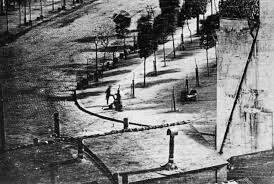
The first candid photograph of a person was taken in 1838.

Before the 19th century, photography did not exist, so people who wanted a lasting image of their home, their family, or themselves had to have one painted, sculpted, or drawn. In the early 1800s, inventors in France and England were at the center of the effort to create photographic representations of objects and people. In France, Joseph Nicéphore Niépce stunned the world in 1827 when he released what is believed to be the first photograph ever taken, titled “View from the Window at Le Gras.” Niépce rendered the image using a camera obscura combined with a light-sensitive metal plate, a process he called heliography. Despite its success, the heliograph required several days of exposure to capture the scene, eliminating the opportunity to photograph any people who may have been on the street

In 1829, Niépce met artist and printmaker Louis-Jacques-Mandé Daguerre. Each man was familiar with the other’s work. Niépce admired Daguerre’s rotating diorama that had captivated Parisian audiences in 1822. Daguerre, like Niépce, saw the potential of improving upon the camera obscura to create clear and permanent images. They entered into a business partnership that resulted in the creation of the daguerreotype, an innovative photographic process that required only four to five minutes of exposure.  The quicker shutter speed allowed Daguerre’s camera to capture an image never seen before: a photo of a human being. In 1838, he debuted a daguerreotype of a street scene on the Boulevard du Temple in Paris. In the lower left corner of the photo we can see a man having his shoes shined; remaining stationary allowed him to be included in the photo, something that would have been impossible using the multiple-day exposure that heliographs required. This anonymous stranger on Boulevard du Temple was not simply the subject of the world’s first candid photograph— he’s also believed to be the first human being ever photographed.

“photography takes an instant out of time, altering life by holding it still.”
– dorothea lange


source credit: historyfacts


conspiracy theory.

Standard

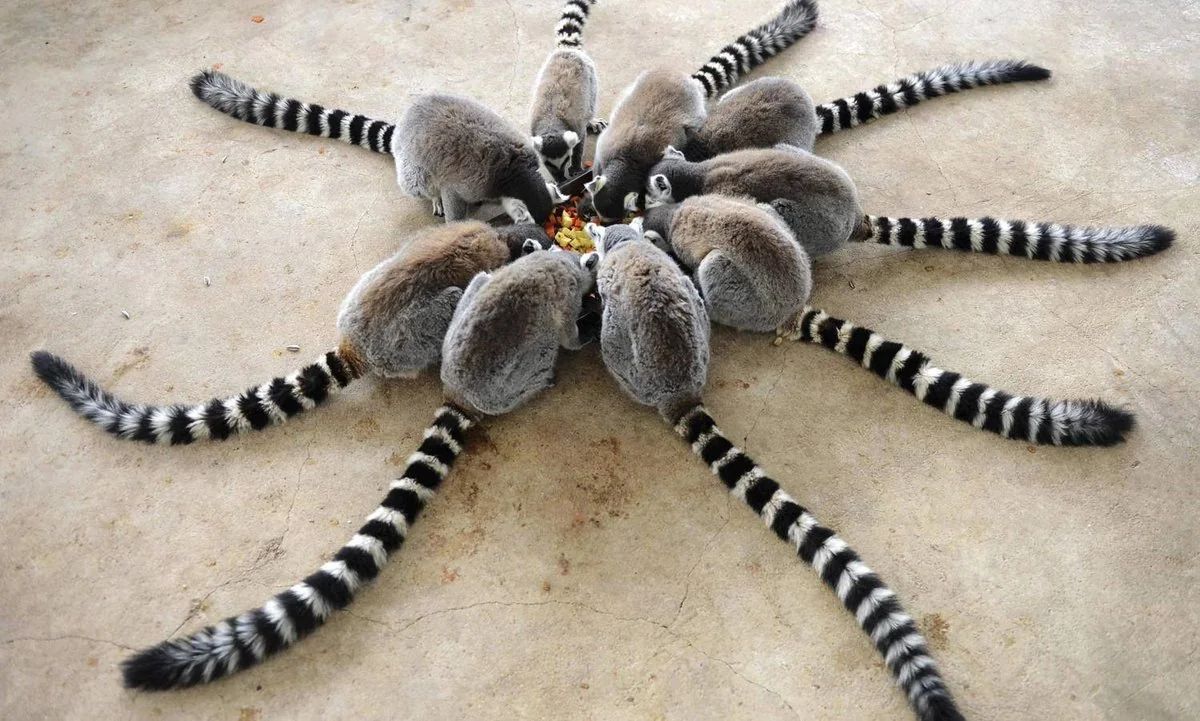
no, this is not a giant hairy spider

it’s just a conspiracy of ring-tailed lemurs

having a snack at their mobbing  planning session.


A group of lemurs is called a conspiracy. Lemurs are social animals and live in mini communities of around 10-25 members. As a result of this, they often work together, or ‘conspire’ to outwit predators using a technique called ‘mobbing’.


image credit: nature is amazing


on earth day.

Standard

“no water, no life. no blue, no green.”

*sylvia earle


*Sylvia Alice Earle is an American marine biologist, oceanographer, explorer, author, and lecturer.

She has been a National Geographic Explorer at Large since 1998.


image credit: mayo clinic

can rocks break?

Standard

the kinder have been very interested in learning about rocks lately

they collected them

sorted them

brought in favorites

made a rock museum

painted with them

shared what they knew

still had questions.

one question was-

can rocks break?

now we all know.

“the violets in the mountains have broken the rocks.”

-tennessee williams

be water.

Standard

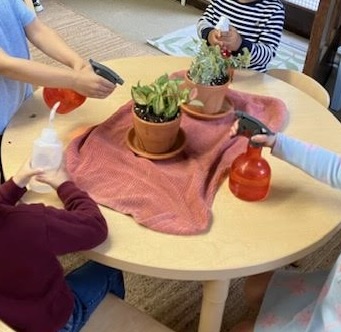
when all are watering the plants at the same time,

while facing each other,

what could possibly happen?

let’s do the probability math.


“be water, my friend.”

-bruce lee


meraki.

Standard

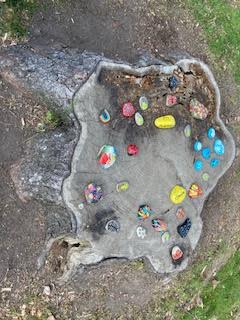
painted rocks left on a tree stump in our courtyard

our science teacher

retiring after many years

has lovingly hand painted

180-ish unique and detailed rocks

one for each of the children in our early childhood  program

all having to do with science, nature, kindness, joy

our children were absolutely thrilled

with this lovely legacy.

meraki is doing something with total love, and pure soul.

it is leaving a little piece of yourself in your creative work.

(greek origin)


spring chickens.

Standard

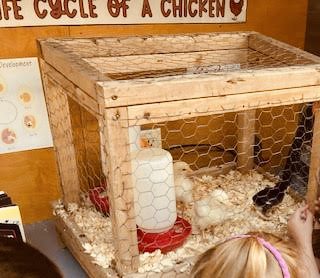
the kinder, who are spring chickens, check out the other spring chickens

and the other spring chickens check out the kinder. 

“the sun’s not yellow, it’s chicken!”

-bob dylan

nests.

Standard


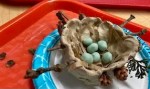
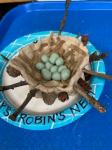
robin’s nests created by the kinder using natural materials 

clay, twigs, pinecones, clippings

any robin would be happy to raise her babies in one of these beautiful homes


“wildness we might consider as the root of the authentic spontaneities of any being. it is that wellspring of creativity whence comes the instinctive activities that enable all living beings to obtain their food, to find shelter, to bring forth their young; to sing and dance and fly through the air and swim through the depths of the sea. this is the same inner tendency that evokes the insight of the poet, the skill of the artist, and the power of the shaman.”-  thomas berry


follow your eyes.

Standard

we went to see the dinos

and along the way

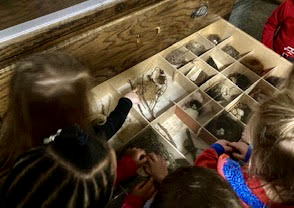
we peeked inside of a magical drawer

filled with beautiful eggs and nests

what wonderful surprise

there’s always something

you don’t expect to discover

when you go to a museum.

“don’t go to a museum with a destination. museums are wormholes to other worlds. they are ecstasy machines. follow your eyes to wherever they lead you…and the world should begin to change for you.”
– jerry saltz

rock out.

Standard

when you’re little

 walking around the museum

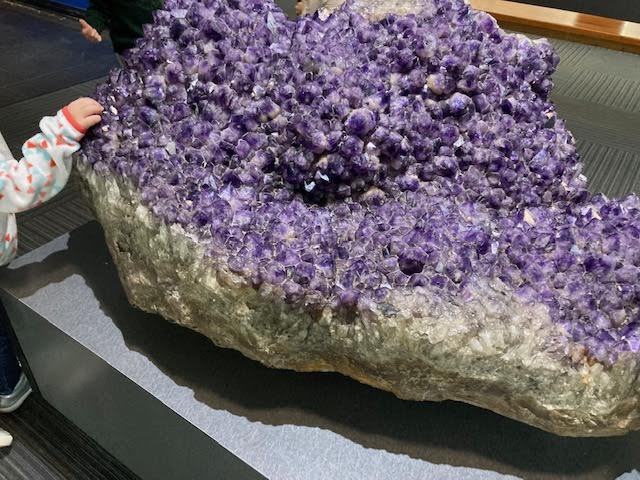
 see a big old bumpy boring rock

walk around to the front of it

 find an amazing, amazing surprise

that is inside of it

you just have to touch it

 there are no words.

“sometimes the most shocking surprises are the most beautiful surprises.”

-lori wilhite