
even in the midst of a very cool spring
one of the best ways to enjoy the day.
—
“walk as if you are kissing the earth with your feet.”
– Thich Nhat Hanh
—
saginaw woods, ann arbor, michigan, usa – spring 2025
even in the midst of a very cool spring
one of the best ways to enjoy the day.
—
“walk as if you are kissing the earth with your feet.”
– Thich Nhat Hanh
—
saginaw woods, ann arbor, michigan, usa – spring 2025
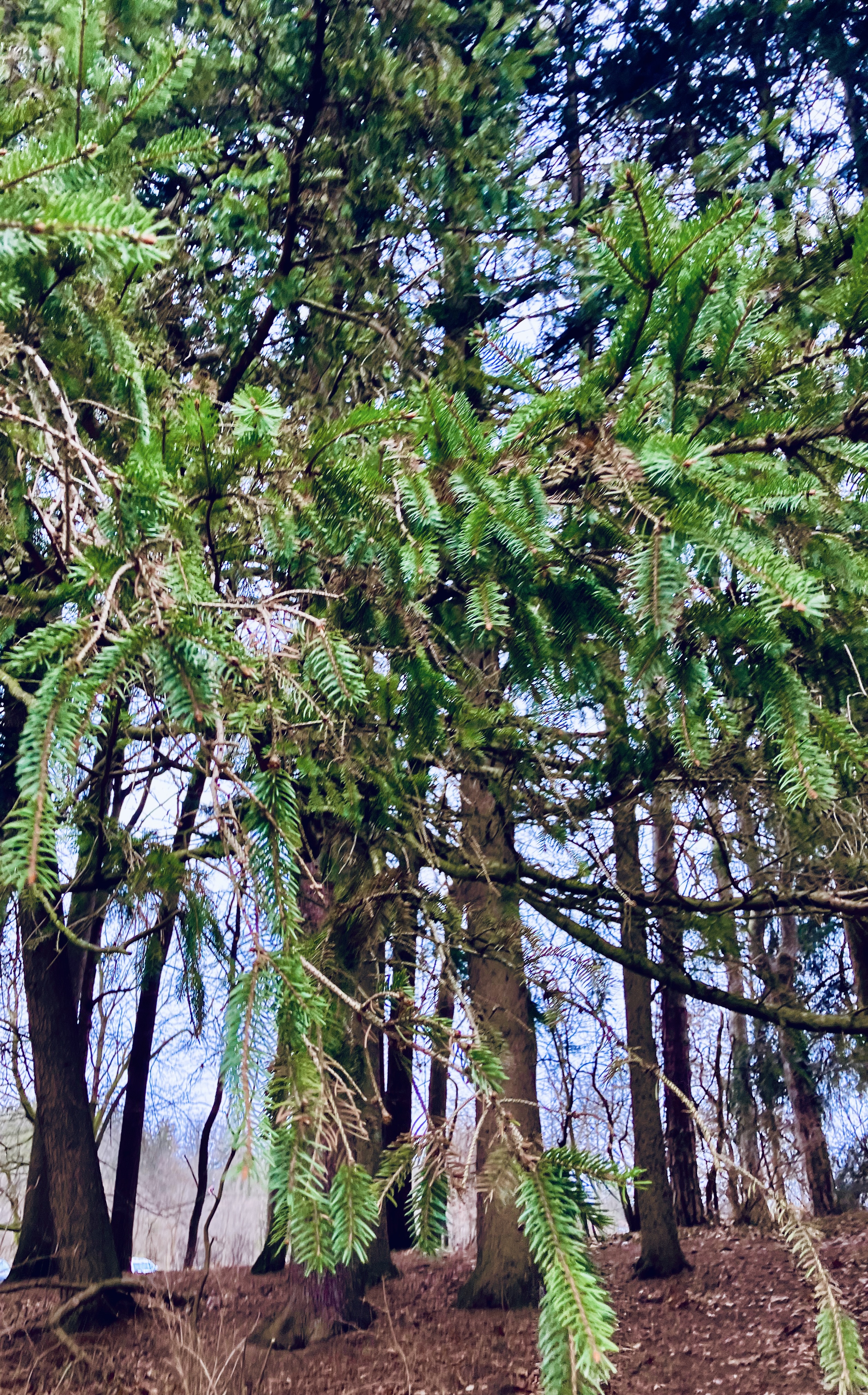
something special about being in the pines
—
‘between every two pine trees there is a door leading to a new way of life.”
-john muir
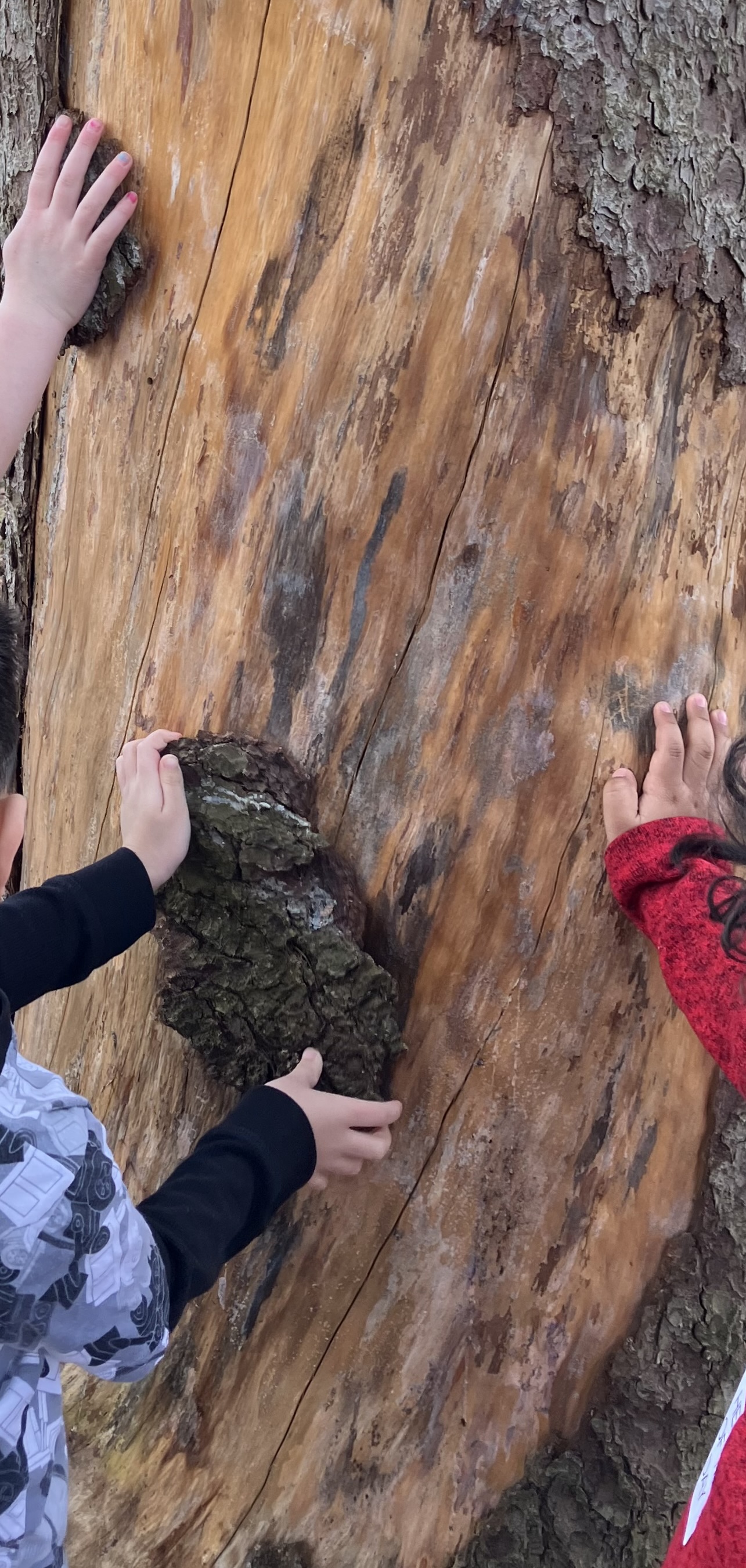
the kinder were very worried about a tree that had lost some of its bark
they spent a long time finding little chunks of bark lying on the ground
trying to piece it back together and fill it in like a puzzle.
some had questions about how it might have fallen off.
‘was it a big, big storm?’
‘did something hurt it?’
‘did it get sick?’
some had thoughts about the tree.
‘i remember this tree from when we played here.’
‘that’s kind of sad.’
‘don’t worry, i saw in a book that it will be okay.’
try as they might, they couldn’t get the bark
to stick back on the bare part of the trunk
they left the pieces nearby on the ground around it
used a stick to mark where it was
gave it a hug before we walked back to our classroom.
—
“there’s nothing wrong with having a tree as a friend.”
-bob ross
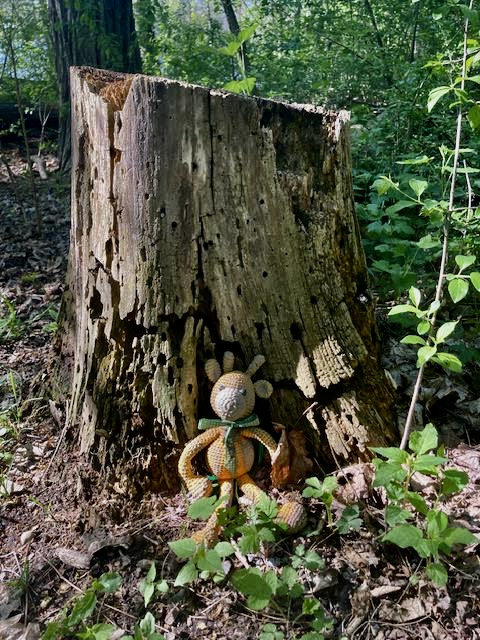
imagine my delight
when discovering this spring baby giraffe
in the woods near my home
i had no idea that they were native to michigan.
—
“however much you know giraffes, to see one in the wild for the first time feels prehistoric.”
-jane goodall

a kind tribute
to my little himilayan irish kitty
yeti kennedy
from my compassionate vet’s office
in a perfect circle
he
appeared from the wild
returned to the wild.
—
“trees are as close to immortality as the rest of us ever come.”
― karen joy fowler
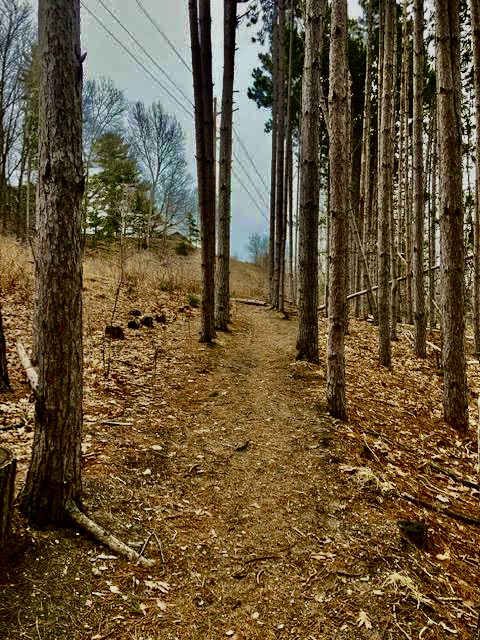

“it is the empty seats that listen most raptly.”
-james richardson
—
northside woods , ann arbor – fall 2021

listen….
Silent tree activity, like photosynthesis and the absorption and evaporation of water, produces a small voltage in the leaves. In a bid to encourage people to think more carefully about their local tree canopy, sound designer and musician Skooby Laposky has found a way to convert that tree activity into music.
By connecting a solar-powered sensor to the leaves of three local trees in Cambridge, Massachusetts, Laposky was able to measure the micro voltage of all that invisible tree activity, assign a key and note range to the changes in that electric activity, and essentially turn the tree’s everyday biological processes into an ethereal piece of ambient music.
You can check out the tree music yourself by listening to the Hidden Life Radio—Laposky’s art project—which aims to increase awareness of trees in Cambridge, Massachusetts, and the city’s disappearing canopy by creating a musical “voice” for the trees.
The project features the musical sounds of three Cambridge trees: a honey locust, a red oak, and an 80-year-old copper beech tree, all located outside the Cambridge Public Library. Each tree has a solar-powered biodata sonification kit installed on one of its branches that measures the tree’s hidden activities and translates it into music.
According to WBUR, between 2009 and 2014, Cambridge was losing about 16.4 acres of canopy annually, which is a huge loss considering that tree canopies are crucial to cities, cooling them down during the summer, reducing air pollutino, sucking up carbon, and providing mental health benefits.
Laposky hopes that people will tune into Hidden Life Radio and spend time listening to the trees whose music occurs in real-time and is affected by the weather. Some days they might be silent, especially when it hasn’t rained for several days and they’re dehydrated. The project will end in November, when the leaves will drop — a “natural cycle for the project to end,” Laposky says, “when there aren’t any leaves to connect to anymore.”
—
“in a cool solitude of trees
where leaves and birds a music spin,
mind that was weary is at ease,
new rhythms in the soul begin.”
-william kean seymour
—
source credits: Kristin Toussaint, The Optimist Daily, WBUR Radio

“what difference does it make if you live in a picturesque little outhouse
surrounded by 300 feeble minded goats and your faithful dog?
the question is: can you write?”
– Ernest Hemingway
—
early winter hiking in MacCready Nature Reserve, Irish Hills, MI, USA 2020
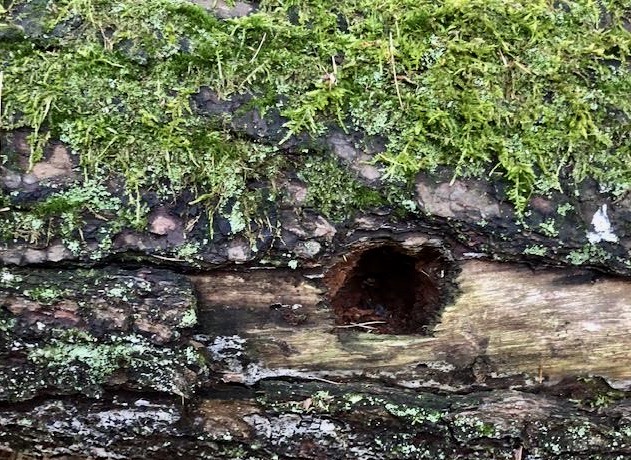
wondering who in the woods calls this fallen log, ‘home’
—
“there is something in the trees awaiting discovery.”
– steven magee
 I didn't have my glasses on....