Tag Archives: words

treasure.

Standard

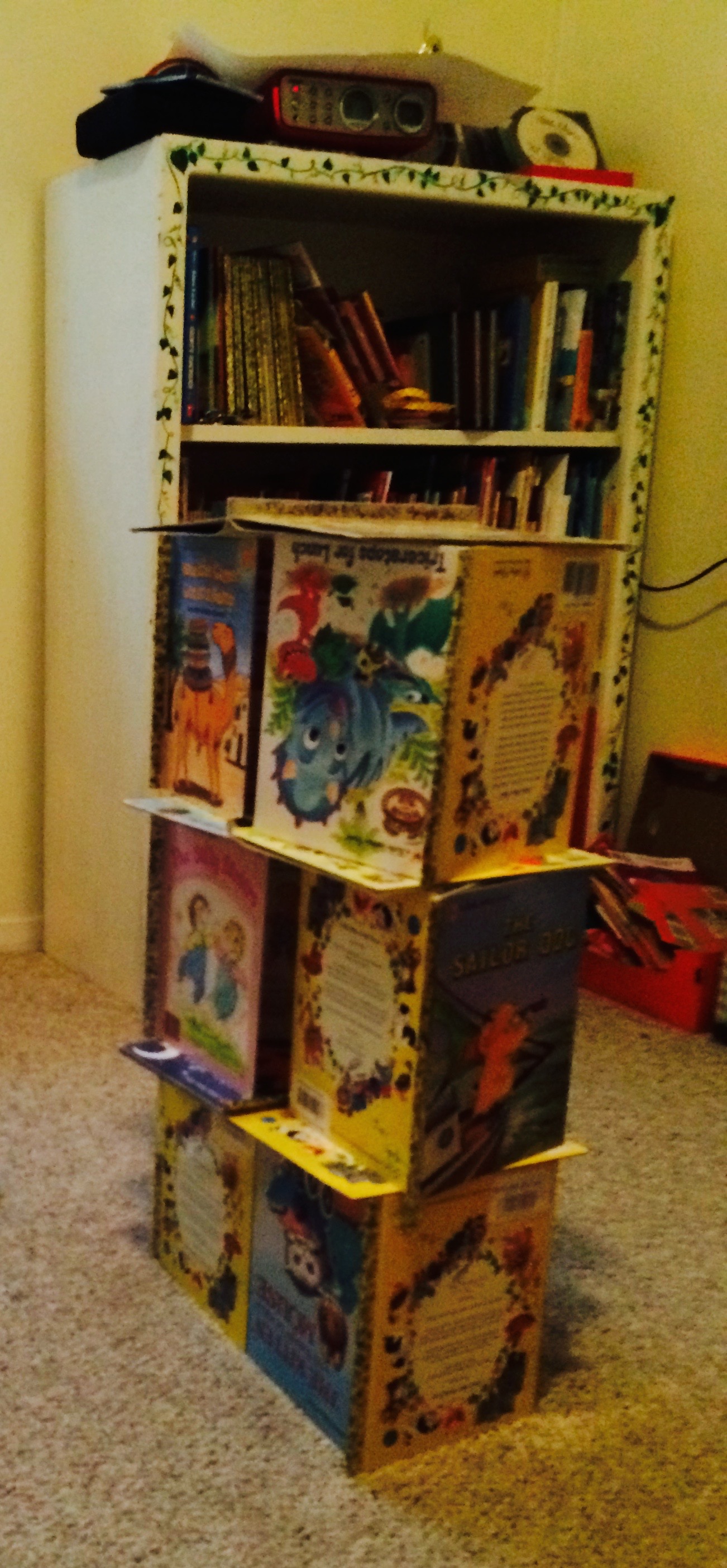
IMG_4702

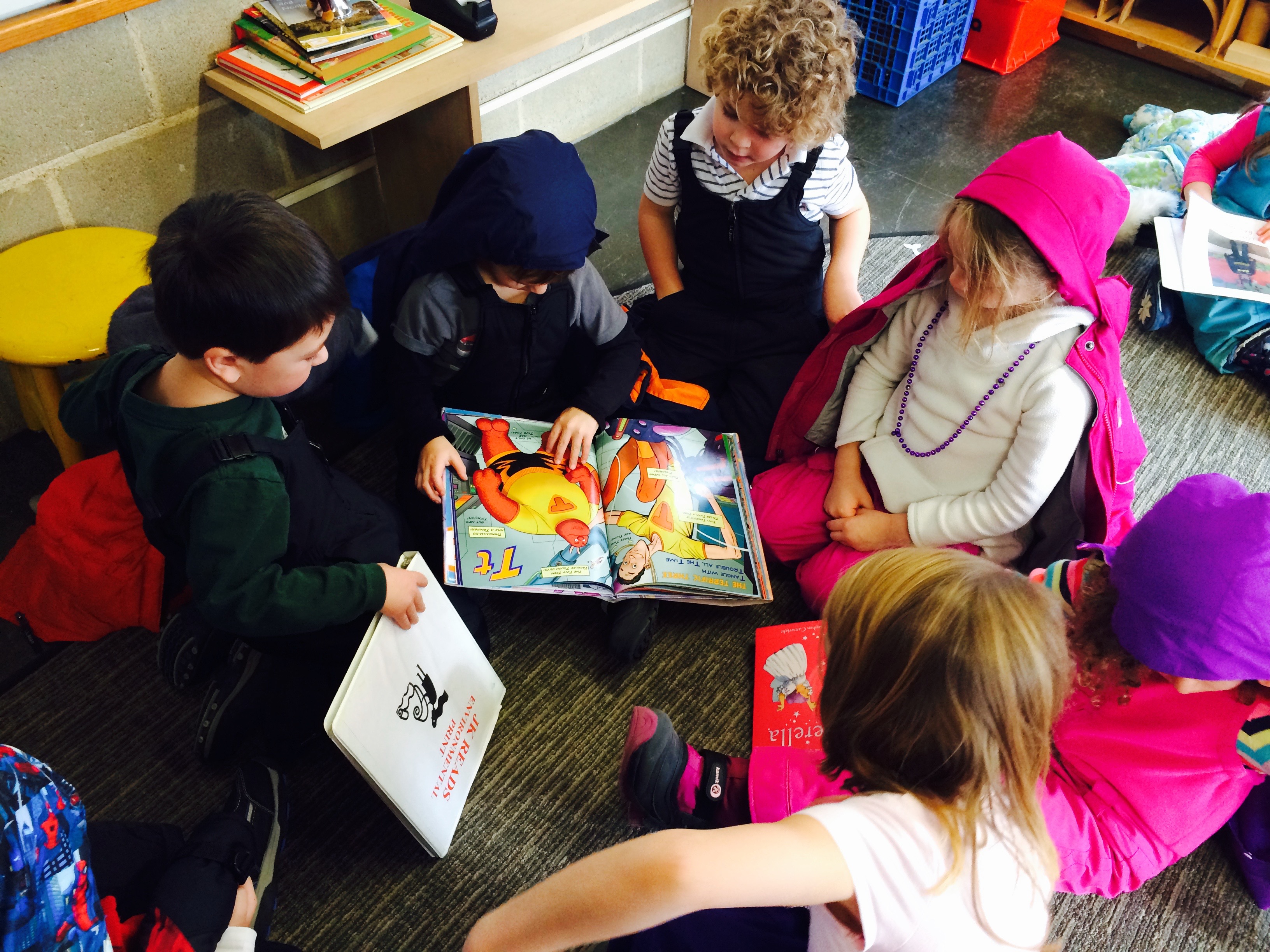
book club happens

while waiting to go outside

and discovers something.

letters.

there is more treasure in books

than in all the pirate’s loot on treasure island.

– walt disney

wine.

Standard

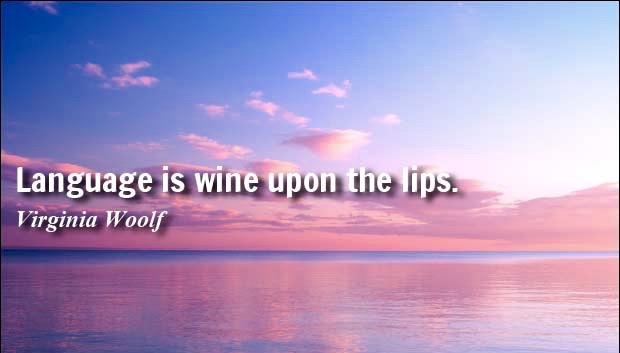
virginiawoolf380776 (1)

image credit: brainy quotes

‘you can make anything by writing.’ – c.s. lewis

Standard

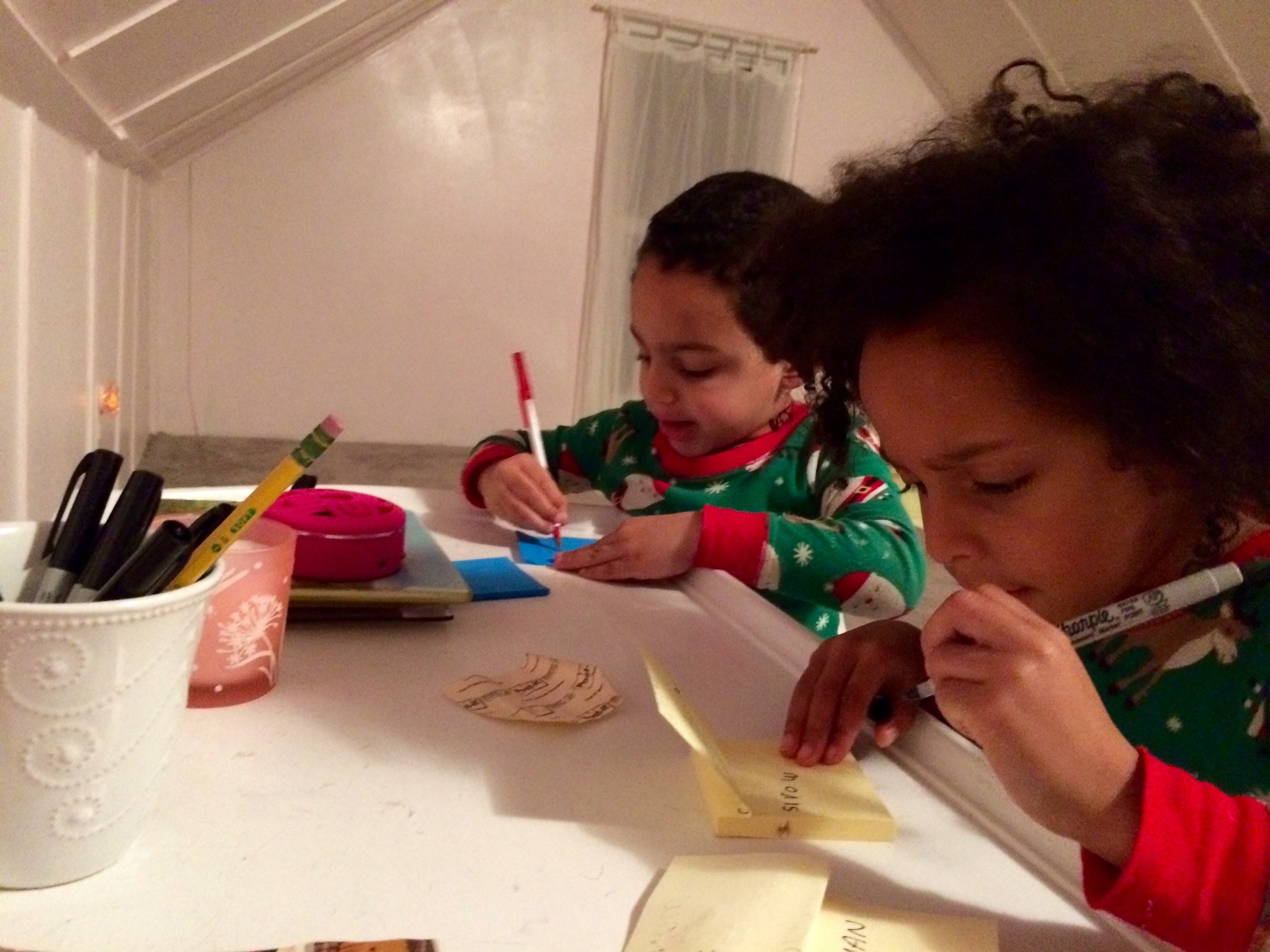
IMG_1048

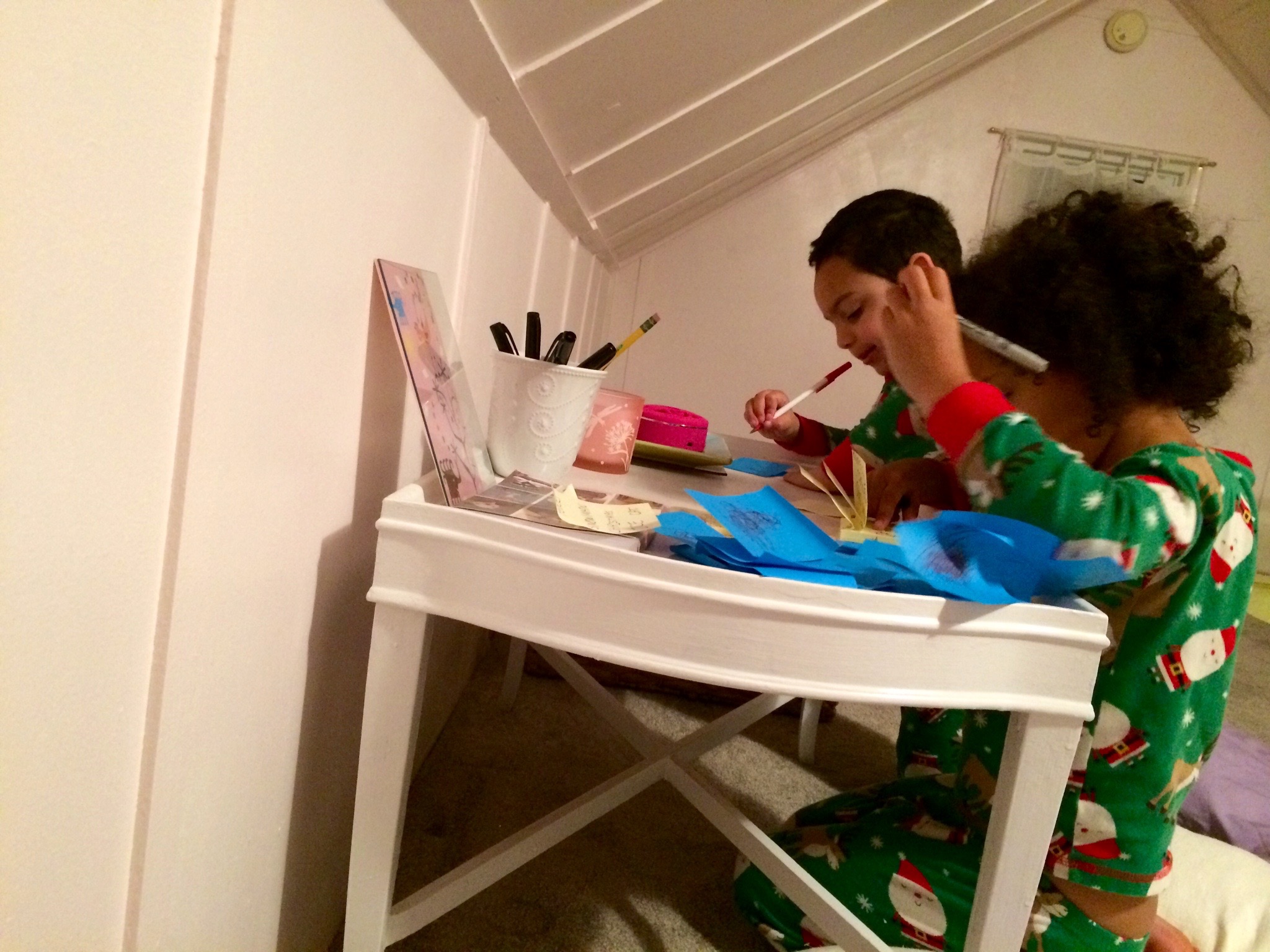
what’s that little table for, peaches?

it’s where i like to write sometimes.

when?

when it’s quiet in the morning.

can we do it too?

yes, let’s have a writer’s workshop.

when?

right now.

IMG_1047

how long can we write?

IMG_1050

for as long as you like,

and i hope that you’ll write forever. 

IMG_1046
Writing-quote (1)

books, the children of the brain. – jonathan swift

Standard

IMG_4405

behold the golden tower.

whoever enters

shall do so

at the

risk and joy

of

gaining

something 

they may 

never

have imagined.

words.

Standard

little_flower_by_kara_a-d52q4j8(1)

The last words of Steve Jobs –

I have come to the pinnacle of success in business. In the eyes of others, my life has been the symbol of success. However, apart from work, I have little joy. Finally, my wealth is simply a fact to which I am accustomed.

At this time, lying on the hospital bed and remembering all my life, I realize that all the accolades and riches of which I was once so proud, have become insignificant with my imminent death.

In the dark, when I look at green lights, of the equipment for artificial respiration and feel the buzz of their mechanical sounds, I can feel the breath of my approaching death looming over me.

Only now do I understand that once you accumulate enough money for the rest of your life, you have to pursue objectives that are not related to wealth. It should be something more important: For example, stories of love, art, dreams of my childhood.

No, stop pursuing wealth, it can only make a person into a twisted being, just like me. God has made us one way, we can feel the love in the heart of each of us, and not illusions built by fame or money, like I made in my life, I cannot take them with me. I can only take with me the memories that were strengthened by love. This is the true wealth that will follow you; will accompany you, he will give strength and light to go ahead.

Love can travel thousands of miles and so life has no limits. Move to where you want to go. Strive to reach the goals you want to achieve. Everything is in your heart and in your hands. What is the world’s most expensive bed? The hospital bed. Yes, if you have money, you can hire someone to drive your car, but you cannot hire someone to take your illness that is killing you.

Material things lost can be found. But one thing you can never find when you lose: life. Whatever stage of life where we are right now, at the end we will have to face the day when the curtain falls.

Please treasure your family love, love for your spouse, love for your friends… Treat everyone well and stay friendly with your neighbours.

credits: luis lee, pt, google images

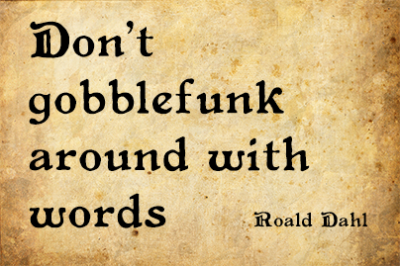
gobblefunk.

Image

gobblefunk

the power of one word.

Standard

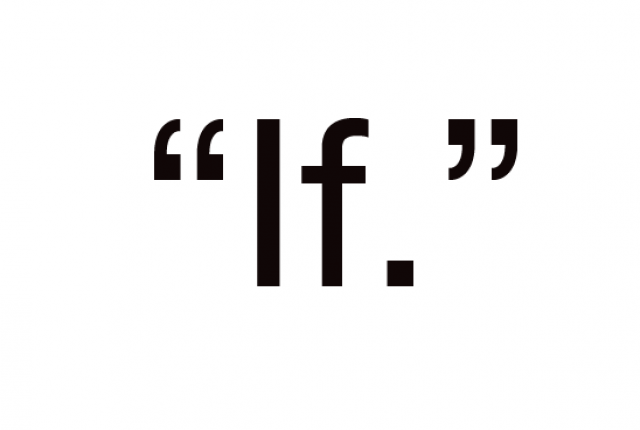
if-

THE SPARTANS ON CALLING AN ENEMY’S BLUFF: “IF.”

Philip II of Macedon was the father of Alexander the Great. His son would one day conquer the (known) world, but Philip got things started by conquering all the city-states of ancient Greece. Well, almost all. Sparta, on the southernmost tip of the land Philip sought to control, was a strict military culture known for its brutal martial prowess.

In 346 B.C, Philip sent a message to intimidate the Spartans. “You are advised to submit without further delay, for if I bring my army on your land, I will destroy your farms, slay your people and raze your city.” The term “Laconic wit,” comes from the Spartan region Laconia.

The Spartans employed it to great effect with their one word response to Philip: “If.”

Philip never attempted to conquer Sparta.

words to live by.

Standard

10986863_984210631597927_1074645566723935357_o

reading my way into spring. 

poetry is truth in its sunday clothes. – joseph roux

Standard

4f717095519755eb2243600f8e7aba1cbd6d4aaf

word.

i prefer living in color. – david hockney

Standard

 unprsouth.com

Most of the basic English names for colors—like red, yellow, green, and blue—are amongst the oldest recorded words in our language and can be traced right back to the Old English period. One exception to that rule is the color orange, which didn’t begin to appear in the language until after oranges (the fruit) were imported into Britain from Europe in the Middle Ages. Before then, what we would describe as orange today had just to be called either “red” or “yellow” (or, if you wanted to be really specific, “red-yellow”). But the English language being as enormous as it is, a predictably enormous vocabulary of words have been invented, borrowed, and accumulated over the centuries to describe almost every color and shade imaginable—from the precise color of a bear’s ears, to the murky green of goose droppings. Nineteen brilliantly-named examples of colors you’ve probably never heard of are listed here.

1. AUSTRALIEN

The 1897 guide House Decoration, Whitewashing, Paperhanging, Painting, Etc. includes, in a chapter dedicated to mixing oil paints, “a list of new colors for ladies’ dresses,” among which is listed australien. Inspired by the rusty color of the rocks and deserts of the Australian outback, the name australien was used by dressmakers and fashion houses in late Victorian England for a deep orange color.

2. BANAN

The color of a ripe banana? That’s banan.

3. BASTARD-AMBER

Bastard-amber is the name of an amber-colored spotlight used in theaters to produce a warm peach or pink glow on stage. It’s often used to recreate sunlight, or to give the illusion of dawn or dusk.

4. DRAKE’S-NECK

The drake in question here is the male mallard, a species of duck found across North America, Europe, and Asia. The males have an iridescent bottle-green head and neck, which gave its name to rich green-colored dye called drake’s-neck in the early 18th century.

5. DRUNK-TANK PINK

Drunk-tank is the name of a bright shade of pink that has been the subject of a number of studies on the effects of colors on human temperament since the mid-1960s. This particular color—also known as Baker-Miller pink, after the two U.S. Navy officers who invented it—has been demonstrated in numerous experiments to have a calming influence, and so is often used in prisons and police holding cells to help keep inmates relaxed and to discourage unruly behavior.

6. FALU

Falun is a small city in central Sweden renowned for its copper mining industry. Since the mid-16th century (at least), all of the wooden homes, barns, outhouses and other buildings in and around Falun have been traditionally painted a deep rust-red color known as falu that is manufactured from the iron-rich waste materials left over from the mines.

7. FLAME-OF-BURNT-BRANDY

As the dyeing industry developed in the 19th century and was able to produce more and more colors, dressmakers and designers were left to concoct a whole range of weird and wonderful names for the new colors at their disposal. Flame-of-burnt-brandy was just one of them, described in 1821 by one ladies’ magazine as a mixture of “lavender grey, pale yellow, and dark lilac.” Other equally evocative names dating from the same period include dragon’s blood (a deep purplish-red), d’oreille d’ours (a rich brown, literally “bear’s ears”), elephant’s breath (steel grey) and flamme de Vesuve (“the flame of Vesuvius,” or the color of lava).

8. GINGERLINE

Not just another word for anything ginger-colored, gingerline is actually a 17th century English alteration of the Italian word for “yellow,” giallo, and describes a rich orange-yellow. According to one description, it refers very precisely to the color of ripe kumquats.

9. INCARNADINE

Incarnadine is an etymological cousin of the adjective “incarnate,” meaning “having bodily form.” In this sense it literally means flesh-colored, but Shakespeare used it to mean blood-red in Macbeth, and nowadays it’s usually used to refer to a rich crimson or dark-red color.

10. LABRADOR

Not, as you might think, the color of a Labrador dog, labrador is actually a shade of blue that takes its name from the mineral labradorite, a turquoise form of feldspar.

11. LUSTY-GALLANT

Lusty-gallant was originally the name of a dance popular in Tudor England, but somehow, in the late-1500s, its name became attached to a pale shade of red, similar to coral pink. Quite how or why this happened is unclear, but according to the Elizabethan writer William Harrison, dressmakers at the time had a habit of giving increasingly bizarre names to the colors of their clothes in the hope of making them more appealing to buyers. In his Description of England, written in 1577, Harrison lists the names of several “hues devised to please fantastical heads,” including “gooseturd green, pease-porridge tawny, popinjay blue, lusty-gallant, [and] the-devil-in-the-head.”

12. NATTIER

Jean-Marc Nattier (1685-1766) was a French rococo artist known for a series of portraits of women from the court of Louis XV of France depicted as characters from Greek mythology. Despite achieving enormous popularity during his lifetime—his contemporaries thought his work so exquisite that they even accused him of painting with makeup rather than paint—Nattier is relatively little-known today, but he lives on in the name of a deep shade of slate-blue that he used in a number of his paintings, most notably a portrait of The Comtesse de Tillières (1750), nicknamed “The Lady in Blue.”

13. PERVENCHE

Pervenche is the French word for periwinkle, which came to be used in English in the 19th century as another name for the rich purplish-blue color of periwinkle flowers.

14. PUKE

Fortunately, when William Shakespeare wrote of a “puke-stocking” in Henry IV: Part 1 (II.iv), he didn’t mean anything having to do with vomit. In 16th century England, puke was the name of a high quality woolen fabric, which was typically a dull, dark brown color.

15. SANG-DE-BOEUF

Unsurprisingly sang-de-boeuf, or “oxblood,” is the name of a rich shade of red that was originally a blood-colored pottery glaze made by heating copper and iron oxide at a very high temperature. Although the name sang-de-boeuf dates back no further than the late 19th century, the technique used to manufacture oxblood glazes was first developed as far back as the 1200s in China.

16. SINOPER

Popular amongst Renaissance artists, sinoper or sinople was an artist’s pigment containing particles of hematite, an iron-rich mineral that gave it a rich rust-red color. Its name comes from the town of Sinop on the Black Sea coast of Turkey, from where it was first imported into Europe in the late Middle Ages.

17. VERDITER

Verditer is both an old fashioned name for verdigris, the green rust-like discoloration of copper and brass, and the name of blue-green pigment dating from the 1500s. Its name, which is derived from the French verte-de-terre, or “green of the earth,” is today used in the name of a bright turquoise songbird, the verditer flycatcher, which is native to the Himalayas.

18. WATCHET

Watchet is a very pale blue color, similar to sky blue. According to folk etymology, the color takes its name from the town of Watchet on the coast of Somerset in southwest England, the cliffs around which appear pale blue because they are rich in alabaster. As neat a story as this is, however, it’s much more likely that watchet is really derived from waiss, an old Belgian-French word for royal blue.

19. ZAFFRE

Zaffre is the name of an ancient blue pigment originally produced by burning ores of cobalt in a furnace. Its name was borrowed into English from the Italian zaffera in the 17th century, and is ultimately descended from the Latin word for “sapphire.”

credits: mentalflossmagazine.com, unprsouth.com