“history is full of surprises.”
-arthur m. schlesinger, jr.
“history is full of surprises.”
-arthur m. schlesinger, jr.

trying to piece the world back together
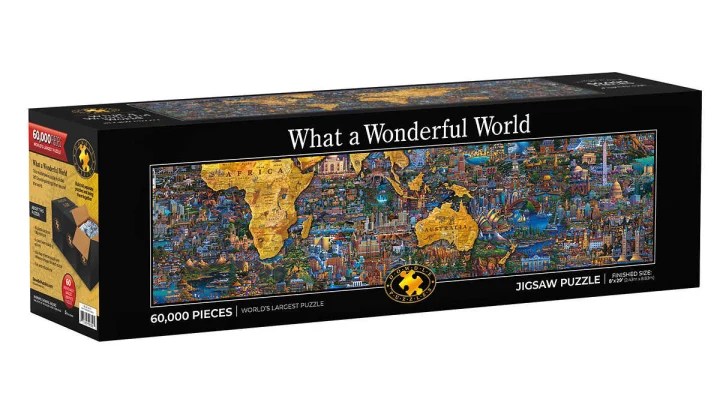 Warehouse giant Costco likes to do everything big, from super-sized bottles of ketchup to barrels full of Jack Daniel’s whiskey. Their latest exclusive offering: A jigsaw puzzle with 60,000 pieces that may take up an entire room when it’s finished.
The sprawling What a Wonderful World puzzle is actually 60 interconnected 1000-piece puzzles to make assembly (somewhat) feasible. Each features a painting from the Dowdle Art Studio of a fascinating landmark from different parts of the world, including The Great Wall of China and The Eiffel Tower.
Once each section is completed, it can be connected to the larger canvas. When finished, the puzzle measures 8 feet tall and 29 feet wide. An included legend helps you keep track of which puzzle goes where in the literal bigger picture of things. Costco has declared it the world’s largest jigsaw puzzle, and that’s likely to be true. The What a Wonderful World puzzle retails for $599.
—
“the world is like a dropped pie most of the time.
don’t kill yourself trying to put it back together.
just grab a fork and eat some of it off the floor. then carry on.”
-elizabeth gilbert
—
credits: penn news, chris hopkins, jake rosin, mental floss,
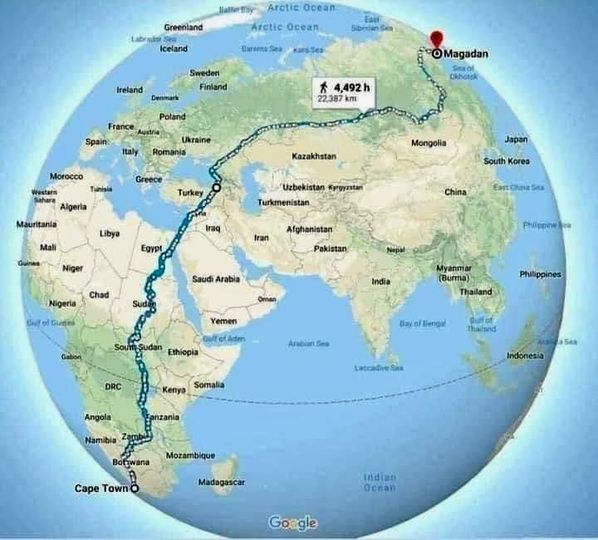
The longest road in the world to walk is from Cape Town (South Africa) to Magadan (Russia).
No need for planes or boats, there are bridges.
It’s 22,387 km and it takes 4,492 hours to run it.
It would be 187 days walking non-stop, or 561 days walking 8 hours a day.
The route passes through 17 countries, six time zones and all seasons of the year.
—
“all walking is discovery, on foot we take the time to see things whole.”
*-hal borland
*Harold “Hal” Glen Borland was an American author, journalist and naturalist. In addition to writing many non-fiction and fiction books about the outdoors, he was a staff writer and editorialist for The New Yorker.
—
credits: united humanists
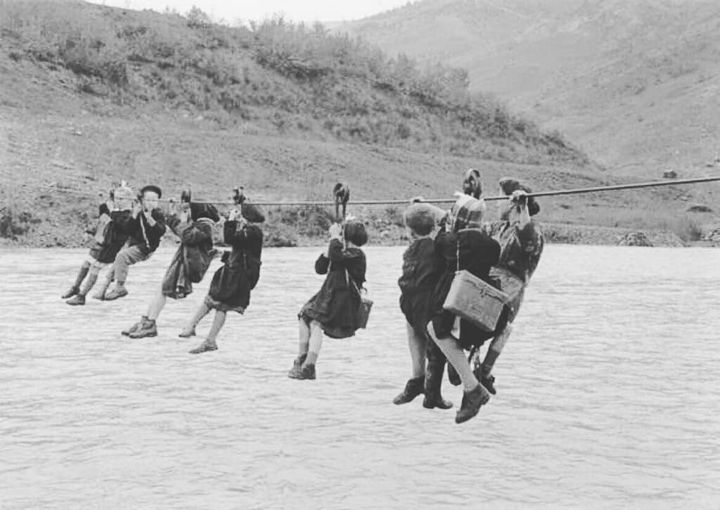
just another monday as we head back to school
—
“they say to think within the box,
but it’s funny how those in the box never go anywhere,
where those outside it, get to see the world.”
―anthony liccione
—
image credit: Children crossing the river on their way to school, Italy, 1959. (Photo by Tino Petrelli)
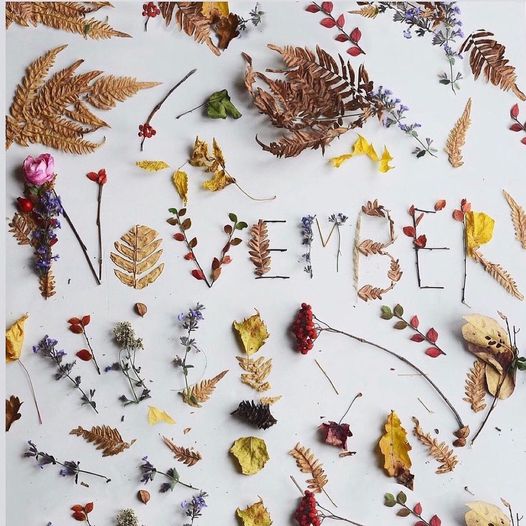
“at some point the world’s beauty becomes enough.”
– toni morrison
—
image credit: willowday flower project by gina – sweden

Calvin: They say the world is a stage.
But obviously the play is unrehearsed and everybody is ad-libbing his lines.
Hobbes: Maybe that’s why it’s hard to tell if we’re living in a tragedy or a farce.
Calvin: We need more special effects and dance numbers.
— Calvin and Hobbes, from “Calvin & Hobbes,” on the tragicomedy of life
—
image credit: sbs
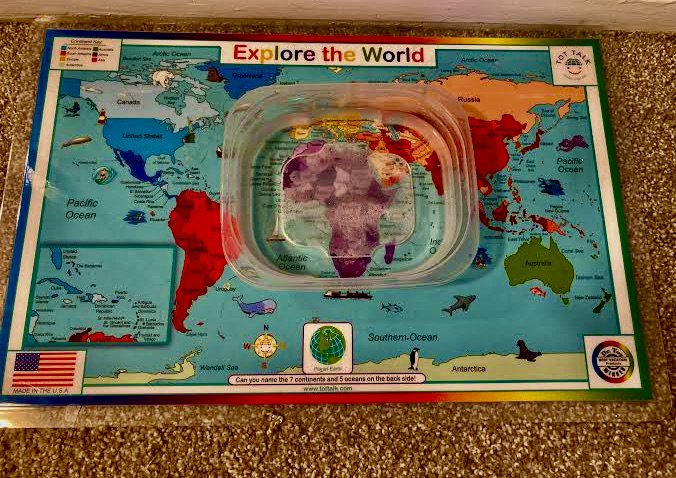
thought it might be interesting
to expose the cats to a bit of world geography
while sipping a refreshing drink.
so far they have refused to take any quizzes
but i’m confident they are learning by osmosis.
—
“without geography, you’re nowhere.”

after many hours spent in the kinder playhouse
art, memories, stories, and a beautiful view of the world
are what still remain.
—
“this was something sure to be crammed full of warm secrets,
like an antique clock built when peace filled the world.”
-haruki murakami
i have exactly one blog follower
in the micro country of liectenstein
with so many interesting things about this amazing tiny place
here are just a couple of examples:
in 1886 liectenstein had an army of 80 men who fought during the austro-prussian war
they suffered no injuries or deaths
and returned with 81 men because they made a new italian friend from the opposition army.
the army was disbanded soon after and they haven’t had an army since.
—
and then there was the accidental invasion which didn’t cause much of a stir:
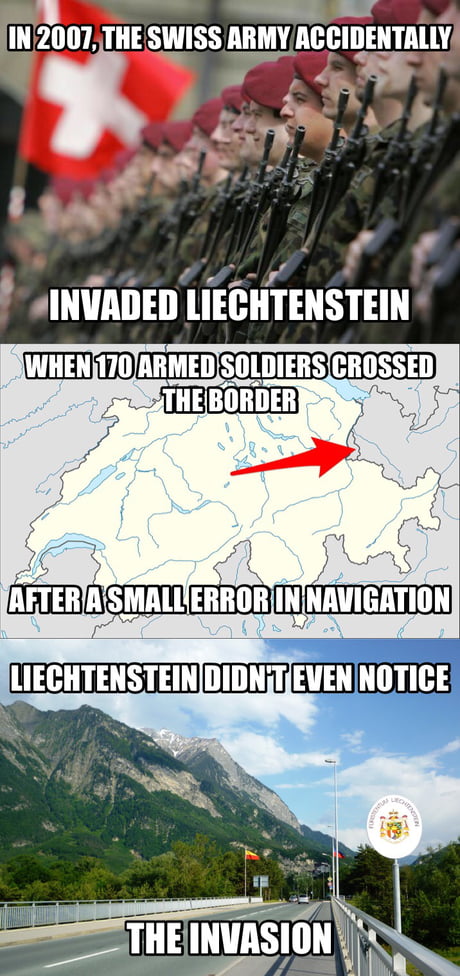
i really love their approach to life
and i’m guessing my one reader is a pretty laid-back person
and with such a tiny country
perhaps a descendent of that new italian friend they brought back from the war?
here’s to liectenstien!
—
“be so good they can’t ignore you.”
-steve martin
—
image credit: expat.com

World Science Day for Peace and Development
Celebrated every November 10th, World Science Day for Peace and Development highlights the important role of science in society and the need to engage the wider public in debates on emerging scientific issues. It also underlines the importance and relevance of science in our daily lives.
By linking science more closely with society, World Science Day for Peace and Development aims to ensure that citizens are kept informed of developments in science. It also underscores the role scientists play in broadening our understanding of the remarkable, fragile planet we call home and in making our societies more sustainable.
In 2020, the Day will be devoted to the theme of Science for and with society.
—
“ignorance more frequently begets confidence than does knowledge:
it is those who know little, and not those who know much,
who so positively assert that this or that problem will never be solved by science.”
-charles darwin
—

Building peace in the minds of men and women

