The NYT has traced the first nachos back to Piedras Negras, Mexico, in 1940, with just three ingredients. As the story goes, a group of women walked into the Victory Club in Piedras outside business hours. Aiming to please, Ignacio Anaya, the maître d’hôtel known as Nacho, ran to the kitchen and made a quick appetizer with ingredients he found. Today’s nachos know no end to their variations: They can have a number of seasoned layers or simply be topped with cheese sauce, like those sold at concession stands. But the simplicity of its original, with its barely salted chips, nutty melted cheese and briny pickled jalapenos, is sure to charm true nacho fans.
“we’ve all invested emotionally in nachos.”
-conan o’brien
—
credits: Christoper Simpson(NYT) and Simon Andrews- food stylist (NYT)
whenever I’ve visited my friends’ lake house in the irish hills of michigan, there has never been a shortage of lakes and trees to be enjoyed. on one recent visit they took me on a walk through a very special place that I’d been wanting to see since hearing about it. at first impression it appears to be a beautiful, rolling, wide open natural space, but there is much more to it than first meets the eye.
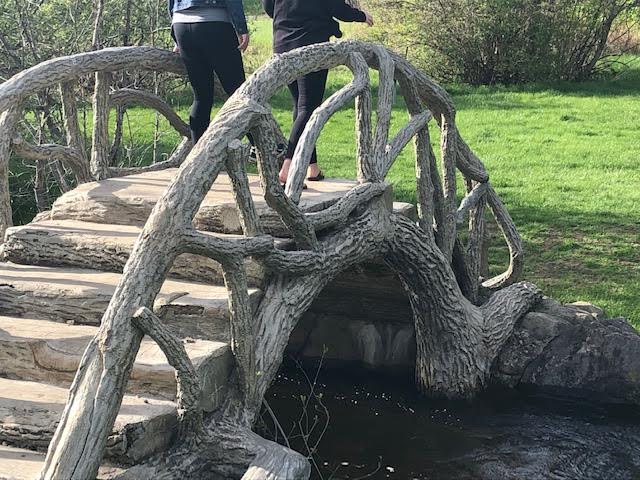
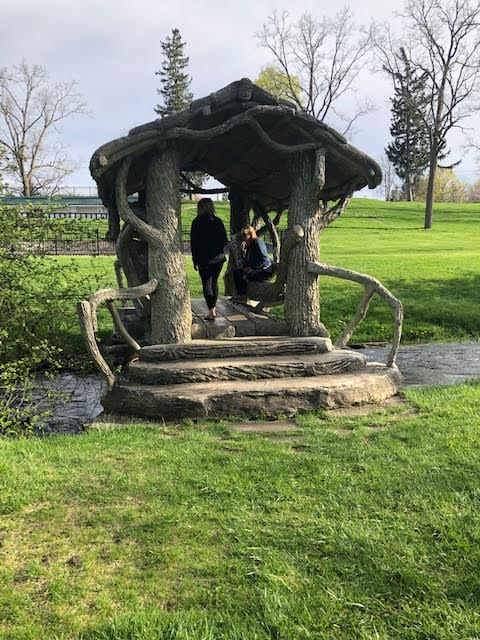
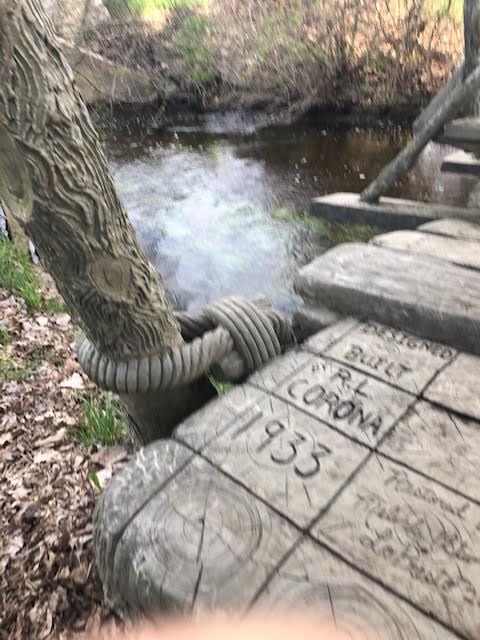
once known as aiden lair, and now known as mccourtie park, it was formerly the 42-acre estate of herb mccourtie, a cement magnate. its trademark is its concrete bridges artistically handcrafted to resemble wooden structures. a visionary who loved architecture for art’s sake, mccourtie showed the versatility and beauty of the product he manufactured in 17 bridges that he commissioned to be created on his property using the 19th-century lost art of “el trabajo rustico” (the rustic work) in faux bois (imitation wood).
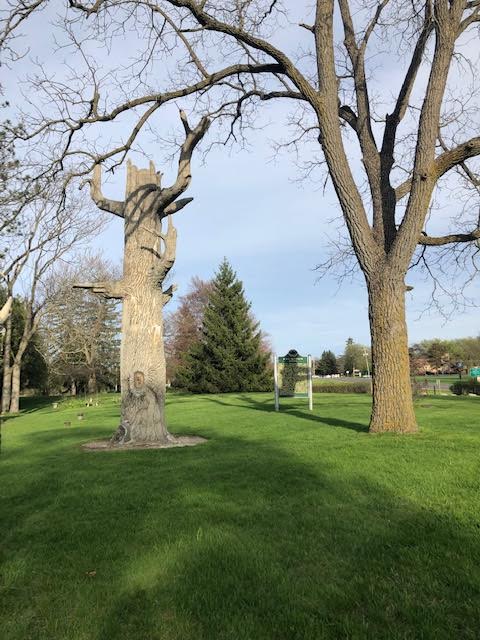
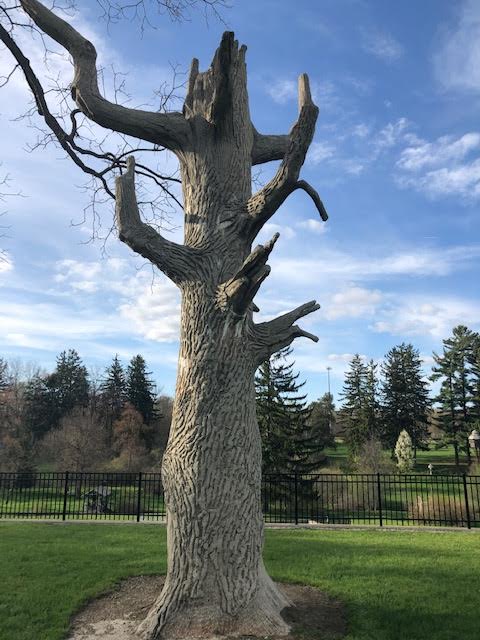
for more than 10 years, two mexican artists, george cardoso and ralph corona, created the bridges that span the creek on the property, as well as two concrete trees that cleverly hide the chimneys to his rathskeller. the bridges were individually created from wet mortar to resemble ropes and logs simulating native trees, such as oak, walnut, cherry, birch and beech. the intricate details include knots, insect holes, saw cuts, wood grain and even moss, lichen and beetle holes. an elaborate system of underground wires provided lights on and under some of the bridges. in addition, he created two huge pools, one for use as a swimming pool and the other as a fishing pond for his guests’ enjoyment.
(stills hidden in the cement ‘trees’ mixed among the natural trees)
known for giving lavish parties, he hosted a homecoming celebration every year that drew thousands of people to aiden lair to witness stunt flyers and enjoy baseball, local musicians, dancing and free refreshments. in the underground garage and rathskeller he created, he threw all-night poker parties that were attended by the likes of detroit auto baron henry ford.
throughout its history, the park has been the subject of rumors and legends. mccourtie’s rathskeller, which features a large bar, fieldstone fireplace, and vault, is rumored to have been a speakeasy during prohibition and a stopping point for al capone and other gangsters who bootlegged whiskey from chicago to detroit on U.S. 12.
it’s also been rumored that there are tunnels under the park property that served as stations for runaway southern slaves on the underground railroad. some people have reported sightings of a ghostly “lady in blue” strolling the grounds in old-fashioned clothing.
(a peek into the window of what used to be the ‘rathskeller’ – a bit creepy now)
in 1991, mccourtie park was named to the state register of historic sites by the michigan historical commission. the next year, it was added to the national register of historic places by the national park service.





 I didn't have my glasses on....