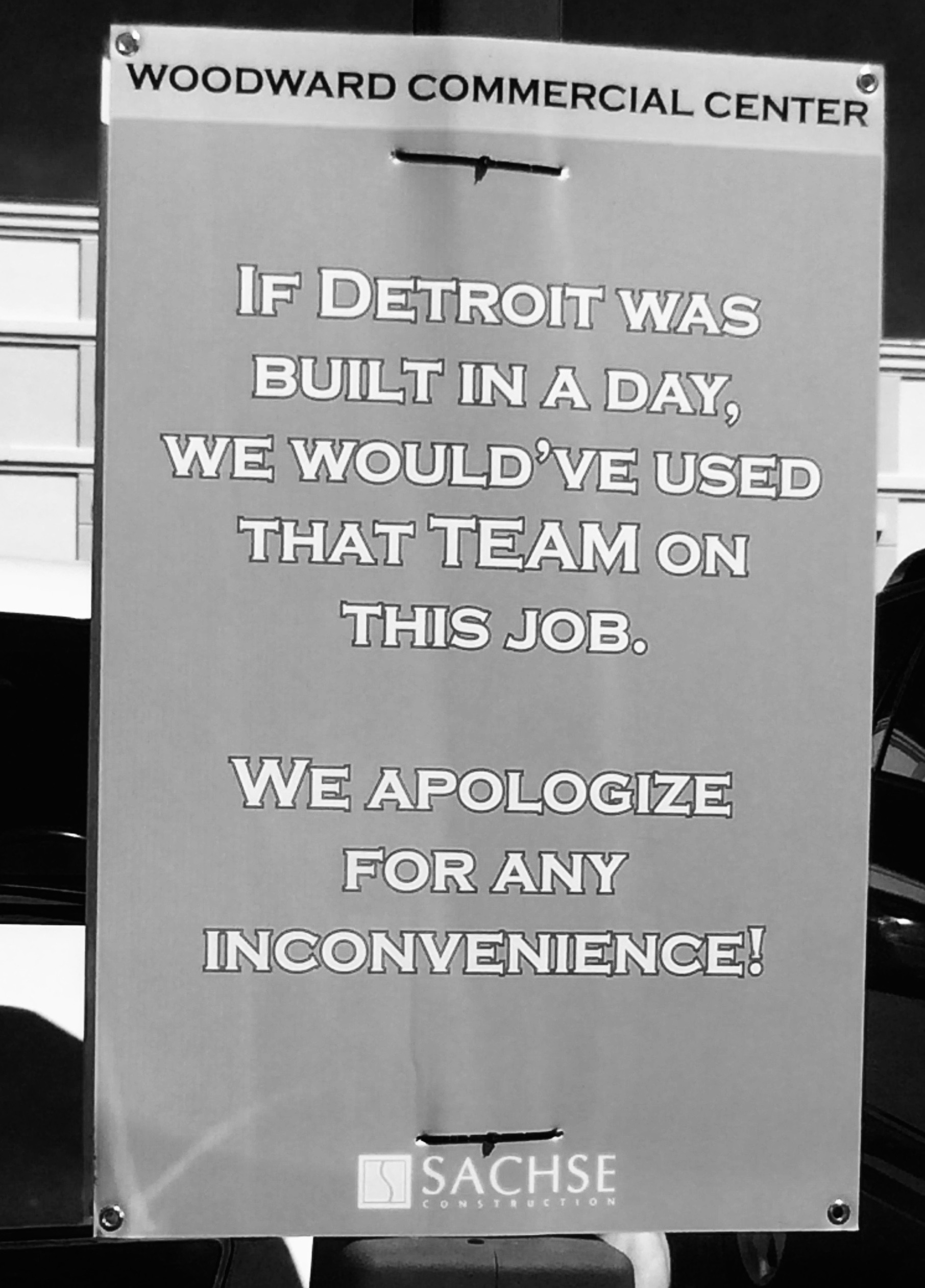
and with this
quietly brilliant sign,
i accept your apology
with a smile.
and with this
quietly brilliant sign,
i accept your apology
with a smile.
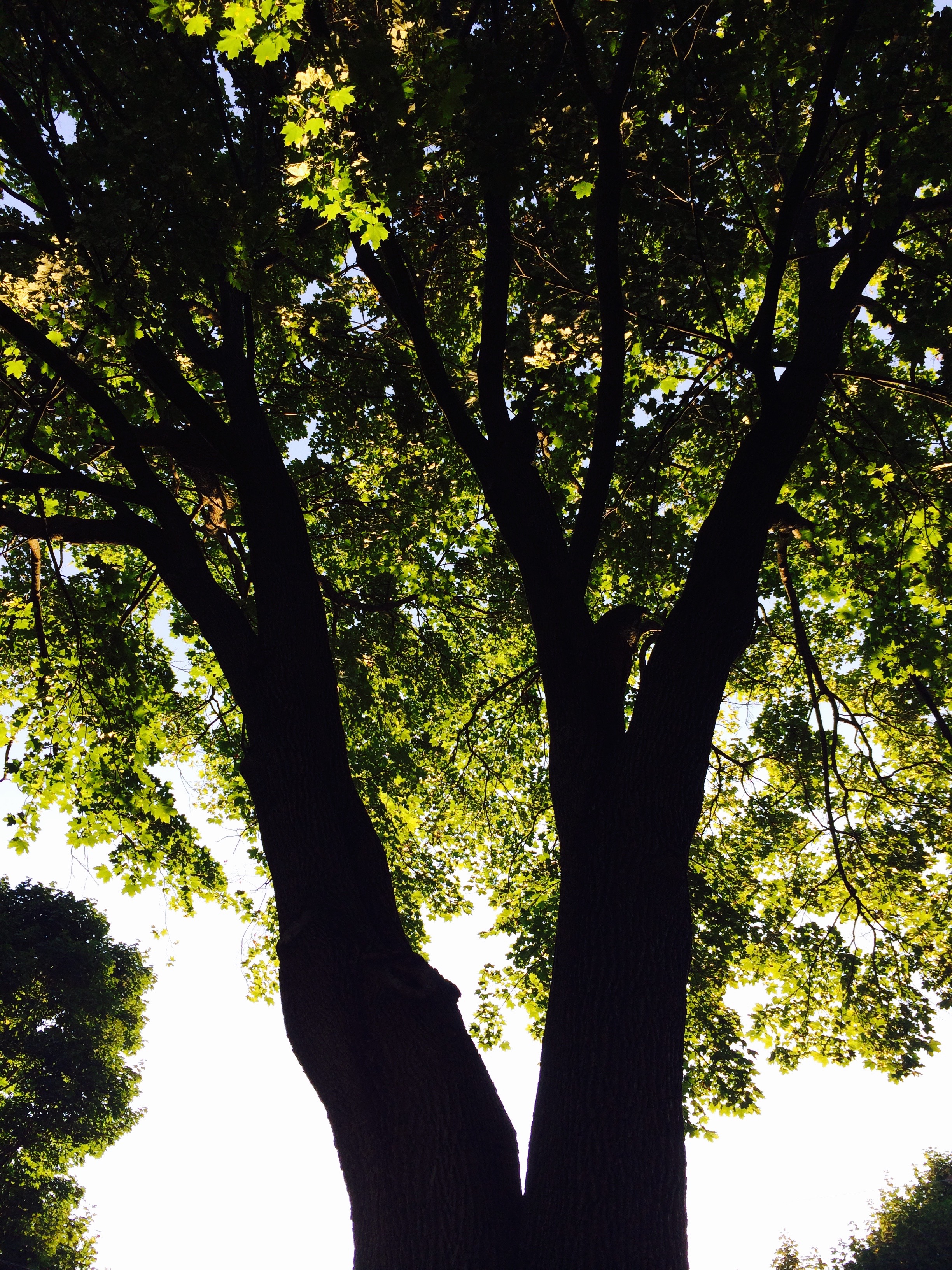
the aussies have moved back
and the family is reunited
little f
has decided that it would be a good idea
to connect our houses
so that we will always be close by
and never lose our attachment
so he made up a master plan
we’ll need the following stuff:
a couple packs of big nails
a couple of pieces of wood
1 new tree plus the tree that’s already there
2 microphones with tubes attached to the end
1 zip line
1 cubby tree house
1 new house and 1 house that’s already here
2 cans of green paint and 1 can of yellow paint (our favorite colors)
1 tube of silicone stuff
2 key rings (keep in the secret key hole)
2 glass squirrel doors for the holes so they don’t steal the keys
1 saw to cut the wood
1 box of bandaids
1 extra first aid kit
2 bags each of nuts and worms and seeds to feed the tree animals
a couple of packs of kit-kats and carmello bars and cadbury chocolates for us
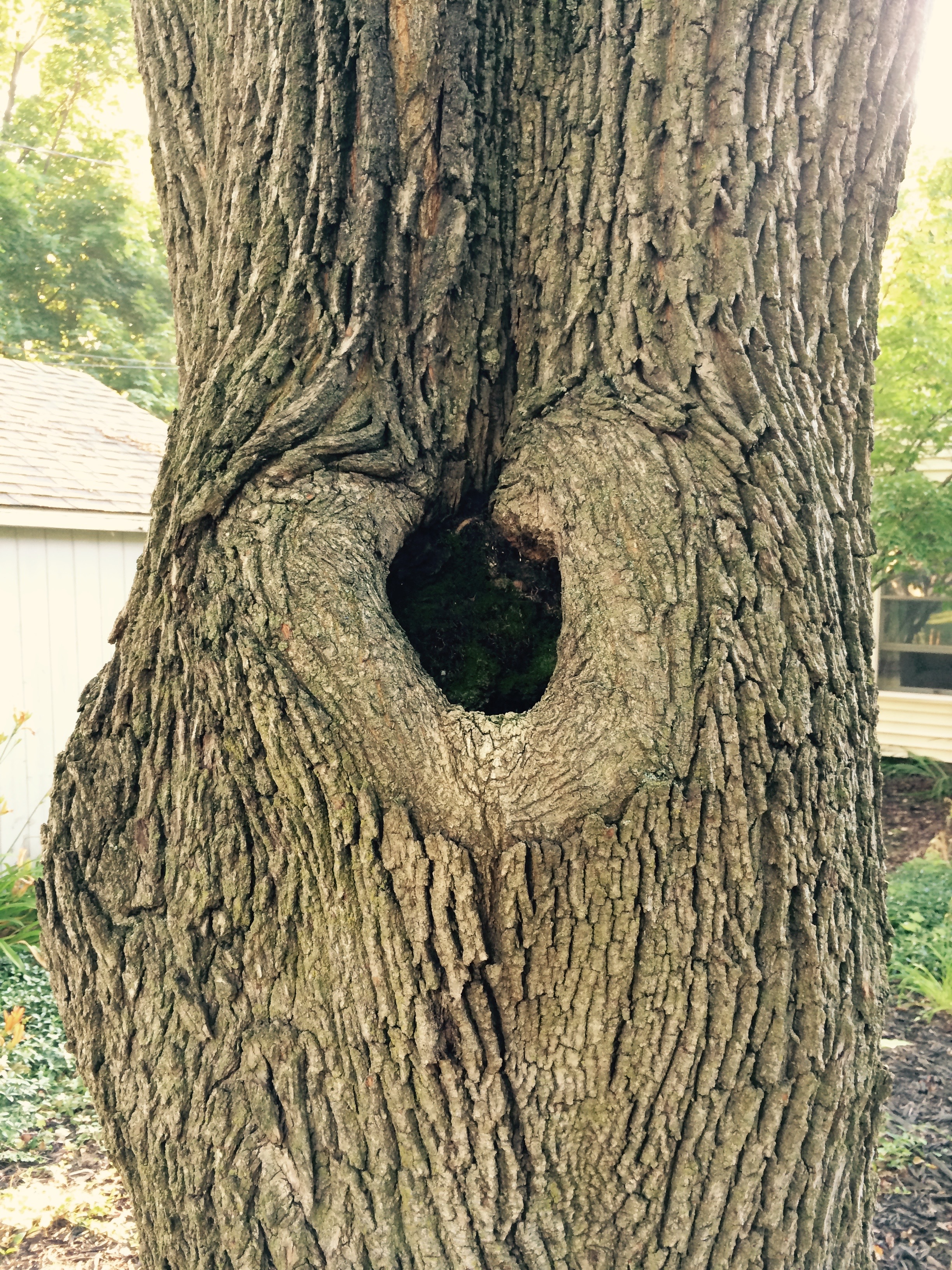
this is the secret hole where we’ll leave our keys
and always have open access to our houses and hearts.

after glancing over his shoulder
baby j is not sure
if he should
laugh, cry, scream or run.

truth at any age.
—-
image credit: roald dahl
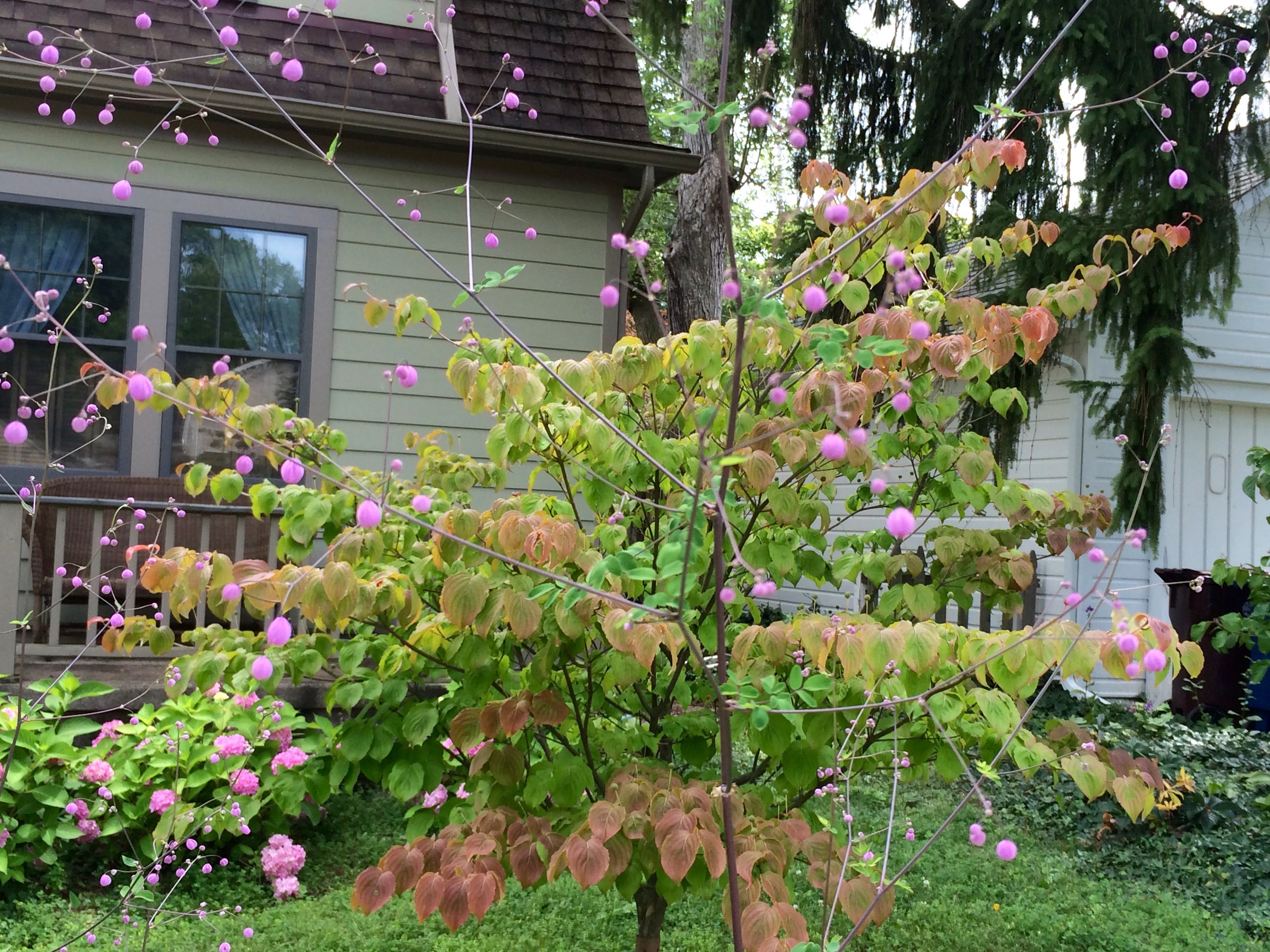
you never know
what beauties
you’ll
cross paths with
while wandering
on a warm summer’s day

it’s been a week filled with
lots of ‘lost’
and
some measure of ‘found’
lose one
find one
lose another
find something i wasn’t looking for
and didn’t know i was missing
and so it goes
glasses
cell phone
laptop
backup glasses
one earring
one shoe
retracing steps
using the sesame street approach
blending the good news with the bad
searching
crossing fingers
voodoo chanting
all leading to
mixed results
and
an
acceptance
of this past time
as my way of life
happy
that at least i know
where my teeth are.
for now.
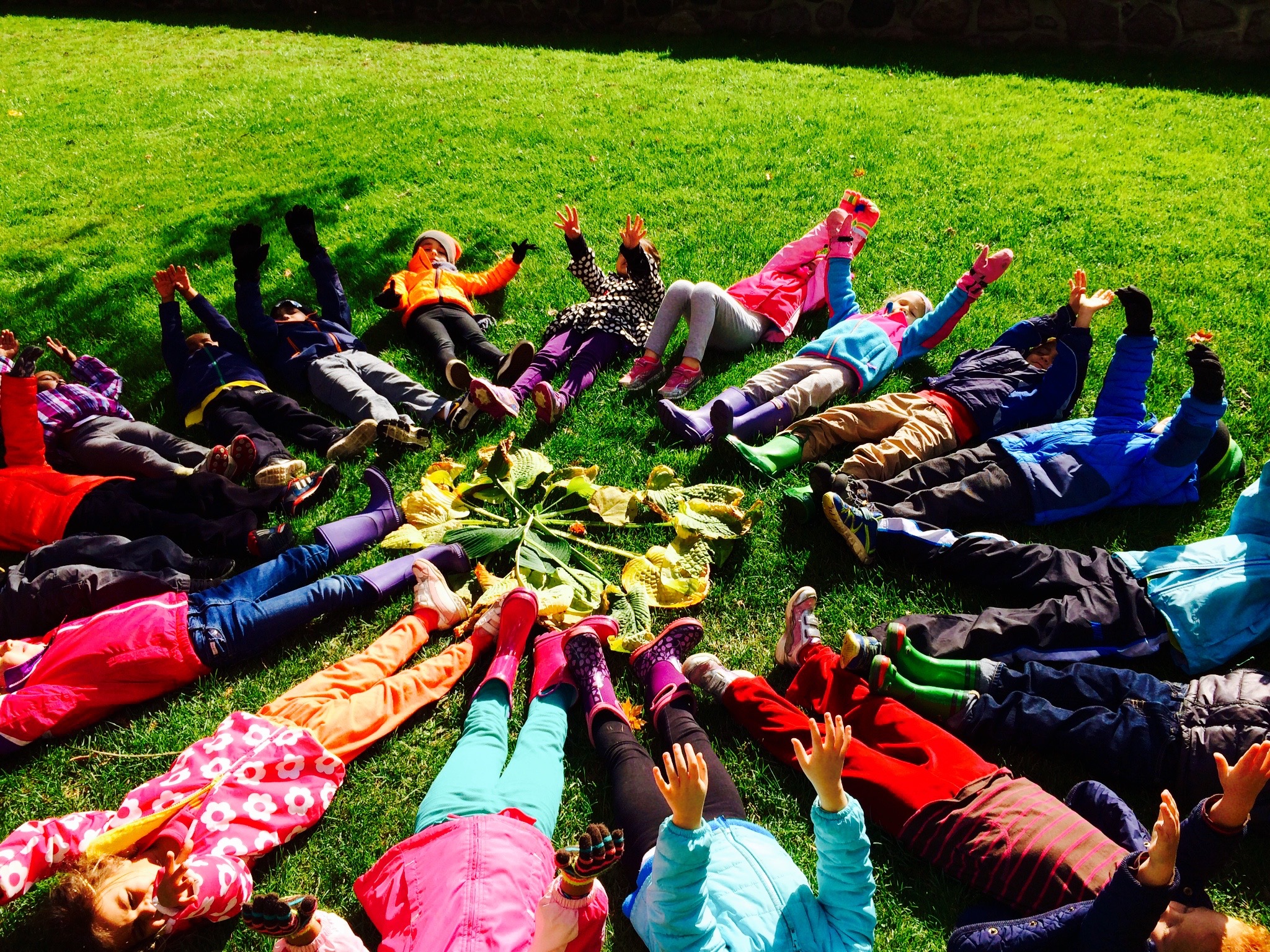

—–
credits: pbs kids, mister rogers
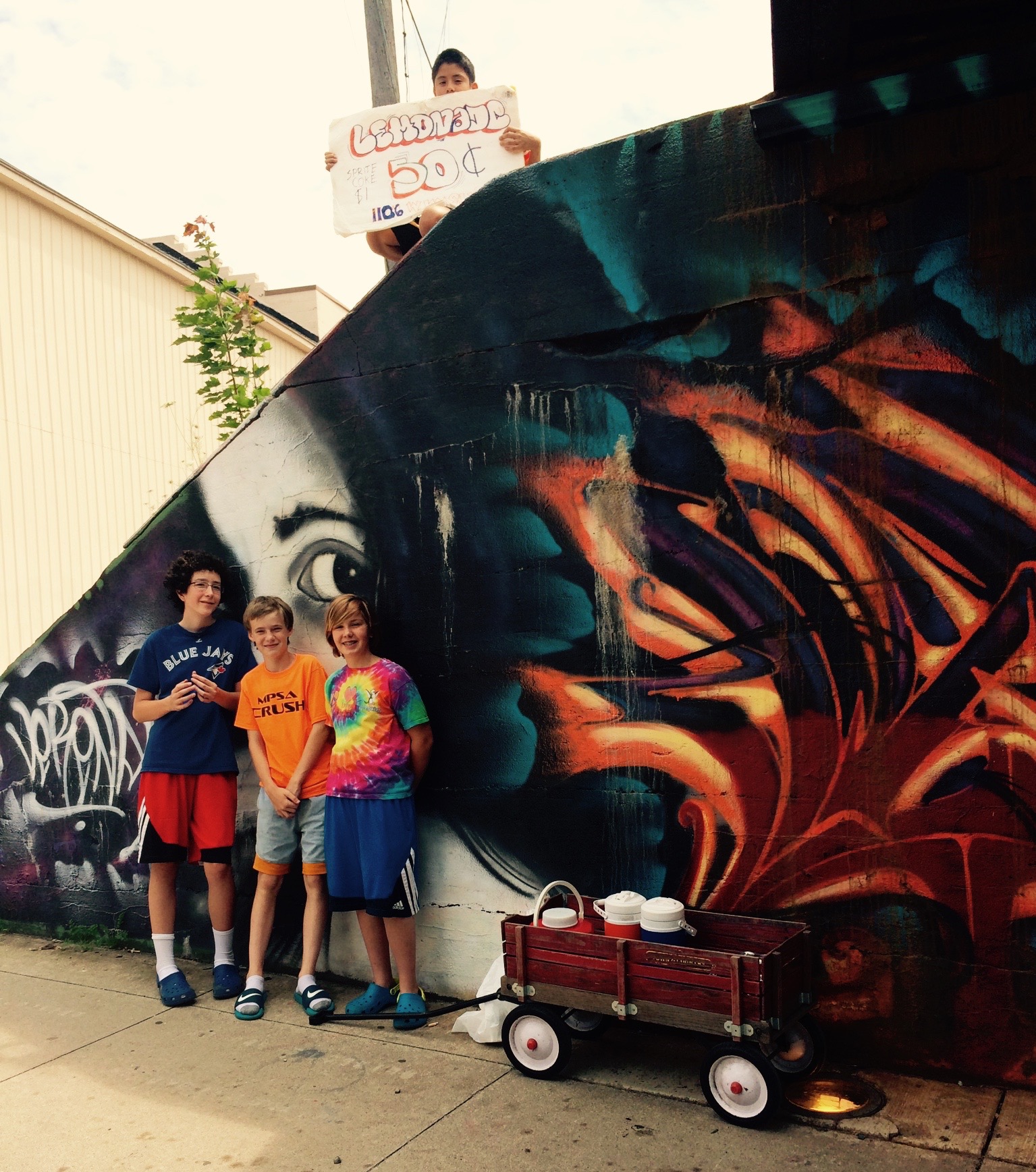
met this group of young entrepreneurs
while walking back
from the downtown art fair
found them
just on the perimeter
in a safe zone
for guerilla marketing
and a cash business
in a bright spot
future lemonade magnates
with
a plan
a happy disposition
and
a wagon-load
full
of quiet enthusiasm
they had made sixty dollars
on the day before
while
rotating jobs
one sign-holder
three salesmen
at street level
offering up cool cups
of
sweet relief
to all who wandered by
with shy smiles
and a price you couldn’t refuse.

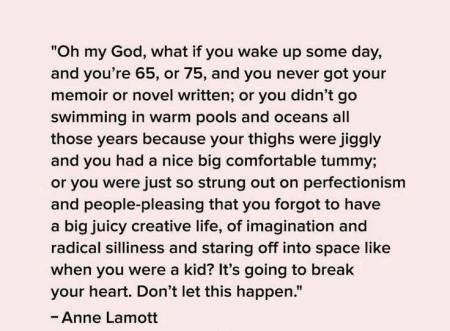
—–
credits: the rag birds, ann arbor top of the park summer festival, anne lamott

after the lively wedding, a calm morning after

