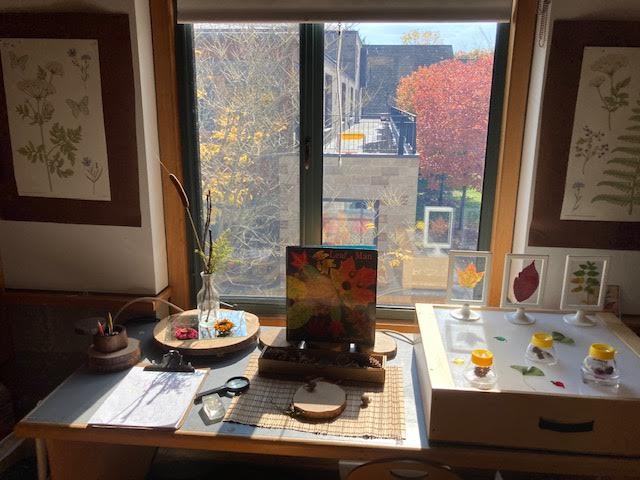
kinder do hands-on research
writing their observations and making conclusions in their notes
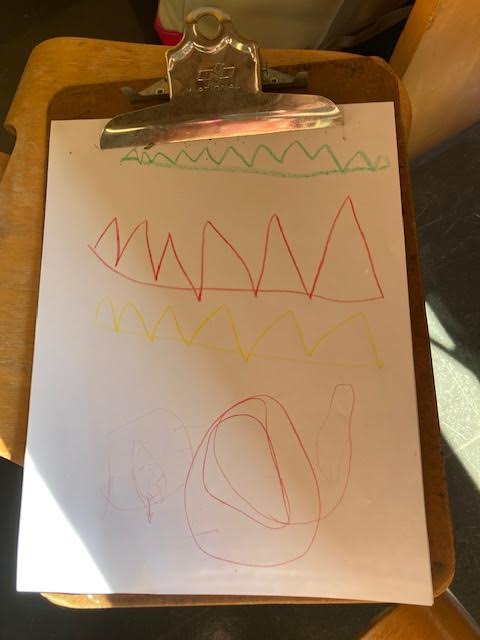
“words of wisdom are spoken by children at least as often as scientists.”
-james newman
kinder do hands-on research
writing their observations and making conclusions in their notes
“words of wisdom are spoken by children at least as often as scientists.”
-james newman
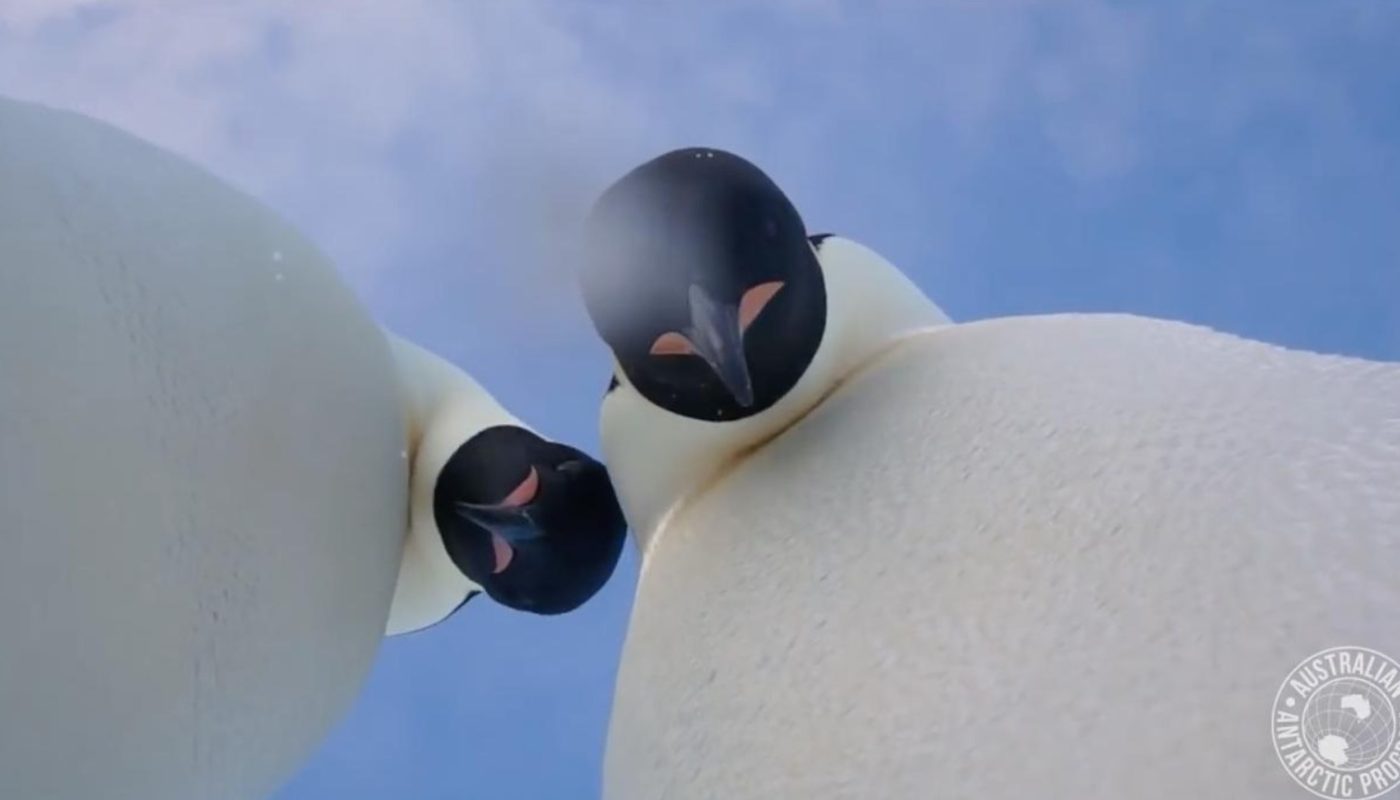
Penguins Accidentally Took Selfie After They Found a Cam In Antarctica
(Everyone has the one friend who LOVES to take selfies)
Expeditions to Antarctica are constantly filled with surprises. Australian Eddie Gault went on an expedition there along with his cam to take photos of penguin colonies. Out of the fascinating photos he took, he also ended up having a photo of penguins taking a selfie.
While there, Gault visited Auster Rookery to record a group of Emperor penguins, leaving his camera near them to record their daily lives. After he left it, the penguins came close to the cam, one knocked it over and accidentally took a selfie along with other penguins.
Emperor penguins are the biggest penguin types on the planet, have an average height of 45 inches and can live to be 20 years old. Emperor penguins live in colonies and their breeding period is in Winter, when female penguins lay their eggs and leave them in the care of the male penguins.
“a penguin cannot become a giraffe, so just be the best penguin you can be.”
– gary vaynerchuk
—
credits: Australian Antarctic Program, Auster Rookery, The Guardian
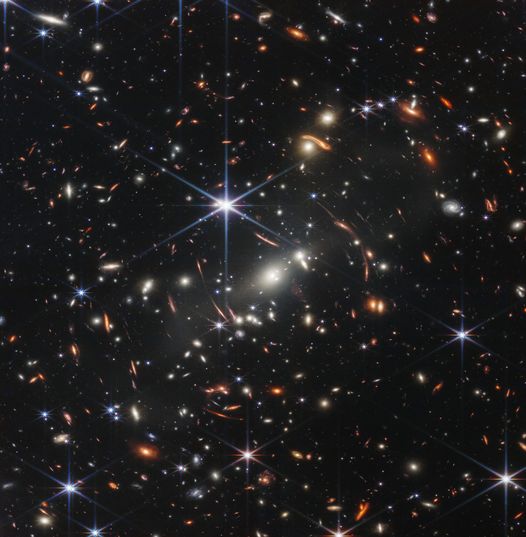
“We’re looking back more than 13 billion years,” he said. “That light that you are seeing has been traveling for over 13 billion years, and by the way, we’re going back farther. This is just the first image. They’re going back about thirteen-and-a-half billion years. And since we know the universe is 13.8 billion years old, we’re going back almost to the beginning.”
NASA plans to release additional “first light” images Tuesday, photos designed to showcase Webb’s ability to chart the details of stellar evolution, from starbirth to death by supernova, to study how galaxies form, merge and evolve and to probe the chemical composition of atmospheres around planets orbiting other stars.
This initial Webb deep field released Monday promises to rewrite the astronomy books yet again, providing the data needed to fill in many of the major gaps in the history of the universe, perhaps even providing the framework to determine when — and how — the first massive stars formed, exploded and seeded the cosmos with the heavy elements that make life possible.
—
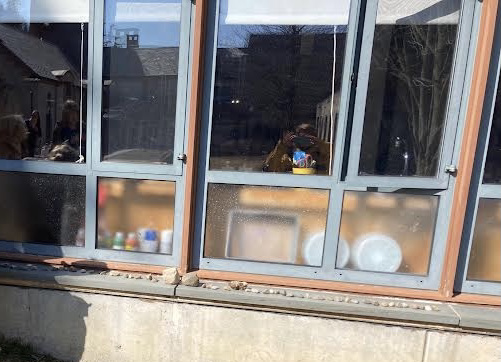
it took a while and a team of busy gatherers
but the kinder were happy to announce
they had collected and lined up
79 rocks
and that equals 1 museum.
—
“as with other phases of nature, I have probably loved the rocks more than I have studied them.’
-john burroughs
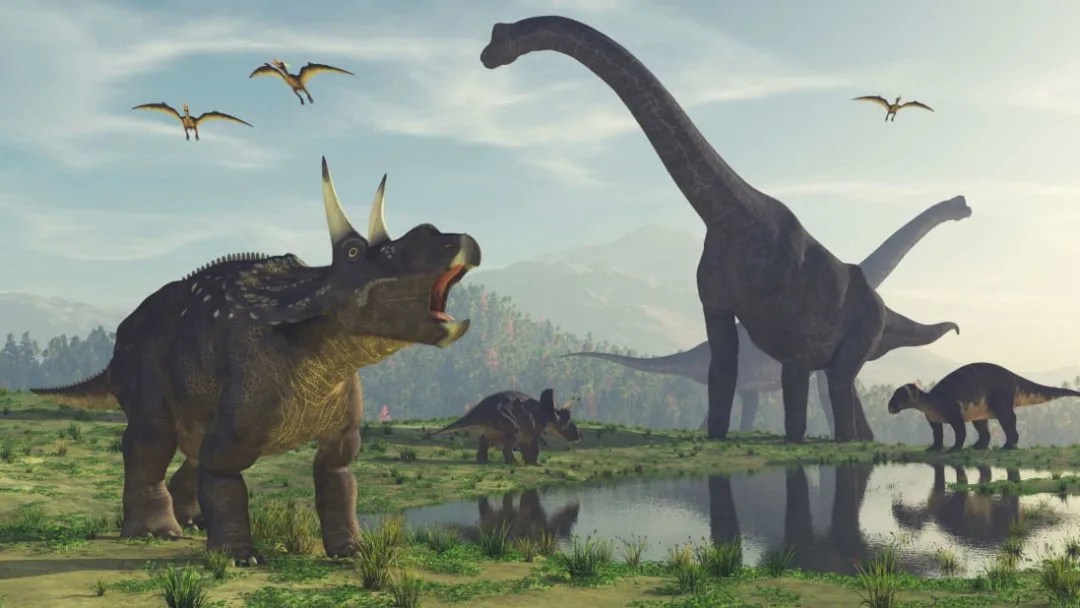
 While most of us know that all sorts of prehistoric creatures once inhabited Earth, you might not realize which ones used to wander around your particular city. Thanks to this interactive map, you can easily find out. Type in your city name, and you’ll see it plotted on the globe, along with a list of species whose fossils have been discovered nearby. If you click on the name of a species, a new webpage will open with details, images, and a map that shows where else that species lived.
In addition to searching by city, you can also see what Earth looked like during a specific time period by choosing an option from the dropdown menu at the top. Choices range from 750 million years ago—the Cryogenian period, when glaciers abounded—to 0 million years ago, which is Earth as we know it today. Using a different dropdown menu on the right, you can view Earth during its many notable “firsts,” including “first land plants,” “first dinosaurs,” “first primates,” and more.
As CNN reports, the map was created by California-based paleontologist Ian Webster, who added to an existing model that mapped plate tectonics and used additional data from GPlates, another piece of plate tectonics software.
“It is meant to spark fascination and hopefully respect for the scientists that work every day to better understand our world and its past,” Webster told CNN. “It also contains fun surprises. For example: how the U.S. used to be split by a shallow sea, the Appalachians used to be very tall mountains comparable to the Himalayas, and that Florida used to be submerged.”
You can find other fun surprises by exploring the map yourself here. For the best experience, you’ll want to access the site from a desktop computer or tablet versus a smartphone.
—
“observation: i can’t see a thing. conclusion: dinosaurs.”
-carl sagan
—
credits: cnn, mental floss, ellen gutosky, orla, getty images

not my trout, but an artist who creates in my style
—
a few or five decades back
in my elementary school years
i undertook a project that i loved
an end-of-the-year
comprehensive non-fiction report
covering a wide swath of the animal kingdom
involving research, factual write-ups, and illustrations.
i worked on this tirelessly
gleaning material
from the only source i used for everything
our set of encyclopedias
(no google to be found)
all was going well
until i came to the rainbow trout
with no illustration provided
i used my imagination
creating my own vision
of what a rainbow trout might look like
a beautiful striped fish
with every color of the rainbow
spanning across its shiny and scaly skin
at last
the final piece in my big report complete
rechecked everything
put it all in my new yellow folder
decorated the cover
proudly turning it in
waiting for my teacher’s response
she perused our reports
while we had silent reading time
then called me up to her desk
with the hugest of smiles on her face
my report open to the rainbow trout page
telling me that she was going to give me an a+
she said she could see
i was truly a creative
even more than a scientist
that both were good things to be
and she was right.

“the fish was a twelve inch rainbow trout with a huge hump on its back – a hunchback trout.”
-richard brautigan
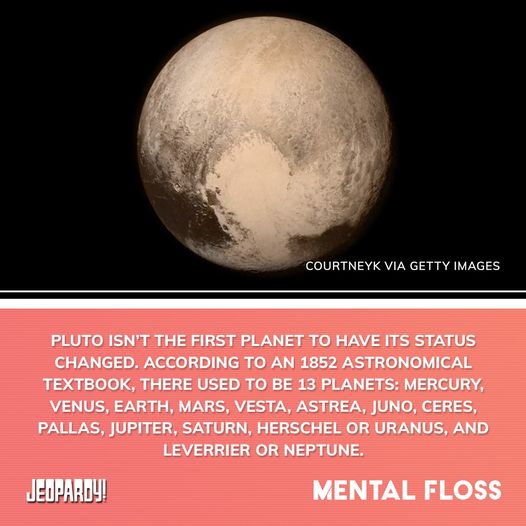
though not the first to go,
pluto lost its planetary status 15 years ago
and not everyone agrees.
—
“as a planetary scientist, I don’t know what else to call Pluto: it’s big and round and thousands of miles wide.’ alan stern
—
credits: mental floss, jeopardy, getty images, courtney k

water from air
Two billion people on earth are without clean drinking water, and this problem will only be exacerbated by the climate crisis.
Fortunately, independent businesses are working on a myriad of differing solutions. One Israeli company, Watergen, has taken advantage of the fact that the Earth’s atmosphere contains 13 billion tonnes of fresh water and developed technology that filters water vapor out of the air.
Michael Mirilashvili, the leader of Watergen, told BBC, “A big advantage of using atmospheric water is that there’s no need to build water transportation, so no worries about heavy metals in pipes for example or cleaning contaminated water from the ground or polluting the planet with plastic bottles.”
The technology works by quickly drawing air into the machine and using condensation to produce fresh water at the low cost of seven to 15 cents per liter. The machine does use electricity, but if this can be supplied via renewable sources, the machine would have a very little environmental impact.
Water gathered from the atmosphere still faces the issue of condensing air pollution. Although lead was banned in 1999, it is still found in UK air in 2021. However, partner researchers from Tel Aviv University proved this to be a small obstacle when they were able to extract the water to a quality set by the World Health Organization.
Watergen’s technology can provide up to 1,585 gallons of water per day and has already been used at hospitals in the Gaza Strip and villages in Central Africa.
—
“water is the driving force of all nature.”
-leonardo da vinci
—
source credits: BBC news, Natalie Lisbona, Optimist daily
(in honor of all the recent space activity and a soon to arrive full moon – a repost from 2 years ago)
50th anniversary of the week of the Apollo 11 moon landing
I was 11
on the cusp of everything
we went over
to my parents’ friends’ house
everyone was transfixed
air was electric
all gathered around the tv
watching
silent and awestruck
gobsmacked
as the first man walked on the moon
spoke his first words on the moon
lots of emotion in the house
I ran to the window to look at the moon
hoping I would see him up there
right in the middle of all of this
the hostess
left to go to the hospital
to have her baby
she named him neil
after that man on the moon.
—
“we ran as if to meet the moon.”
― robert frost
—
image credit: Ann Arbor district library archives
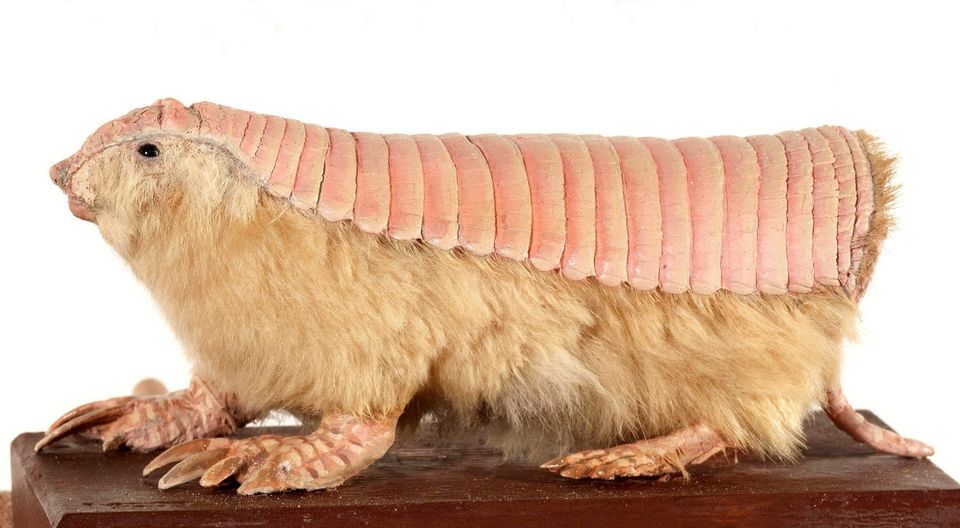
Today in animals you might not believe are real (but are!): the pink fairy armadillo. This species (Chlamyphorus truncatus) grows to just about 6 inches long, making them the smallest armadillos in the world.
They are found only in central Argentina, and because they’re nocturnal and spend a lot of time burrowing underground, the elusive creatures are difficult to study.
Like other armadillos, pink fairy armadillos have a shell (or carapace) but theirs is softer, thinner and more flexible. The shell’s color comes from blood vessels close to the surface.
source credit: Smithsonian National Museum of Natural History
—
“always be yourself unless you can be an armadillo,
then always be an armadillo.”
-author unknown
—
some animals are so unusual, it’s hard to believe they’re real.
what’s the most interesting/unusual animal you’ve ever encountered?
—
 I didn't have my glasses on....