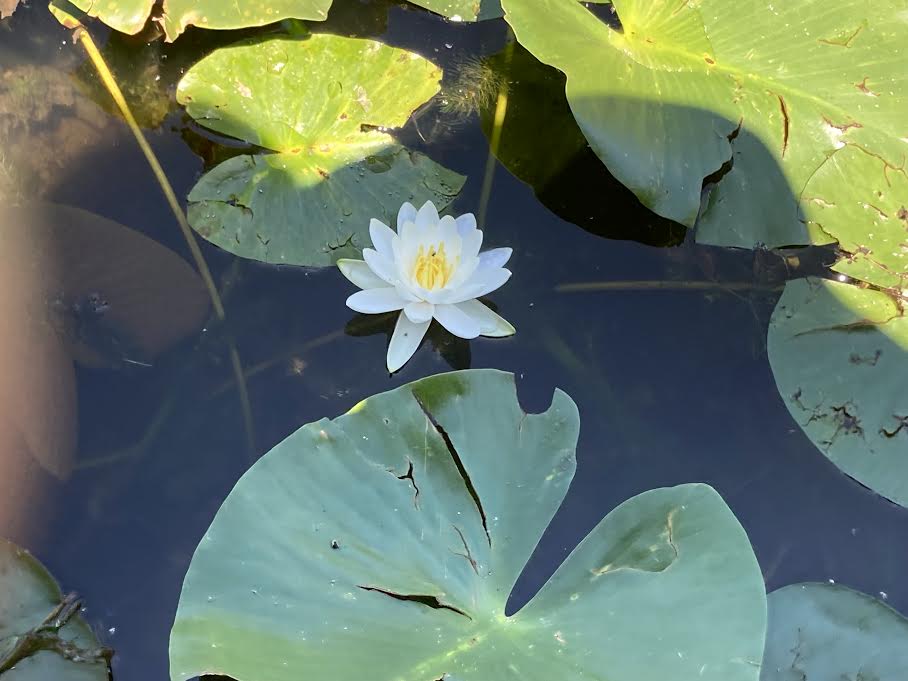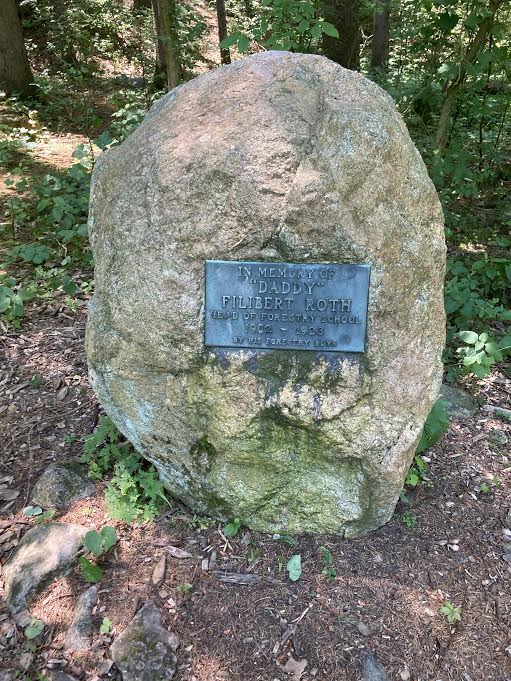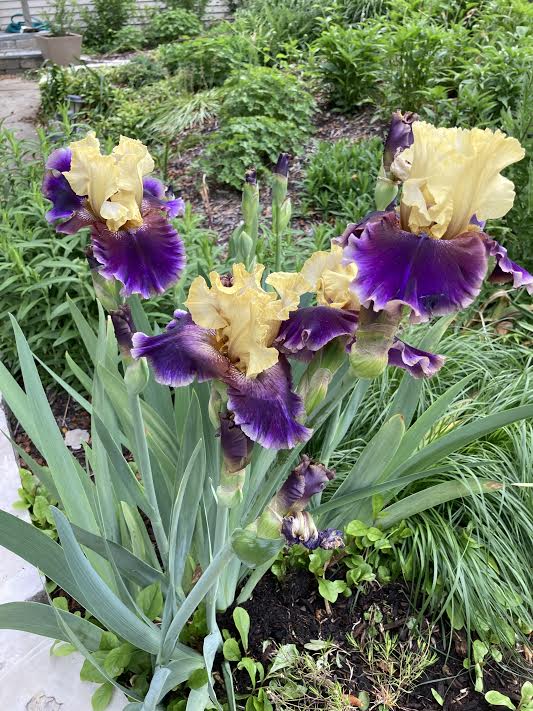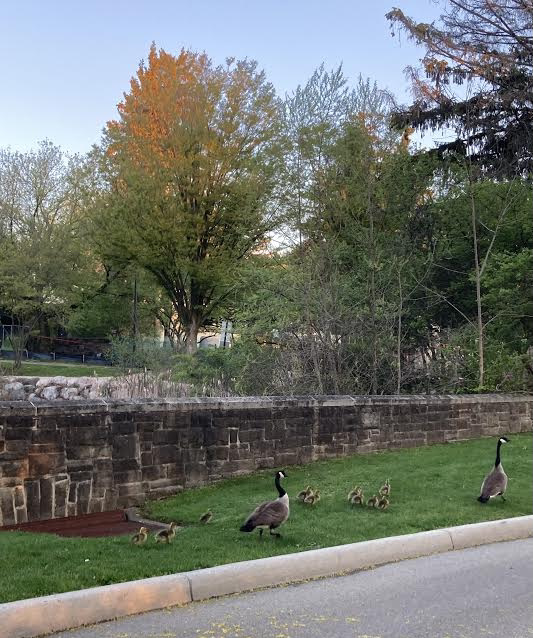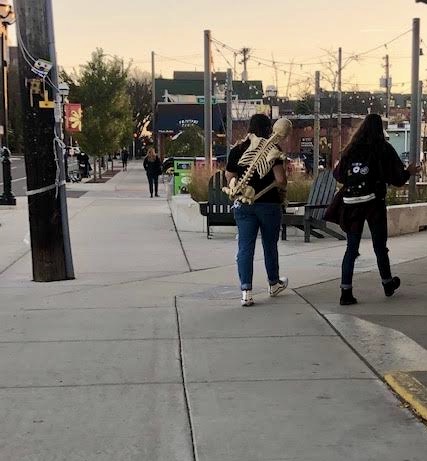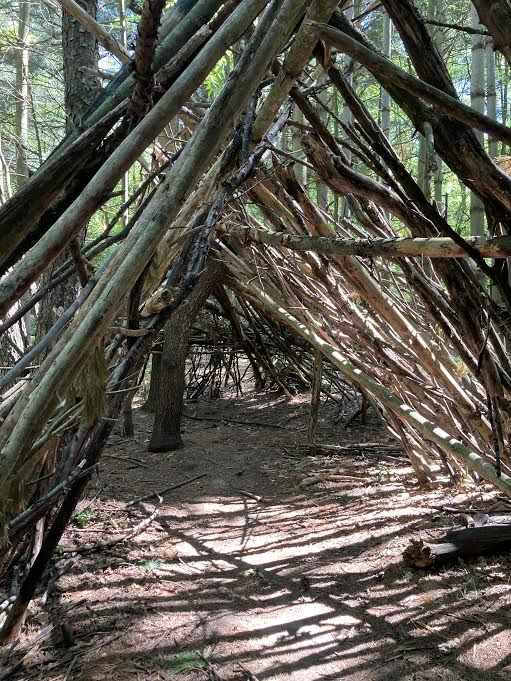
on an almost summer stroll.
—
“for a strolling damsel a doubtful reputation bears.”
johann woflgang von goethe
out for a family stroll
—
“walking is the perfect way of moving if you want to see into the life of things.
it is the one way of freedom.
if you go to a place on anything but your own feet
you are taken there too fast,
and miss a thousand delicate joys
that were waiting for you by the wayside. “
-elizabeth von arnim
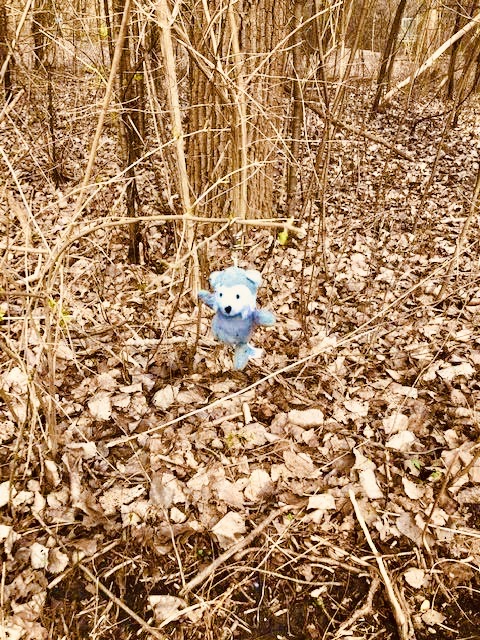
ran into this guy
when out walking
frozen in place
i tried to remember
what to do
if i ever was
to meet a bear in the woods
run, play dead, make myself large, make noise
or
take a picture
leave it in the trees
for the child who left it behind
now, missing it.
—
“he looked all alone
and so sad and so blue,
so I said, “oh, dear bear;
there’s a home here for you.”
-ingrod sawubona, A Big-Bear Birthday, Please (English version)
on a walk in the beautiful early fall weather
taking in a bit of the world
listening to music
a man came up beside me to say
‘you have quite a cadence.’
something i’d never heard or considered
such a funny compliment
and happily noted.
—
“to brisk notes in cadence beating, glance their many-twinkling feet.”
-thomas gray
—
image credit: Science Magazine.org
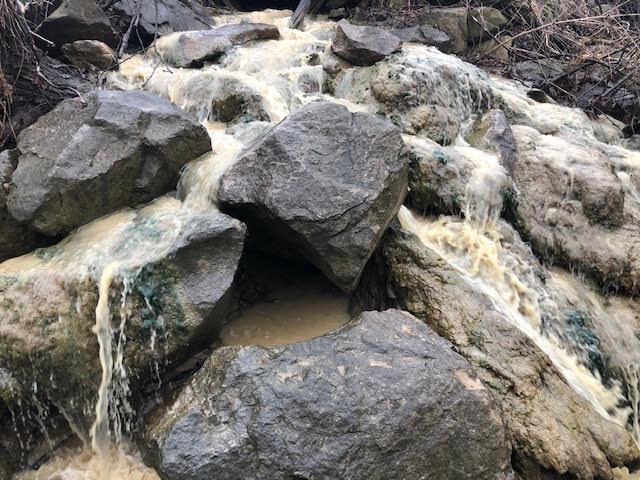
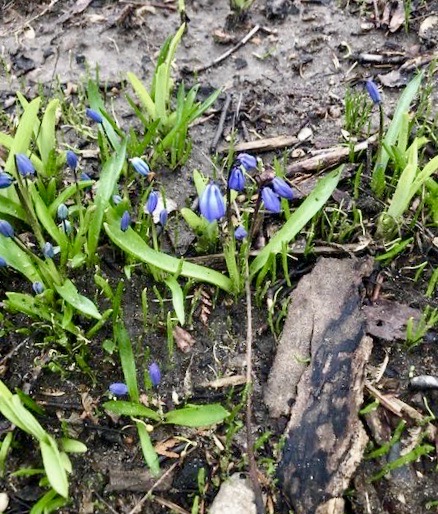
beautiful walk in the rain today
discovering
a newly made waterfall
spring flowers in the mud
brilliant green moss
growing on the trees
in the quiet woods.
—
“the rain is falling all around,
it falls on field and tree,
Ii rains on the umbrellas here,
and on the ships at sea.”
-robert louis stevenson, a child’s garden of verses
dear friends, j and b, walk in michigan
getting ready for the big walk.
they leave tomorrow –
i wish them both the best of luck on their journey
and look forward to their tales from along the way
knowing they will return somehow changed forever.
the portuguese way/caminho português
—
The Portuguese Way (Spanish: Camino Portugués, Portuguese: Caminho Português) is the name of the Way of St. James pilgrimage routes starting in Portugal. It begins at Porto or Lisbon. From Porto, pilgrims travel north before entering Spain and passing through Padron on the way to Santiago de Compostela.
The Portuguese way is 227 km long starting in Porto. The way from Porto was historically used by the local populations and by those who arrived in the local ports.
In the contemporary period, most pilgrims are foreigners, and of the total number reaching Galicia between January and October 2017, only 4.27% were Portuguese. Roughly 30,000 pilgrims per year walk this path.
Arrival of queen Elizabeth of Portugal to Santiago de Compostela, after finishing the Portuguese Way around 1325, after the death of her husband, Denis of Portugal.
—
“a path is a prior interpretation
of the best way to traverse a landscape.”
-rebecca solnit, Wanderlust: A History of Walking
—
credits: wikipedia