the passing parade.

Standard

the diag at center of the university of michgan campus

on a beautiful day

 a good people watching place to be.

“i’m still passionately interested in what my fellow humans are up to.

for me, a day spent monitoring the passing parade is a day well-spent.”

-garry trudeau


-Garry is an american satirist whose comic strip, doonesbury,

reflected social and political life in the united states during the late 20th and early 21st centuries.

the whole world gets bigger.

Standard

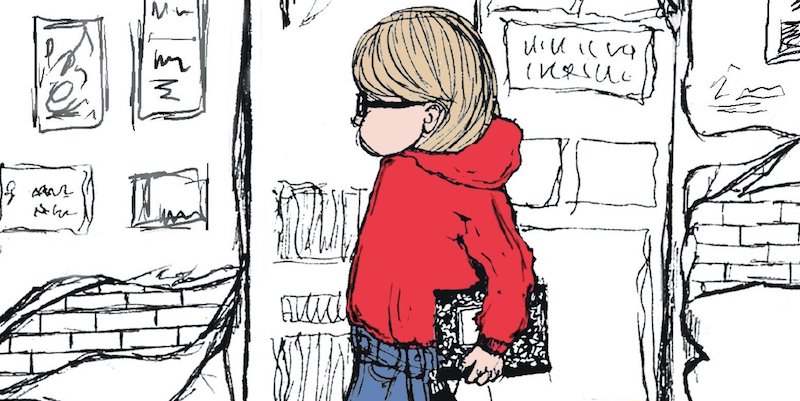
“oh how I love to read, she thought. ihe whole world gets bigger.”

— Louise Fitzhugh, Harriet The Spy (1964)

i always was interested in detectives and spies, and books were a way for me to feel a part of it.

without any real danger, but just enough suspense…

on international book day

tangerine dreams.

Standard

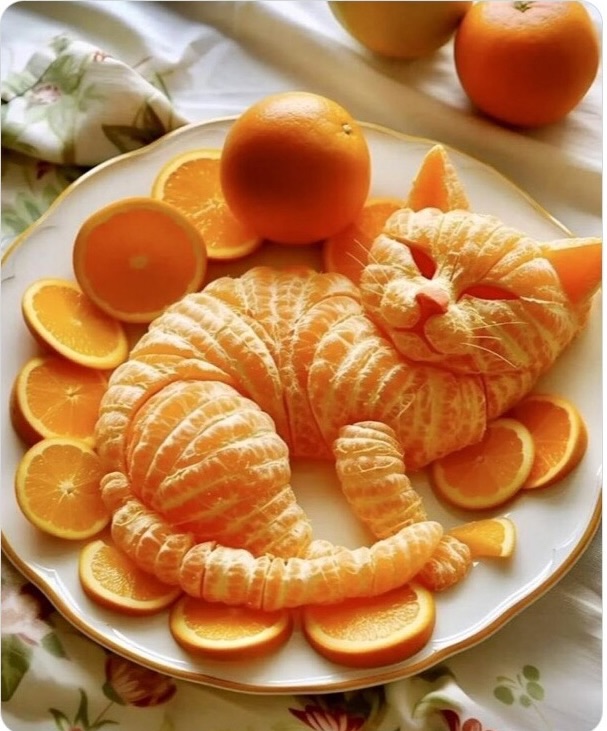
wh0 wouldn’t love to have a tangerine cat?

“our holiday food splurge was a small crate of tangerines, which we found ridiculously thrilling after an eight-month abstinence from citrus. lily hugged each one to her chest before undressing it as gently as a doll. watching her do that as she sat cross-legged on the floor one morning in pink pajamas, with bliss lighting her cheeks, i thought; lucky is the world, to receive this grateful child. value is not made of money, but a tender balance of expectation and longing.”

-Barbara Kingsolver

Barbara is a Pulitzer Prize-winning American novelist, essayist, and poet. Her widely known works include The Poisonwood Bible, the tale of a missionary family in the Congo, and Animal, Vegetable, Miracle, a nonfiction account of her family’s attempts to eat locally. Lily, mentioned above, is her daughter, now also an author and an environmental scientist.


image credit: pinterest

wrist-twist.

Standard

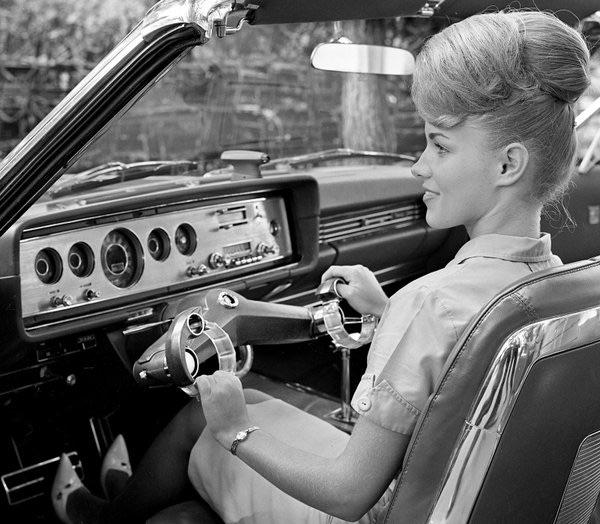
not sure i would have wanted this in my car

the wrist-twist isn’t my thing

i would have preferred

one of those big old round steering wheels

you could turn with one hand

but the hair is amazing

like judy jetson

in the cockpit

piloting a speeding jet

can’t say that i’m totally surprised

this concept never got off the ground. 

Ford introduced the “Wrist-Twist” steering system for cars in 1965. Despite better visibility, a roomier cabin and allowing you to drive with your arms on armrests it never went beyond the testing stage. You can see a two-minute promotional film here: https://www.youtube.com/watch?v=PWWYkxQCFfQ


source credits: ford motor company, midcentury fashion


kids watching kids.

Standard

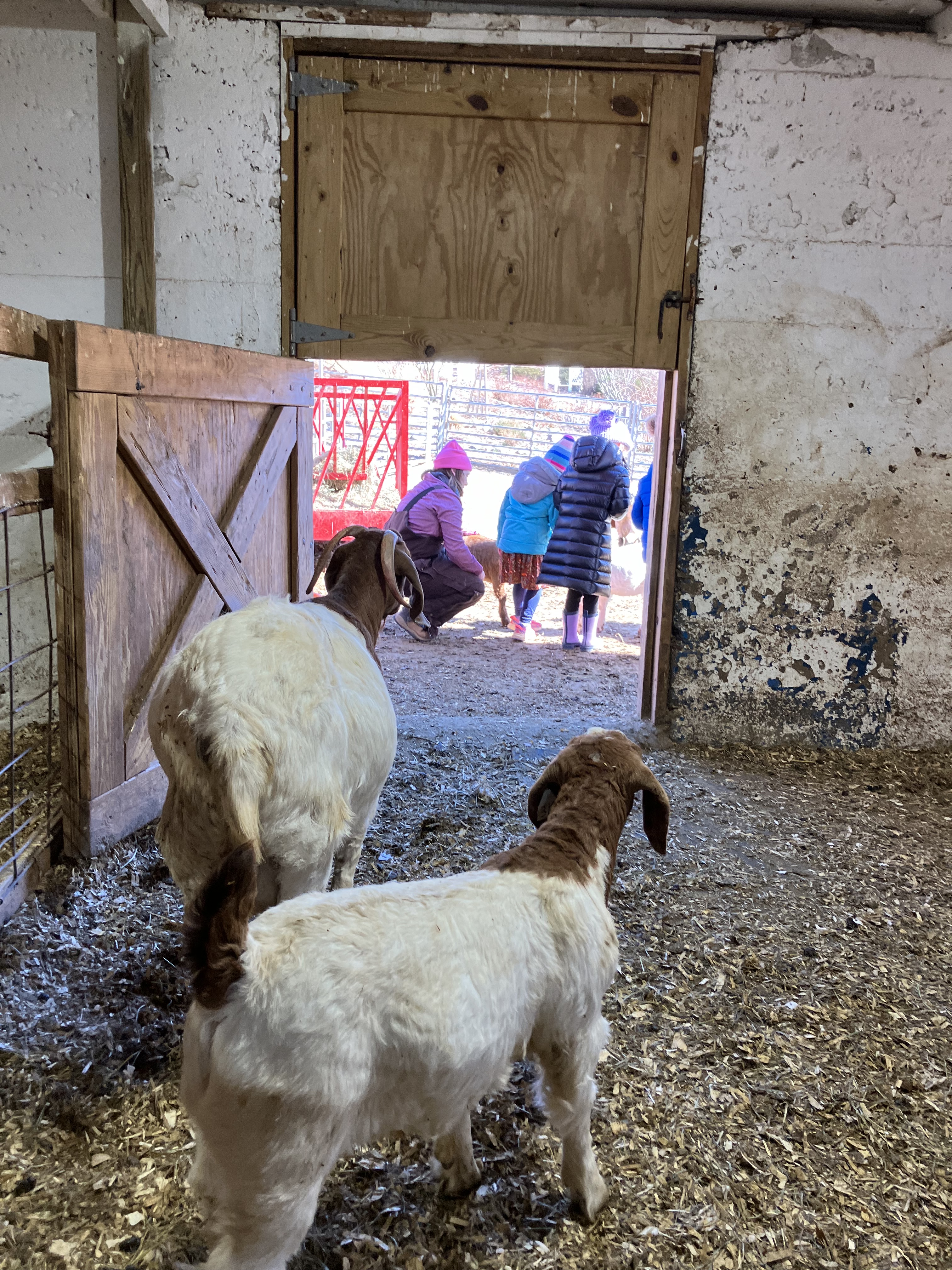
where are those kids going and what are they up to?

today we went back to the farm

to see how it has changed since our fall visit

there were no leaves

there were no pumpkins

there were lots of new babies

there was not a lot of green

but the animals were as sweet as ever

and that never changes.

‘to teach children that animals have certain rights

creates in their minds a respect and regard for life.’

*-caroline earle white

*Caroline Earle White founded the first animal shelter in the United States in 1869. Born on September 28, 1833 in Philadelphia, Penn., White became an influential figure not only in animal welfare, but also fought for women’s suffrage and equality. White and a group of 30 women activists created the Women’s Pennsylvania Society for the Prevention of Cruelty to Animals (WPSPCA), America’s first official animal shelter. Later known as the Women’s Humane Society, the organization pioneered programs that helped save homeless animals and employed animal cruelty officers to prevent and punish animal abuse. The organization still operates today as the Women’s Animal Center.

on leap day, heed the gap.

Standard
Zanzibar – Kirks Red Colobus Monkey, leaping from tree canopy
photo: Bernard Castelein

toads, rabbits, certain bird species, kangaroos and wallabies hop and jump.

by contrast frogs, hares and jackrabbits and monkeys leap,

the latter

routinely covering the distance from one large tree to another in a single leap.

“the most dangerous thing in the world is to try to leap a chasm in two jumps.”
*david lloyd george
*uk prime minister, 1916-1922,
one of the 20th century’s most famous radicals.
the first any only welshman to this office


smooth.

Standard

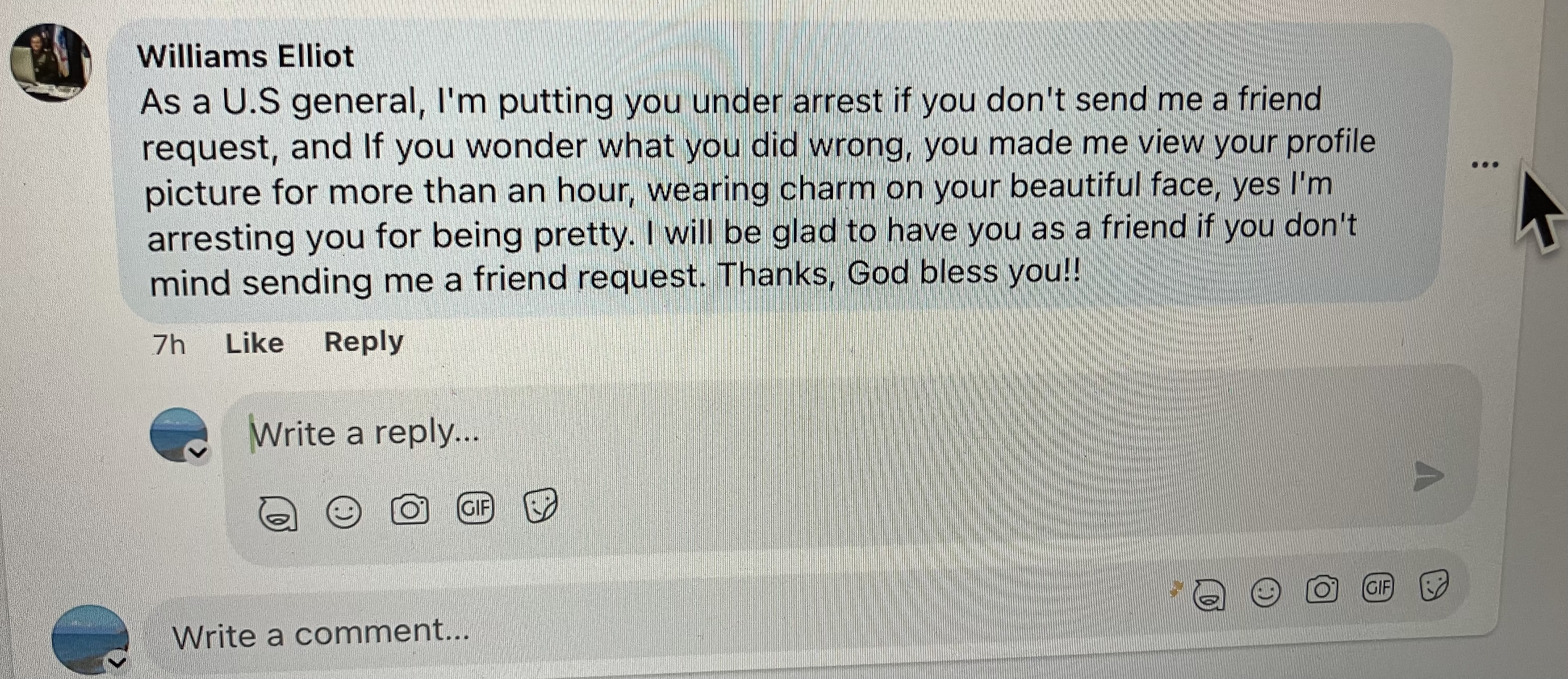
tough to pass up this amazing offer

it’s really got it all

charm, the military, friendship, threats, god, a random stranger, a thank you, a blessing,

and a photo of general milley of course

such a smooth operator

but i’m going to have to take a hard pass on this one

too bad, so close!


“bad decisions make good stories.”

-ellis vidler, american romance author

word after a word.

Standard

someone sure has a lot to say
not sure exactly what that is yet
but i think
someone has to pay something.
“a word after a word after a word is power.”
― margaret atwood

hickory, dickory.

Standard

 the 400-Year-Old Cat Door at Exeter Cathedral, Where Felines Were Once on Payroll

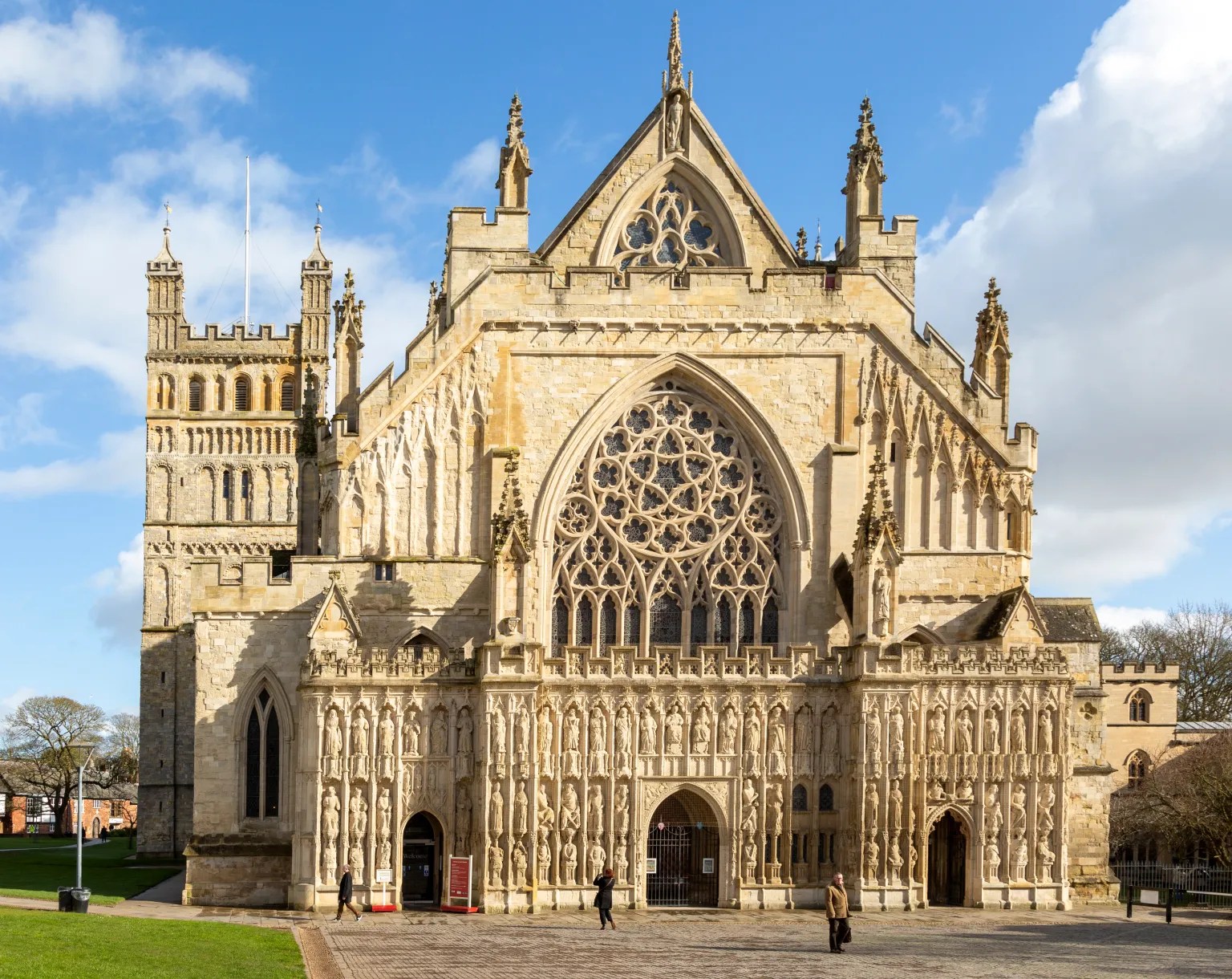
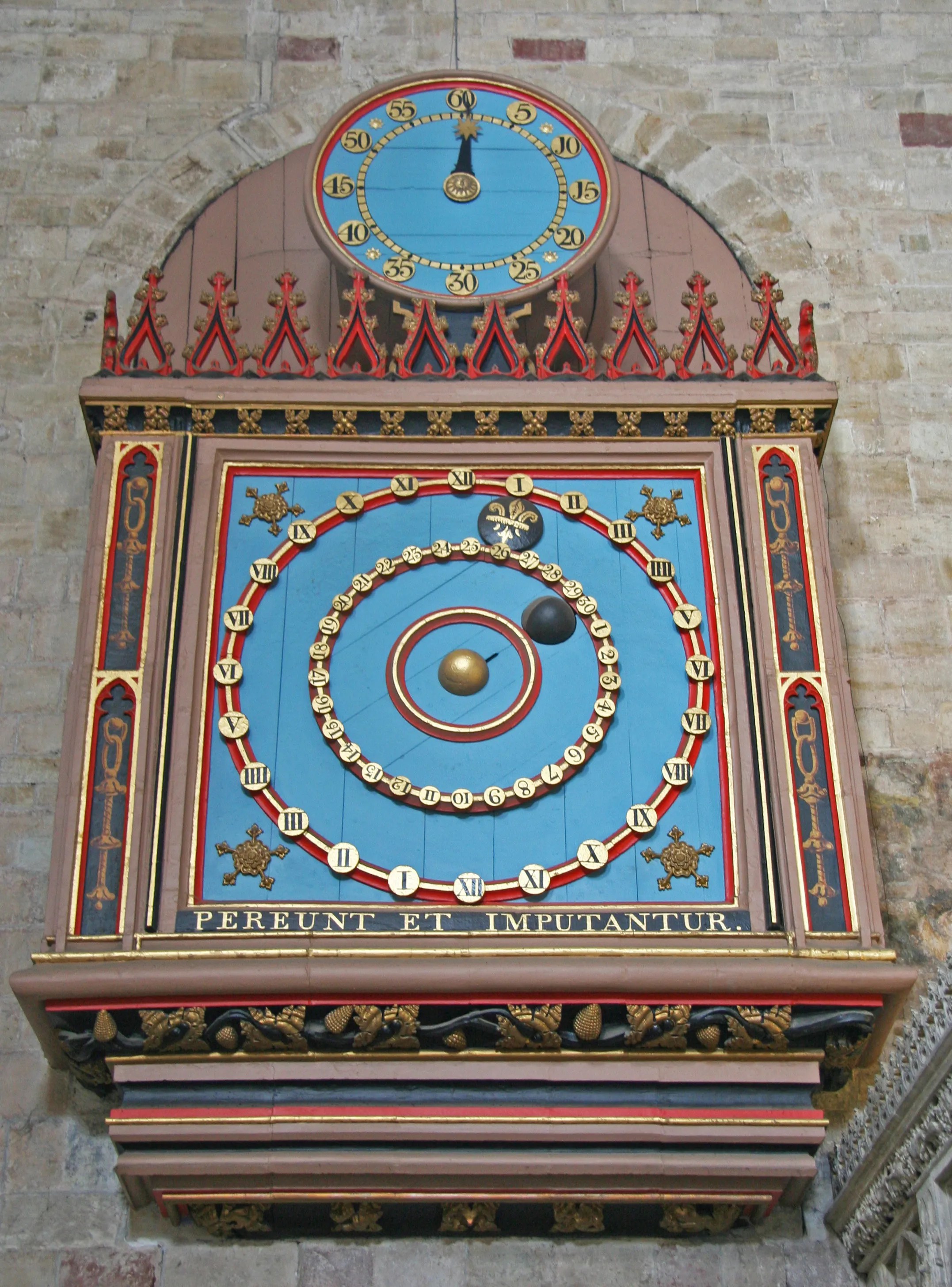
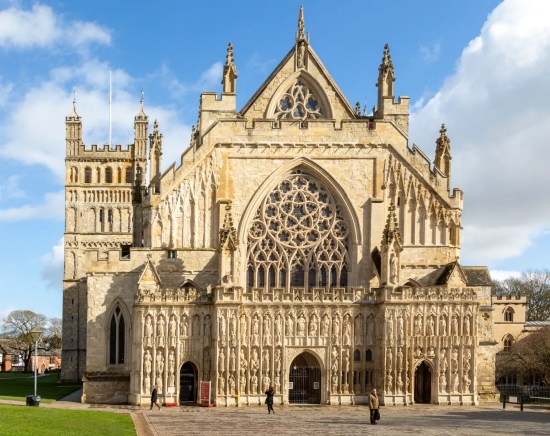
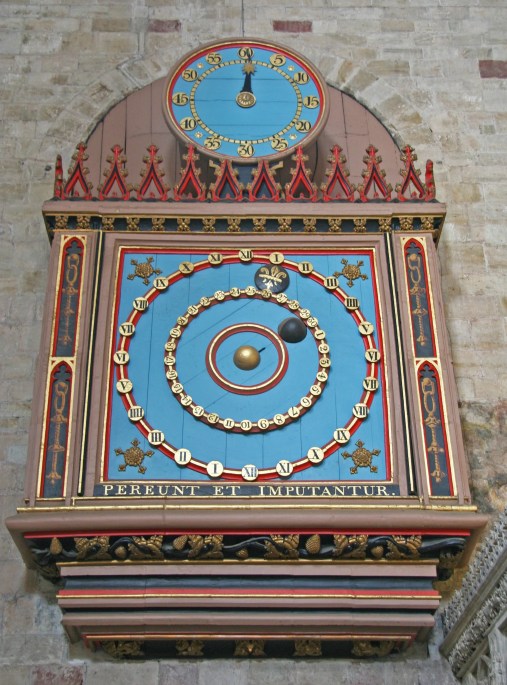
Founded in the 11th century, England’s Exeter Cathedral is famed for its stunning features — including its medieval astronomical clock, a working replica of the solar system as it was understood at the time. But the building also boasts another ancient wonder: a cat door that may be among the world’s oldest.

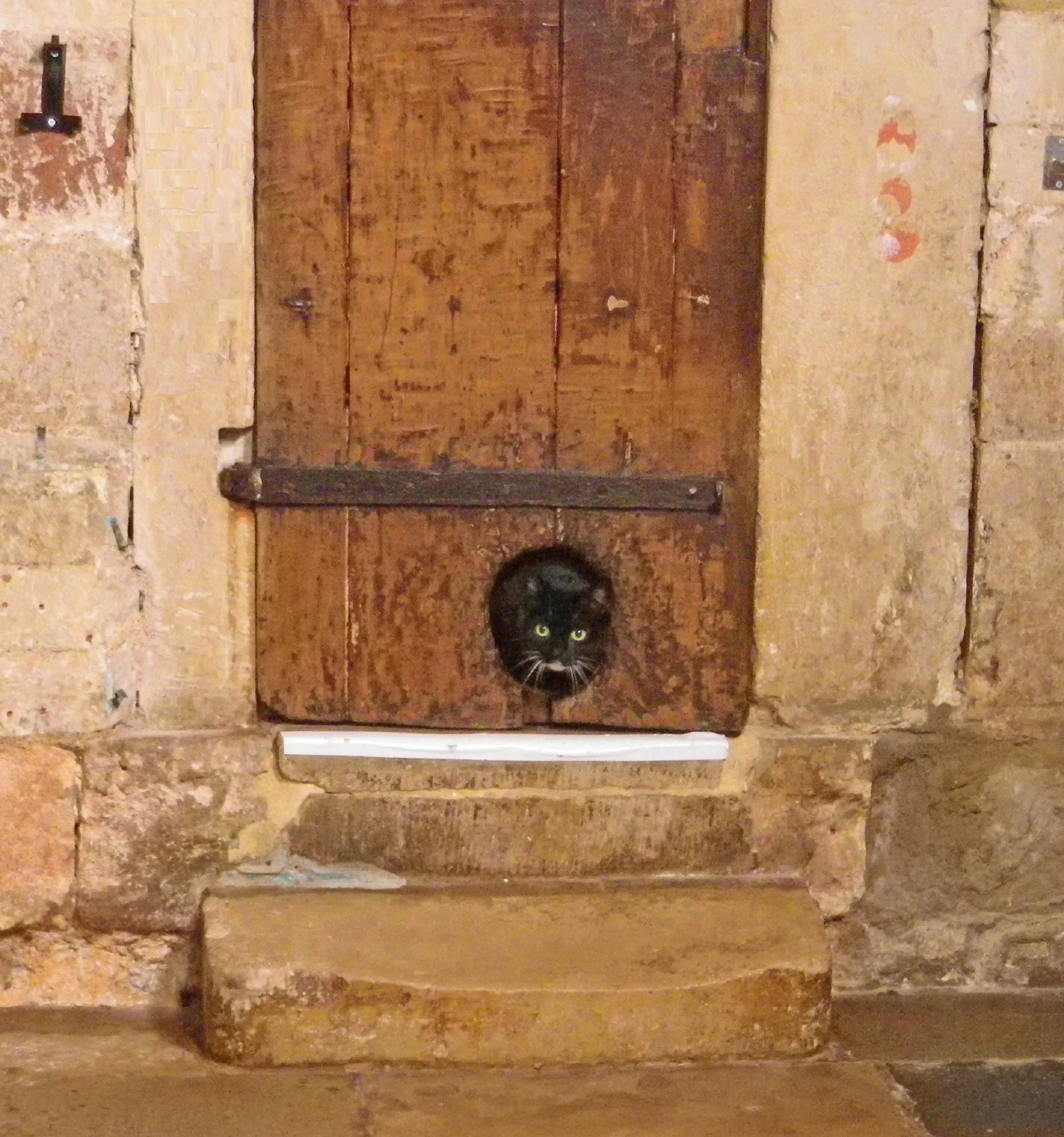
Cut into the bottom of the door to the clock room is a small, cat-sized hole, and records show it was put there with a purpose. In 1598,Queen Elizabeth I nominated William Cotton for the role of Exeter Cathedral bishop. When he started his post, he also seems to have recruited a helper.

“It is from Bishop Cotton’s time that we have the record, ‘Paid ye carpenters 8 pence for cutting ye hole in ye north transept door for ye Bishop’s cat,’” said cathedral historian Diane Walker. It’s likely the hole served less to assist the kitty in catching mice and rats.
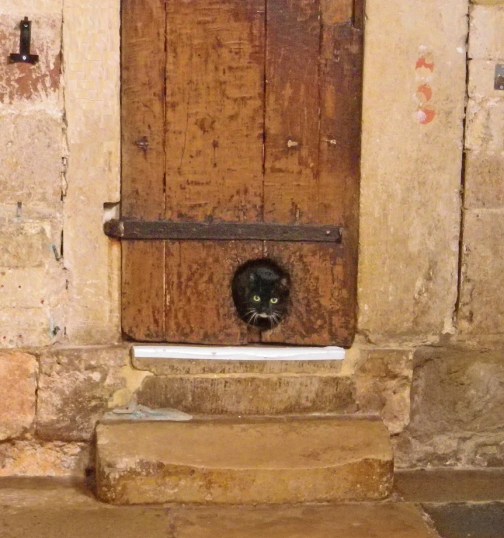
“The fat used to lubricate the clock mechanism would have been a great attraction for vermin,” said Walker, “hence the need for the cat to have access to this space.” The use of lard for clock maintenance was commonplace during that time period — and is believed to be represented in a famous children’s rhyme.

“Although there’s no evidence of a specific association with Exeter Cathedral, the nursery rhyme ‘Hickory, Dickory, Dock’ with its reference to ‘the mouse ran up the clock’ is most likely to have its origins in mice climbing parts of clock mechanisms, rather than climbing the outside of a long case clock as normally illustrated,” Walker explained
Cotton’s kitty wasn’t the first feline to call the cathedral home, though. Even before the hole was cut into the door, cats were employed by the church to keep the vermin population in check. Records from the 14th and 15th century indicate payments made to cats — or more likely, their owners — in the amount of 13 old pence per week. And another form of record also memorializes that arrangement: a medieval carving in the cathedral that depicts a cat attacking two rodents.

The payments seem to have ceased by the time Cotton and his cat arrived — though the jury is out on whether the feline was paid under the table. “We do not know whether Bishop Cotton’s cat received any payment for its services,” Walker said. But the cathedral’s feline history doesn’t end there. A post-World War II chapel carving depicts a one-eyed stray cat named Tom who became “quite a cathedral celebrity” after he was adopted by the head virger. (caretaker)

“He would sit in the bishop’s throne but never attempted to jump on an altar. One year he enjoyed settling into the Christmas manger tableau to the delight of visitors,” Walker shared.

“While he would spend much time wandering in the grounds surrounding the cathedral, he is also reported to have been particularly attentive in the cathedral during sermons when he would sit still and upright!”Fast forward to today, and kitties can still occasionally be seen using the medieval cat door — thankfully, the rodents are no longer an issue that requires feline attention.

“when rome burned, the emperor’s cats still expected to be fed on time.”

― seanan mcguire,  author


source credit: rebekah brandes, photo credits: diane walker, universal images, getty

private.

Standard

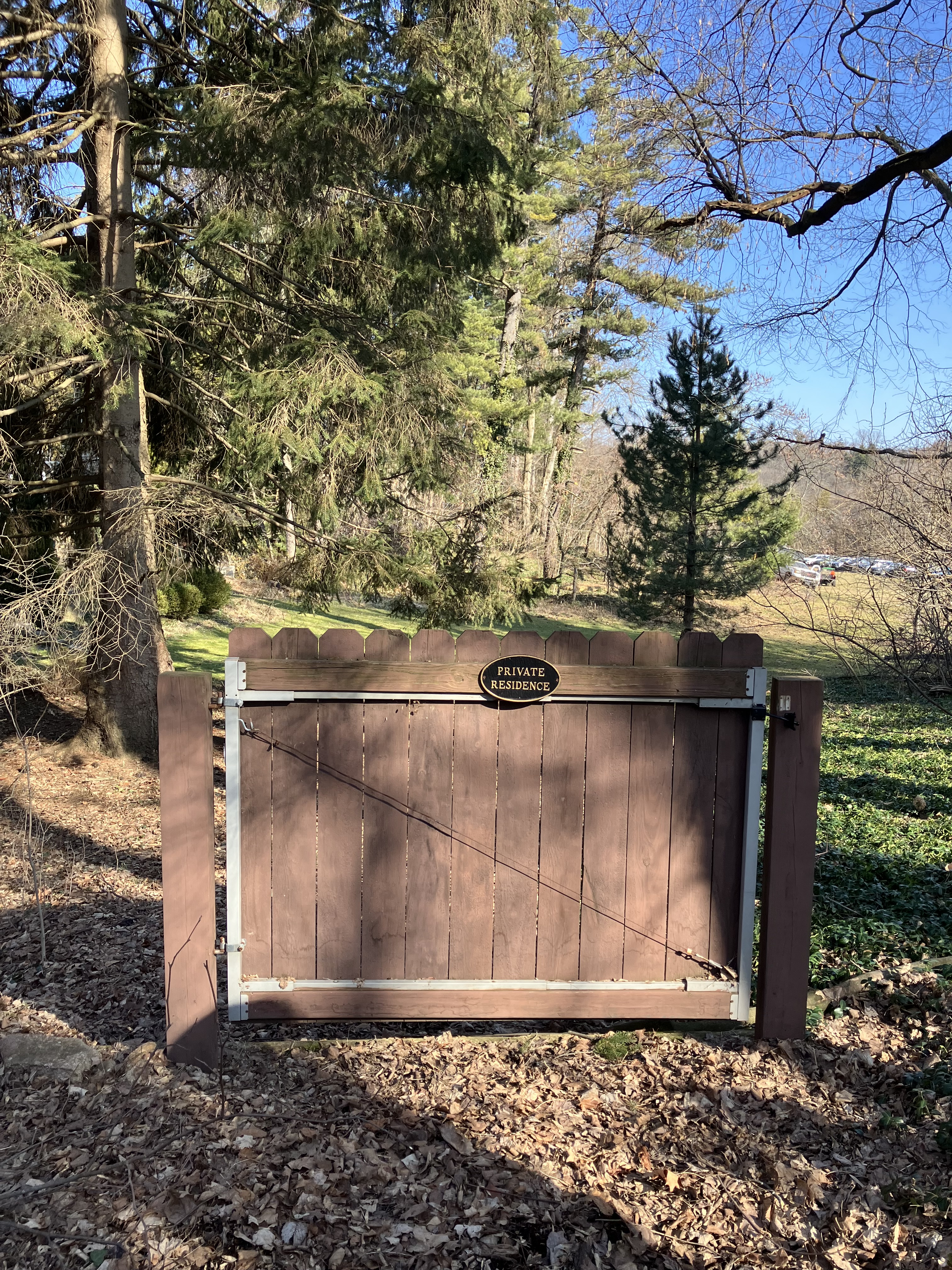
is it really, though?

what would stop anyone from just walking around the sign,

unsure of where the private part begins and ends?

or to test the boundaries?


“there is no private life which has not been determined by a wider public life.”

*George Eliot, Felix Holt: The Radical 1866


*Mary Ann Evans, known by her pen name George Eliot, (who changed her name because she wanted her writing to be taken seriously), was an English novelist, poet, journalist, translator, and widely recognized as one of the leading writers of the Victorian era. She wrote seven novels: Adam Bede, The Mill on the Floss, Silas Marner, Romola, Felix Holt, the Radical, Middlemarch and Daniel Deronda.